39° and Clear
Minneapolis Council Fails to Override Frey's Veto of Driverless Rideshare Rules as Saint Paul Begins Separate Review



The Minneapolis proposal would have required human safety monitors in autonomous rideshare vehicles. Supporters say they will continue seeking regulations, while Saint Paul has authorized a study of potential safeguards.
MINNEAPOLIS, Minn. | October 17, 2026
Minneapolis Mayor Jacob Frey's veto of proposed regulations for autonomous rideshare vehicles will remain in effect after the City Council failed Thursday to secure the nine votes required to overturn his decision.
Seven council members supported overriding the veto, two fewer than necessary. The outcome prevents the council's previously approved regulations from taking effect and leaves unresolved a disagreement over how Minneapolis should address driverless transportation services before they begin carrying paying passengers in the city.
The proposed rules included a requirement that autonomous rideshare vehicles carry human safety monitors. Supporters argued that local governments should establish enforceable protections for passengers, other road users and workers whose livelihoods could be affected by automated transportation.
Frey opposed the legislation, arguing that its requirements would effectively prevent companies offering autonomous rideshare services from operating in Minneapolis. He called for a different regulatory approach that would address safety without creating what he considered an unreasonable barrier to the technology.
The council's failure to override the veto does not end the policy debate. Supporters of the regulations have indicated that they intend to pursue another attempt.
The dispute over human safety monitors
The requirement for human safety monitors was a central point of disagreement between the council's supporters of the legislation and the mayor.
For supporters, the presence of a human monitor represented a safeguard while autonomous vehicles are introduced into a complex urban transportation environment. Driverless vehicles must interact with pedestrians, cyclists, emergency vehicles, construction zones and other circumstances that can create difficult operating conditions.
The proposal also reflected concerns about the potential effects of automation on people who currently earn income driving for rideshare services.
A requirement for a human monitor, however, raises a fundamental question about how autonomous transportation businesses would operate. If companies must place a person in each vehicle, they may face staffing and operating costs that differ substantially from a fully driverless business model.
Frey argued that the requirement amounted to a practical prohibition rather than a workable regulatory framework.
The disagreement therefore involved more than whether autonomous vehicles should be regulated. Both sides described safety as important, but they differed over which requirements would be appropriate and whether those requirements would permit the technology to operate.
What Thursday's vote means
The October 15 override attempt did not produce enough support to enact the council's preferred rules over the mayor's objection.
Nine votes were required. Seven council members voted in favor of the override.
The distinction is important because the outcome should not be described as the council approving new autonomous vehicle regulations. The veto survived, and the legislation did not take effect through the override process.
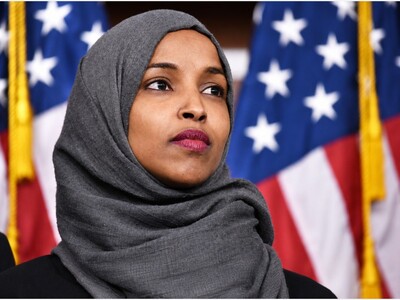
Council Member Robin Wonsley, a supporter of the proposed rules, said afterward that the effort to regulate autonomous rideshare services would continue.
Her response indicated that supporters view the vote as a setback rather than a final decision about the city's long-term approach.
Any renewed proposal would have to move through the city's legislative process and address the political disagreement that prevented the override.
Waymo's testing and the question of commercial service
The debate is taking place as autonomous vehicle technology moves closer to becoming a practical transportation option in Minneapolis.
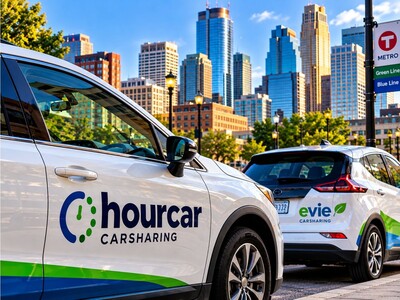
Waymo has been testing vehicles in the city since last winter with people behind the wheel. As of the October 15 reporting, the company had not begun carrying paying customers through an autonomous rideshare service in Minneapolis.
That distinction matters when assessing the immediate effect of the council's action.
The vote concerned the conditions under which autonomous rideshare services could operate, rather than an established commercial service already transporting Minneapolis passengers without drivers.
Testing vehicles with human operators present also differs from offering a driverless service to the general public. The operational, legal and public safety questions can change when a vehicle no longer has a person behind the wheel.
The Minneapolis dispute illustrates the challenge local governments face when evaluating a technology whose commercial use may develop faster than established regulatory practices.
Worker protections remain part of the discussion
Supporters of the vetoed regulations have also emphasized employment.
Rideshare driving provides income to workers who may depend on flexible schedules or use driving to supplement other employment. Autonomous services could change demand for that work if companies eventually deploy vehicles that do not require paid drivers.
The scale and timing of any employment effect in Minneapolis remain uncertain. They would depend on the number of autonomous vehicles deployed, customer adoption, operating costs, service areas and the pace at which companies expand.
Those uncertainties do not eliminate the need to consider workforce effects, but they make it important to distinguish projected job losses from documented employment changes.
Future proposals may have to address whether local transportation policy should include measures intended to protect existing workers, and how those measures would interact with the authority of state and federal regulators.
Saint Paul takes a different procedural approach
Across the Mississippi River, Saint Paul is beginning its own examination of autonomous vehicles.
The Saint Paul City Council adopted a resolution this week directing the city's planning commission to study the technology and consider possible safeguards. The review includes questions involving safety, data sharing and worker protections.
Saint Paul's action is separate from the Minneapolis veto dispute. It did not overturn Frey's veto, adopt the Minneapolis proposal or establish an identical set of operating requirements.
The resolution begins a study process intended to inform future decisions.
That difference in procedure is significant. Minneapolis has already experienced a disagreement between its council and mayor over proposed legislation. Saint Paul is examining possible policies before deciding what regulations, if any, should be adopted.
The cities may ultimately reach different conclusions, even though they share a regional transportation network and face some of the same questions about emerging vehicle technology.
Regional implications of driverless transportation
Autonomous rideshare services could eventually affect trips that cross municipal boundaries, including journeys between Minneapolis, Saint Paul, surrounding suburbs and regional destinations.
That possibility creates practical questions about how rules adopted by one city would interact with those of another.
Local governments may also need to consider accessibility for passengers with disabilities, procedures for responding to collisions or emergencies, information collected by vehicle systems and how autonomous services interact with existing public transportation.
The extent of municipal regulatory authority can depend on state law and the specific activity being regulated. The October 15 vote did not resolve those broader questions.
For now, Minneapolis has retained the mayor's veto of the council's proposed rules. Saint Paul has authorized further examination of the subject.
The next developments will depend on whether Minneapolis council members introduce revised legislation and what recommendations emerge from Saint Paul's planning review.

STAY CONNECTED TO MINNEAPOLIMEDIA
Local stories matter. Subscribe free to MinneapoliMedia and receive independent news, community reporting and important updates from Minneapolis, the North Metro and communities across Minnesota.
SUBSCRIBE FREE: https://minneapolimedia.town.news/subscribe
MinneapoliMedia | Community. Culture. Civic Life