47° and Overcast
MINNEAPOLIMEDIA NEWS | Klobuchar's Election as Governor Opens New U.S. Senate Vacancy, Setting Stage for Appointment and 2027 Special Election



Minnesota must select an interim senator to complete part of Amy Klobuchar's unexpired term, with the timing of her resignation determining whether Gov. Tim Walz or Klobuchar makes the appointment.
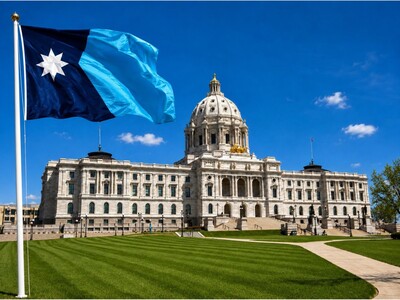
SAINT PAUL, MN (November 5, 2026).
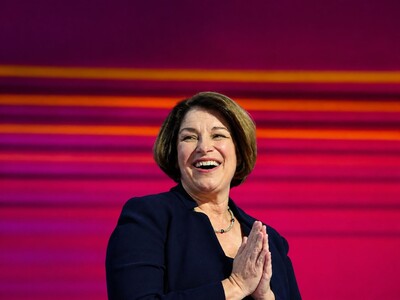
Amy Klobuchar's election as Minnesota's next governor has created another significant transition in the state's representation in Washington.
The Democratic U.S. senator, who defeated Republican Lisa Demuth in Tuesday's gubernatorial election, will leave the Senate to assume the governorship in January.
Her departure will create a vacancy in a Senate term that otherwise extends through January 2031.
Under Minnesota law, the governor appoints a temporary replacement until voters select a senator through a special election.
The timing of Klobuchar's resignation will determine who has authority to make that appointment.
If Klobuchar resigns while Tim Walz remains governor, Walz could appoint the replacement.
If the vacancy occurs after Klobuchar takes office on January 4, 2027, the appointment could fall to her administration.
The process introduces a second important Senate transition for Minnesota following Tuesday's election of Lt. Gov. Peggy Flanagan to the seat being vacated by retiring Sen. Tina Smith.
A Vacancy With Statewide Consequences
Klobuchar has served in the U.S. Senate since 2007 and has developed substantial experience in federal legislative work.
Her committee responsibilities have included agriculture, antitrust policy and election administration.
Her departure will remove an experienced member of Minnesota's congressional delegation at a time when the state is preparing for changes in both its federal and state leadership.
Whoever receives the appointment will assume responsibility for constituent services, legislative votes, committee work and representation of Minnesota's interests in Washington.
The appointee will serve temporarily, rather than receiving a full six-year term through appointment alone.
Minnesota law requires a special election in November 2027 to fill the remainder of Klobuchar's term.
The winner of that election would serve until January 2031.
Who Might Be Considered?
No appointment has been announced.
Political observers have identified several current and former Minnesota officials as possible contenders, including former U.S. Rep. Angie Craig, U.S. Rep. Kelly Morrison and Secretary of State Steve Simon.
Those names represent possibilities discussed publicly, not confirmed selections.
Klobuchar and Walz have not established a definitive appointment timetable.
The decision will depend partly on when Klobuchar resigns her Senate seat and when the vacancy legally occurs.
Why the Appointment Matters
A U.S. senator participates in decisions involving federal spending, judicial confirmations, executive appointments, international affairs and national legislation.
The position also provides a direct connection between Minnesota residents and federal agencies.
An interim senator will have limited time to establish an office and legislative priorities before facing the possibility of a special election.
The November 2027 election could draw considerable attention because it will occur outside the regular federal election cycle.
For Minnesota voters, that means another statewide election may take place only one year after the 2026 general election.
A Historical Precedent
Minnesota has filled U.S. Senate vacancies through gubernatorial appointments before.
In 2017, Gov. Mark Dayton appointed then-Lt. Gov. Tina Smith after Sen. Al Franken resigned.
Smith subsequently won the 2018 special election.
The state also experienced a controversial appointment in the 1970s, when Gov. Wendell Anderson resigned and was appointed to the U.S. Senate following Walter Mondale's election as vice president.
Those examples illustrate that appointments are established under law but can carry substantial political consequences.
THE TAKEAWAY
Klobuchar's victory changed more than the leadership of Minnesota's executive branch.
It also requires the state to fill a U.S. Senate vacancy and prepare for another statewide election in 2027.
The immediate questions concern when Klobuchar will resign, who will make the appointment and whom the governor will select.
Until those decisions are announced, speculation about a successor should remain clearly distinguished from confirmed developments.

STAY CONNECTED TO MINNEAPOLIMEDIA
Local stories matter. Subscribe free to MinneapoliMedia and receive independent news, community reporting and important updates from Minneapolis, the North Metro and communities across Minnesota.
SUBSCRIBE FREE: https://minneapolimedia.town.news/subscribe
MinneapoliMedia | Community. Culture. Civic Life