Image
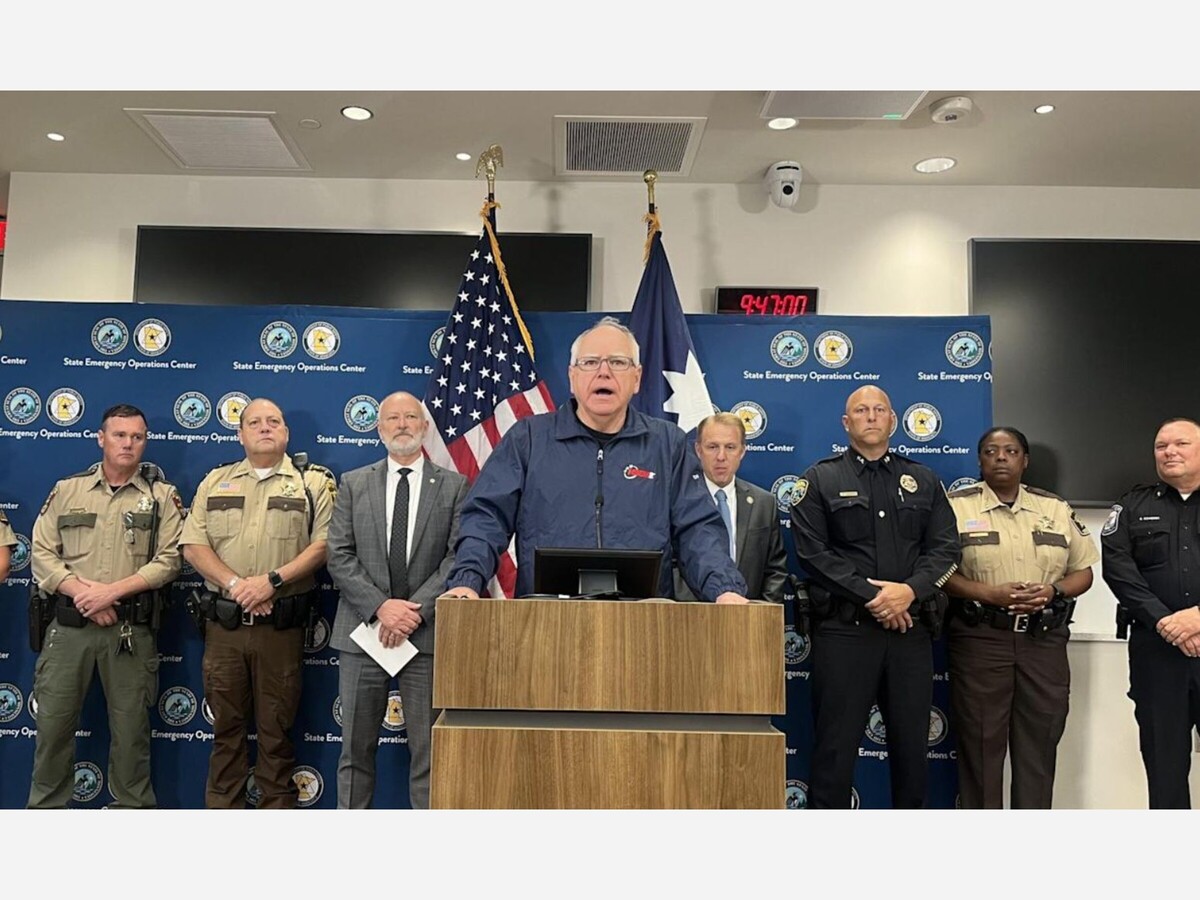



In mid-January 2026, Tim Walz made a consequential but carefully calibrated decision: he ordered the mobilization of the Minnesota National Guard, not as an occupying force on city streets, but as a precautionary measure to support public safety amid escalating tensions in the Twin Cities.
The move came as Minnesota found itself at the center of a widening confrontation between state and local leaders and the federal government, following a fatal shooting involving federal immigration agents and the rapid expansion of federal enforcement activity in Minneapolis and St. Paul.
The immediate trigger for the mobilization was the killing of Renee Nicole Good, a 37-year-old woman who was shot and killed on January 7, 2026, during a federal immigration enforcement operation in South Minneapolis.
According to federal officials, the incident unfolded when agents from Immigration and Customs Enforcement reported that their vehicle became immobilized in snow during an enforcement action. Authorities alleged that Good used her vehicle in a manner they characterized as an attack. She was fatally shot at the scene.
The explanation did little to stem public outrage. Within hours, protests erupted across Minneapolis and St. Paul, fueled by demands for transparency, accountability, and an immediate halt to federal immigration operations in Minnesota. Local officials joined those calls, arguing that the federal response risked inflaming an already volatile situation.
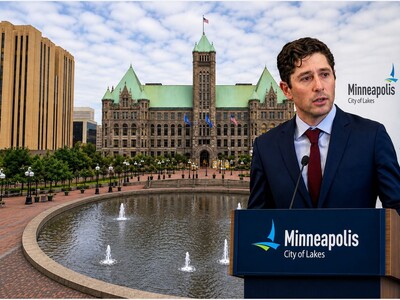
Minneapolis Mayor Jacob Frey publicly criticized the scale and tactics of the federal presence, describing it as destabilizing and counterproductive to public safety.
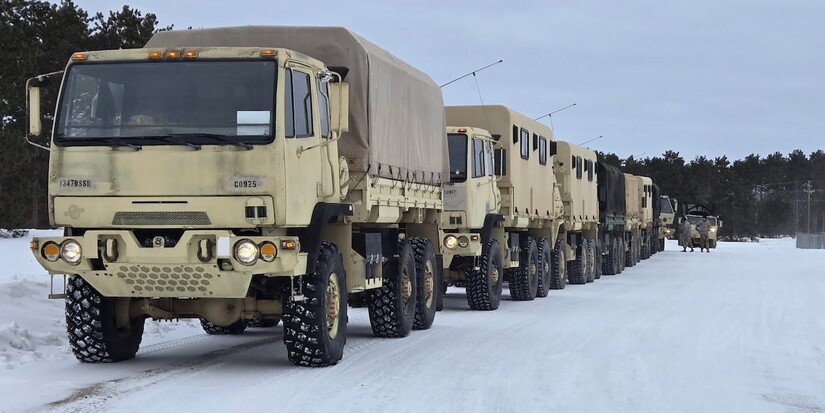
Governor Walz responded first with a warning order, followed days later by full mobilization of the Minnesota National Guard. State officials were careful to emphasize what the order did—and did not—mean.
As of January 18–19, 2026:
According to the Minnesota Department of Public Safety, the Guard’s potential mission scope includes traffic control, protection of critical infrastructure and property, and safeguarding the right to peaceful assembly. State Patrol and local police departments remain the primary agencies conducting on-the-ground operations.
In a notable effort to avoid confusion or escalation, Guard leadership announced that if troops are deployed publicly, they will wear bright yellow reflective vests over their uniforms, clearly distinguishing them from federal agents and other law enforcement entities.
The Guard mobilization unfolded against a backdrop of unusually sharp tension between Minnesota officials and the White House.
Mayor Frey described the influx of roughly 3,000 federal officers into Minneapolis as resembling an “occupying force,” a phrase that quickly entered the national political conversation. Federal officials, meanwhile, defended their actions as necessary to enforce immigration law and maintain order.
President Donald Trump escalated the rhetoric further, publicly threatening to invoke the Insurrection Act of 1807, a rarely used federal statute that would allow the president to deploy active-duty military or assume control of a state’s National Guard without the governor’s consent.
Soon after, the Pentagon confirmed that approximately 1,500 active-duty soldiers from the Alaska-based 11th Airborne Division had been placed on “prepare-to-deploy” status for possible missions connected to unrest in Minnesota. Those troops remain outside the state and have not been activated for domestic operations.
Governor Walz has consistently framed the Guard mobilization as a defensive measure—designed to protect Minnesotans from violence while preventing unnecessary militarization.
“We have every reason to believe that peace will hold,” Walz said in a public statement, adding that the Guard “remains ready to help keep the peace if needed.” He has also urged the president to “turn the temperature down,” warning that threats of federal military intervention risk provoking further unrest rather than restoring calm.
The standoff has also moved into the courts. In mid-January, a federal judge issued a preliminary injunction placing limits on how federal agents may respond to protesters. Homeland Security officials dismissed the ruling as overreach, signaling potential continued conflict between branches and levels of government.
As of January 19, 2026, Minnesota’s public safety posture remains defined by restraint paired with readiness:
For now, the Guard’s presence is largely invisible to the public—but its mobilization serves as a clear signal. Minnesota’s leadership is preparing for multiple contingencies, seeking to preserve public safety and civil order while resisting what state officials view as an unnecessary and dangerous escalation by federal authorities.
Whether that balance holds may determine not only how this moment ends, but how power is tested between state and federal governments in a deeply divided national landscape.


Sunny, with a high of 59 and low of 42 degrees. Partly Cloudy in the morning, overcast for the afternoon, clear overnight.