Image
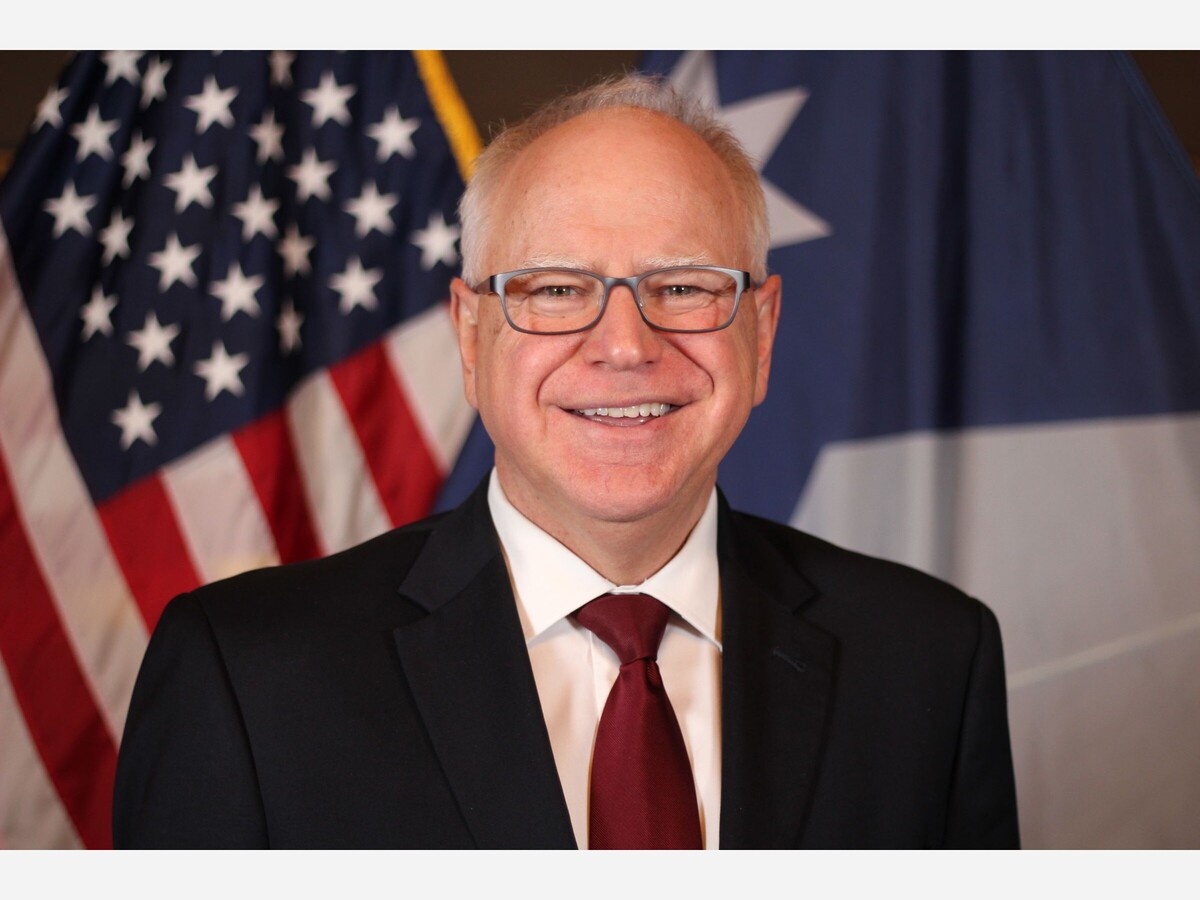



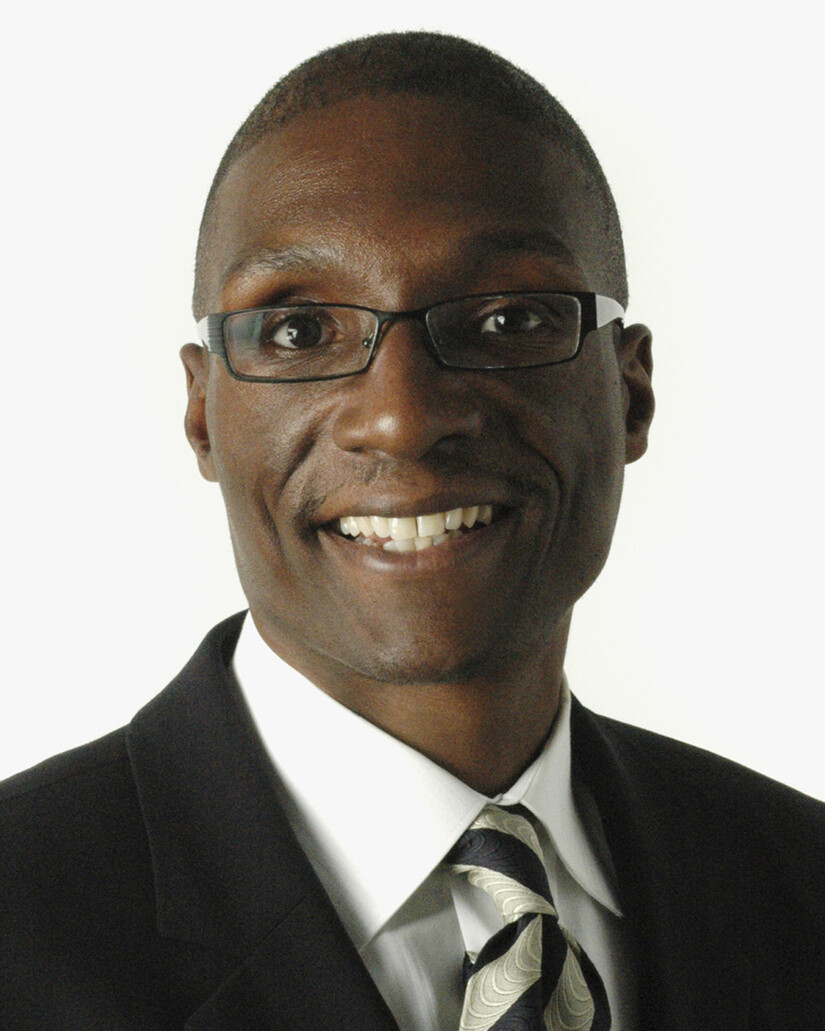
“I will not vote for and will actively rally support against any bill that includes an end to direct appropriations,” he said in a public statement. “Direct appropriations have not led to the fraud that our state government is confronting.”
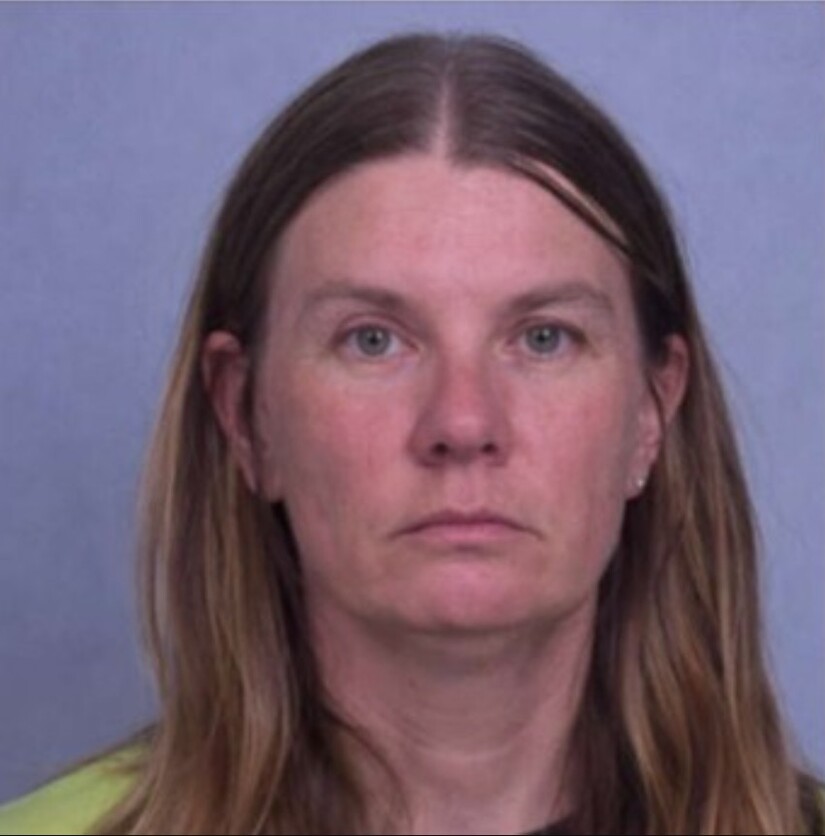
The policy rupture traces back to the federal investigation into Feeding Our Future, a nonprofit accused of orchestrating what prosecutors described as one of the largest pandemic relief fraud schemes in the country. According to federal charging documents, approximately $250 million in child nutrition funds were allegedly diverted from their intended purpose.
Subsequent reviews, including findings from the Minnesota Office of the Legislative Auditor, concluded that the Minnesota Department of Education’s oversight of the federally funded program had been inadequate in critical respects. The scandal intensified bipartisan calls for structural reform of how Minnesota distributes and monitors public funds.
Governor Walz responded with a multi-pronged anti-fraud package designed to tighten pre-award vetting, strengthen monitoring requirements, and increase enforcement capacity. A defining provision sought to eliminate direct appropriations to nonprofits and move all such funding into competitive grant processes administered by state agencies.
At the heart of the debate is a technical but consequential distinction.
Under a competitive grant model, a state agency issues a formal Request for Proposals. Nonprofits apply. Agency staff evaluate submissions using standardized criteria before awarding funds.
Under a direct appropriation, also known as a legislative named grant, lawmakers write the name of a specific organization and a dollar amount directly into statute. The funds are allocated without a competitive RFP process.
Walz’s administration framed the proposed shift as a move toward uniformity and risk mitigation. Requiring all recipients to pass through agency-level vetting, the governor argued, would create standardized pre-award screening, reduce perceived favoritism, and ensure that financial experts, rather than legislators, evaluate fiscal capacity.
Champion does not dispute the need for stronger oversight. His objection centers on the diagnosis.
“The Governor’s actions appear to blame direct appropriations for the fraud facing our state,” he said. “I stand ready, willing and able to continue tackling the challenges related to fraud. However, I am not willing to blame avenues used to invest in communities across our state.”
For Champion, who represents North Minneapolis, the issue is historical as much as procedural. He and members of the People of Color and Indigenous Caucus argue that small, community-based organizations often lack the professional grant-writing infrastructure necessary to compete successfully against large, established institutions in complex state bidding processes.
Direct appropriations, they contend, allow lawmakers to direct resources intentionally to neighborhoods that traditional bureaucratic pipelines have underserviced.
Champion’s core assertion is that the method of allocation was not the root cause of the Feeding Our Future scandal. The failure, he argues, lay in post-award monitoring, documentation review, and agency enforcement mechanisms.
The standoff underscores a deeper tension between Minnesota’s executive and legislative branches.
The governor seeks greater standardization and centralized oversight authority within state agencies. The Legislature, constitutionally vested with the power of appropriation, has historically used named grants to respond to urgent local needs.
The debate has exposed not only policy differences but institutional ones: who should determine risk, and who should control the final destination of public dollars?
As negotiations progressed, the broader anti-fraud package advanced with enhanced reporting requirements, strengthened whistleblower protections, and increased resources for oversight entities including the Office of the Legislative Auditor. But the wholesale elimination of direct appropriations encountered significant resistance, particularly from lawmakers who viewed the proposal as a structural shift that could diminish targeted community investment.
What began as a technical response to a fraud crisis has become a referendum on trust. Trust in agencies to screen recipients. Trust in legislators to allocate responsibly. Trust in nonprofits to steward public funds. Trust, above all, in a system attempting to repair itself without dismantling the tools some communities rely upon.
The outcome of the debate will shape more than Minnesota’s grantmaking architecture. It will define how the state balances accountability with equity, and whether reform can proceed without eroding the mechanisms lawmakers have long used to direct public investment into neighborhoods that say they cannot afford to wait for bureaucracy to catch up.
In the weeks ahead, committee hearings will examine audit data, oversight failures, and fiscal safeguards. But the larger question will linger: can Minnesota fortify its defenses against fraud while preserving the Legislature’s discretion to invest directly in communities it believes have been left behind?
For Senator Champion, that balance is nonnegotiable.



Patchy rain nearby, with a high of 85 and low of 48 degrees. Sunny in the morning, patchy light rain in area with thunder for the afternoon and evening, clear overnight.