66° and Cloudy
Image



This week, that question met a political wall.
A bill designed to tighten regulations on Automated License Plate Readers, or ALPRs, stalled in the Minnesota House Judiciary Finance and Civil Law Committee after a 7–7 party-line vote, halting one of the most consequential surveillance reform efforts of the 2026 legislative session.
The legislation, led by Representative Brad Tabke of Shakopee, was not an attempt to dismantle a policing tool. It was, in his framing, an effort to redraw the boundaries of its use in a digital age where data can outlive the moment it was captured.
Instead, the bill has become a case study in legislative gridlock, technological unease, and the widening gap between public safety priorities and civil liberties concerns.
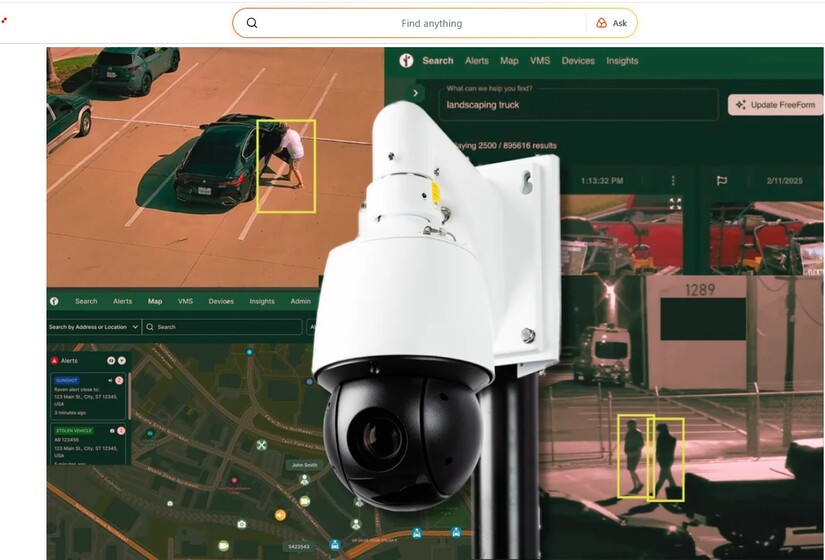
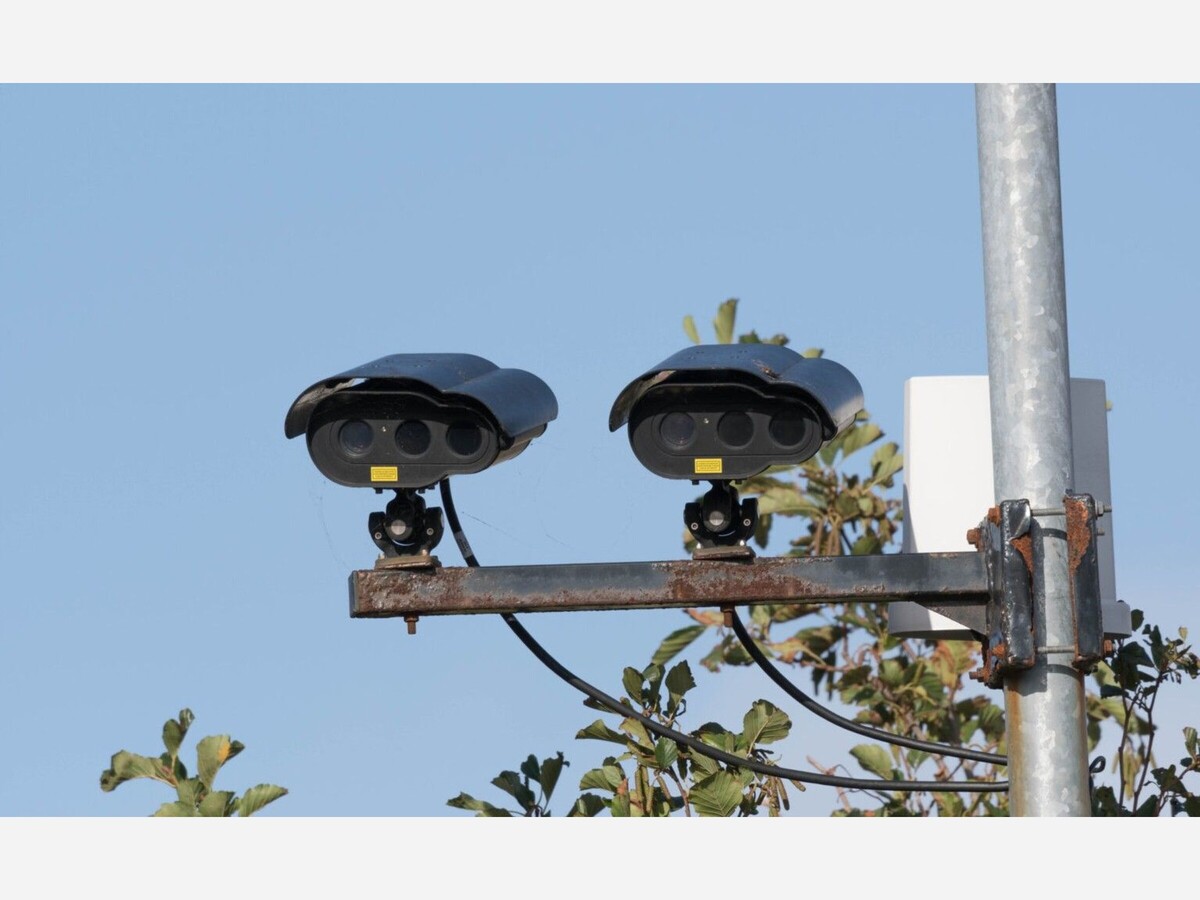
Automated license plate readers have become a routine, often invisible presence across Minnesota. Mounted on squad cars or fixed to infrastructure, the cameras scan thousands of vehicles per hour, converting license plates into searchable data points.
For law enforcement, the systems have proven effective. They help locate stolen vehicles, identify suspects, and reconstruct movements tied to criminal investigations.
Under current Minnesota law, ALPR data not connected to an active case must be deleted within 60 days. Access and sharing are restricted to law enforcement purposes, governed under Minnesota Statute 13.824.
But as the technology has expanded in scale and sophistication, so too have concerns about its reach.
Civil liberties advocates argue that even within existing law, the systems can function as a form of passive mass surveillance, capturing the movements of ordinary residents with no connection to wrongdoing.
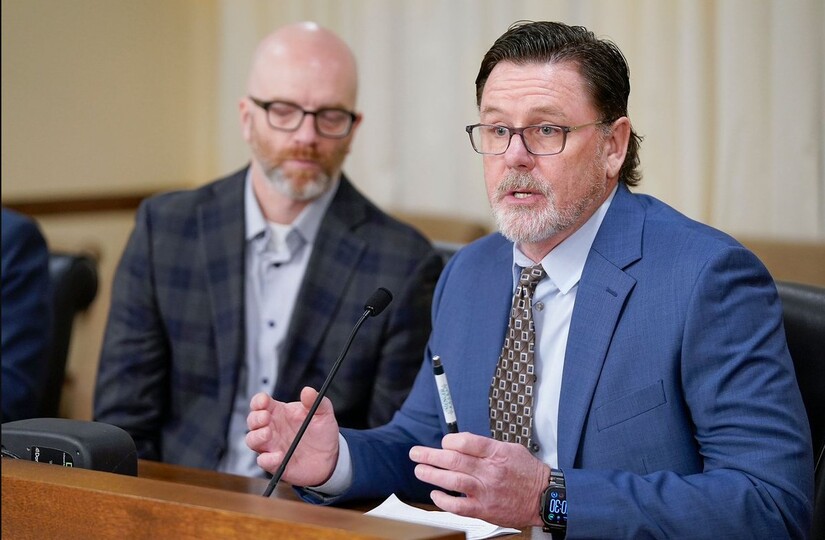
Representative Tabke’s legislative effort, introduced through bills such as HF 4205 and HF 3856, sought to impose sharper limits and stronger oversight on how that data is collected, stored, and shared.
At its core, the proposal aimed to fundamentally reshape Minnesota’s approach to vehicle location data.
Among its most significant provisions:
Shortened Data Retention
The bill would have reduced the retention window for non-investigative data from 60 days to just 48 hours, dramatically limiting how long records of vehicle movement could be stored.
Centralized Oversight
It proposed designating the Minnesota Bureau of Criminal Apprehension as the central repository for ALPR data, creating a more uniform system of accountability and monitoring.
Strict Access and Sharing Controls
The legislation would have prohibited the sharing of ALPR data outside Minnesota, including with federal agencies or interstate networks, unless supported by a specific judicial warrant or court order.
Audit and Transparency Requirements
Law enforcement agencies would have been required to maintain detailed logs documenting every instance of data access, use, or sharing, opening the door to stronger public accountability.
Private Sector Limits
Recognizing the growing role of private surveillance networks, the bill also sought to regulate non-governmental ALPR use by requiring clear public signage and restricting the sale of collected data without consent.
For supporters, these measures were not radical. They were overdue.
The bill’s failure was not solely about policy. It was about math.
Minnesota’s House of Representatives is currently divided evenly, 67–67, following the 2024 elections. A power-sharing agreement has resulted in evenly split committees, where bipartisan agreement is required to advance legislation.
In that environment, a tie vote is not neutral. It is fatal.
The 7–7 outcome in committee ensured the bill would not move forward, at least not in its current form.
The stalemate underscores a defining feature of the 2026 session: even proposals with significant public interest can collapse without a single crossover vote.
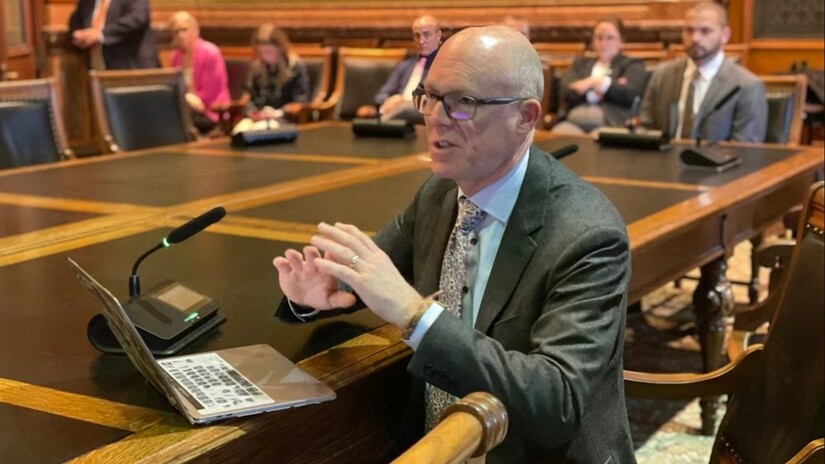
Opposition to the bill was led in part by Jeff Potts, executive director of the Minnesota Chiefs of Police Association, who argued that the legislation, while well-intentioned, imposed practical burdens that many departments could not absorb.
Among the concerns raised:
Unfunded Mandates
The requirement for detailed audit trails and reporting systems would, according to police leaders, create significant administrative costs, particularly for smaller departments operating with limited staff and budgets.
Investigative Limitations
A 48-hour data retention window, critics argued, would sharply reduce the usefulness of ALPR systems. Many crimes are reported days or weeks after they occur, at which point historical data becomes critical.
Regional and Federal Coordination
Restrictions on sharing data beyond Minnesota raised concerns about isolating local agencies from broader investigative networks. Law enforcement officials pointed to joint task forces targeting human trafficking, organized crime, and interstate theft rings as examples where cross-jurisdictional data access is essential.
To law enforcement, the bill risked weakening a tool that has become integral to modern policing.
Supporters of the legislation, including organizations such as the ACLU of Minnesota and Indivisible Twin Cities, see the issue through a different lens.
They argue that current practices allow for the quiet accumulation of vast amounts of location data on individuals who are not suspected of any crime.
In some jurisdictions, ALPR systems generate hundreds of thousands of database queries each month, creating what advocates describe as a detailed map of people’s daily lives, where they work, where they worship, and where they return at night.
Without tighter safeguards, they warn, the technology risks normalizing a form of surveillance that operates without warrants, without individualized suspicion, and largely without public awareness.
For these groups, the proposed 48-hour retention limit was not an inconvenience to law enforcement. It was a necessary boundary.
With the bill failing to advance out of committee, it is effectively stalled for the current session.
There remains a narrow path forward. Provisions could be reintroduced as part of a larger omnibus bill, or revived through procedural maneuvers later in the session.
Representative Tabke has indicated a willingness to continue negotiations, signaling that a compromise, one that addresses both privacy concerns and the operational realities of policing, may still be possible.
But for now, Minnesota remains where it was before the debate began.
A state where the technology continues to operate.
Where the data continues to be collected.
And where the question of who controls that data remains unresolved.
What unfolded in that 7–7 vote was more than a procedural outcome. It was a reflection of a deeper tension that states across the country are now confronting.
Public safety tools are becoming more powerful.
Data is becoming more permanent.
And the line between investigation and surveillance is becoming harder to define.
Minnesota’s stalled bill does not resolve that tension.
It simply leaves it waiting for the next vote.
MinneapoliMedia
Community. Culture. Civic Life.


Sunny, with a high of 71 and low of 48 degrees. Overcast in the morning, sunny for the afternoon, clear during the evening, overcast overnight.