Image
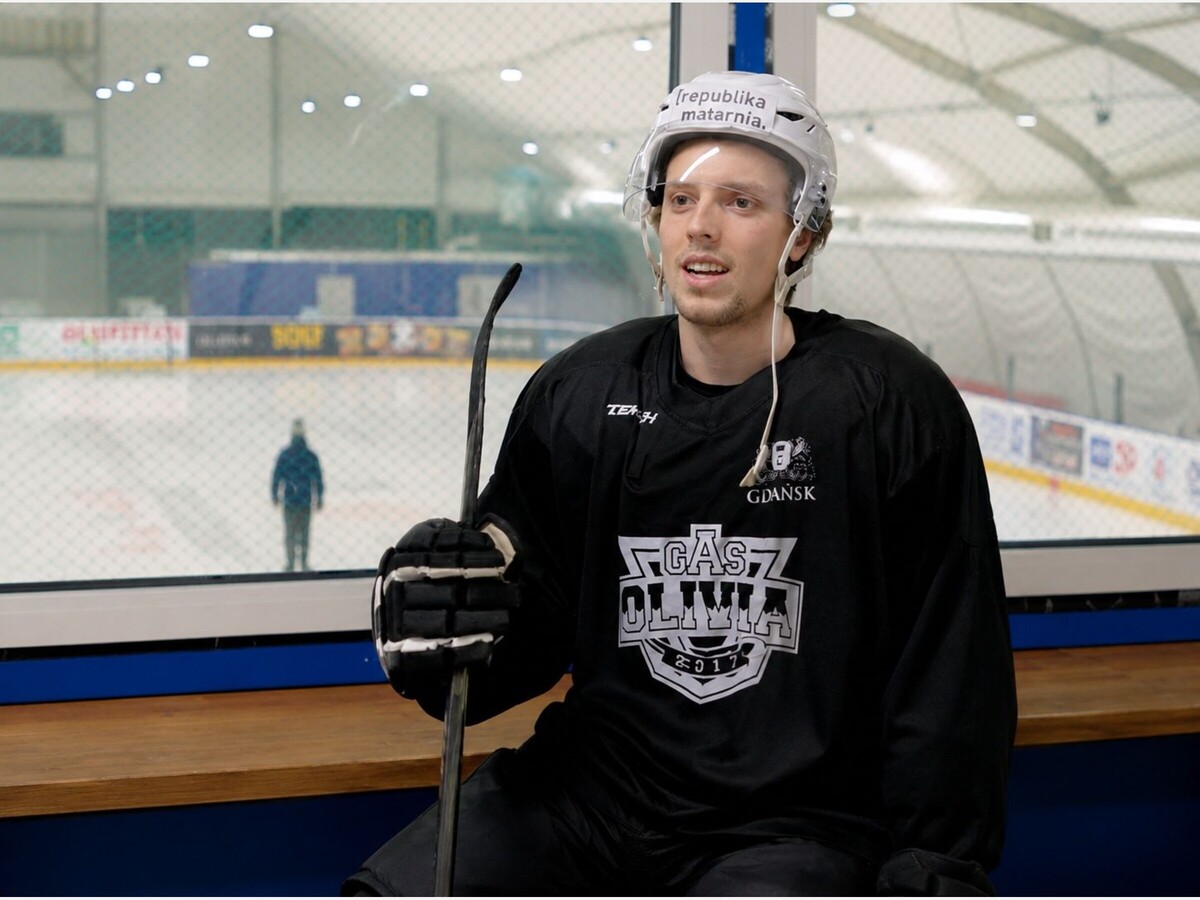



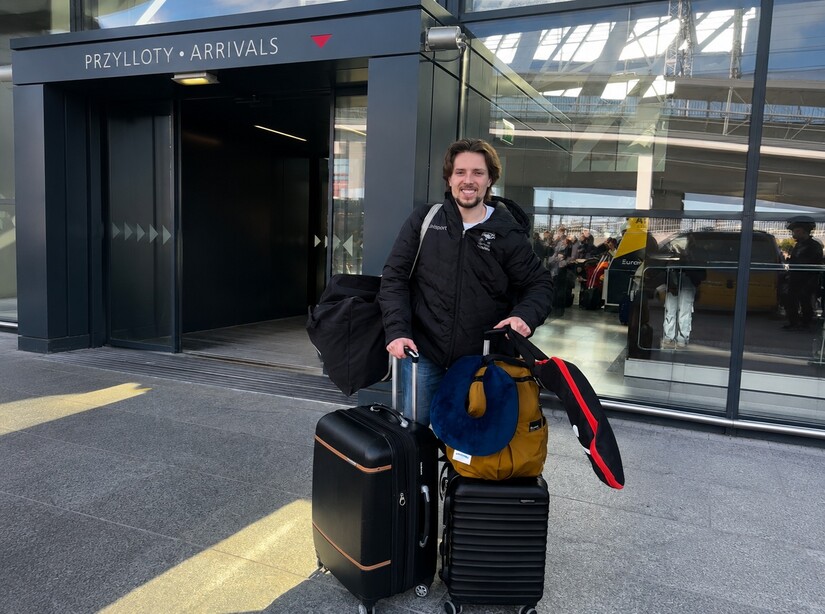
When Jackson Fuller boarded a flight from the United States to Poland, the former University of Minnesota Crookston hockey standout understood that he was stepping into unfamiliar territory. He knew European hockey would demand adjustments. He expected cultural differences, language barriers, and the uncertainty that accompanies any athlete leaving home to pursue a professional opportunity overseas. What he did not yet fully understand was how profoundly the experience would reshape his understanding of discipline, identity, sacrifice, belonging, and ambition.
Months later, after completing his first professional season with Fudeko GAS Gdańsk in Poland’s 1. Liga MHL, Fuller returned to Minnesota carrying far more than hockey memories. He returned with a changed perspective on the world around him, on the meaning of home, and on the realities faced by people forced to adapt to unfamiliar environments far from the comfort of everything they know.
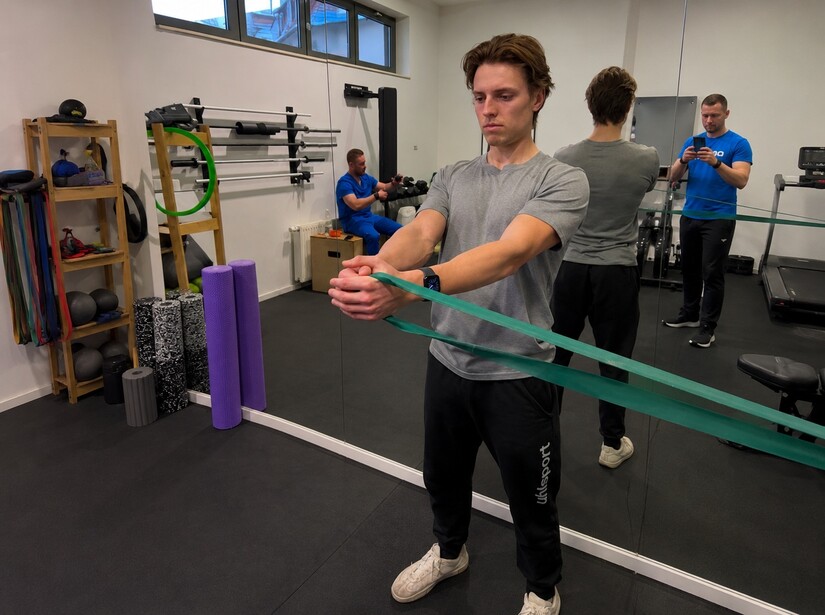
The season tested him physically through injuries, emotionally through distance from family and friends, and mentally through the challenge of adapting to a new culture while simultaneously balancing the demanding process of applying to medical school. What initially appeared to be a straightforward professional hockey opportunity gradually evolved into a broader personal education shaped by emotional resilience, cultural adjustment, and the discipline required to rebuild daily life inside an unfamiliar environment.
During an extended post-season conversation with MinneapoliMedia following his return to the United States, Fuller reflected in detail on the realities of professional hockey overseas, the emotional strain of isolation, the intensity of competing in Poland, the pressure surrounding promotion races, the relationships formed inside the locker room, and the difficult decisions now facing him as he weighs a future in medicine against additional opportunities to continue his hockey career internationally.
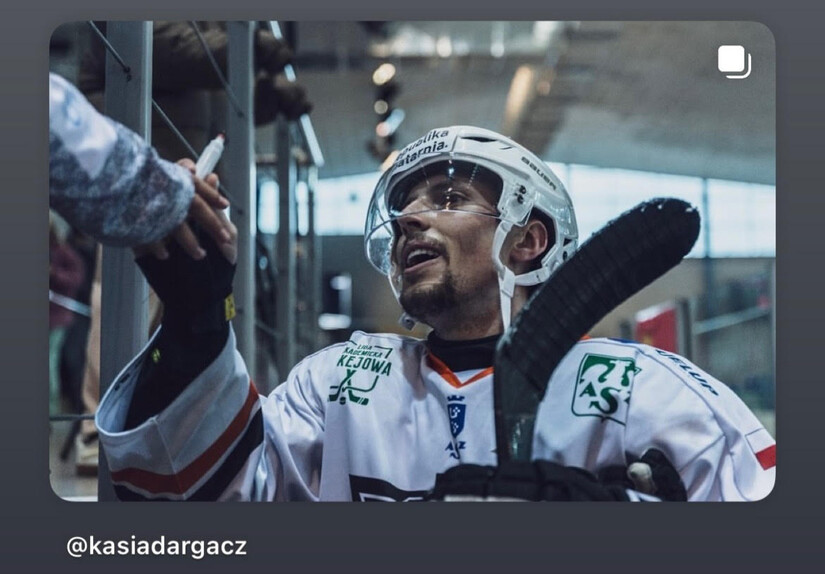
The conversation revealed something equally significant. During his time in Poland, Fuller gradually realized he represented much more than himself. Inside arenas throughout the country, he became known as the American player from Minnesota, a state internationally associated with elite hockey culture and development. That identity carried meaning every time he stepped onto the ice.
“Absolutely,” Fuller said when asked whether he felt he was representing Minnesota and the United States overseas. “I was very proud to tell people I was from Minnesota, the State of Hockey. I would show teammates and people pictures of all the outdoor rinks we have back home. They loved it.
“If I was ever tired physically during a game or mentally exhausted, I wanted to do it for myself and my teammates in Gdańsk, but I also wanted to do it because you are representing more than yourself there. You are the American Minnesotan guy. I felt like I was wearing the state flag and the American flag on my back.”
That understanding became one of the defining themes of his season.
At the beginning, however, the experience was far from comfortable.
When Fuller first arrived in Gdańsk, the transition proved more difficult than he initially expected. While many people in Poland spoke conversational English, daily life still demanded constant adjustment. Grocery stores, restaurants, transportation systems, locker room communication, and ordinary social interactions all required patience and adaptation.
The cultural contrast with Minnesota was immediately noticeable.
In the United States, Fuller was accustomed to spontaneous conversation, familiar routines, and an established support network built over years through school, athletics, and community involvement. In Poland, much of that disappeared overnight. He was suddenly living in a country where social customs differed significantly from what he knew at home.
“People do not really talk in public the same way they do in America,” Fuller explained. “If you are on the train or in a store, people usually keep to themselves. It is considered rude to interrupt somebody’s peace. You do not really speak unless there is a reason to.”
The adjustment became emotionally challenging during the early months of the season. Because Poland operates several hours ahead of Minnesota time, Fuller often found himself awake while friends and family back home were asleep.
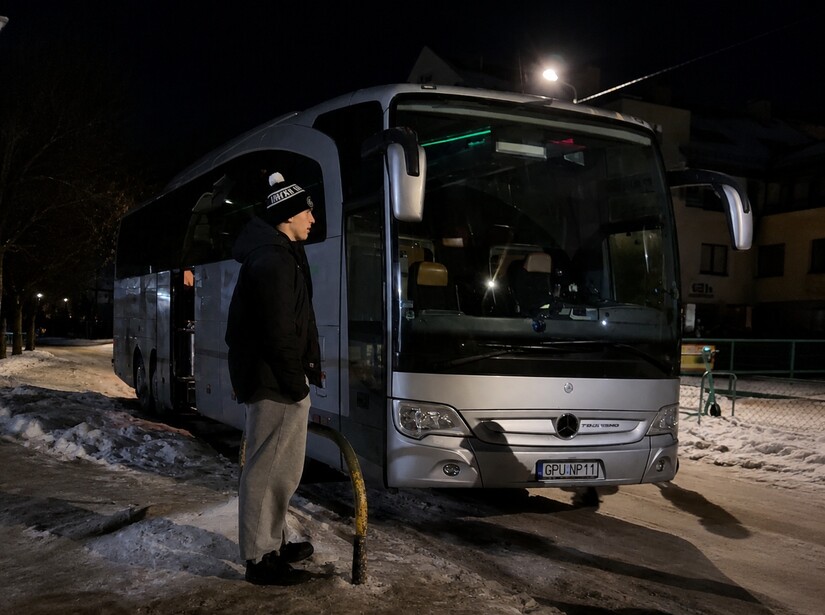
“There were definitely long days and long nights,” he said. “Sometimes I would want to call somebody or have a real conversation, and then you realize it is four in the morning back home.
“I missed those deeper conversations. Most of the people around me spoke workable English, but not necessarily the kind of long conversations I was used to having with people back home.”
At first, Fuller admitted he often coped by isolating himself. He would spend long periods in his apartment messaging friends, scrolling through photos from home, or trying to maintain familiar routines from thousands of miles away.
Eventually, he realized isolation would only make the transition harder.
Instead of withdrawing, he decided to immerse himself more fully into the culture around him. One of the most important ways he did that was by actively learning Polish.
Rather than relying entirely on English, Fuller intentionally began studying the language. He practiced phrases daily, worked with a language instructor, and made a conscious effort to communicate with local residents.
“I was probably the best Polish speaker out of all the imports on the team,” Fuller said with a laugh. “At least according to the Polish guys.
“They appreciated that I actually cared enough to try. They told me a lot of North Americans come over and never really make the effort.”
The decision gradually changed the way people responded to him. Small interactions became easier. Store employees began recognizing him. Neighbors greeted him. Conversations expanded beyond simple transactional exchanges.
One of the more meaningful moments came during a train ride from Kraków back to Gdańsk, when Fuller struck up a conversation that eventually connected him with a Polish language instructor. The lessons became more than academic. They became part of his emotional adjustment process.
“Learning the language helped me cope with the loneliness,” Fuller explained. "I realized I had to make do with what I had around me instead of wishing I was back home in the tough moments".
As the months passed, relationships inside the locker room deepened as well. What initially felt formal and reserved slowly transformed into something more personal.
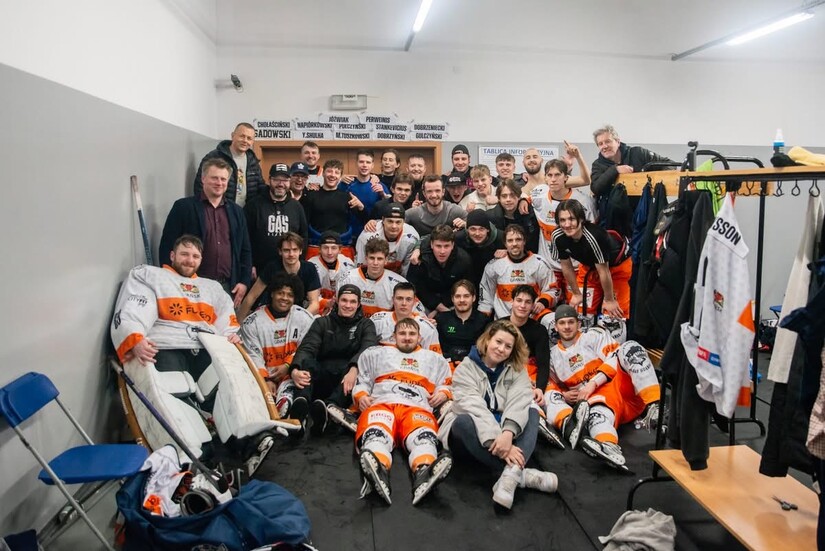
When MinneapoliMedia first spoke with Fuller early in the season, he described the atmosphere inside the locker room as more structured and less openly expressive than what he was used to in the United States. By the end of the season, however, the environment had become much more familiar and comfortable.
“We started spending more time together outside hockey,” Fuller said. “We would go snowboarding, play darts, go out to eat, and just hang out away from the rink.
“That changed everything. Once you build those relationships outside hockey, the locker room becomes different.”
The growth extended beyond teammates.
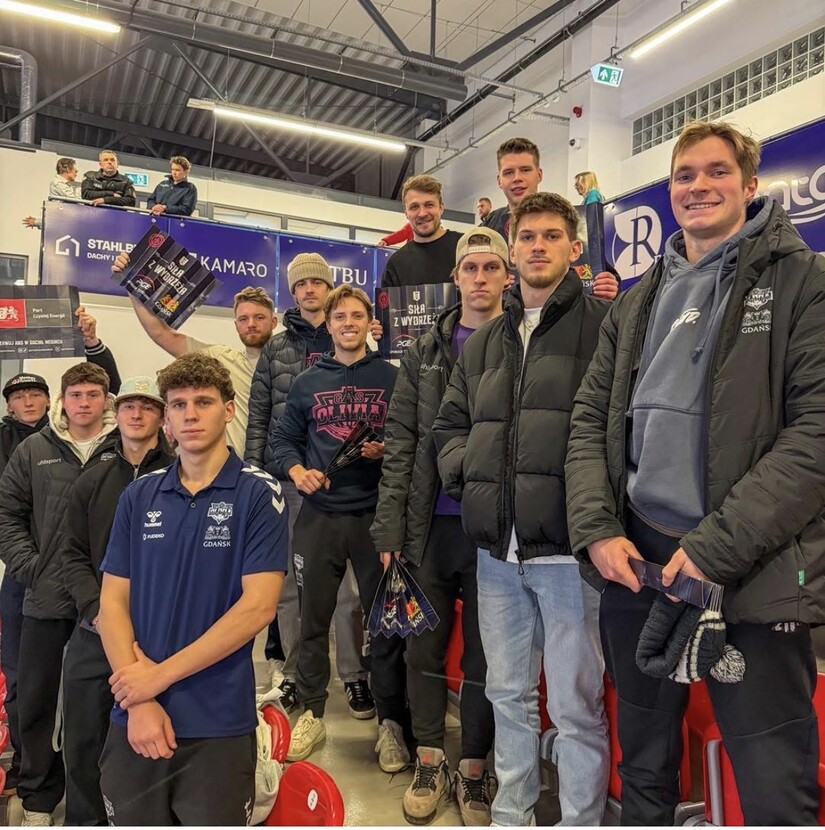
By the end of the season, Fuller had developed meaningful relationships throughout the broader community in Gdańsk. One particularly emotional moment occurred during the team’s final home playoff game.
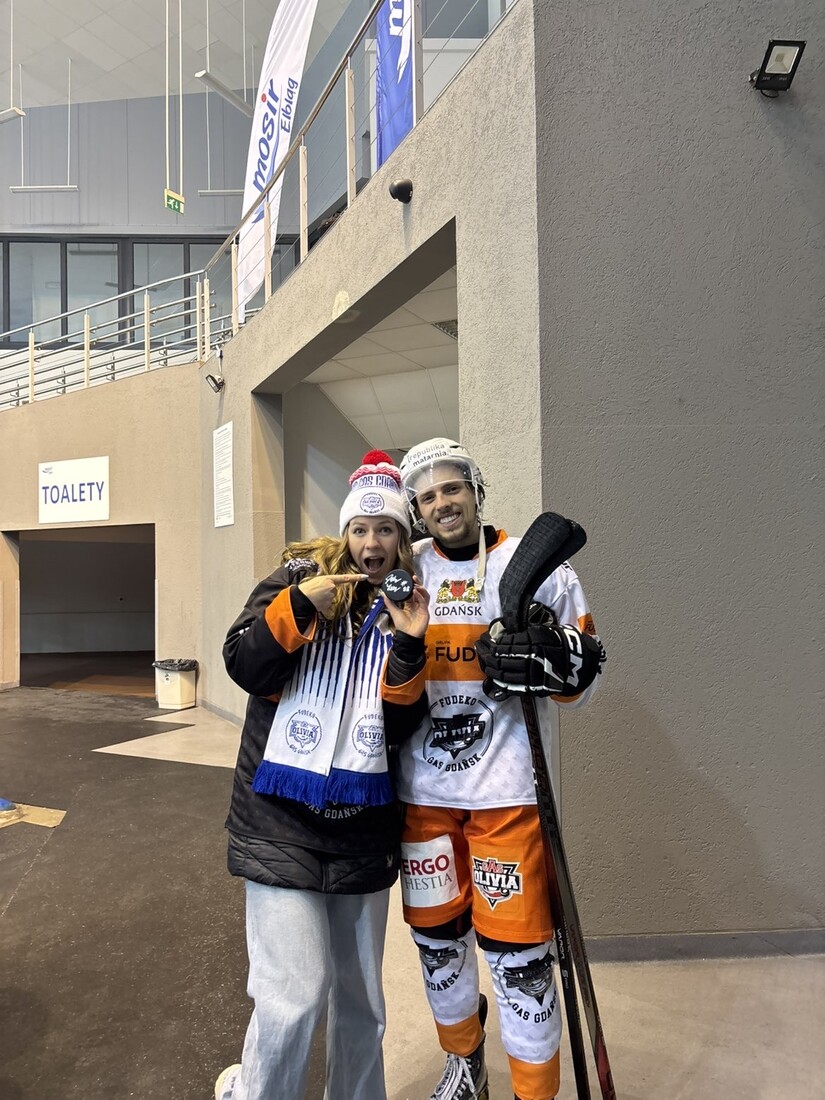
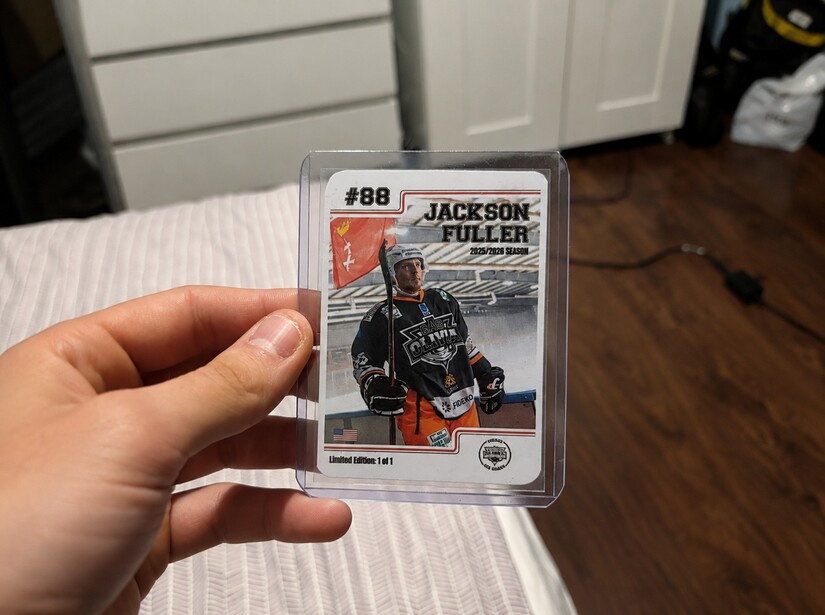
A local fan named Martyna approached Fuller carrying a gift. She had previously purchased one of his signed pucks during a team event and wanted to present him with something in return. The gift was a professionally designed playing card featuring one of Fuller’s action photos from the season. On the back, she wrote a message thanking him for his contributions and telling him that Gdańsk would always be his home.
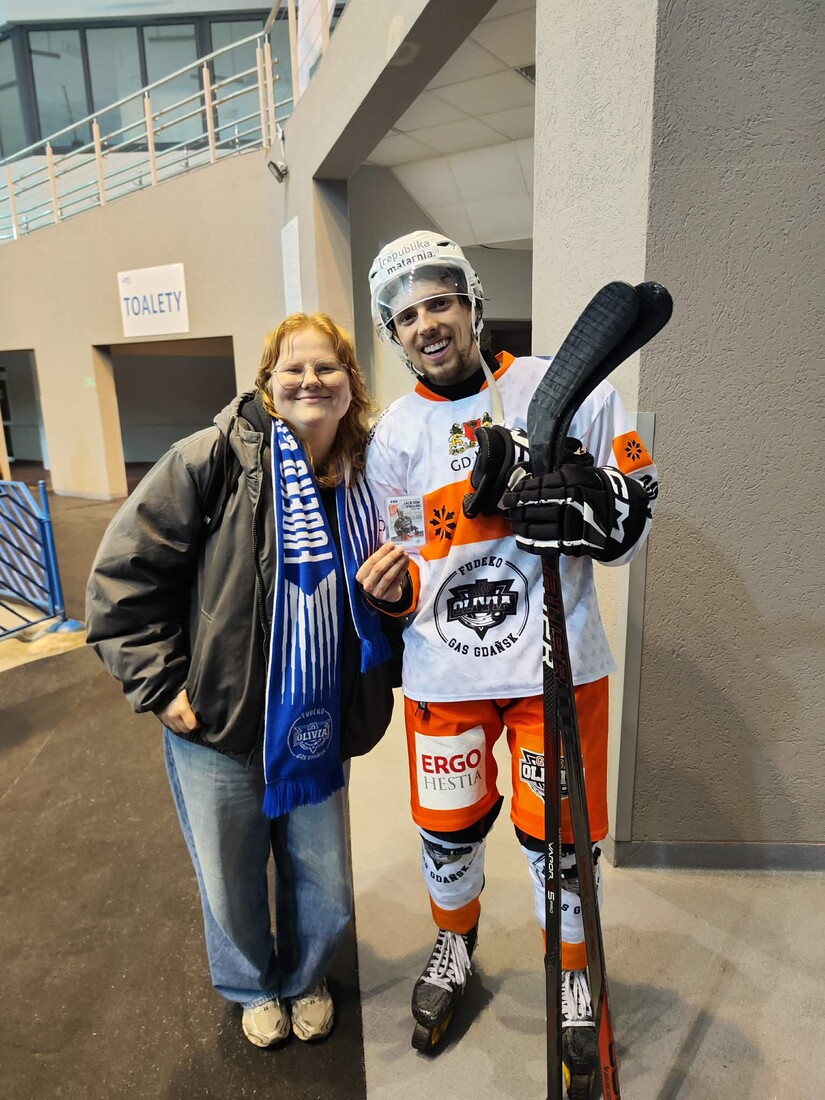
The moment left a lasting impact.
“It honestly brought a tear to my eye,” Fuller admitted. “That was one of those moments where you realize you actually made an impact on people there.
“You wonder throughout the year if you did enough or if you gave enough, and then something like that happens and it really hits you.”
For Fuller, the season ultimately became about much more than hockey itself. Living overseas fundamentally changed the way he viewed immigrants, cultural adaptation, and social belonging.
Before traveling to Poland, Fuller already considered himself culturally aware because of his experiences interacting with international students during his time at the University of Minnesota Crookston. However, becoming the outsider himself gave him an entirely different understanding.
“It deepened my empathy for immigrants tremendously,” Fuller said. “I respected international students before because I knew they were making sacrifices to come to America. But after living overseas myself, I understand it on a completely different level now.
“It is hard. It takes time. You have to rebuild your entire life and routine from the ground up.”
The hockey itself required significant adjustment as well.
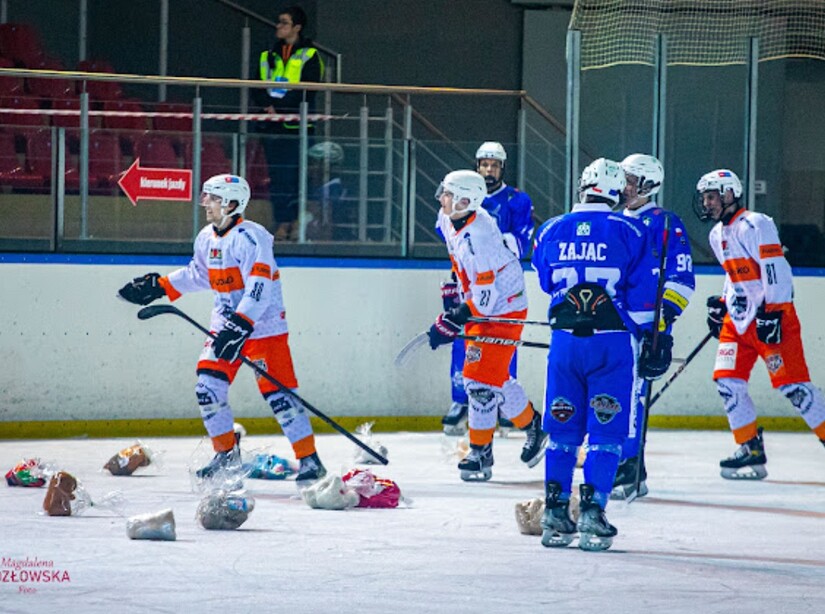
Poland’s style of play differed noticeably from the North American systems Fuller developed throughout his career. The larger ice surface changed spacing, timing, and positioning. The tactical systems emphasized different responsibilities. The physical demands remained intense despite common assumptions about European hockey.
“The effort level was extremely high,” Fuller said. “You are not getting around anybody for free over there. Even fourth-line players are competing hard every shift.”
Early in the season, Fuller struggled at times to fully settle into the team’s systems. Instinctive habits built over years of North American hockey occasionally conflicted with the structure expected by his coaches in Poland.
The challenge became even more complicated after Fuller suffered an AC joint injury late in the season, forcing him to miss several games.
Rather than discouraging him, however, the recovery period became an important turning point.
During rehabilitation, Fuller spent significant time studying game film and mentally preparing himself for the playoff stretch. When he returned to the lineup, he quickly found offensive momentum.
“I really started finding my footing,” Fuller said. “It felt good to come back and start producing consistently.”
The timing proved critical because pressure surrounding the organization intensified significantly as the season progressed.
Fudeko GAS Gdańsk emerged as a legitimate contender for promotion to Poland’s top professional hockey level, the Ekstraliga. Inside the organization, expectations rose accordingly.
“There was definitely pressure,” Fuller acknowledged. “Our president came into the locker room before playoffs and talked about financial bonuses if we advanced. Practices became more intense. Coaches pushed us harder. Everybody understood what was at stake.”
The atmosphere surrounding playoff hockey in Poland surprised Fuller.
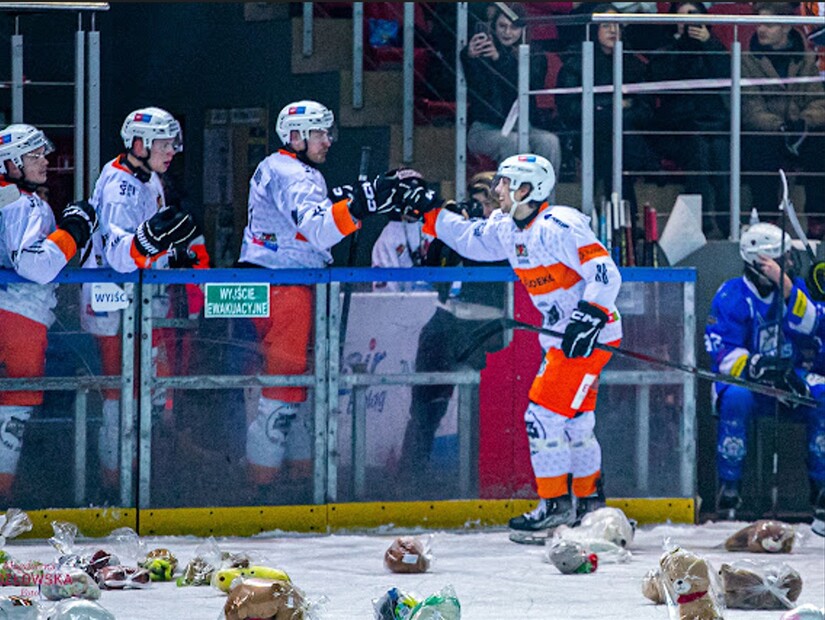
Crowds grew larger. Ticket demand increased. Social media promotion intensified. Fans became more emotionally invested. Home playoff games developed into highly charged environments.
One of the most memorable stretches of the season came during the rivalry series against fellow Gdańsk club Stoczniowiec Gdańsk.
The rivalry carried decades of local history. Although Fudeko GAS Gdańsk remained a relatively young organization, the emotional intensity surrounding the matchup was unmistakable.
“We beat them all four times that season,” Fuller said. “So they definitely were not very happy with us.”
One rivalry weekend in particular stood out.
The arena atmosphere became one of the most intense Fuller experienced all season. The organization hosted pregame festivities involving youth hockey teams and holiday-themed events. Crowds packed the building.
“You could feel the atmosphere building days before the game,” Fuller recalled. “The team social media pages were posting updates about ticket sales all week.
“You knew it was going to be something special.”
The games themselves reflected the intensity.
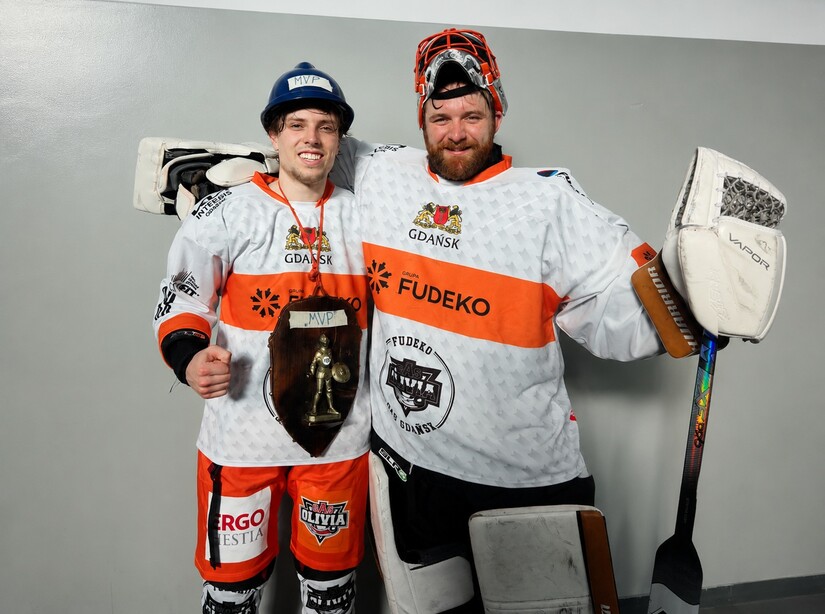
Although Fudeko GAS Gdańsk eventually won comfortably, Fuller emphasized that the league’s competitiveness was often underestimated.
“Even teams lower in the standings could absolutely beat you if you were not ready,” he said. “The scores might look one-sided afterward, but the games themselves were competitive.”
The experience broadened Fuller’s respect for European hockey.
“The best players there did not always fit the stereotype North Americans expect,” Fuller explained. “There were things players did over there that might get criticized in the United States but worked perfectly in that environment.
“It really opened my eyes to how many different ways hockey can be played.”
The season also exposed Fuller to the realities of professional hockey outside North America.
While fans often see highlights, goals, and celebrations online, daily life involved demanding travel schedules, physical exhaustion, long bus rides, and constant pressure to perform.
“There were days where we would get off a bus after traveling for hours and then play a game shortly afterward,” Fuller said. “It is definitely a grind.
“The glamorous parts look nice online, but there is a lot of hard work behind it.”
Despite the challenges, Fuller repeatedly emphasized how grateful he remained for the opportunity.
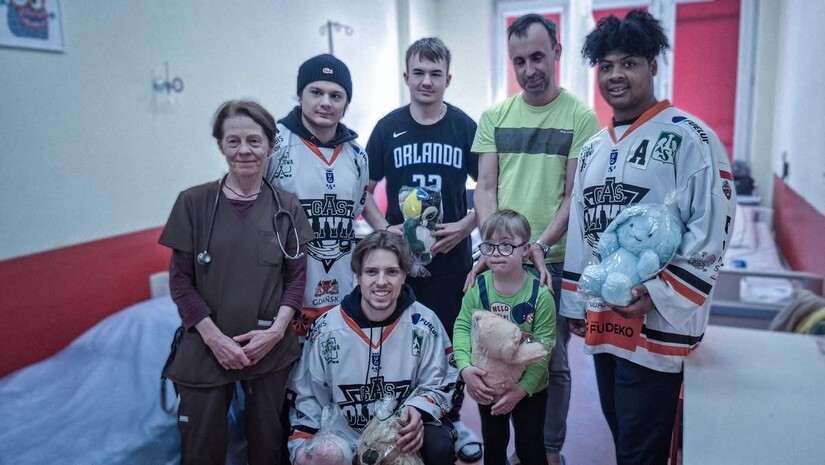
He loved Gdańsk. He appreciated the culture, the relationships, the challenge, and the growth the season forced him to experience.
At the same time, Fuller spent the entire season balancing professional hockey with medical school applications.
The dual responsibility required extraordinary discipline.
Between practices, games, workouts, recovery sessions, and travel, Fuller somehow managed to complete medical school applications, essays, interviews, and academic requirements.
“There were nights where the apartment Wi-Fi would stop working,” Fuller recalled. “I would walk several minutes to another building lobby at three-thirty in the morning just to find a connection and submit applications.”
The effort produced results.
Fuller received acceptance offers from multiple medical schools in the United States, creating perhaps the most difficult decision of his life.
Whether to begin medical school immediately.
Or continue pursuing professional hockey overseas.
One school even offered him the possibility of deferring enrollment for a year in recognition of the unique value of his international experiences.
“It is honestly the million-dollar question right now,” Fuller said. “Hockey is not going to last forever, but at the same time I feel like I am physically in the prime of my career.
“I want to give hockey everything I can.”
The uncertainty surrounding his future reflects the complexity of the season itself.
At the beginning, Poland represented an opportunity.
By the end, it had become part of his identity.
That transformation became especially clear after Fuller returned home.
One seemingly ordinary moment at the airport captured how deeply his habits had changed.
While waiting for luggage after landing in the United States, Fuller overheard nearby passengers speaking English. For a brief moment, hearing familiar American English felt unusual simply because he had spent so many months operating primarily inside another linguistic environment.
Then came another realization.
After noticing that one of his suitcase wheels had been damaged, Fuller instinctively reached for Google Translate before suddenly stopping himself.
He no longer needed it.
He was home.
“That was the moment where it really hit me,” Fuller said. “I realized I was back in my own country.”
Even weeks after returning, parts of the experience still feel surreal to him.
There are moments where the season almost feels distant, until a message arrives from Poland or he catches himself instinctively thinking in Polish phrases.
The experience remains deeply present.
For younger athletes watching his journey, Fuller believes the season demonstrates that meaningful opportunities do not always follow traditional paths.
“You are not going to regret taking the leap,” Fuller said. “It was not exactly what I imagined before I left, but that is part of what made it special.
“Some parts were harder than I expected. Some parts were even better than I imagined.”
His story ultimately extends far beyond hockey.
It became a story about leaving comfort behind.
About adapting under pressure.
About learning to belong inside an unfamiliar environment.
About carrying home with you while building connections somewhere else.
And about discovering how much growth can happen once a person moves beyond familiar boundaries.
As Fuller considers the next chapter of his life, uncertainty still remains.
He may return to Europe.
He may begin medical school.
He may continue trying to balance both worlds.
Whatever path he chooses, the season in Poland has already left a permanent mark.
The lessons, relationships, and perspective gained during the experience will remain long after the statistics fade.
For MinneapoliMedia, Fuller’s journey also reflects something larger about Minnesota’s athletic culture.
Minnesota athletes have long built reputations around resilience, discipline, and work ethic. Increasingly, however, athletes from the state are also carrying those values into international environments and becoming global representatives of the communities that shaped them.
Inside arenas throughout Poland, fans may initially have viewed Fuller simply as the American import from Minnesota. By the end of the season, many saw something much more personal.
A player who respected the culture.
A player who made the effort to learn the language.
A player who embraced the community.
A player who gave everything he had.
Long after goals and standings disappear, people remember sincerity, effort, and respect.
Jackson Fuller brought all three to Poland.
Now, standing between two futures and carrying experiences that changed him permanently, he returns home with a deeper understanding not only of hockey, but of himself.
Whether the next chapter unfolds inside a medical school classroom, another European hockey arena, or back on a soccer pitch in Minnesota reconnecting with friends, one thing is already certain.
His season in Poland became far more than a hockey story.
It became a story about courage, adaptation, and growth.
And it became a reminder that some of life’s most important journeys begin the moment a person leaves behind everything familiar.
MinneapoliMedia will continue following Jackson Fuller’s journey as the next chapter unfolds.
MinneapoliMedia | Community. Culture. Civic Life.

Martyna here! Someone once told me "It's nice to be important, but it's important to be nice" and Jackson is the exact embodiment of that statement! He's great both on and off the ice and it's been an absolute pleasure following his journey in Gdańsk. Thank you for the shoutout, means a lot 🙏

Sunny, with a high of 86 and low of 49 degrees. Sunny in the morning, clear overnight.