63° and Moderate rain at times
Image
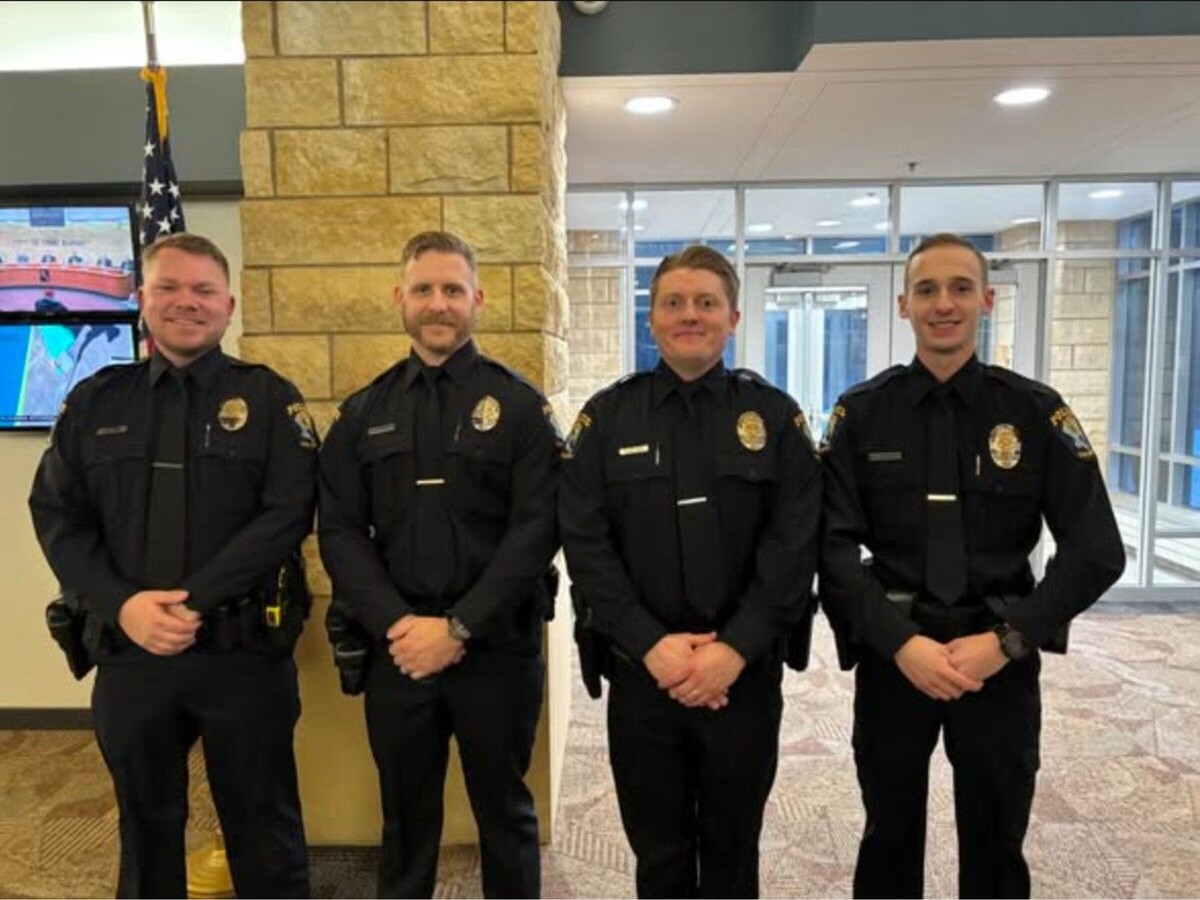



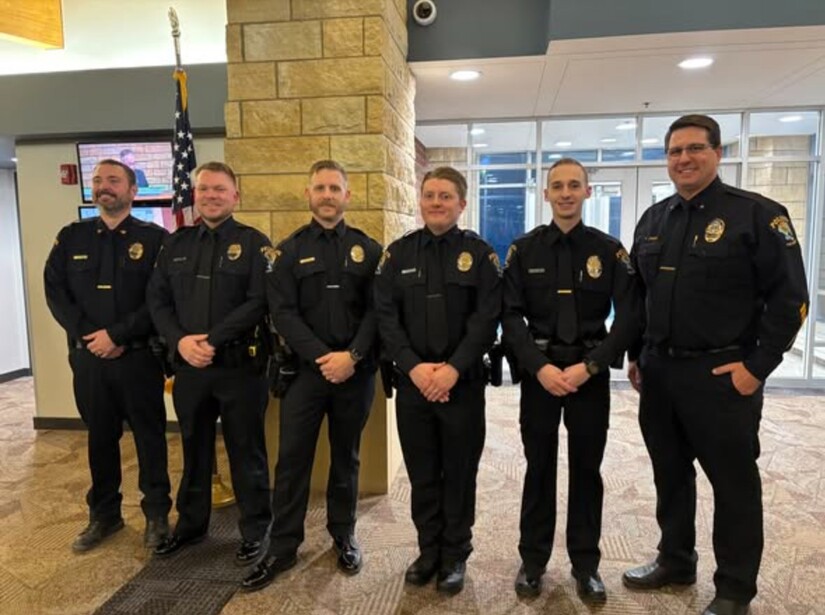
On Tuesday evening, inside a space more familiar with briefings than celebration, the Coon Rapids Police Department formally welcomed four new officers into its ranks. Officer Buresh. Officer Skog. Officer Wallinga. Officer Poteete.
Each stood at the threshold of a profession defined less by ceremony than by what follows it.
In American policing, the badge is often misunderstood as a symbol of authority. Within the profession, it is understood differently. It is a transfer of responsibility.
The badge pinning ceremony marks the formal transition from recruit to sworn peace officer. In departments across Minnesota and the nation, it is one of the few moments where the institution pauses long enough to acknowledge what the role demands.
Typically, a family member, mentor, or fellow officer places the badge onto the uniform. The act is deliberate. It connects the personal to the professional. It ties private support to public duty.
It is often followed by an oath. Not a formality, but a binding commitment to uphold the Constitution, to act with integrity, and to serve with the kind of restraint and judgment that cannot be taught in a single classroom.
The Coon Rapids Police Department, in its announcement, described that commitment simply. Service carried out with pride and dedication.
By the time an officer stands in front of a room to receive a badge, the hardest parts have already begun.
In Minnesota, the pathway to policing is structured and tightly regulated through the Minnesota Board of Peace Officer Standards and Training, commonly known as POST. The process is designed not just to test knowledge, but to evaluate judgment, temperament, and readiness.
Each of the four officers recognized Tuesday night would have completed that path:
It is during field training, not the ceremony, where most recruits first encounter the reality of the job. Domestic calls that do not resolve cleanly. Mental health crises that require patience more than force. Moments where decisions must be made in seconds but live on for years.
The badge does not mark the end of that preparation. It marks the point at which there is no longer a safety net.
The Coon Rapids Police Department serves a city of approximately 63,500 residents, making it one of the largest suburbs in the northern Twin Cities metropolitan area. Growth has reshaped both the city and the expectations placed on those who police it.
Modern suburban policing is no longer defined solely by response times or enforcement statistics. It now includes:
Coon Rapids officers operate within that expanded framework. The department maintains investigative divisions, K-9 units, and participates in regional emergency response partnerships across the North Metro.
For new officers, this means entering a profession that is both broader and more scrutinized than at any point in recent history.
The introduction of Officers Buresh, Skog, Wallinga, and Poteete is, on paper, a routine staffing update. Departments hire. Officers retire. Rosters change.
But each addition carries operational weight.
Staffing levels directly affect response times, officer workload, and the department’s ability to engage in proactive policing rather than reactive crisis management. In growing communities like Coon Rapids, maintaining that balance is an ongoing challenge.
Each new officer represents capacity. Not just another uniform, but another set of eyes, another responder, another decision-maker in moments that rarely come with clear answers.
Ceremonies are composed. The work is not.
There will be calls that end quietly and calls that do not. There will be encounters that build trust and others that test it. There will be days defined by routine and nights defined by unpredictability.
Policing, at its core, is a profession of accumulation. Every interaction, every decision, every outcome adds to the public’s understanding of what the badge represents.
For new officers, that accumulation begins immediately.
The badge pinning ceremony does not announce itself beyond the room. It is rarely covered, rarely debated, rarely remembered outside the families and colleagues who witness it.
But it is one of the few moments where the meaning of public service is made visible.
Four officers step forward. A badge is placed. An oath is spoken.
And then, almost without notice, they disperse into the work.
In Coon Rapids, that work now carries four new names.
MinneapoliMedia
Community. Culture. Civic Life.



Sunny, with a high of 80 and low of 57 degrees. Sunny during the morning, clear overnight.