63° and Moderate rain at times
Image
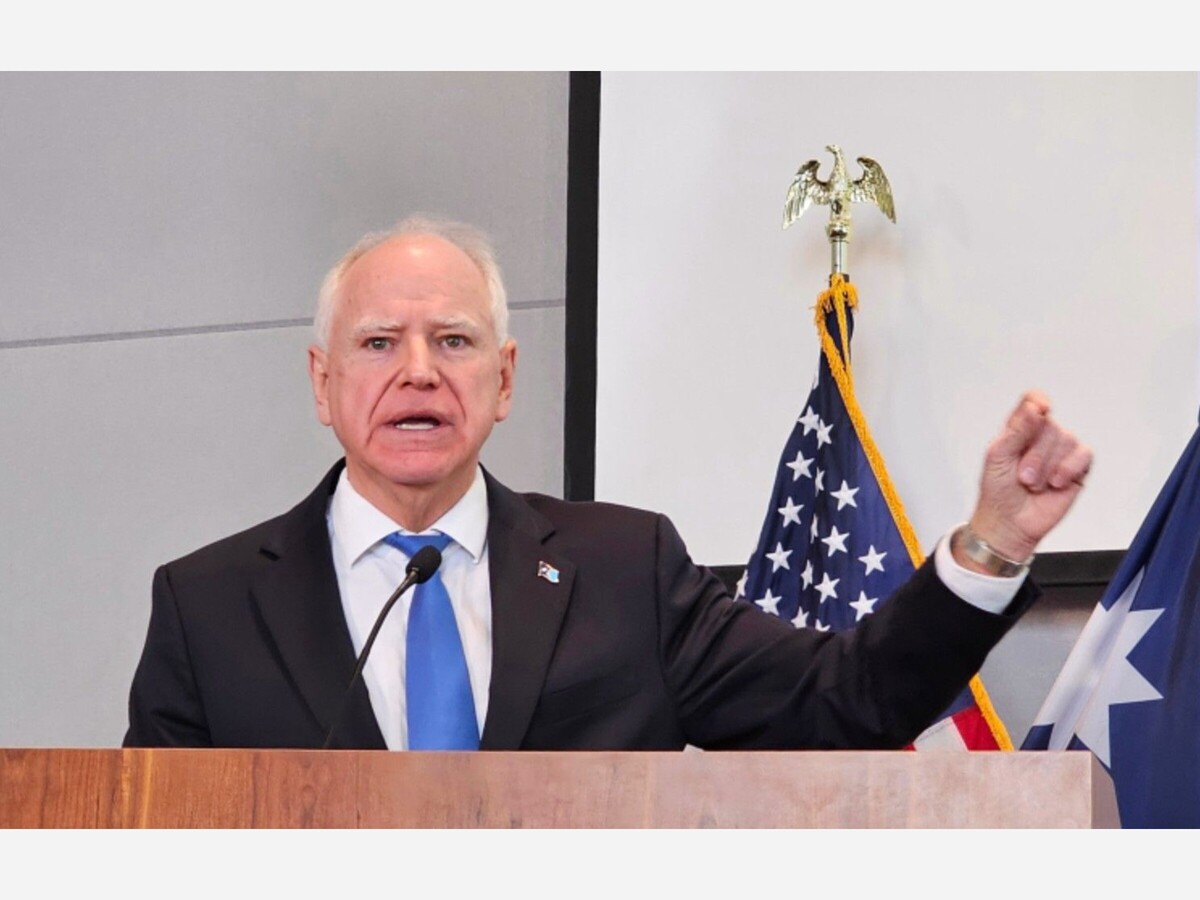



The proposal, framed by the administration as both corrective and preventative, outlines $370 million in spending reductions by fiscal year 2029, alongside targeted investments in affordability, business recovery, and public system oversight. It is, at its core, an effort to act early, before projected shortfalls harden into crisis.
“This is about discipline and responsibility,” Walz said in announcing the plan. “We are not cutting services. We are making the delivery of those services more efficient and more accountable.”

Minnesota’s current fiscal position remains strong, buoyed by stable revenues and prior budget surpluses. Yet state economists have issued a clear warning: spending is expected to outpace revenue in the coming years, with a projected $2.3 billion deficit emerging in future budget cycles if no adjustments are made.
Walz’s proposal aims to reduce that gap by nearly 20 percent, using a combination of cost containment, system reform, and oversight expansion.
Rather than sweeping program eliminations, the administration’s approach leans heavily on efficiency-driven savings, particularly in sectors where costs have risen sharply or oversight gaps have been identified.
The $370 million in projected savings is distributed across several key areas:
Taken together, these measures reflect a strategic shift. The administration is betting that tightening systems and preventing loss can generate savings without diminishing access.
Central to Walz’s proposal is a sweeping effort to address fraud and inefficiency in public programs, particularly within human services.
Recent years have exposed vulnerabilities in program oversight, prompting bipartisan concern over the stewardship of taxpayer dollars. The administration’s response is structural: centralized accountability, stronger enforcement tools, and modernized administrative systems.
The proposed Office of Inspector General would function as a cross-agency watchdog, tasked with identifying systemic weaknesses and ensuring consistent enforcement across programs.
For Walz, the argument is not only fiscal, but moral.
“Every dollar lost to fraud is a dollar that does not reach the people it was intended to serve,” he has said in prior remarks on the issue.
Even as the budget tightens future spending, it expands support for families navigating rising costs.
At the center of this effort is an enhanced Dependent Care Tax Credit, which would:
State estimates suggest that more than 104,000 Minnesota families would benefit.
In addition, the proposal includes a 0.075 percent reduction in the statewide sales tax, a move the administration describes as a historic step toward broad-based tax relief.
Together, these measures reflect a dual strategy: restrain long-term spending growth while delivering immediate, tangible relief to households.

The supplemental budget also responds directly to the aftermath of Operation Metro Surge, a large-scale federal immigration enforcement action earlier this year that reverberated across the Twin Cities economy.
State officials estimate the operation resulted in more than $300 million in economic disruption, affecting small businesses, workers, and housing stability.
Walz’s proposal includes a targeted recovery package:
The inclusion of these measures underscores a broader theme in the governor’s budget: state-level intervention in response to federal actions with local consequences.
To support new investments and offset future pressures, the budget introduces several proposed revenue mechanisms:
These proposals, while fiscally significant, are likely to become the most politically contested elements of the plan.
The supplemental budget now moves to a divided Minnesota Legislature, where its components will be debated, reshaped, and negotiated in the weeks ahead.
Early reactions suggest a familiar divide:
The path forward will depend on whether lawmakers can align on the central premise of the governor’s plan: that early intervention, system reform, and targeted relief can prevent more disruptive measures later.
Beyond line items and projections, Walz’s supplemental budget raises a deeper question about governance in an era of uncertainty:
Can a state act early enough to correct its fiscal trajectory without eroding the very systems it seeks to preserve?
Minnesota, for now, is attempting to answer that question in real time, balancing abundance and caution, present strength and future risk.
What emerges from the legislative process will not only shape the state’s next budget, but define its approach to stability in the years ahead.
MinneapoliMedia
Community. Culture. Civic Life.



Sunny, with a high of 80 and low of 57 degrees. Sunny during the morning, clear overnight.