40° and Sunny
Image
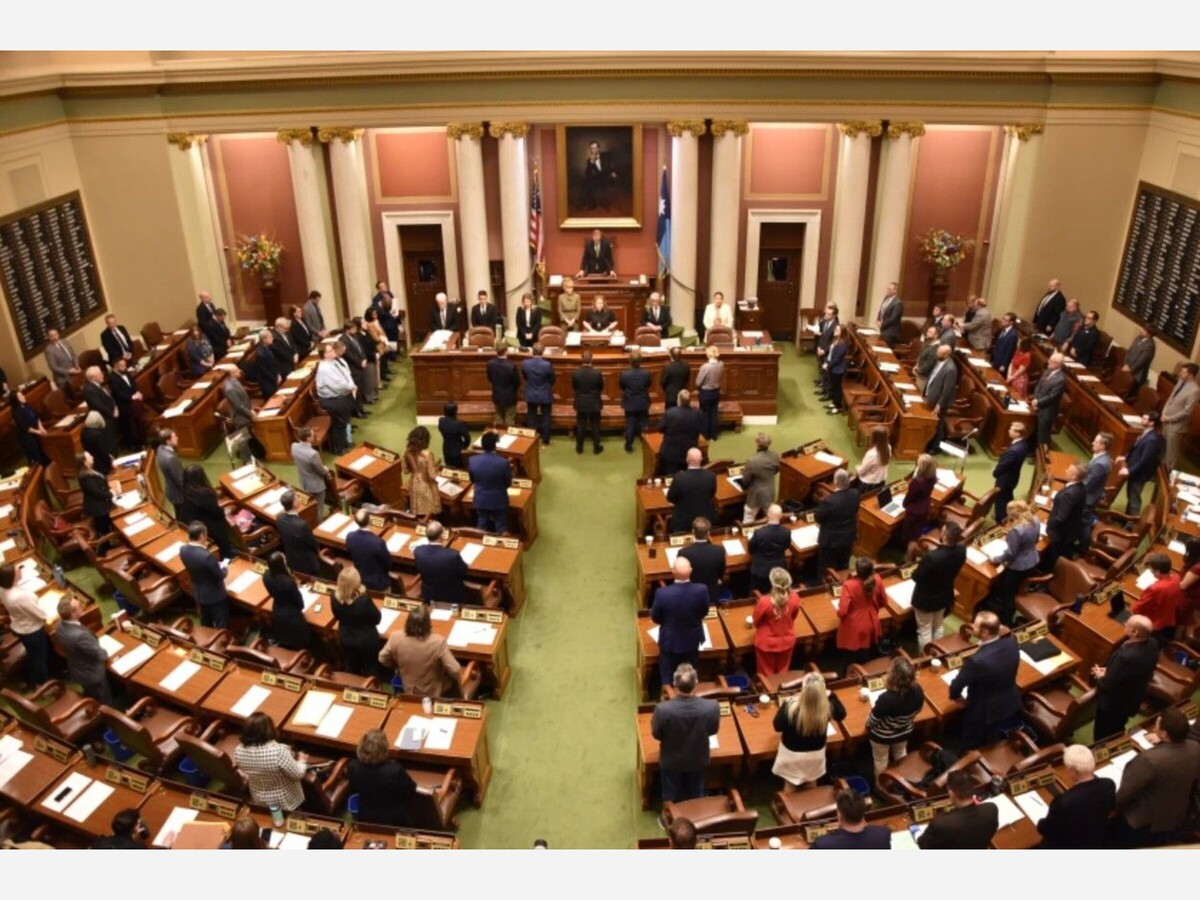



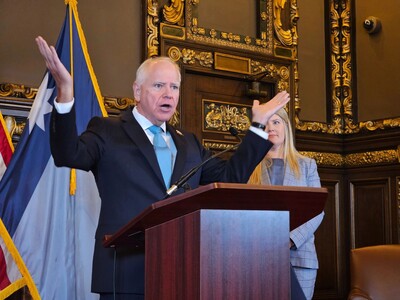
The proposal, House File 3412, authored by Leigh Finke, a Democrat from St. Paul, was heard February 24, 2026, in the House Public Safety Finance and Policy Committee. Its companion bill, Senate File 3590, mirrors the House language.
At issue is Minnesota Statute 609.735, which already makes it a misdemeanor for a person to conceal their identity in a public place with a mask or disguise, subject to longstanding exceptions such as religious attire, medical protection, or weather conditions. Finke’s bill sought to clarify that the prohibition applies to all law enforcement operating in Minnesota, including federal agents, while carving out narrowly defined operational exceptions.
Under current law, Minnesota’s mask statute dates back decades and was originally designed to prevent intimidation and concealment in public spaces. It includes exemptions for entertainment, occupational safety, and health reasons.
HF 3412 would have explicitly addressed law enforcement’s use of face coverings that obscure identity, limiting permissible mask use to:
Supporters argued the bill did not create a new prohibition so much as clarify how existing law should apply to officers.
The debate quickly crystallized into a fundamental question: Does visible identification enhance public trust more than anonymity protects officer safety?
Rep. Finke and Democratic members of the committee contended that masked officers, particularly during recent federal immigration enforcement operations in the Twin Cities, have eroded public confidence. Federal agents from U.S. Immigration and Customs Enforcement and U.S. Customs and Border Protection have, at times, conducted enforcement activity wearing face coverings and tactical gear, prompting community concern about transparency and accountability.
Supporters described masked enforcement as reminiscent of “secret police” tactics, arguing that when officers obscure their faces and badge numbers, residents cannot meaningfully identify them if misconduct occurs. They maintained that doxxing, harassment, and threats against officers are already illegal and prosecutable offenses.
Republican lawmakers framed the bill as a threat to officer safety in a climate of heightened hostility toward law enforcement.
Elliot Engen, a Republican from Lino Lakes, argued the legislation ignored “numerous reasons” it would be dangerous, citing documented incidents nationwide of officers being doxxed, harassed, or assaulted. Removing the option to mask, he said, would make officers and their families more vulnerable.
Walter Hudson, a Republican from Albertville, raised concerns about federal-state friction. If Minnesota attempted to regulate federal agents operating within the state, he suggested, it could create operational conflicts between local and federal law enforcement, potentially escalating into confrontations over jurisdiction.
Republicans further argued that prohibiting masks would undermine federal authority and deter officers from participating in high-risk operations involving violent offenders.
The committee’s 10-10 tie reflects the House’s broader 67-67 partisan split this session. Under Minnesota legislative rules, a tie vote in committee means the motion fails. HF 3412 therefore stalls unless revived through procedural maneuvering or incorporated into broader legislation.
The deadlock underscores how evenly divided the chamber remains, with public safety issues among the most ideologically polarized topics of 2026.
While the state measure stalled, St. Paul moved ahead independently.
Kaohly Her signed Ordinance 26-7 in February 2026, approved by the St. Paul City Council, prohibiting law enforcement officers, including federal agents, from wearing identity-obscuring masks within city limits except in narrowly defined circumstances similar to those outlined in HF 3412.
City leaders described the ordinance as a response to community outcry over recent federal immigration “surge” operations in the metro area. Supporters at the municipal level argued that visible identification is essential to maintaining trust between residents and authorities.
Legal scholars note that local restrictions on federal officers may invite constitutional scrutiny under federal supremacy principles, potentially setting up future litigation if enforcement conflicts arise.
At its core, the dispute over masks is less about cloth or tactical gear than about competing visions of public safety.
One side argues that anonymity in policing corrodes legitimacy and shields misconduct. The other insists that anonymity protects officers from retaliation in an era of digital exposure and political volatility.
For now, HF 3412 remains halted. But as Minnesota navigates a session defined by parity and procedural brinkmanship, few observers believe the debate is over.
The question confronting lawmakers is not simply whether officers may wear masks. It is whether visibility, in a time of mistrust, is a safeguard or a vulnerability.

Overcast , with a high of 54 and low of 34 degrees. Sunny in the morning, overcast for the afternoon, clear during the evening, partly cloudy overnight.