53° and Clear
Image
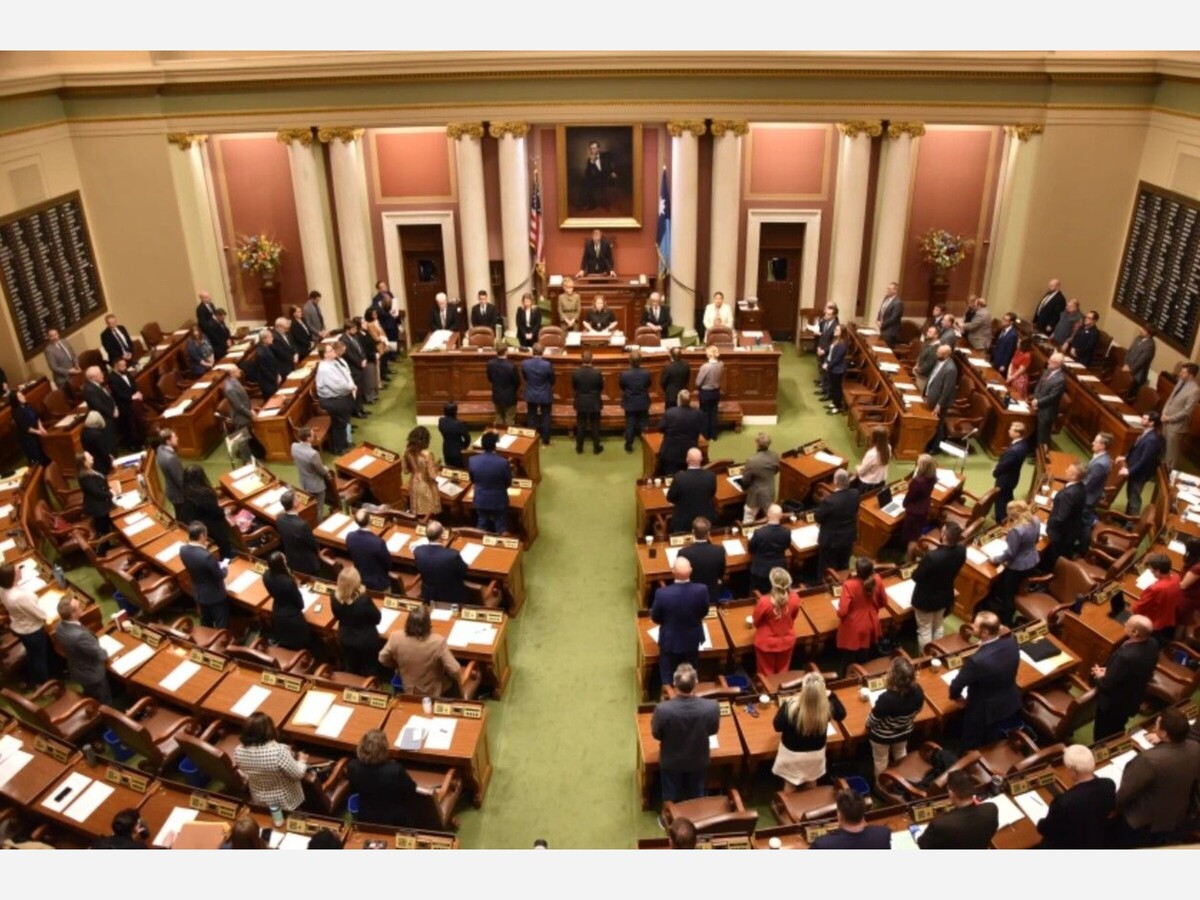



According to Second Harvest Heartland, one in five Minnesota households cannot afford the food they need without assistance. That statistic has become a touchstone in legislative testimony and public briefings as demand at food shelves continues at historically elevated levels.
The Legislative Quartet
The committee reviewed four House Files designed to reinforce different layers of Minnesota’s food assistance infrastructure. Two were advanced to the House Ways and Means Committee for further fiscal consideration. Two were laid over for potential inclusion in a broader omnibus budget package later this session.
HF3624 (Rep. Nathan Coulter, DFL–Bloomington)
HF3624 appropriates $5,392,000 in fiscal year 2027 to the Minnesota Food Shelf Program and adds that amount to the program’s permanent base budget. The Minnesota Food Shelf Program distributes state funds to local food shelves across Minnesota, helping offset the cost of purchasing food and managing increased traffic.
House research materials presented to lawmakers indicate that Minnesota food shelves recorded nearly 9 million visits in 2024, a sustained surge that hunger advocates say has not meaningfully receded since pandemic-era spikes. The proposed base increase reflects recognition that food shelves are no longer responding to a temporary crisis but to a structural demand pattern.
HF3586 (Rep. Steve Gander, R–East Grand Forks)
HF3586 would establish a Regional Food Bank Grant Program with a $10 million appropriation for fiscal year 2027, also added to the base for future biennia. The bill directs funds to regional food banks, including those serving Tribal governments, through a formula administered by the commissioner of children, youth, and families.
Supporters described the measure as strengthening the “backbone” of Minnesota’s hunger-relief ecosystem. While food shelves provide direct community access, regional food banks warehouse, procure, and distribute food at scale. Testimony and committee documents noted that Minnesota currently provides no direct, ongoing state funding to regional food banks, leaving them heavily reliant on philanthropy and federal pass-through dollars.
The legislation represents a shift toward formalizing state responsibility for maintaining core distribution infrastructure.
Two additional measures were heard but not advanced.
HF45 (Rep. María Isa Pérez-Vega, DFL–St. Paul)
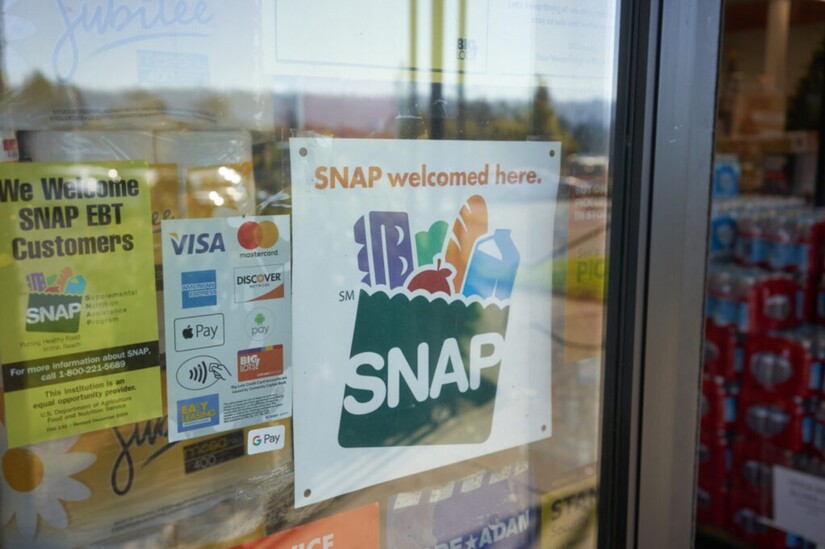
HF45 seeks $1.75 million in fiscal year 2027 to restore funding for SNAP outreach. Outreach programs assist eligible Minnesotans in navigating the Supplemental Nutrition Assistance Program, helping with enrollment, eligibility verification, and benefit retention.
The bill’s significance is amplified by projected federal reimbursement changes. Beginning October 1, 2026, Minnesota is expected to see federal SNAP administrative reimbursements reduced from 50 percent to 25 percent, creating an estimated $39 million annual loss in federal funding. That shortfall would shift administrative costs to the state and counties, increasing pressure on systems already managing high caseloads.
HF1148 (Rep. Nathan Coulter)
HF1148 proposes $1 million in fiscal year 2027 to establish a Prepared Meals Grant Program. Unlike traditional food shelf models that distribute raw ingredients, the prepared meals initiative would target Minnesotans who cannot easily cook, including seniors, individuals with disabilities, and residents with limited mobility.
Advocates testified that traditional food assistance does not always translate into usable nutrition for these populations. The grant model aims to fill that functional gap.
The legislative push unfolds amid converging pressures.
|
Factor |
Impact on Minnesota |
|
Federal SNAP Reimbursement Reduction |
Projected $39 million annual loss beginning October 2026 |
|
Food Shelf Demand |
Nearly 9 million visits recorded in 2024 |
|
Household Food Insecurity |
1 in 5 households require assistance |
|
Child Impact |
National research suggests approximately 32 percent of households with children experience food insecurity |
According to public testimony from Second Harvest Heartland, the hunger-relief network is operating at sustained emergency levels. While philanthropic donations remain significant, charitable giving alone cannot reliably absorb long-term systemic demand combined with federal funding volatility.
Legislators also noted operational strain. Counties administering SNAP anticipate heavier workloads due to updated federal work requirements and eligibility changes affecting noncitizens. At the same time, administrators continue to rely on aging eligibility systems that local officials have described as technologically outdated, increasing the risk of processing delays or compliance penalties.
The debate at the Capitol is not solely about dollars. It is about architecture.
For years, Minnesota’s hunger-relief system has functioned as a hybrid of federal entitlement support, state pass-through funding, and private charity. The bills heard on February 25 signal a potential recalibration: a move toward embedding more durable state-level funding in both direct food shelf operations and the regional infrastructure that supplies them.
In practical terms, the difference could determine whether food shelves remain able to purchase fresh produce and culturally appropriate foods, or whether they revert to rationing amid supply shortfalls.
HF3624 and HF3586 now move to the House Ways and Means Committee, where lawmakers will weigh their fiscal implications against competing budget priorities in a session shaped by uncertainty over federal funding streams.
HF45 and HF1148 remain alive, positioned for possible inclusion in a comprehensive human services package later this year.
For families facing grocery bills that outpace wages, the legislative calendar carries immediate stakes. If one in five households require assistance to afford food, the margin between stability and scarcity is thin.
Inside committee rooms, the conversation remains technical: base funding adjustments, reimbursement ratios, grant formulas. Outside those rooms, the question is simpler and older than any fiscal note: whether children will eat.
For Minnesota lawmakers this session, that question has moved from charitable appeal to budget line.


Sunny, with a high of 73 and low of 49 degrees. Sunny for the morning, clear for the afternoon and evening, smoky haze overnight.