Image
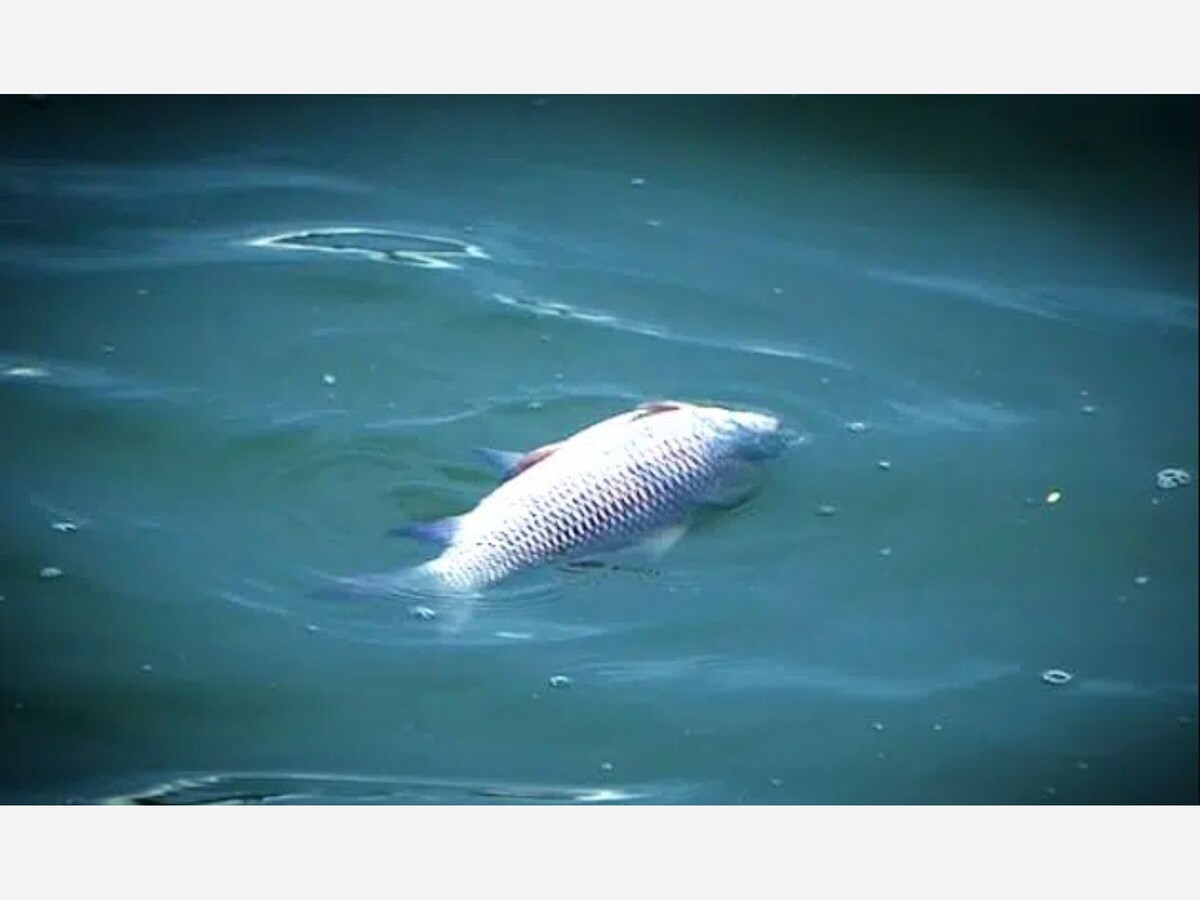



The Minnesota Pollution Control Agency confirmed Monday that maintenance at the Monticello plant and the resulting loss of warm-water discharge “led to a fish kill” in the Mississippi River. The agency is working with Xcel Energy, which operates the facility, to assess the scope of the mortality and monitor conditions as the plant remains offline for repairs.
“We are working with the responsible party and will continue to gather information and monitor the situation,” MPCA communications director Becky Lentz said in a statement. The agency has not yet released an official count of fish or a full species breakdown.
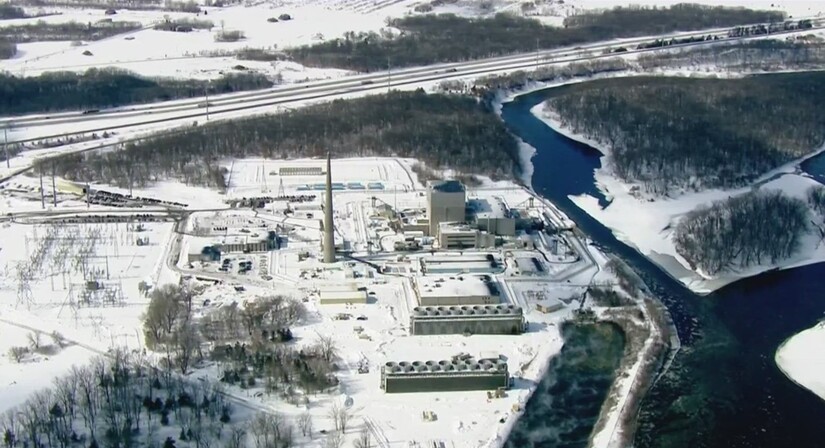
The Monticello plant operates with a once-through cooling system. Cold river water is drawn in to cool steam and equipment, then discharged back into the Mississippi at a significantly warmer temperature. In summer, that discharge is regulated to meet temperature standards designed to protect aquatic life. In winter, it creates something else: an artificial oasis.
Fish such as smallmouth bass, walleye, channel catfish, northern pike and carp congregate in the warmer pocket, which often remains ice-free even when air temperatures plunge below 20 degrees Fahrenheit.
When the plant was taken offline for equipment maintenance, that discharge stopped.
According to anglers present for the annual “Freeze Your Bass Off” fishing tournament, which drew 84 participants to the river, the transformation was sudden and devastating. Overnight lows near 20 degrees, combined with strong winds, accelerated icing. The warm-water pocket was quickly replaced by upstream flows hovering near 32 degrees Fahrenheit.
Fish that had acclimated to warmer water were exposed to an abrupt temperature drop, a phenomenon fisheries experts describe as thermal shock. Some were found along the shoreline. Others were reportedly frozen into forming surface ice.
“There were thousands and thousands of dead fish,” said tournament founder Alec Wieker. He described seeing bass, walleye, northern pike, carp and channel catfish. “Multiple live fish were frozen in ice,” he said, noting that he is not a fisheries biologist.
The MPCA has not confirmed those numbers, but it has stated that the mortality event is linked to the rapid change in water temperature following the shutdown.
Because the Monticello facility has been under public scrutiny in recent years for unrelated issues involving tritium-contaminated water contained on site, state officials moved quickly to clarify what this incident was not.
The fish kill, regulators emphasized, is a temperature-driven event. It is not connected to radioactive contamination, and there is no risk to public health or drinking water. Xcel Energy said there is no impact on electric service.
Theo Keith, senior media relations representative for Xcel, said the plant was safely taken offline after consultation with equipment manufacturers and that the company coordinated with state agencies ahead of the outage to prepare for potential environmental effects. Xcel said it is monitoring the river and will report findings to regulators.
This is not the first time a Monticello shutdown has resulted in fish mortality.
In March 2023, when the plant was taken offline during a period that also involved repairs connected to a tritium leak contained on site, the MPCA documented approximately 230 fish killed due to thermal shock, not contamination. State officials at the time described the deaths as an “unfortunate but not unexpected” consequence of rapid temperature change.
Earlier events have been larger. In 2007, an abrupt shutdown was associated with an estimated 3,000 fish killed, according to state records cited in previous reporting.
A more recent March 2024 outage related to a control valve issue produced minimal reported ecological impact.
The recurring pattern underscores a complicated winter reality along this stretch of the Mississippi: the plant’s discharge alters fish behavior, concentrating species in an artificially warm refuge that disappears when operations cease.
Under Minnesota protocol, fish kills are investigated through coordination among the MPCA, the Minnesota Department of Natural Resources and other state agencies as needed. The MPCA typically leads when an industrial discharge or regulated facility is involved.
Investigators assess water temperature data, dissolved oxygen levels, ice formation patterns, flow conditions, species identification and geographic spread. Carcasses may be cataloged and removed to prevent secondary impacts.
The agency has not yet released a timeline for a final report on the current incident. With the plant expected to remain offline for several weeks, monitoring will continue to determine whether additional mortality occurs as river conditions stabilize.
The Mississippi River is resilient. Spring thaw will come. Fish populations reproduce and disperse. Yet localized winter kills can reshape a stretch of river for a season or longer, particularly if mature game fish are disproportionately affected.
For anglers who witnessed the scene, the loss was immediate and visceral.
For regulators, it is a balancing act between energy reliability and environmental protection.
For river communities, it is a reminder that even routine maintenance at a power plant can ripple outward, altering a winter ecosystem in a matter of hours.
State officials say more information will be released as data is compiled. For now, the conclusion is clear: when the warm water stopped, the river changed. And in that sudden change, fish died.



Sunny, with a high of 90 and low of 59 degrees. Sunny in the morning, clear overnight.