66° and Partly cloudy
Image
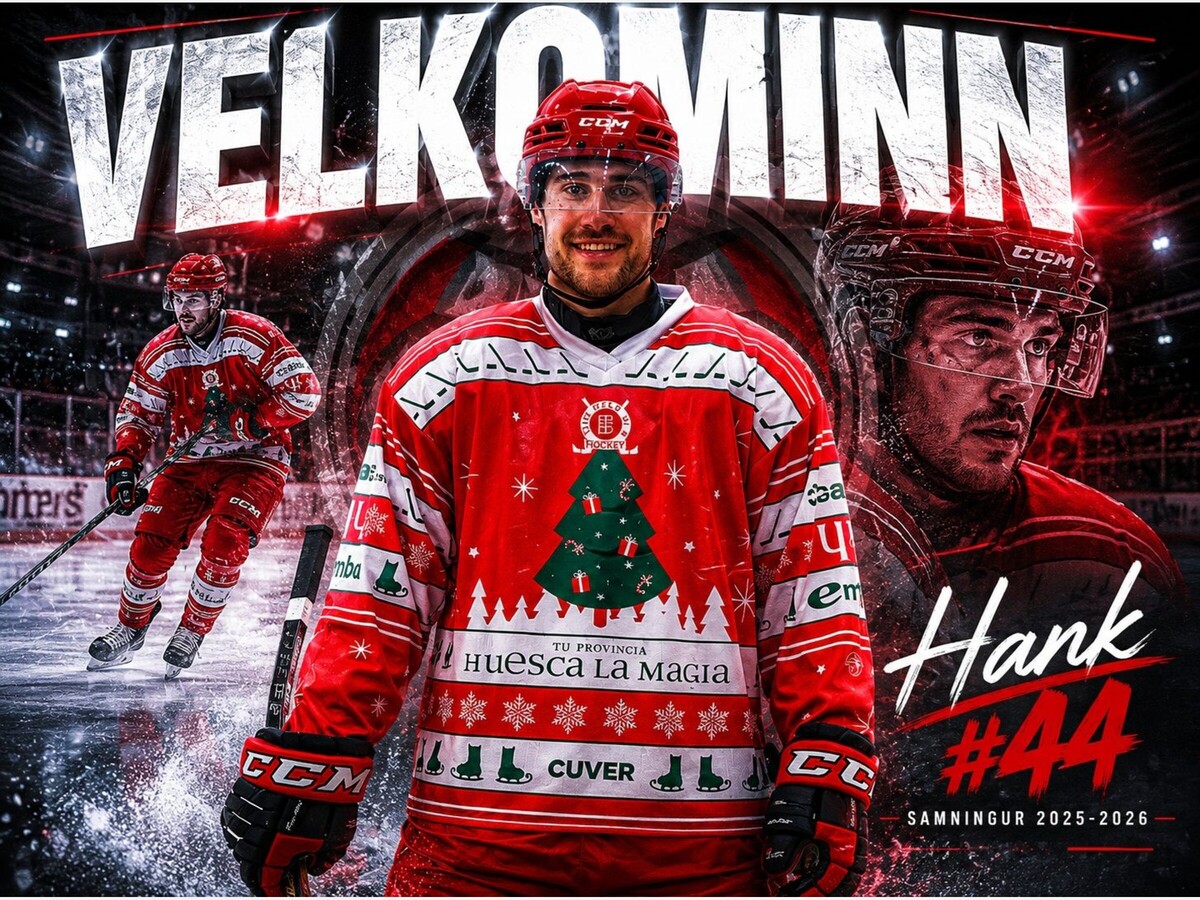



For Hank Nagel, hockey began inside that world. Raised in Mound, Minnesota, west of the Twin Cities, Nagel grew up in a town of roughly 9,000 residents that nevertheless supported multiple hockey rinks, including a full outdoor facility equipped with a Zamboni. The scale of that infrastructure, particularly for a town of its size, says almost everything about Minnesota’s relationship with hockey. By the age of two, Nagel was already stepping onto the ice.
He laughs now when recounting the story his parents still tell him. During a public open skate at Harold J. Pond Arena in downtown Mound, he apparently stumbled badly enough to come off the ice bleeding from his forehead after crashing into the boards. Rather than crying, panicking, or wanting to leave, his parents say he looked at them and simply declared how much he loved hockey. The story has since become family folklore, but in many ways it foreshadowed the life that followed.
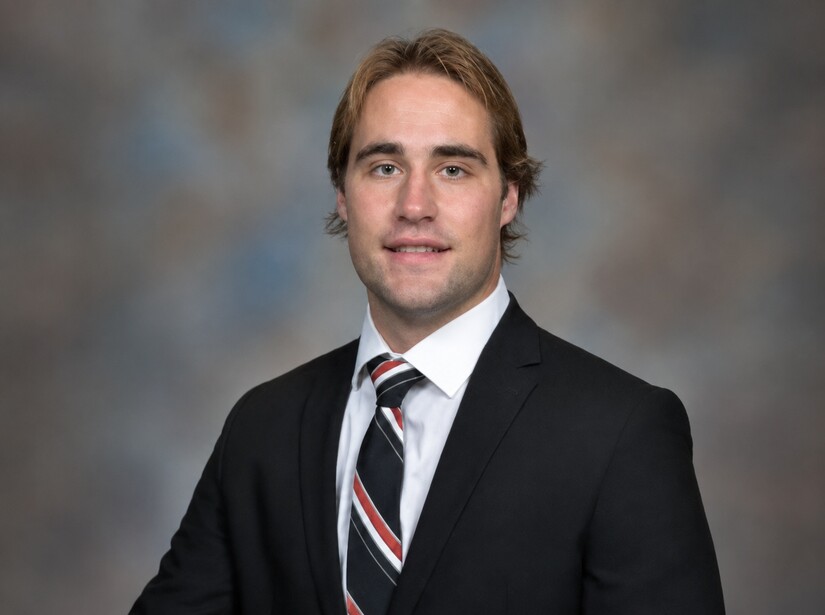
Nagel grew up playing on frozen lakes, community rinks, and youth teams across Minnesota’s deeply competitive hockey system. Like countless children across the state, winters became defined by practices, tournaments, early mornings, and long hours on the ice. Summer increasingly became an extension of the same pursuit. By the time he reached high school, hockey was no longer seasonal. It had become year-round.
“I started playing summer hockey and year-round hockey,” Nagel recalled during his conversation with MinneapoliMedia. “Then I sort of never looked back.”
At Mound Westonka High School, Nagel developed into a standout defenseman and earned recognition within Minnesota’s elite development structure, including participation in Minnesota Hockey’s High Performance Program and acknowledgment as a Reed Larson Award candidate, an honor associated with some of the state’s top senior defensemen.
Yet, Minnesota hockey culture is unlike almost any other sports environment in the United States. It is intensely competitive, deeply emotional, and relentlessly demanding. The state produces extraordinary numbers of elite players each year, many of whom spend their childhoods chasing dreams that statistically only a tiny fraction will ever fully realize. Nagel experienced that pressure firsthand.
“You definitely got humbled quick,” he said while reflecting on his High Performance experience in St. Cloud. “I was coming out of a small town thinking, ‘Oh wow, I made it to the St. Cloud camp. I’ve got something going.’ Then you get up there and guys like K’Andre Miller are making you look silly out there.”
That realization, he explained, becomes one of the first major lessons Minnesota hockey teaches young athletes: talent exists everywhere, and the competition never stops. “You might think you’re the best player in your town,” he said, “but there’s a lot of really, really good talent out there.”
The deeper Nagel moved into competitive hockey, the more consuming the sport became. Training intensified. Expectations increased. Sacrifices accumulated quietly over time. By the end of high school, after years of nonstop hockey beginning in childhood, he reached a point many athletes rarely discuss publicly: exhaustion.
While conversations around elite sports often focus on achievement, recruitment, rankings, and advancement, burnout remains a less visible reality, particularly for young athletes raised in year-round development systems. Nagel decided to walk away. After graduating from high school, while other players pursued junior contracts and traditional hockey pathways, he boarded a plane and left the continent entirely.
“I was just done with it,” he said. “I had played year-round hockey for so long that I was burned out.”
Instead of entering another hockey season, he moved to Peru. For several months, Nagel lived north of Lima teaching English, temporarily disconnecting himself from the game that had dominated much of his childhood and adolescence. The decision surprised many around him, including people within Minnesota’s hockey circles.
But distance eventually clarified something for him. As winter approached back home in Minnesota, Nagel realized how deeply he missed the game. “I called my dad and basically told him maybe I made a mistake,” he recalled. “I missed playing.”
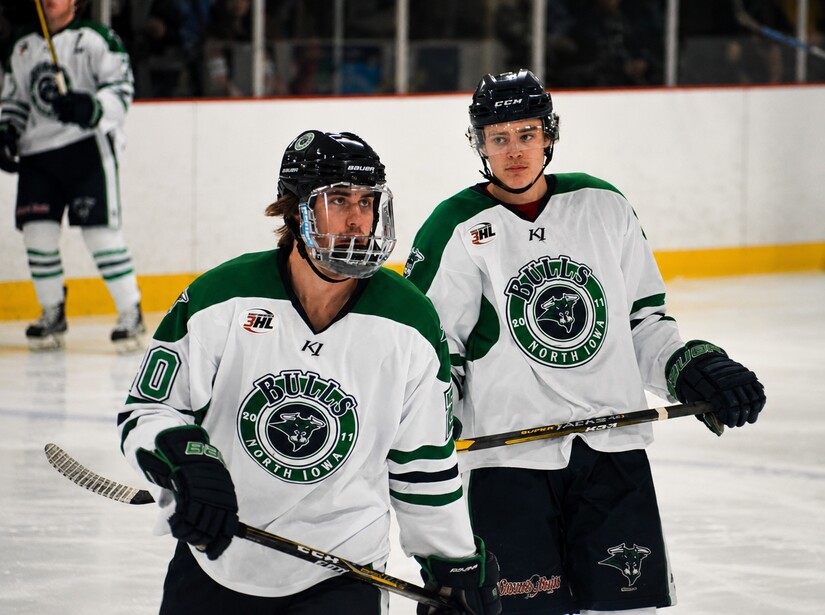
What followed was not a triumphant return through glamorous hockey pipelines, but something far more uncertain and human. Leveraging relationships with friends already playing junior hockey around the Midwest, Nagel began reaching out to teams while still in South America. Eventually, the North Iowa Bulls offered him an opportunity to join the roster during the season. Within days of returning from Peru in late 2018, he was back on the ice.
The experience reaffirmed something important: sometimes stepping away from a lifelong pursuit becomes necessary in order to rediscover why it mattered in the first place.
Still, hockey’s path forward for Nagel would not unfold easily. Not long after returning to competitive play, injuries dramatically altered his trajectory. Nagel developed significant back and hip problems that eventually required surgery. He had earned opportunities within junior hockey, including a chance with the Minnesota Magicians of the North American Hockey League, but the injuries interrupted those plans entirely. For nearly two years, he was unable to skate properly. Multiple doctors told him his playing career was likely over.
For many athletes, especially those whose identities have long been intertwined with sports, such moments can feel profoundly disorienting. Competitive hockey often becomes more than activity or recreation; it becomes structure, social life, routine, ambition, and self-definition. Stripped of that identity, Nagel instead pivoted toward school, eventually attending the University of Minnesota, where he earned a degree in accounting. On paper, his hockey story appeared finished.
But years later, something changed again.
After graduating from college in 2023, Nagel accepted a coaching role with the Wisconsin Rapids Riverkings, a Tier III junior hockey program in Wisconsin. Initially serving as an assistant coach, he began spending significant time back on the ice while working with players. Slowly, physically and mentally, the possibility of returning to the game resurfaced.
“I felt so good by the end of that season that I thought maybe I can still do this,” he said.
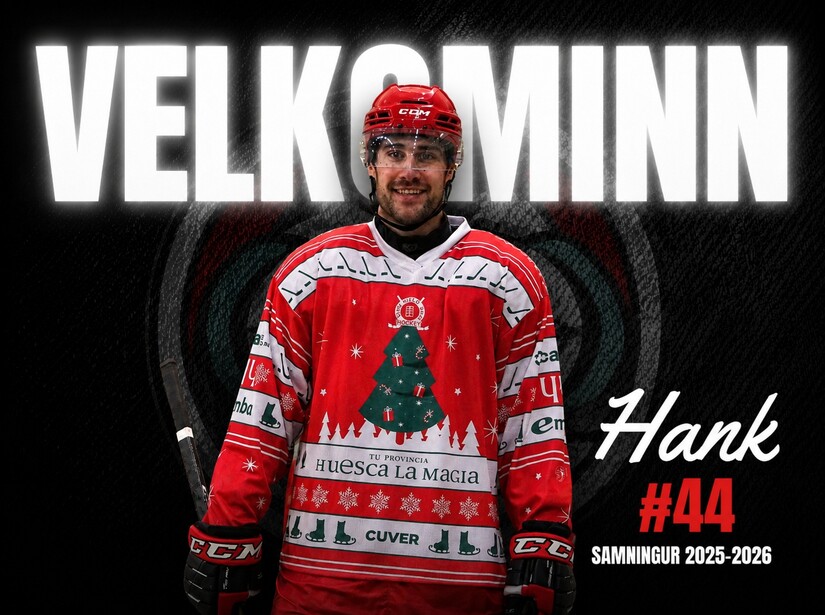
From there, Nagel began contacting teams in Europe. He attended tryouts in both France and Spain before eventually signing with Club Hielo Jaca in northeastern Spain, a move that transformed his hockey journey from a regional American story into an international one.
For many North American players outside the NHL system, European hockey offers an alternative professional ecosystem that remains largely invisible to mainstream American sports audiences. The financial rewards are often modest. The leagues vary dramatically in structure and competition level. Players routinely relocate across countries, cultures, and languages while building temporary lives far from home.
For Nagel, however, the experience became transformative. Jaca, located high in the Pyrenees Mountains near the French border, introduced him to a dramatically different pace and style of hockey. European hockey, he explained, emphasized control, patience, and finesse far more than the physical North American game he grew up playing.
“In North America, everything is move, move, move,” he said. “Over there, they’ll literally regroup behind their own net and wait for everybody to come together before moving up the ice.”
The cultural differences extended well beyond the rink. In Europe, hockey occupied a different social space. Seasons were shorter, travel routines differed, and communities interacted with athletes differently. The game itself carried different rhythms and expectations. Yet one thing remained surprisingly universal.
“Hockey players are the same everywhere,” Nagel said with a laugh. “Even if we don’t speak the same language, hockey guys are still hockey guys.” That realization became especially clear inside locker rooms, where humor, competitiveness, routines, and camaraderie transcended national borders.
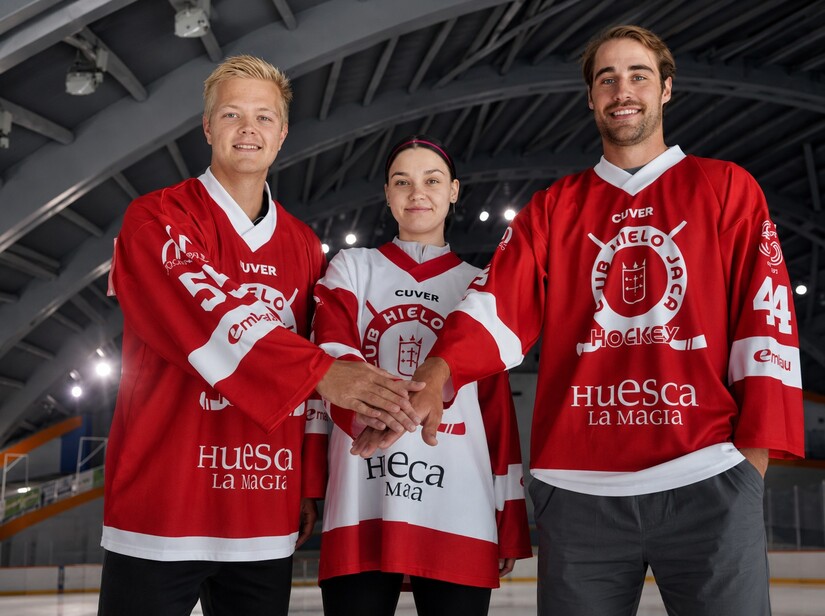
From Spain, Nagel’s journey eventually carried him even farther north. A coach from Akureyri, Iceland later contacted him seeking an import defenseman after several local players departed for other European leagues. Within days of sending game film and holding conversations with the organization, Nagel signed another contract and relocated once again, this time to northern Iceland, near the Arctic Circle.
The adjustment was immense. During the peak of winter, sunlight effectively disappeared.
“The sun would rise around noon and set around 2 p.m.,” Nagel explained. “But because we were surrounded by mountains in the fjord, you never actually saw the sun.”
For weeks at a time, daily life unfolded in near darkness, making mental discipline essential. Nagel described forcing himself into strict routines simply to avoid falling into isolation or lethargy. Gym schedules, training sessions, social outings, and structure became psychological necessities in an environment where natural daylight barely existed. “It’s really easy to just do nothing,” he admitted.
The experience deepened his understanding of the emotional realities many international athletes quietly navigate while living abroad. Beyond games and statistics, there are language barriers, homesickness, loneliness, unfamiliar cultures, and the constant, taxing process of rebuilding a social life from scratch in each new country.
Still, Nagel speaks about those years with visible gratitude. While some observers may dismiss lower-level international hockey as financially impractical or professionally insignificant, he sees it differently.
“I think success is about being happy,” he said.
That philosophy emerged repeatedly throughout the interview. Nagel openly acknowledged that many overseas players are not earning enormous salaries or living glamorous lifestyles. Some reside in small apartments, some play in remote towns, and some juggle additional jobs or uncertain contracts. But for him, the value lies elsewhere: travel, relationships, experience, perspective, and freedom.
“There’s nobody sitting at 75 years old saying, ‘I can’t believe I took that trip when I was younger,’” he said. “You just have to enjoy life.”
In recent years, Nagel’s role within hockey has also expanded beyond playing. Leveraging relationships built across European leagues and North American junior systems, he has quietly begun helping other players explore opportunities overseas, including fellow Minnesotan Jackson Fuller, whose professional experience in Poland first introduced Nagel to MinneapoliMedia.
Nagel is candid about what he sees as troubling aspects of the youth hockey and player representation industries. He criticized what he described as exploitative practices involving expensive agency fees, social media pressure, and increasingly commercialized youth development systems. “A lot of these families are getting pressured into paying huge amounts of money because they think that’s the only path forward,” he said.

Rather than operating as a traditional agent, Nagel described his work more informally: helping friends, former players, and connections locate opportunities abroad without demanding massive upfront payments. For him, the work is personal. “I was lucky enough to get opportunities overseas,” he said. “I’d love to help somebody else get that same opportunity.”
That perspective also shapes the advice he now gives younger athletes, delivering a message that is notably different from much of modern sports culture: ignore social media noise, stop chasing constant comparison, and remember why you started playing in the first place.
“Not everybody’s going to play in the NHL,” he said plainly. “There’s only one Connor McDavid. You play the game because you enjoy it. That’s what it should come back to.”
Throughout the conversation, one theme consistently surfaced beneath everything else: possibility. Nagel’s story does not fit neatly into traditional sports narratives centered exclusively around elite leagues, fame, or financial success. His career instead reflects a much broader and often overlooked reality inside athletics, one where sports become vehicles for travel, reinvention, resilience, relationships, mentorship, and self-discovery.
His path moved from Minnesota lakes to Peru, from injury rehabilitation to coaching, and from Spain’s Pyrenees Mountains to the edge of the Arctic Circle in Iceland. At multiple points, his career appeared finished. At multiple points, he rebuilt it anyway.
“If you put your mind to it, you can make it happen,” he said while reflecting on the doctors who once doubted he would play again.
Today, Nagel continues balancing multiple identities simultaneously: player, mentor, recruiter, advisor, coach, businessman, traveler, and lifelong hockey competitor still unsure exactly where the next chapter may lead. During summers back home in Minnesota, he manages a marina while training and staying prepared in case another opportunity overseas emerges. During winters, he waits for calls from teams abroad while continuing to help younger players navigate their own uncertain paths through hockey.
It is not the conventional sports success story many Americans are taught to chase, but it is undeniably a real one. And perhaps that is precisely why it matters.
Beyond the NHL spotlight exists an enormous global world filled with athletes quietly building meaningful lives through sports in ways most audiences never fully see. Their careers unfold across unfamiliar countries, smaller arenas, long bus rides, temporary apartments, foreign languages, and deeply personal sacrifices that rarely become headlines. Yet those stories carry immense value too.
For Minnesota, a state where hockey culture runs deeper than almost anywhere else in America, Nagel’s journey also serves as a reminder that the meaning of athletic success cannot always be measured solely through contracts, fame, or league status.
Sometimes success looks like rediscovering joy after burnout. Sometimes it looks like refusing to quit after an injury that structural physics said should have ended it. Sometimes it looks like standing inside a dark Icelandic winter thousands of miles from home and realizing the game you loved as a child has carried you farther into the world than you ever imagined possible.
And sometimes, success simply looks like continuing to skate.
MinneapoliMedia | Community. Culture. Civic Life.



Sunny, with a high of 87 and low of 64 degrees. Sunny during the morning, patchy rain nearby overnight.