66° and Partly cloudy
Image
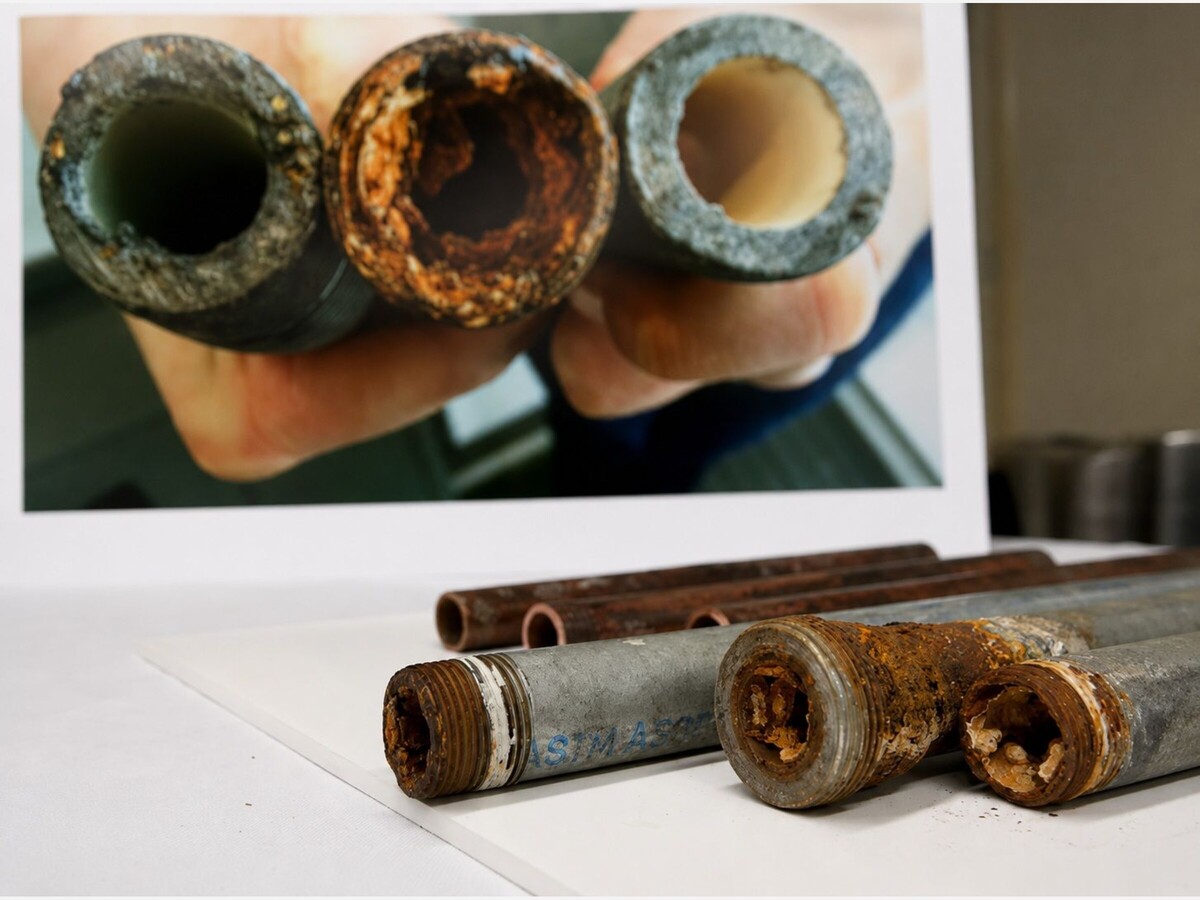



Minnesota will receive nearly $58 million in new federal funding to accelerate the removal of lead drinking water pipes across the state, a major infrastructure investment arriving at a pivotal moment in what has become one of the largest public health construction challenges facing local governments in decades.
The U.S. Environmental Protection Agency announced that Minnesota will receive approximately $57.77 million through the Drinking Water State Revolving Fund, part of a nationwide federal initiative aimed at eliminating toxic lead service lines from American drinking water systems. The funding is tied to sweeping federal mandates requiring utilities nationwide to identify and replace all lead pipes connected to drinking water systems by 2037.
For Minnesota communities already struggling to finance aging infrastructure replacement, the federal allocation provides both immediate relief and a warning sign.
This year marks the final dedicated round of lead service line replacement funding tied directly to the 2021 Bipartisan Infrastructure Law, the multi-trillion-dollar federal investment package that injected historic levels of money into roads, bridges, broadband, clean energy, and water infrastructure nationwide.
Since the law’s passage, Minnesota has received roughly $350 million in federal support for lead remediation efforts. But state officials, municipal utilities, and labor organizations increasingly warn that the remaining financial burden still far exceeds available funding.
At the center of the issue is a difficult reality buried beneath thousands of Minnesota streets and lawns.
Public health experts estimate that between 90,000 and 100,000 lead service lines still remain in Minnesota communities, many installed decades ago when lead pipes were routinely used to connect water mains to homes and buildings. While invisible underground, the pipes represent one of the most persistent environmental health threats in aging urban infrastructure.
Lead exposure has been linked to developmental delays, neurological damage, learning disabilities, cardiovascular disease, and long-term cognitive impacts, especially among children and pregnant women. Federal health agencies maintain that no level of lead exposure is considered fully safe.
The national urgency surrounding lead pipe removal intensified after the Flint, Michigan water crisis exposed how aging lead infrastructure can rapidly contaminate public drinking water systems when corrosion controls fail. Similar concerns later emerged in cities including Newark, Pittsburgh, and Washington, D.C., transforming lead service line replacement into a national infrastructure priority rather than a localized utility problem.
Under updated EPA rules, utilities across the country are now operating under firm federal deadlines.
Minnesota, however, has chosen to move even faster.
In 2023, Minnesota lawmakers passed one of the country’s more aggressive statewide lead removal timelines, requiring the elimination of all lead service lines, both public and private, by 2033, four years ahead of the federal mandate.
The accelerated timeline dramatically increases pressure on cities, contractors, engineers, and water utilities already managing labor shortages, rising material costs, and expanding infrastructure backlogs.
The financial scale of the challenge has become increasingly apparent at the Minnesota Capitol.
The Minnesota Public Facilities Authority, which administers major portions of the state’s water infrastructure financing programs, reported receiving applications this year for 221 municipal lead pipe replacement projects totaling more than $428 million in requested aid. State estimates now place the total cost of removing every remaining lead service line in Minnesota at approximately $1.5 billion.
Yet despite the scale of the need, this year’s legislative funding battle exposed deep divisions over how aggressively the state should continue investing.
During the closing days of the legislative session, lawmakers approved a $1.24 billion capital investment package that included $15 million specifically dedicated to lead service line replacement efforts.
The figure fell far below requests from municipal leaders, public utilities, and labor organizations, many of whom had urged lawmakers to approve at least $100 million to maintain replacement momentum after federal infrastructure funding begins tapering off.
Organizations including LIUNA Minnesota and North Dakota publicly warned that inadequate state investment could slow construction schedules and make compliance with Minnesota’s 2033 deadline increasingly difficult.
Labor advocates and municipal officials argue the numbers simply do not align with the timeline.
Union estimates suggest the newly approved $15 million allocation may cover replacement of roughly 1,200 service lines, only a small fraction of the tens of thousands still believed to remain underground statewide.
The replacement process itself is labor-intensive and expensive.
Lead service lines typically run from municipal water mains beneath streets into private homes. Full removal often requires excavation across sidewalks, boulevards, yards, and private property. Under federal guidelines tied to the infrastructure law, many current programs are structured to shield homeowners from direct replacement costs, which can otherwise reach several thousand dollars per property.
That “curb-to-tap” replacement model has become a critical component of equitable implementation efforts nationwide. Public health advocates have warned that partial replacements or homeowner-funded systems risk leaving lower-income communities behind while perpetuating unequal exposure risks.
In Minnesota, the remaining lead infrastructure is disproportionately concentrated in older neighborhoods with aging housing stock and historically underinvested utility systems, turning the issue into both a public health challenge and an environmental justice concern.
The newly announced EPA funding is expected to help communities continue accelerating inventory work, excavation planning, contractor mobilization, and full-scale replacement projects over the coming construction seasons.
But with the final wave of dedicated federal funding now arriving, attention is increasingly shifting toward whether Minnesota communities and lawmakers can sustain the pace necessary to meet the state’s ambitious 2033 mandate.
For cities across the state, the next several years may determine whether one of the most consequential public health infrastructure campaigns in modern Minnesota history succeeds on schedule or collides with the financial limits of local government.
MinneapoliMedia | Community. Culture. Civic Life.



Sunny, with a high of 87 and low of 64 degrees. Sunny during the morning, patchy rain nearby overnight.