66° and Partly cloudy
Image
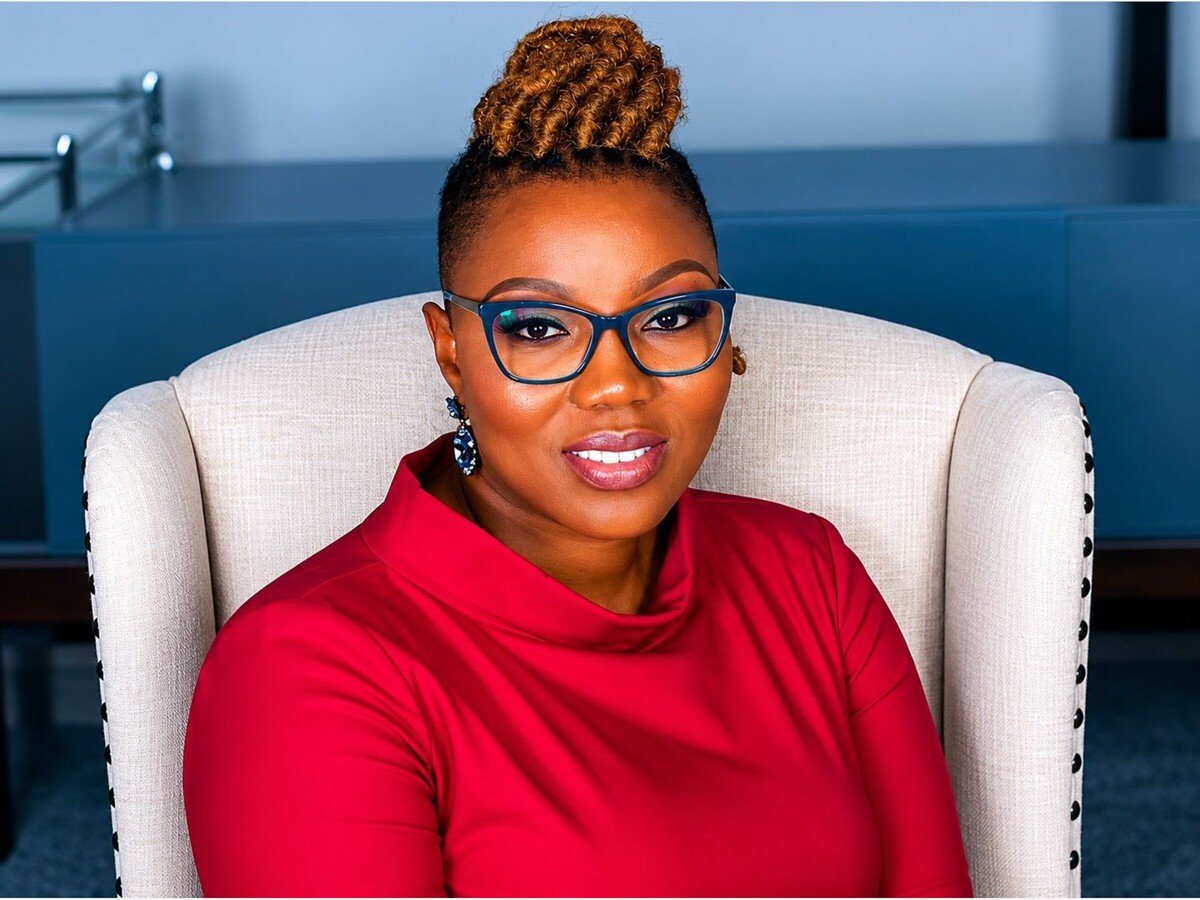



Dr. Altreisha Foster is not one of those people.
To describe her only as a scientist would leave out the entrepreneur. To describe her only as a baker would erase the public health strategist. To speak only about the nonprofit founder would overlook the immigrant daughter, the mother, the researcher, the author, and the woman who spent years learning that healing sometimes arrives through unexpected doors.
Her life has never fit within one lane.
During a recent conversation with MinneapoliMedia for The Power of Her: A Spotlight on Women Building Legacy, Leadership, and Liberation in Minnesota, Dr. Foster reflected on a journey stretching from Jamaica to Minnesota, from infectious disease research to community empowerment, and from childhood hardship to creating spaces where girls can heal, grow, and rediscover themselves.
Throughout the conversation, one theme surfaced repeatedly: survival alone was never enough for her. She wanted more than survival. She wanted transformation. She wanted the determination to rise beyond the circumstances surrounding her as a child.
“I think my mother knew who I was long before I even knew,” Dr. Foster said. “But there was always a longing because of my background that I needed to be successful to change my circumstances.”
That awareness arrived early.
“I knew since I was a little girl that while I didn’t know who I was going to be or what I was going to become, I needed to be someone extraordinary to rise above my personal circumstances.”
She described herself as fearless as a child. She read early, excelled academically, and understood that movement was necessary.
“I didn’t know where I would end up,” she said, “but I knew that I was going to get somewhere.”
That determination would eventually carry her thousands of miles away from Jamaica and into one of the most emotionally difficult decisions of her life.

For many immigrants, migration is often reduced to simplified language: opportunity, education, advancement. What is often left out are the emotional fractures that accompany departure.
For Dr. Foster, leaving Jamaica meant departing during one of the most painful moments imaginable. Her mother had recently been diagnosed with breast cancer and underwent major surgery only weeks before Dr. Foster was scheduled to leave for the United States.
“I left a month after she had that surgery,” she recalled. “Imagine that emotional context.”
Yet even during illness, it was her mother who urged her to continue forward.
“She told me, ‘Don’t stay here and watch me die. Go and make a life for yourself.’”
“I left because I had no choice,” Dr. Foster said. “Had I stayed home, I would not have been able to achieve my purpose.”
She arrived in the United States carrying little materially but carrying enormous expectation emotionally.
“I left home with $900, no tuition, no place to live.”
She was young, uncertain, and stepping into unfamiliar territory. Yet beneath the fear was conviction. She believed her future required movement, even when it hurt.
Howard University became the next chapter in that journey. Fortunately, the transition was softened somewhat by familiarity. Because she had excelled academically in Jamaica, many of the students she encountered at Howard were individuals she had known previously through elite educational circles back home. “I went to school with the Prime Minister's kids, the politicians' kids, ” she said, “people from the upper echelon of the Jamaican fabric, and many of them were at Howard University.”
Seeing familiar faces helped stabilize an otherwise difficult transition.
“That made it pretty easy for me,” she said.
Still, the pressure to perform remained immense.

In Jamaica, Dr. Foster explained, success was often narrowly defined through traditional professions.
“The socialization around education is rich, and they tell you that to be successful, you have to be a lawyer, a doctor, an engineer, or some traditional profession.”
She knew early that law was not for her.
“I didn’t want to be a lawyer because I’m introverted. I don’t talk a lot.”
Science, however, felt natural.
“Whatever it was that involved science was where I was going to go.”
Her interest in medicine and research deepened partly because of her mother’s illness. Originally inspired by renowned neurosurgeon Ben Carson, whose books her mother encouraged her to read, Dr. Foster initially imagined herself pursuing neurosurgery.
“But cancer changed my perspective,” she said. “Research sparked my interest because of my mom’s own cancer. That’s when I went down the research path.”
Science soon evolved from aspiration into vocation.
“I believe that science was my calling,” she said. “I felt like the Lord was leading me into a space of purpose because that’s all I knew.”
“My family is really rich in spirituality,” she explained. “I’m from a religious family. We have a lot of preachers in there.”
She earned her Ph.D. in Microbiology and infectious disease research at a notably young age, completing her doctorate in her mid-twenties. Soon afterward, she became a principal research scientist conducting vaccine-related work internationally.
But even as her professional credentials expanded, her focus remained centered on equity.
“Everyone needs the same kind of healthcare,” she said. “It doesn’t matter who you are, where you’re from, or what socioeconomic status you hold. You need equitable healthcare.”
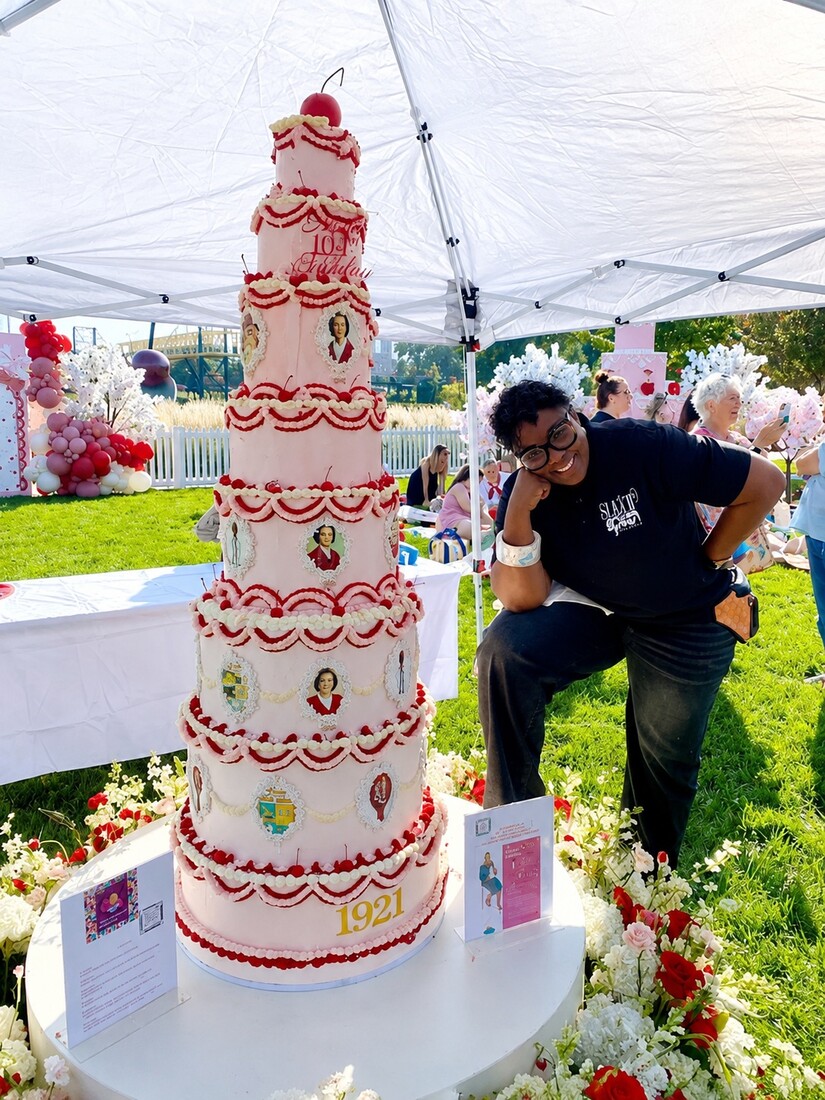
Much of Dr. Foster’s work has focused on infectious diseases, vaccines, and healthcare access. Yet throughout the interview, she consistently resisted speaking about public health solely in technical or academic terms.
For her, public health is deeply personal.
“Most of my work has been about people,” she said. “It’s been people-centered.”
She described working directly with gang members in Caribbean communities to gain safe access to neighborhoods where vaccination outreach was needed.
“When I worked with gang members in the islands to ask them for access to speak to their communities and get their children vaccinated, those are some of the moments that stand out to me.”
She also recalled policy discussions involving expensive vaccines that many families simply could not afford.
“They needed a vaccine that cost almost 500 U.S. dollars,” she explained. “When you convert that, that’s a lot of money.”
She described conversations with government agencies and nonprofit organizations aimed at reducing those costs and expanding access for vulnerable populations.
Again and again, she returned to one central idea: healthcare cannot merely exist in theory. It must reach people where they are.
“It’s the conversations that you’re having at the ground level that actually make a difference,” she said.
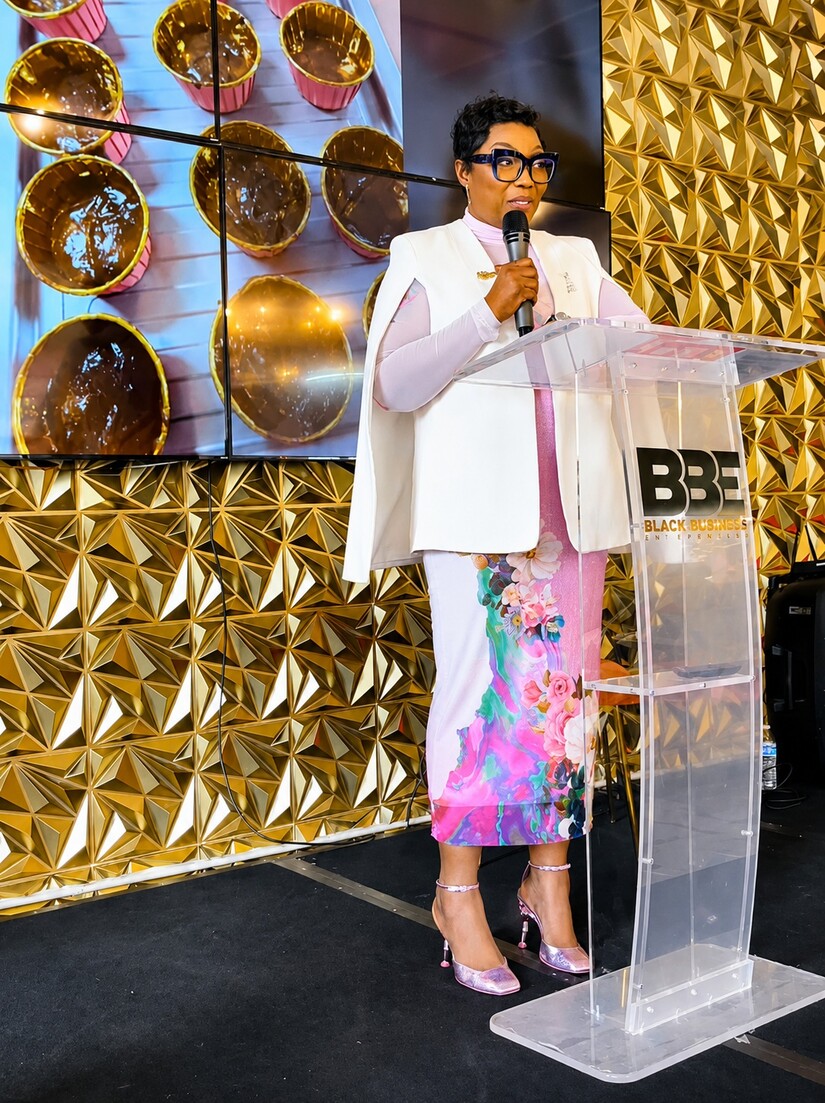
As a woman of African descent navigating elite academic and professional spaces in science, Dr. Foster acknowledged facing repeated attempts to diminish or silence her.
But surrendering her voice was never an option.
“I’ve never not had my voice,” she said firmly.
She described witnessing efforts to undermine her presence and credibility.
“I’ve seen them try to stifle my voice. I’ve seen them try to diminish me. I’ve seen a myriad of things that they’ve tried with women.”
Yet her Jamaican upbringing gave her a particular kind of resilience.
“There is some strength that comes with being Jamaican,” she said. “I am super proud.”
That cultural grounding shaped how she entered rooms and occupied space.
“My culture tells me that I can be bold enough and I can have the audacity to stand in any space.”
She acknowledged feeling the pressures that accompany exclusion and bias. She notices the dismissiveness. She sees the reactions. She understands the subtle hostility that can exist in professional environments.
But she refuses to internalize it.
“I just remain unaffected,” she said. “And I just keep going.”

If science shaped one dimension of Dr. Foster’s life, motherhood reshaped another.
After years of operating at an intense academic and professional pace, she entered a deeply emotional season during pregnancy with her second child, a daughter. That pregnancy forced her to confront unresolved trauma from her own childhood.
“I couldn’t handle the emotions and the realities of now carrying a little girl and understanding the traumas that I experienced as a little girl myself,” she said. “All of those memories came roaring back.”
At the same time, she was unable to continue traveling internationally for work. She found herself physically restricted and emotionally overwhelmed.
“I’m having this very hard pregnancy,” she recalled. “I can’t travel the world and do my work.”
Then something unexpected happened.
“I’m going to do a cookie class.”
That spontaneous decision would alter the direction of her life.
She began baking. Then she continued baking. Soon, she realized the kitchen was becoming more than a hobby.
“I found that I was feeling some form of healing and connectedness with my own mom in the kitchen.”
Within months, her intricate creations began attracting widespread attention.
“International magazines were reaching out to me because they wanted to post one of my cakes.”
More importantly, baking was helping her reconnect with herself.
“It turned into Cake Therapy,” she said.
Eventually, she wrote Cake Therapy: How Baking Changed My Life, documenting the emotional transformation she experienced during that season.
What she discovered in the kitchen extended beyond creativity.
“It allowed me to be able to tell my story,” she said. “To be brave enough to tell the story that lived in me all this time.”
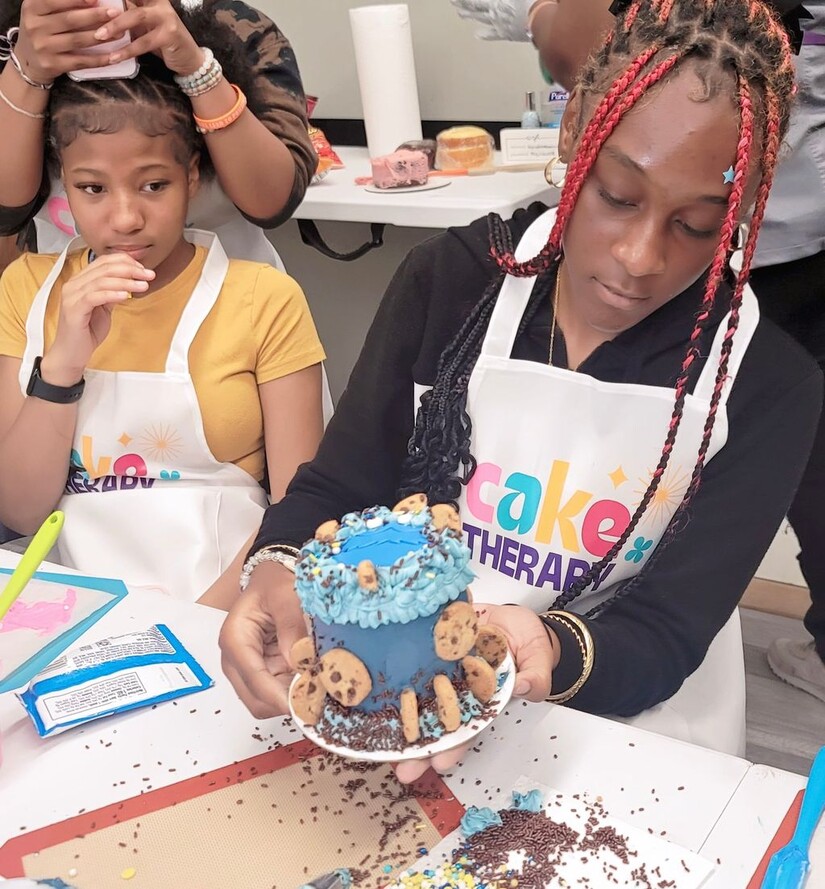
For Dr. Foster, the healing she experienced personally created a new responsibility.
“There was no way I could keep this to myself,” she said.
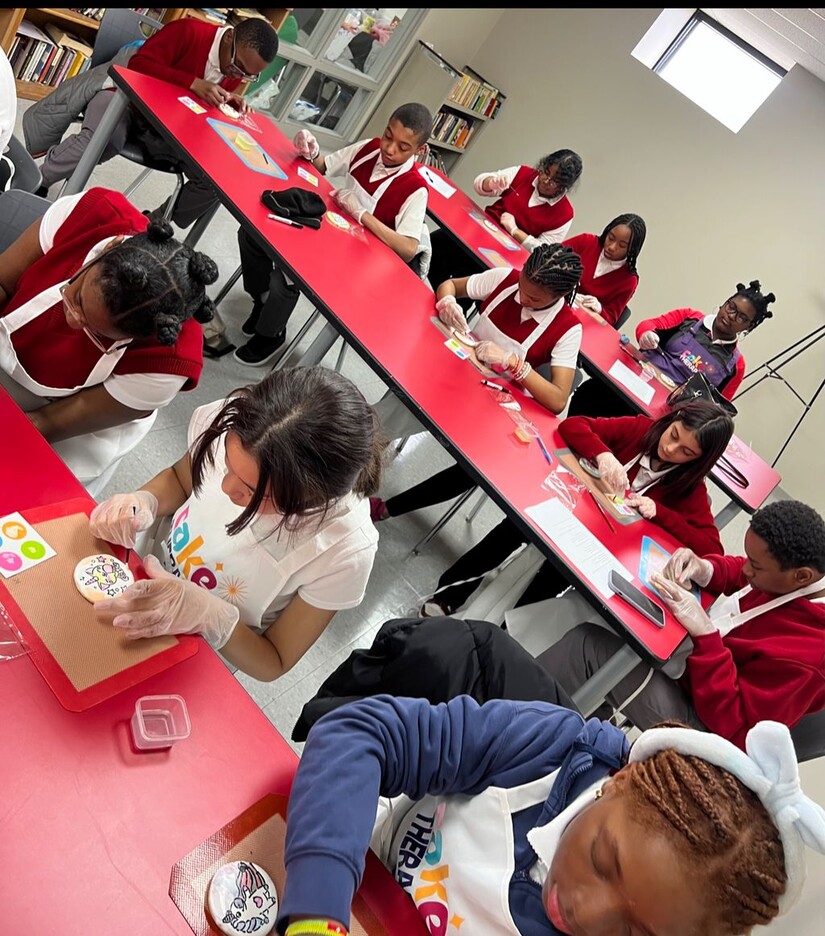
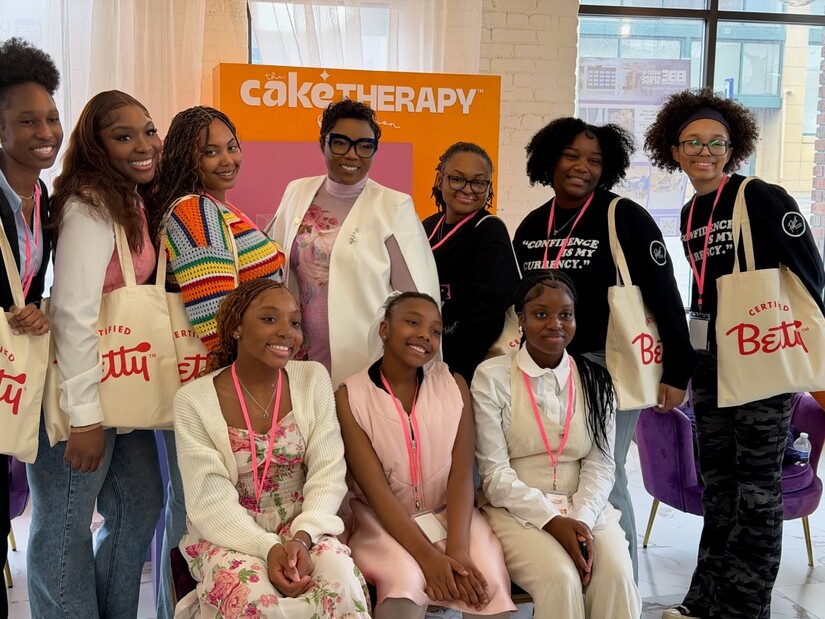
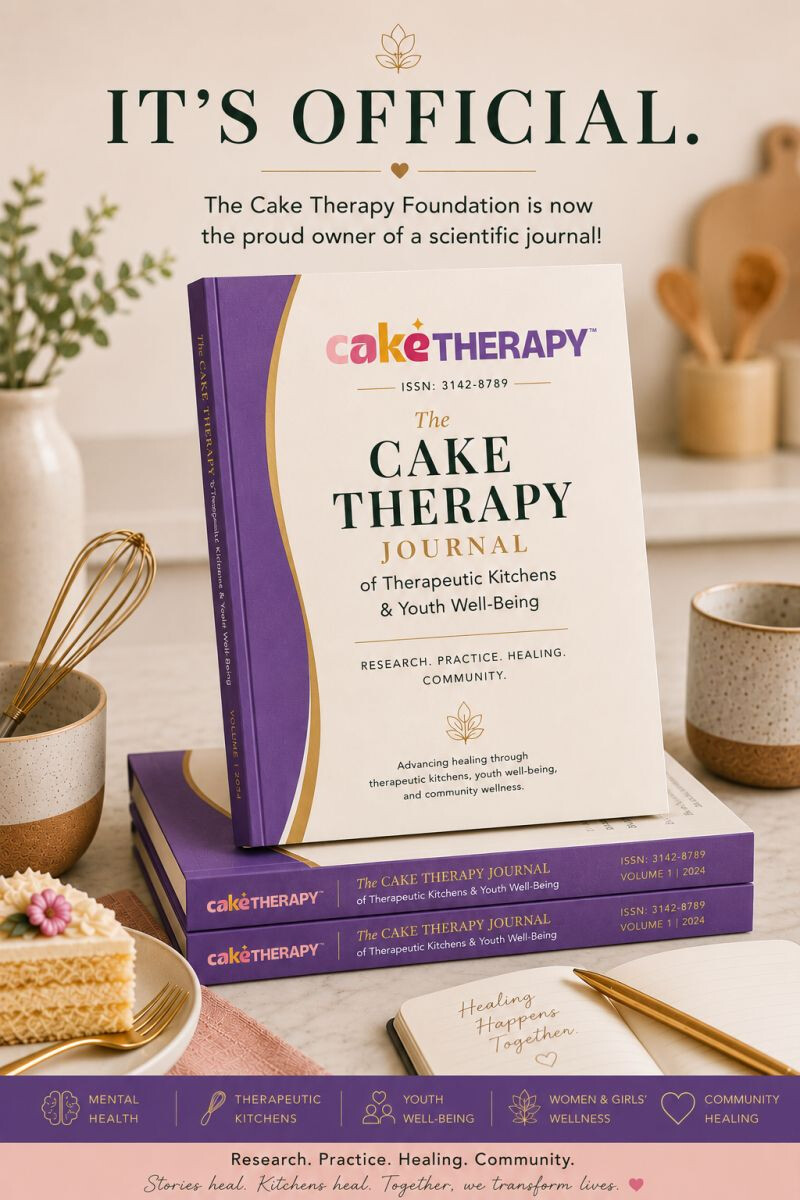
That realization eventually led to the creation of the Cake Therapy Foundation, an initiative focused on supporting girls and young women through baking, mentorship, and emotional development.
She believes deeply that many young girls need safe spaces to process their experiences, particularly those carrying trauma silently.
“I thought this is a powerful tool that I needed when I was 10,” she said. “It’s a powerful tool that I needed when I was 11. So I’m going to give it back to the girl.”
The impact, she says, is visible constantly.
“Every Wednesday when I meet with the girls, I hear that this is the best part of their day.”
Parents have shared similar observations.
“The moms will say, ‘Cake Therapy is really transformative. This is the one thing that I could take away from my daughter that would make her instantly want to clean her room if I threatened to remove Cake Therapy from her life.’”
Those responses continue reinforcing her belief that the work matters.
“It’s not just a mythical thought,” she said. “It’s a tangible therapeutic response that can really change the trajectory of girls’ lives.”
Throughout the interview, Dr. Foster repeatedly returned to one tension: learning to accept that she does not have to choose a single identity.
Scientist. Baker. Author. Mentor. Entrepreneur. Podcast host.
For years, she struggled internally with balancing those worlds against the traditional expectations she inherited growing up.
“I’m still in the process,” she admitted.
In Jamaica, professional prestige was closely tied to highly respected traditional careers.
“So still in my mind, I must hold on to this scientific career,” she said.
At the same time, she recognizes the legitimacy and value of her other passions.
“I’m still unlearning all of that,” she explained. “That I can be anything I want to be.”
That realization now shapes the legacy she hopes to leave behind.
“One can do many things. One can wear many hats. You can be a scientist, but at the same time you can be a podcast host. You can be a scientist, but at the same time you can be a baker.”
Her goal is not simply to succeed across multiple fields. It is to model professional and personal freedom.
“You don’t have to feel confined into a career,” she said.
Near the end of the conversation, Dr. Foster spoke directly to young girls navigating self-doubt, abandonment, or invisibility.
Her words became especially personal as she reflected on growing up without her father.
“My father walked away from my mother when I was a baby,” she said.
For years, she tied her self-worth to that absence.
“I tied all of my dignity and my self-worth to him leaving.”
Over time, she came to understand something different.
“Your legacy is not tied to anyone who left you.”
It was one of the most emotionally resonant moments of the interview.
“You can create a path for yourself,” she continued. “You’ll have to dig deep.”
She acknowledged how difficult it can be to watch others living within what society presents as ideal family structures while feeling disconnected from those realities personally.
But she insists there is still possibility.
“There is beauty that exists in you,” she said. “And you can rise above it and come through and be successful.”
Then she paused and offered perhaps the clearest summary of her own journey.
“I would encourage them to just look at me.”
Despite her professional accomplishments, Dr. Foster’s grounding remains deeply personal.
“My children,” she said immediately when asked what continues to sustain her.
She sees herself reflected in them.
“I see the educational tenacity and drive in both of them. I see the pride of my Jamaican culture in them.”
And she continues carrying her mother’s sacrifices with her.
“She cleaned people’s houses,” Dr. Foster said quietly. “She cleaned the homes of some of my classmates’ families growing up.”
Everything, she said, traces back to that sacrifice.
“I do it for her because I am living the dream that she had for herself, but I’m being successful at the dream that she had for me.”
That, more than awards, titles, or public recognition, remains the force that continues driving her forward.
As part of MinneapoliMedia’s tradition for The Power of Her, guests are asked to identify other women whose work deserves recognition.
Dr. Foster highlighted Minnesota community leaders including Kimberly Holifield and entrepreneur Nancy Korsah, praising both women for their work connecting communities and supporting emerging entrepreneurs.
Then, before the conversation ended, Dr. Foster agreed to return for a future conversation.
“We haven’t finished this story,” she was told.
“I’ll definitely love to be back,” she replied.
It was an appropriate ending because her story remains unfinished.
She is still building, still healing, and still expanding the boundaries of what she once believed she was allowed to become.
Somewhere between the laboratory, the kitchen, motherhood, and community work, Dr. Altreisha Foster is creating a model of leadership that refuses confinement and insists that women shaped by adversity are allowed to become more than one thing at once.
For Minnesota, and for the many girls quietly watching her journey unfold, that may become her most enduring contribution of all.
MinneapoliMedia | Community. Culture. Civic Life.



Sunny, with a high of 87 and low of 64 degrees. Sunny during the morning, patchy rain nearby overnight.