68° and Patchy rain nearby
Image



It is now speaking in unmistakable terms.
Rising insurance premiums. Hospitals warning of potential closure. Clinics consolidating services. Providers organizing in unprecedented ways. Patients delaying care.
Each of these developments, on its own, would warrant concern.
Together, they describe a system at a critical inflection point.
For many across the state, the crisis is already personal.
State data shows that health insurance premiums are climbing sharply into 2026, with increases exceeding 20 percent in the individual market and double-digit growth for small group plans. These increases are not occurring in isolation. They are arriving at a moment when household costs across sectors continue to rise, placing additional strain on families already navigating difficult financial decisions.
The impact is measurable.
Recent findings from Minnesota’s Center for Health Care Affordability indicate that nearly one in four Minnesotans reported delaying or forgoing medical care within the past year due to cost concerns.
That statistic does not simply reflect affordability challenges. It signals a shift in behavior.
Care delayed often becomes care denied. And when it returns, it is frequently more complex and more expensive.
At the same time, a different kind of shift is unfolding within the healthcare workforce itself.
More than 600 physicians, physician assistants, and nurse practitioners affiliated with Allina Health have reached a tentative agreement on their first union contract, marking one of the most significant labor developments in Minnesota healthcare in recent years.
The agreement follows more than two years of negotiations, dozens of bargaining sessions, and a one-day strike that disrupted operations across multiple clinics.
At the center of that movement is Dr. Matt Hoffman, a family physician who has emerged as a leading voice for clinician autonomy and structural reform.
His message has been direct.
Healthcare investment alone is not enough. The question is who controls it.
“We can make an investment in healthcare, but we can’t just leave it up to healthcare CEOs to determine where that money goes.”
Behind that statement is a broader critique of what many providers describe as a shift toward “factory-style” medicine, where productivity metrics and administrative priorities increasingly shape patient care.
The newly negotiated three-year agreement is expected to include:
But its significance extends beyond contract language.
It represents a recalibration of influence within one of the state’s largest healthcare systems.
If there is a single thread connecting nearly every voice in this debate, it is the condition of primary care.
Long viewed as the foundation of an effective healthcare system, primary care in Minnesota is facing sustained pressure from:
Providers argue that without targeted investment, the system will continue shifting toward high-cost, reactive care rather than prevention.
That concern has reached the Capitol.
Lawmakers from both parties are now considering proposals aimed at increasing the share of healthcare spending directed specifically toward primary care, with the understanding that early intervention reduces long-term system costs.
While providers push for structural reform, some hospitals are raising alarms about immediate survival.
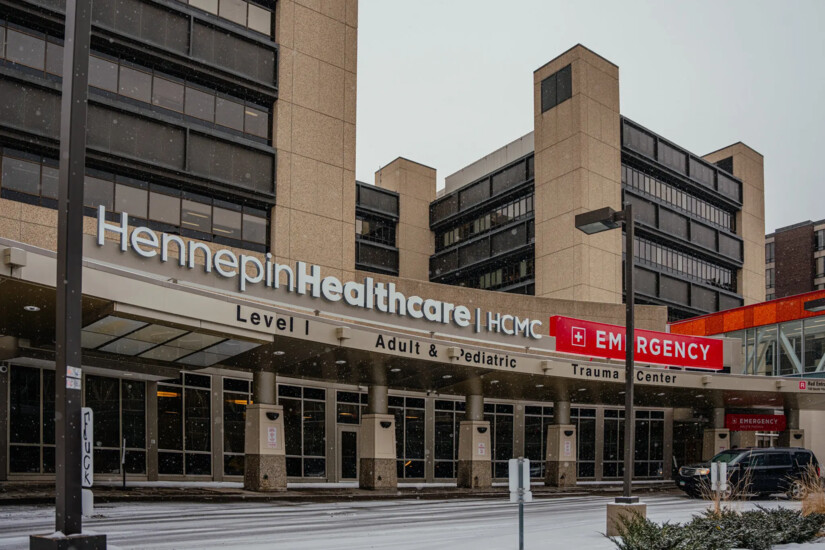
Leaders at Hennepin Healthcare have warned that the institution faces what they describe as a “real risk of closing” without legislative intervention.
The warning is not rhetorical.
Hospital officials report that uncompensated care has surged dramatically, rising from approximately $40 million in 2020 to more than $100 million in recent years. To manage the shortfall, the system has already taken difficult steps, including reducing bed capacity and cutting programs.
The implications of such a closure would extend far beyond a single facility.
Hennepin Healthcare operates one of the region’s most critical emergency and trauma networks. Its destabilization would place immediate strain on surrounding hospitals and emergency services across the metro area.
In response, supporters are advocating for a dedicated funding mechanism, including a proposed one-cent sales tax in Hennepin County, to stabilize operations.
Beyond the metro, a quieter but equally urgent challenge is unfolding.
Nearly 40 percent of rural hospitals in Minnesota are reportedly operating at a loss, raising the prospect of expanding “healthcare deserts” in Greater Minnesota.
These facilities often serve as the only point of access for:
When they close or reduce services, the consequences are immediate and far-reaching.
Patients travel farther. Care is delayed. Outcomes worsen.
State and federal policymakers have begun exploring targeted grants and reimbursement adjustments, but providers warn that short-term relief will not address long-term sustainability.
Across the state, healthcare systems are making difficult decisions.
Clinics are consolidating.
Services are being reduced.
Facilities are reassessing their long-term viability.
These decisions are often framed as financial necessity, driven by reimbursement challenges, labor costs, and shifting patient volumes.
But for communities, the impact is tangible.
Access narrows.
Options diminish.
And the distance between patients and care continues to grow.
With lawmakers returning to session, healthcare is expected to dominate the legislative agenda.
Key priorities include:
What makes this moment distinct is not just the scope of the challenges, but the alignment of voices calling for action.
Patients.
Providers.
Hospital leaders.
Policy analysts.
Each is describing a system that requires intervention.
Minnesota has long been recognized for the strength of its healthcare system.
But that reputation is now being tested.
The current moment is defined not by a single crisis, but by the convergence of several:
Together, they form a picture of a system that is not collapsing, but is undeniably under strain.
The decisions made in the coming weeks at the Capitol will shape more than policy.
They will influence:
For now, one reality is clear.
Healthcare in Minnesota is no longer a background issue.
It is at the center of the state’s future.
MinneapoliMedia will continue to follow legislative developments and healthcare system changes as this story unfolds.
MinneapoliMedia | Community. Culture. Civic Life.



Overcast, with a high of 73 and low of 57 degrees. Overcast during the morning, partly cloudy overnight.