Image
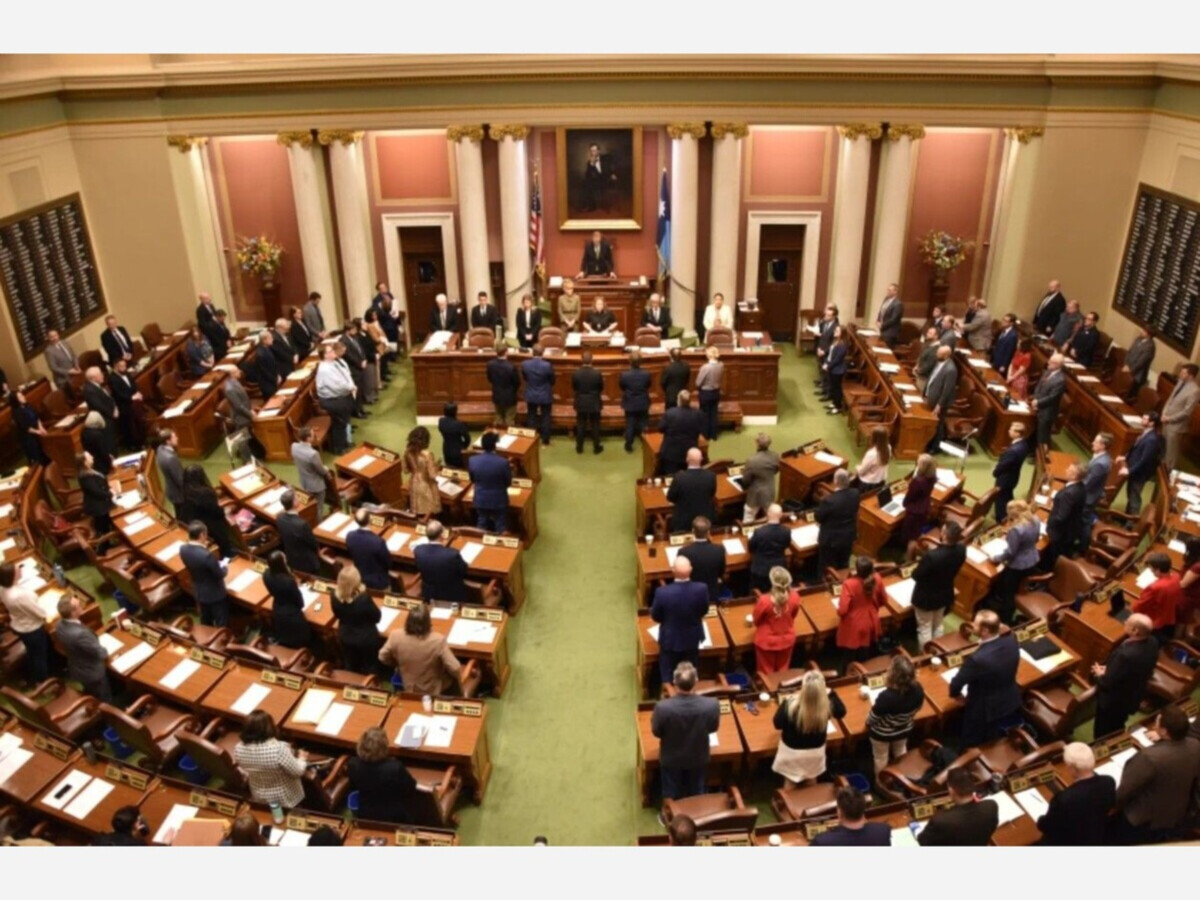



The legislation, House File 2904, is sponsored by Liz Reyer and would establish the Educator Group Insurance Program, a centralized system designed to stabilize insurance premiums by pooling school employees across the state into a single plan.
Under the legislation, public school employees, including teachers, support staff, and administrators, would transition into a unified insurance pool administered at the state level. The structure is modeled after Minnesota’s existing State Employee Group Insurance Program, which spreads risk across a large population of state workers.
Supporters argue that combining employees from more than 300 school districts into one system would strengthen negotiating power with insurers and reduce administrative fragmentation that currently exists across districts.
Minnesota school districts typically manage health insurance independently or through small regional pools. This structure exposes districts to volatility, particularly when claims costs fluctuate.
In smaller or self-insured groups, a limited number of high-cost medical cases can significantly increase overall premiums. District officials and labor representatives have described this as a structural issue, where the size of the insurance pool directly affects cost stability.
Even larger districts have reported similar challenges.
In Anoka-Hennepin, the state’s largest school district, officials have reported significant premium increases tied to claims experience. For the 2025 to 2026 plan year, health insurance premiums increased by approximately 22 percent, according to district and labor reporting.
District officials attributed the increase to high-cost claims, including multiple individual cases exceeding $250,000 and $500,000. Those costs required adjustments to plan design and employee contributions during contract negotiations.
The district’s experience has been cited by lawmakers and advocates as evidence that size alone does not fully shield districts from volatility under the current system.
Supporters of the Educator Group Insurance Program say a unified system would address several structural issues:
Advocates argue that the current system forces districts to absorb healthcare increases within limited budgets, often affecting wage negotiations and staffing decisions.
As of early 2026, the proposal remains under legislative review. Lawmakers are considering a phased approach that includes:
Supporters have indicated that any transition would likely require multiple years, with planning, data analysis, and coordination between districts and labor groups.
The proposal raises several operational and policy considerations that lawmakers are continuing to evaluate.
Health insurance for school employees is currently negotiated through local collective bargaining agreements. Transitioning to a statewide system would require coordination to ensure continuity of coverage and alignment with existing contracts.
Additional issues under review include:
Policy analysts note that similar statewide systems in other sectors require detailed transition planning to avoid disruptions.
Advocates for the statewide pool frame the proposal as a structural reform intended to separate healthcare cost pressures from local budget decisions.
Educator groups have argued that rising insurance costs are increasingly competing with wages and classroom resources, creating recurring challenges during contract negotiations.
Observers have emphasized the complexity of implementation and the need for detailed cost modeling before adoption.
The legislation is expected to continue through committee review, with additional hearings focused on cost projections, governance structure, and stakeholder input.
For districts such as Anoka-Hennepin, where recent premium increases have highlighted system vulnerabilities, the outcome of the proposal could influence future budgeting, labor negotiations, and employee benefits planning.
MinneapoliMedia | Community. Culture. Civic Life.



Overcast, with a high of 94 and low of 69 degrees. Overcast in the morning,