Image
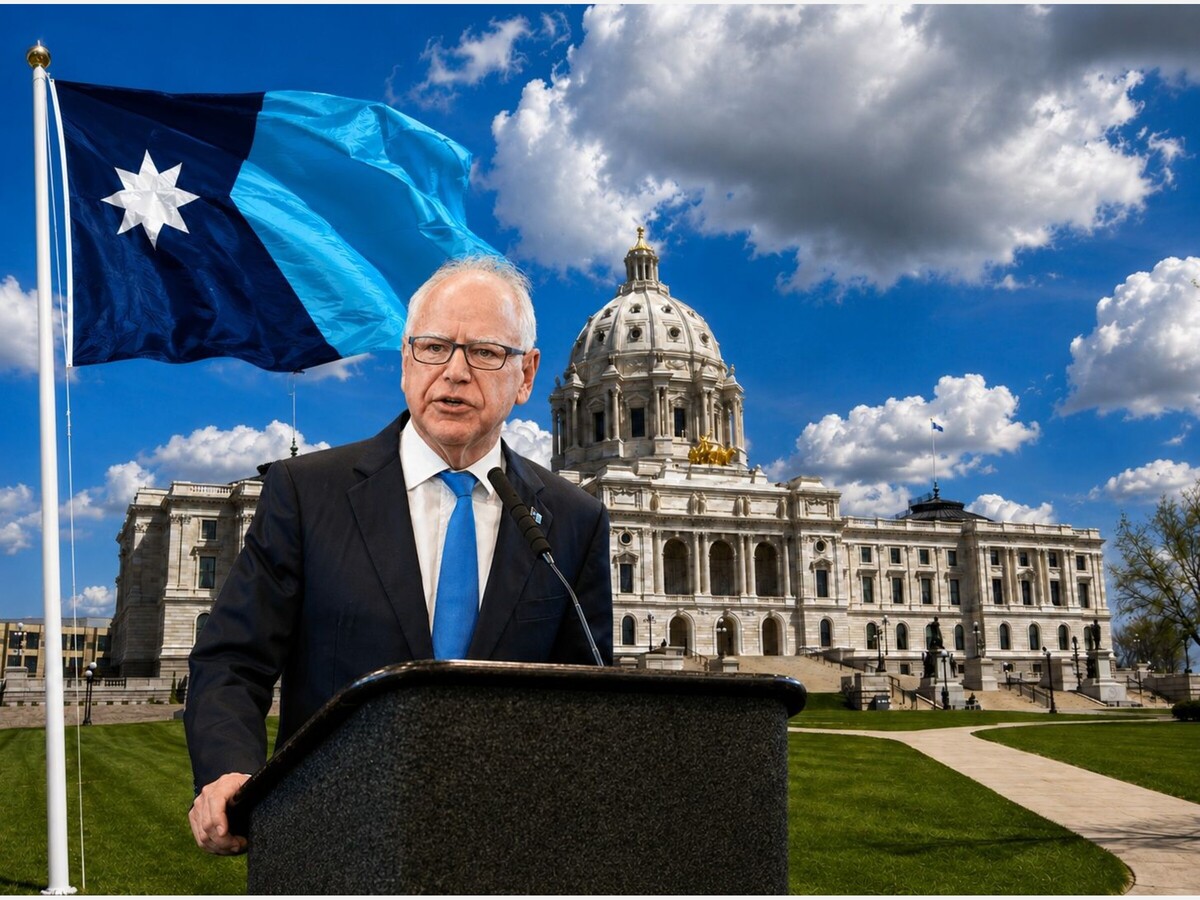



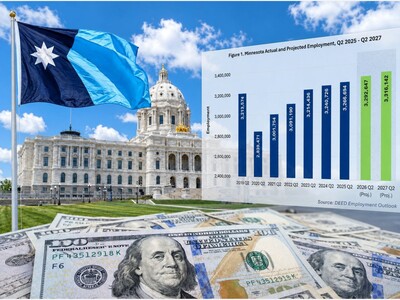
ST. PAUL, MN, (May 15, 2026) Gov. Tim Walz and legislative leaders reached a late-session budget framework Wednesday that includes emergency funding for Hennepin County Medical Center, property tax relief, temporary vehicle registration fee reductions, anti-fraud measures, human services technology upgrades and a $1.2 billion bonding package for statewide infrastructure projects.
The agreement gives lawmakers the budget targets needed to complete the remaining bills of the biennium before the Legislature’s constitutional adjournment deadline. The deal came with four days remaining in the 2026 session.
The supplemental budget framework totals nearly $660 million. It includes $205 million in immediate stabilization funding for Hennepin County Medical Center and creates a hospital reserve account that could provide additional support for hospitals facing uncompensated care pressures.
The agreement also directs $125 million toward a 12% increase in homestead tax credit refunds payable for taxes due in 2026. It includes a temporary reduction in vehicle registration fees, funding for human services technology modernization and additional anti-fraud measures.
“This agreement reflects the disciplined, fiscally responsible approach Minnesotans expect,” Walz said in a statement. “We are keeping a balanced budget, making targeted reductions, and focusing every dollar on core priorities: fiscal sustainability, critical infrastructure, and the health and wellbeing of our communities.”
The $1.2 billion bonding agreement would fund capital investment projects across Minnesota. Sen. Sandra Pappas, DFL-St. Paul, chair of the Senate Capital Investment Committee, said the package would support needs ranging from rural roads and higher education buildings to water treatment capacity in small communities.
“I am elated that the Governor and the Legislature reached a deal which includes a $1.2 billion bonding bill,” Pappas said in a statement. “Minnesotans deserve this investment.”
Pappas said the proposal would help address infrastructure pressures affecting farmers, students and local governments, including rural transportation systems, aging college buildings and water treatment limits that can restrict growth in smaller cities.
Bonding bills are among the most difficult measures to pass at the Minnesota Capitol because they require a three-fifths vote in both chambers. That threshold generally requires bipartisan support, particularly under divided government.
The agreement follows weeks of public disagreement over the size and scope of a bonding bill. Earlier this month, Pappas and House Capital Investment Committee leaders emphasized the need for drinking water infrastructure, including lead service line replacement, while negotiations were still underway.
House Speaker Lisa Demuth, R-Cold Spring, said the broader budget agreement delivers Republican priorities, including car tab relief, property tax relief, anti-fraud measures and support for hospitals.
House DFL Leader Zack Stephenson, DFL-Coon Rapids, said the deal does not include every Democratic priority but provides needed stability for HCMC.
Senate Majority Leader Erin Murphy, DFL-St. Paul, criticized parts of the process and said several DFL priorities were left out, including small business relief, low-income rent and energy assistance, rural emergency medical services stabilization and restrictions on private equity ownership of nursing homes and single-family housing.
The final days of session are also being shaped by a separate dispute over gun legislation. House DFLers have pressed Republican leadership to allow a vote on HF3874/SF4067, a Senate-passed gun violence prevention package that includes proposed bans on the sale of semiautomatic military-style assault weapons and large-capacity magazines. The Senate passed the bill 34-33 on May 4.
House DFL members staged an overnight sit-in after efforts to force a vote failed. The protest came as the session deadline approached and as gun control advocates continued urging lawmakers to act.
The budget and bonding agreement still must be translated into final bill language and approved by both chambers before adjournment.
MinneapoliMedia | Community. Culture. Civic Life.

Sunny, with a high of 86 and low of 49 degrees. Sunny in the morning, clear overnight.