70° and Sunny
Image
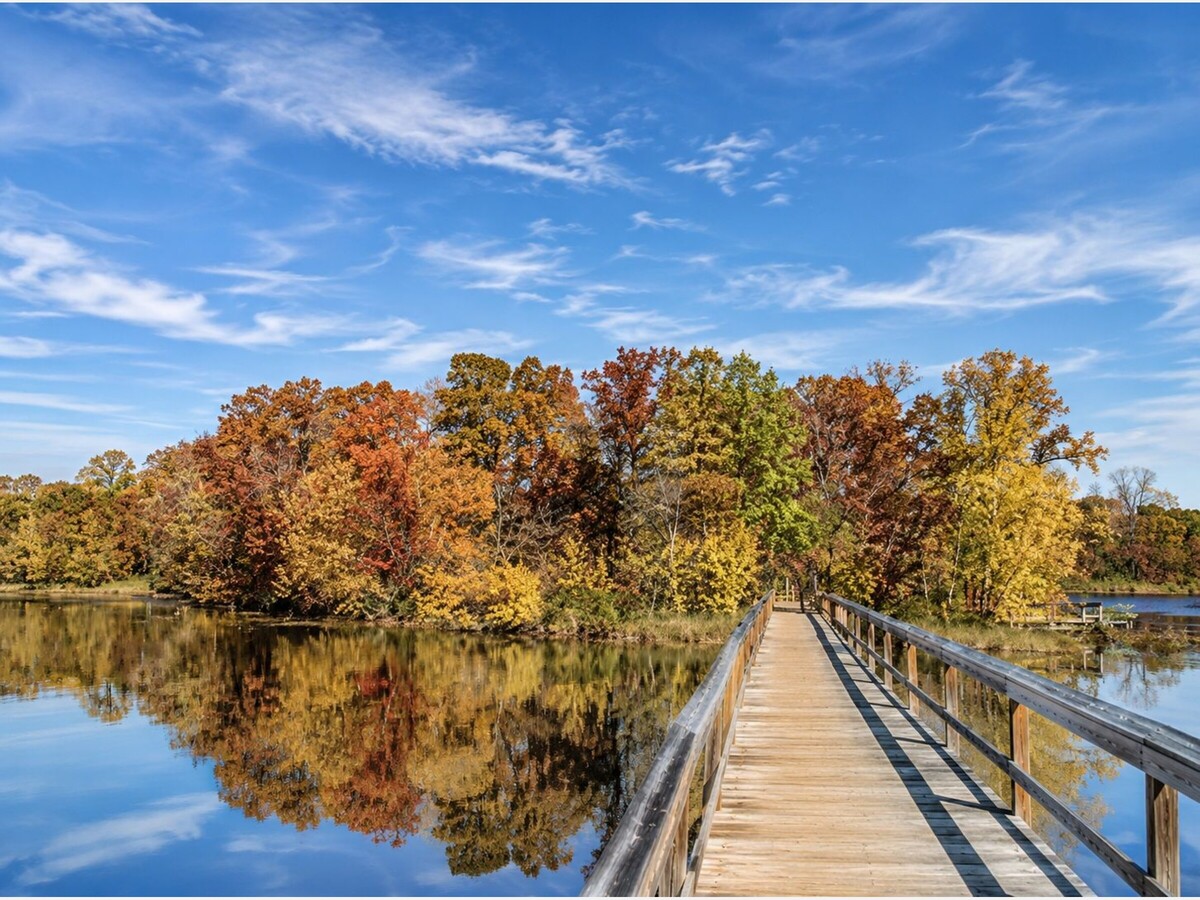



From Minneapolis and St. Paul to suburban communities including North St. Paul, Oakdale, Roseville, Rosemount, Maple Grove, and Monticello, multiple public agencies and nonprofit groups are distributing free trees to residents while encouraging broader participation in neighborhood greening, climate resilience, and environmental restoration efforts.
Many of the programs are tied to Arbor Day celebrations, seasonal planting cycles, climate adaptation planning, and long-term urban forestry strategies designed to rebuild tree coverage in neighborhoods historically identified as having lower canopy density and higher exposure to environmental stressors.
Urban forestry advocates and municipal officials increasingly describe tree planting not simply as beautification work, but as essential public infrastructure connected to public health, climate resilience, stormwater management, and neighborhood sustainability.
Research from the United States Forest Service and urban climate studies conducted nationwide have consistently shown that neighborhoods with lower tree coverage often experience significantly higher surface temperatures during summer months, contributing to urban heat island effects that can worsen respiratory illnesses, increase energy costs, and elevate heat-related health risks.
In Minneapolis, the Minneapolis Park and Recreation Board and the City of Minneapolis continue to support canopy restoration through initiatives such as the City Trees Green Zone Program.
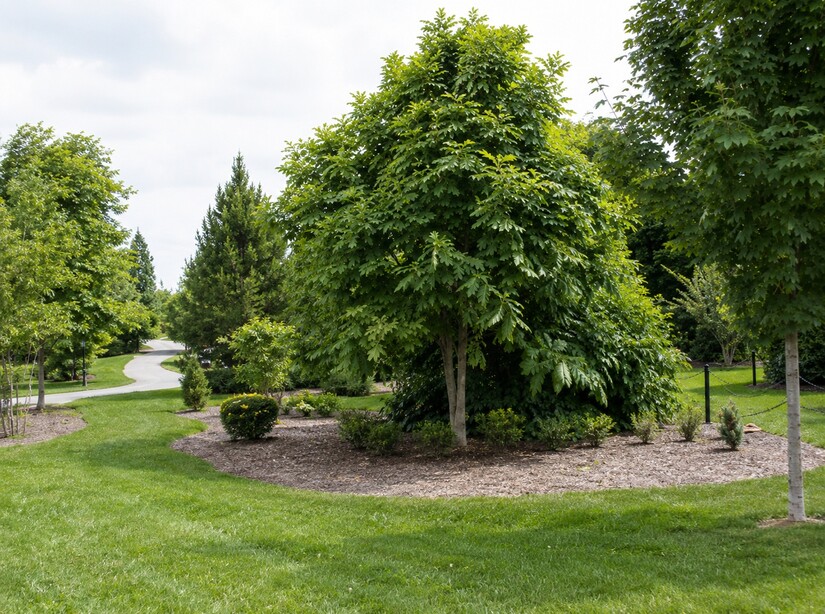
The program offers free trees and full-service planting assistance to eligible residents living within designated Green Zone neighborhoods, areas identified by the city as communities facing elevated environmental and public health burdens.
Applications for the program are reviewed year-round, with seasonal deadlines generally falling around February 15 for spring planting and July 15 for fall planting.
According to city program materials, qualifying residents may receive:
• Free trees for private property planting • Site and yard assessments • Full-service planting assistance • Guidance on long-term tree care and maintenance • Support aimed at improving long-term canopy density in underserved neighborhoods
The city’s environmental equity framework has increasingly prioritized investments in neighborhoods experiencing disproportionate exposure to air pollution, reduced green space, and heat retention associated with dense pavement and development.
Community-based nonprofit partnerships have also become central to urban greening efforts.
Organizations such as Tree Trust have partnered with local neighborhood groups and community initiatives to coordinate targeted tree distributions in Minneapolis neighborhoods. In previous efforts, residents receiving trees were primarily required to commit to watering and maintaining the plantings.
In St. Paul, nonprofit organizations continue to lead some of the metro area’s most active residential tree initiatives.
Urban Roots, headquartered on the East Side of St. Paul, operates a free tree distribution and planting support program serving neighborhoods including the East Side, North End, Payne-Phalen, Hamline-Midway, and Summit-University.
Residents participating in the program may receive:
• Free yard trees • Utility coordination and line checks • Site evaluations • Planting guidance and support
Urban Roots has stated that its annual ordering and waitlist process typically opens during the spring planting season.
Environmental restoration nonprofit Great River Greening has also continued seasonal community tree giveaway initiatives tied to watershed restoration, environmental stewardship, and neighborhood canopy expansion.
Several of the organization’s distribution events have been hosted through partnerships with local recreation centers and community hubs in St. Paul.
Additional neighborhood-focused planting efforts have emerged through organizations such as Frogtown Farm, which has partnered with national environmental organizations including the Arbor Day Foundation to support urban fruit tree distributions and neighborhood planting events intended to strengthen both food access and urban canopy growth.
On St. Paul’s West Side, the West Side Community Organization has maintained localized tree giveaway efforts aimed at increasing residential participation in long-term canopy restoration while providing educational support related to planting and maintenance.
Suburban municipalities across the Twin Cities metro have also expanded or maintained annual free tree distribution programs.
The City of North St. Paul continues operating a seasonal tree lottery program allowing residents to apply for free trees each spring, generally timed around Arbor Day.
Available species have included maple, birch, oak, magnolia, and crabapple varieties intended for planting on private residential property.
The City of Roseville, frequently partnering with Tree Trust, has also coordinated property-owner tree lotteries providing free residential trees to selected participants.
Meanwhile, the City of Oakdale has continued Arbor Day seedling giveaways through local public works and fire station community events.
Additional suburban communities including Rosemount and Monticello have hosted localized seedling distributions and public planting events tied to annual Arbor Day observances.
Maple Grove’s Arbor Day celebrations have additionally featured seedling giveaways, environmental education booths, community activities, and tree raffles designed to increase public engagement with urban forestry and sustainability initiatives.
At the statewide level, the Minnesota Department of Natural Resources continues promoting Arbor Month education and tree stewardship efforts while encouraging local governments and residents to participate in long-term urban forestry initiatives.
The agency has consistently emphasized the role of urban forests in:
• Reducing stormwater runoff • Improving air quality • Lowering neighborhood temperatures • Supporting wildlife habitat • Preventing soil erosion • Reducing energy costs through natural cooling
Environmental advocates say the work has become increasingly urgent as Minnesota communities continue confronting the combined pressures of aging urban tree populations, emerald ash borer destruction, severe weather events, and accelerating climate variability.
The emerald ash borer infestation in particular has dramatically altered large portions of the Twin Cities urban canopy over the past two decades, forcing municipalities to rethink long-term reforestation strategies and diversify future plantings.
Many of the free tree programs operating across the metro rely on partnerships involving city forestry departments, conservation nonprofits, neighborhood associations, grant funding, volunteers, and environmental justice initiatives.
Most programs prioritize homeowners or property owners within participating neighborhoods and municipalities, with eligibility requirements and registration processes varying by city and organization.
Although many 2026 Arbor Day giveaways occurred during April and early May, several Twin Cities-area waitlists, planting programs, and seasonal distributions remain active heading into the summer planting cycle.
As Twin Cities communities continue balancing growth, infrastructure demands, environmental sustainability goals, and climate adaptation planning, urban forestry initiatives are increasingly emerging as a visible intersection between public health policy, environmental stewardship, neighborhood equity, and civic investment.
For many residents, the programs represent more than simple landscaping efforts. They offer a long-term investment in neighborhood resilience, cleaner air, expanded shade coverage, environmental restoration, and the rebuilding of public green spaces that future generations will inherit.
MinneapoliMedia | Community. Culture. Civic Life.

Sunny, with a high of 82 and low of 52 degrees. Sunny in the morning, clear overnight.