Image




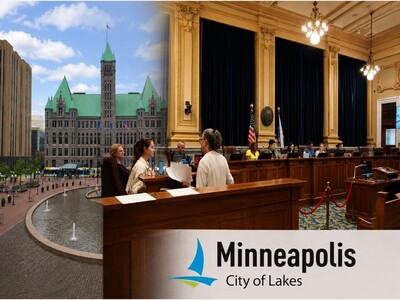
ROBBINSDALE, MN (June 9, 2026) The future of one of Minnesota's most important healthcare systems moved into public view Tuesday evening as Minnesota Attorney General Keith Ellison convened a public forum in Robbinsdale to gather community input on Sanford Health's proposed acquisition of North Memorial Health.
The meeting, held from 6:00 p.m. to 8:00 p.m., is part of an extensive state review process examining whether the transaction serves the public interest and complies with Minnesota's healthcare, charity, and antitrust laws. For patients, healthcare workers, local elected officials, and community advocates, the forum represents a rare opportunity to directly influence regulatory scrutiny of a deal that could reshape healthcare delivery across the Twin Cities and much of Minnesota for decades to come.
"This review is about more than a business transaction," state officials have emphasized. "It is about the long-term impact on patients, workers, communities, and access to care."
The Attorney General's Office is conducting the review in consultation with the Minnesota Department of Health under enhanced state oversight provisions adopted in recent years as lawmakers responded to growing concerns about healthcare consolidation nationwide. While the Attorney General does not formally approve or deny the transaction, the office possesses authority to challenge or seek to block mergers found to violate state healthcare, charitable trust, or antitrust laws.
The questions facing regulators are significant: Will the merger improve access to care? Will it preserve competition? Will it strengthen struggling facilities? Will healthcare become more affordable? And what happens to the thousands of healthcare workers whose careers are tied to the outcome?
Those questions are expected to shape both public testimony and the state's ultimate evaluation.
The proposed acquisition was announced on May 8, 2026, when Sanford Health and North Memorial Health disclosed that they had signed a definitive affiliation agreement.
Under the proposal, North Memorial Health would become a subsidiary of Sanford Health while continuing to operate under the North Memorial brand and maintaining a substantial Twin Cities presence.
Headquartered in Sioux Falls, South Dakota, Sanford Health has grown into one of the nation's largest rural nonprofit health systems. The organization employs approximately 55,000 people and operates hospitals, clinics, specialty facilities, and healthcare programs across multiple Upper Midwest states.
North Memorial Health, meanwhile, occupies a unique position within Minnesota's healthcare ecosystem. The system employs more than 6,500 people and operates North Memorial Health Hospital in Robbinsdale, Maple Grove Hospital, ambulance services, specialty centers, and more than twenty clinics throughout the metropolitan region.
Its Robbinsdale campus is particularly significant. The hospital houses one of Minnesota's Level I Trauma Centers and serves as a critical safety-net institution for communities throughout Hennepin County and beyond. For many Minnesotans experiencing severe injury, medical emergencies, or complex trauma, North Memorial's emergency and trauma services represent a lifeline.
The proposed transaction would establish North Memorial as Sanford Health's Twin Cities care-delivery region, giving Sanford a substantial presence in Minnesota's largest metropolitan market after years of seeking greater expansion within the state.
At the center of Sanford's pitch is a commitment to invest approximately $600 million into Twin Cities healthcare infrastructure.
According to information released by the health systems, part of that funding would be directed toward stabilizing and strengthening North Memorial Health Hospital in Robbinsdale, a facility that has faced mounting financial pressures common throughout the healthcare industry.
Hospital leaders have pointed to rising labor costs, reimbursement challenges, workforce shortages, and increasing demand for emergency and trauma care as significant pressures affecting healthcare providers nationwide.
Additional investment would be directed toward North Memorial Health-Maple Grove Hospital, where officials have outlined plans to substantially expand capacity.
The proposal calls for approximately doubling the size of Maple Grove Hospital, including additional inpatient beds, surgical capacity, and emergency department resources. The facility already houses Minnesota's largest birth center and serves one of the fastest-growing suburban populations in the state.
Supporters argue the investment could help secure the long-term stability of critical healthcare infrastructure at a time when hospitals across Minnesota and the nation continue to confront unprecedented financial and operational challenges.
One of the central concerns raised whenever large healthcare systems consolidate is whether local control survives after the transaction is completed.
Sanford and North Memorial executives have attempted to address those concerns by outlining a governance structure designed to preserve local leadership.
Under the proposed arrangement, North Memorial Health President and Chief Executive Officer Trevor Sawallish would continue leading the Twin Cities region. A local board of directors would remain in place, while two representatives from that board would also join Sanford Health's Board of Trustees.
Company officials have argued that the structure allows North Memorial to maintain its local identity while gaining access to Sanford's broader financial and operational resources.
Whether community members view those assurances as sufficient remains an open question and is expected to be a major topic during the review process.
While healthcare executives have emphasized investment, stability, and expanded services, labor organizations have focused attention on workforce protections and accountability.
The Minnesota Nurses Association has publicly expressed concerns regarding the acquisition and has called for greater transparency regarding staffing commitments, worker protections, collective bargaining agreements, and future decision-making authority.
The transaction arrives amid an already tense labor environment.
At Maple Grove Hospital, contract negotiations involving hundreds of nurses have drawn significant attention. Elsewhere within the Sanford system, nurses have publicly raised concerns regarding staffing levels, workplace conditions, and patient-care resources.
Union leaders have argued that any merger involving nonprofit healthcare institutions should include enforceable commitments protecting workers, preserving bargaining rights, and maintaining safe staffing levels.
For many healthcare employees, the central question is whether consolidation will create greater stability or further distance critical decisions from the communities most affected by them.
The Attorney General's review extends far beyond balance sheets and organizational charts.
Regulators are expected to examine how the transaction could affect:
• Patient access to care.
• Healthcare affordability and pricing.
• Emergency and trauma services.
• Competition within Minnesota healthcare markets.
• Workforce stability and labor protections.
• Community benefit obligations.
• Access for underserved and vulnerable populations.
• Preservation of charitable healthcare assets.
Such reviews have become increasingly important as healthcare systems nationwide pursue mergers, affiliations, and acquisitions in response to financial pressures and changing healthcare economics.
Supporters frequently argue that larger systems can leverage economies of scale, invest in technology, recruit specialized physicians, and stabilize struggling facilities.
Critics often counter that consolidation can reduce competition, weaken local accountability, increase healthcare costs over time, and centralize decision-making authority away from the communities being served.
Minnesota regulators must ultimately determine whether the proposed transaction advances the public interest while preserving legal protections intended to safeguard patients and charitable healthcare resources.
Tuesday's Robbinsdale forum is only one component of the state's review process.
Residents unable to attend in person may still submit comments through the Attorney General's Office online community input form or provide verbal testimony through designated public comment phone lines.
Officials say all testimony received will become part of the review record and will help inform the state's evaluation before any final determination is made.
No closing date has yet been formally approved by regulators, though the health systems have indicated they hope to complete the transaction later in 2026.
For now, the future of the proposed acquisition remains uncertain.
What is certain is that the decision will extend far beyond corporate boardrooms. It will influence where Minnesotans receive care, where healthcare workers build careers, how trauma services are delivered, and how one of the state's most important nonprofit healthcare institutions evolves in the years ahead.
As testimony begins and regulators continue their review, Minnesota finds itself confronting a question increasingly faced by communities across America: when healthcare systems grow larger in pursuit of stability and scale, how can the public ensure that patients, workers, and local communities remain at the center of the equation?
MinneapoliMedia | Community. Culture. Civic Life.


Overcast, with a high of 63 and low of 56 degrees. Overcast in the morning, light rain shower in the afternoon, overcast overnight.