68° and Patchy rain nearby
Image
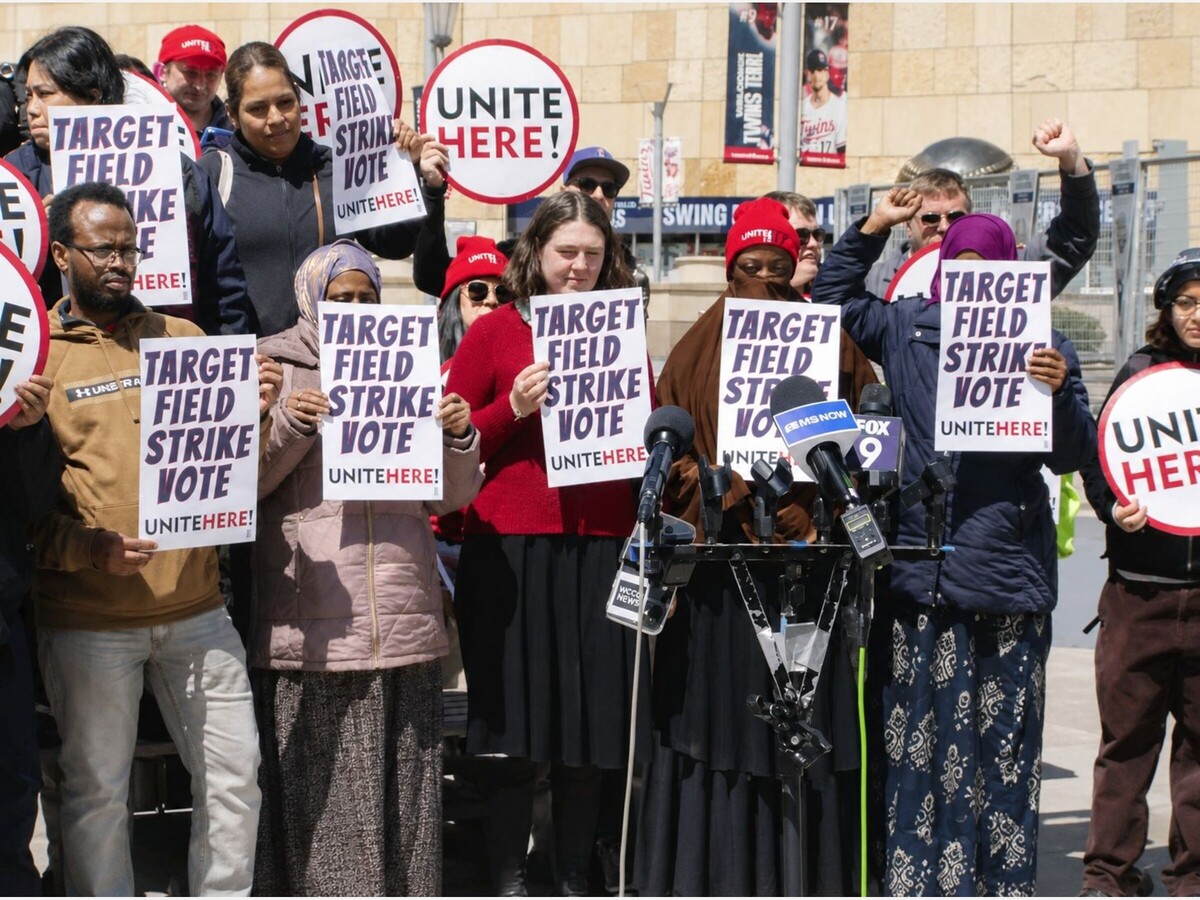



Nearly 500 concession, hospitality, bartending, food service, suite, and premium-club workers employed by Delaware North and represented by UNITE HERE Local 17 are expected to announce a strike date Thursday, escalating a contract dispute that could affect operations during one of the busiest stretches of the Minnesota Twins season.
The announcement would mark the most significant development yet in negotiations that have increasingly centered on wages, healthcare access, job security, and the future of hospitality work at one of Minnesota's most prominent public venues.
With the previous collective bargaining agreement having expired on January 31, workers are legally positioned to strike if union leadership determines negotiations have reached an impasse.
The move would represent one of the most consequential labor actions at Target Field since the ballpark opened in 2010.
The potential strike follows an overwhelming strike authorization vote completed on May 4.
According to UNITE HERE Local 17, approximately 81 percent of participating members voted in favor of granting the union's bargaining committee authority to call a strike if negotiations fail to produce a new agreement.
While a strike authorization vote does not automatically trigger a work stoppage, labor experts often view such votes as a critical indicator of member unity and bargaining leverage.
The vote also reflected a broader shift inside Target Field's hospitality workforce.
In recent years, the union expanded its representation by organizing approximately 200 additional premium service, restaurant, and suite employees, significantly enlarging the bargaining unit and strengthening its negotiating position.
As a result, a substantial portion of Target Field's hospitality operations now falls under union representation, increasing the potential operational impact of any future work stoppage.
At the center of the dispute is a question increasingly heard throughout Minnesota's service economy: whether wages have kept pace with the cost of living.
Union leaders are seeking a minimum wage floor of $20 per hour for concession workers beginning in the 2026 season, coupled with guaranteed annual increases.
Workers argue that current compensation levels fail to reflect the economic realities facing hospitality employees in the Twin Cities.
Many concession workers report earning wages that begin around $16 per hour, a figure union representatives say has become increasingly difficult to live on as housing, transportation, healthcare, and food costs continue rising throughout the metropolitan area.
Labor organizers have frequently highlighted the contrast between stadium prices and employee earnings.
During public demonstrations this spring, workers noted that some food items sold inside the stadium cost nearly as much as an employee earns during an hour of work.
For union members, the wage proposal is not simply about higher pay. It is about creating a compensation structure they believe can sustain long-term employment in the hospitality industry.
Healthcare has emerged as an equally significant point of contention.
Because many concession employees work seasonally, part-time, or on event-based schedules, access to affordable health insurance remains a challenge.
UNITE HERE Local 17 has proposed a healthcare framework that would allow Target Field workers to participate in a broader multi-employer benefits pool shared with workers at other major sports and entertainment venues across the region.
Under the concept, employees could accumulate qualifying work hours across multiple venues, creating a pathway toward year-round healthcare eligibility.
Union officials argue that such an approach reflects the realities of modern hospitality employment, where workers often move between venues, events, and seasonal schedules while remaining within the same industry.
For many workers, healthcare access has become as important as wage increases in determining whether hospitality employment remains a viable career path.
Another significant issue involves the stadium's use of nonprofit volunteer groups.
Like many professional sports venues, Target Field utilizes nonprofit organizations that staff concession operations in exchange for fundraising opportunities benefiting community groups.
The practice has long been common throughout the sports industry.
Union leaders, however, argue that expanding reliance on volunteer labor can reduce available shifts, tips, and earning opportunities for paid concession employees.
Workers are seeking stronger contractual protections governing when and where volunteer groups may be used.
Supporters of the nonprofit model contend that concession fundraising programs provide valuable revenue streams for youth sports organizations, schools, churches, and community groups.
The debate has become a broader conversation about balancing charitable fundraising opportunities with workforce stability for hospitality employees.
Delaware North, the global hospitality and food-service company that operates Target Field concessions, has expressed disappointment with the pace of escalation.
Company representatives have maintained that negotiations remain ongoing and that only a limited number of formal bargaining sessions have taken place.
In previous public statements, Delaware North officials said they remain committed to bargaining in good faith and pursuing a mutually beneficial agreement.
Management has also indicated that contingency plans exist should a strike occur.
The company, headquartered in Buffalo, New York, manages hospitality operations at major sports venues, airports, entertainment facilities, and national parks across North America and internationally.
Target Field represents one of its highest-profile operations in the Upper Midwest.
The dispute arrives amid a broader resurgence of organized labor activity throughout Minnesota.
Healthcare workers, teachers, airport employees, public-sector workers, hotel staff, and service-industry employees have increasingly turned to collective bargaining campaigns in recent years amid rising living costs and persistent workforce shortages.
UNITE HERE Local 17 itself has secured several high-profile labor victories across the Twin Cities hospitality sector, including recent negotiations involving workers at Minneapolis-St. Paul International Airport.
Labor analysts note that workers today often possess greater bargaining leverage than they did before the pandemic due to ongoing staffing shortages and competition for experienced employees.
The Target Field dispute has become one of the most visible examples of that trend because it unfolds in a public venue visited by millions of fans each year.
Should a strike date be announced, the bargaining committee would gain authority to initiate a walkout at a future time if negotiations remain unresolved.
Unlike some labor actions that require extended notice periods, hospitality workers generally may proceed with a strike once legal requirements have been satisfied.
Union leaders have already established a strike support fund reportedly exceeding $100,000 to assist workers facing housing, food, and household expenses during a potential work stoppage.
Whether the parties ultimately reach an agreement before any strike occurs remains uncertain.
Historically, many labor disputes settle in the final hours before a strike deadline as economic pressure intensifies on both sides.
For now, baseball continues.
Fans continue filling the stands. Concession workers continue serving food and drinks. Negotiators continue meeting behind closed doors.
Yet beneath the rhythms of the season, a separate contest is unfolding, one that may ultimately determine how hundreds of workers are compensated, insured, and valued at one of Minnesota's most recognizable public gathering places.
Thursday's anticipated strike-date announcement may provide the clearest indication yet of whether that contest is moving toward compromise or confrontation.
Employer: Delaware North
Workforce Affected: Approximately 500 concession, hospitality, and food-service employees
Union: UNITE HERE Local 17
Contract Expiration: January 31, 2026
Strike Authorization Vote: 81% approval on May 4, 2026
Primary Issues: Wages, healthcare benefits, job security, volunteer labor policies
Potential Impact: Food service, concessions, premium seating, hospitality operations, and event services at Target Field
Next Expected Development: Strike-date announcement by union leadership
MinneapoliMedia | Community. Culture. Civic Life.



Overcast, with a high of 72 and low of 57 degrees. Overcast in the morning, partly cloudy overnight.