72° and Clear
Image



180-Page Investigation Accuses Federal Agencies of Racial Profiling, Excessive Force, Unlawful Detentions, and Two Unlawful Killings During Operation Metro Surge
Federal officials described the effort as a necessary immigration enforcement initiative.
A major new report released Thursday argues it was something else entirely.
Human Rights Watch, one of the world's largest independent human rights organizations, has accused the federal government of carrying out widespread human rights and civil rights violations during Operation Metro Surge, a controversial immigration enforcement campaign conducted across Minnesota between December 2025 and March 2026.
The findings are contained in a 180-page report titled A Manufactured Crisis: Minnesota Communities Terrorized by the Federal Government, unveiled during a public presentation at the University of Minnesota Law School in Minneapolis.
The report represents one of the most extensive independent examinations yet conducted of Operation Metro Surge, an operation widely believed to have been the largest interior deployment of federal immigration agents under the current administration.
Drawing on interviews with more than 130 individuals, including residents, attorneys, educators, healthcare professionals, community leaders, public officials, and individuals directly affected by enforcement actions, Human Rights Watch alleges a pattern of systemic abuses involving agents from both U.S. Immigration and Customs Enforcement (ICE) and U.S. Customs and Border Protection (CBP).
Researchers argue that the operation extended far beyond targeted immigration enforcement and instead evolved into what they describe as a sweeping campaign that destabilized communities, disrupted essential services, and generated widespread fear among residents regardless of immigration status.
At the center of the report are allegations involving excessive force, racial profiling, unlawful detention practices, and fatal encounters with federal agents.
Among the most serious findings are allegations surrounding the deaths of two Minnesota residents, Renee Good and Alex Pretti, both U.S. citizens who were fatally shot by federal agents during separate incidents in January 2026.
Human Rights Watch characterizes both deaths as unlawful killings and is calling for independent investigations into the circumstances surrounding the shootings.
The deaths became flashpoints during the operation and sparked demonstrations, vigils, legal challenges, and renewed scrutiny of federal enforcement practices throughout Minnesota.
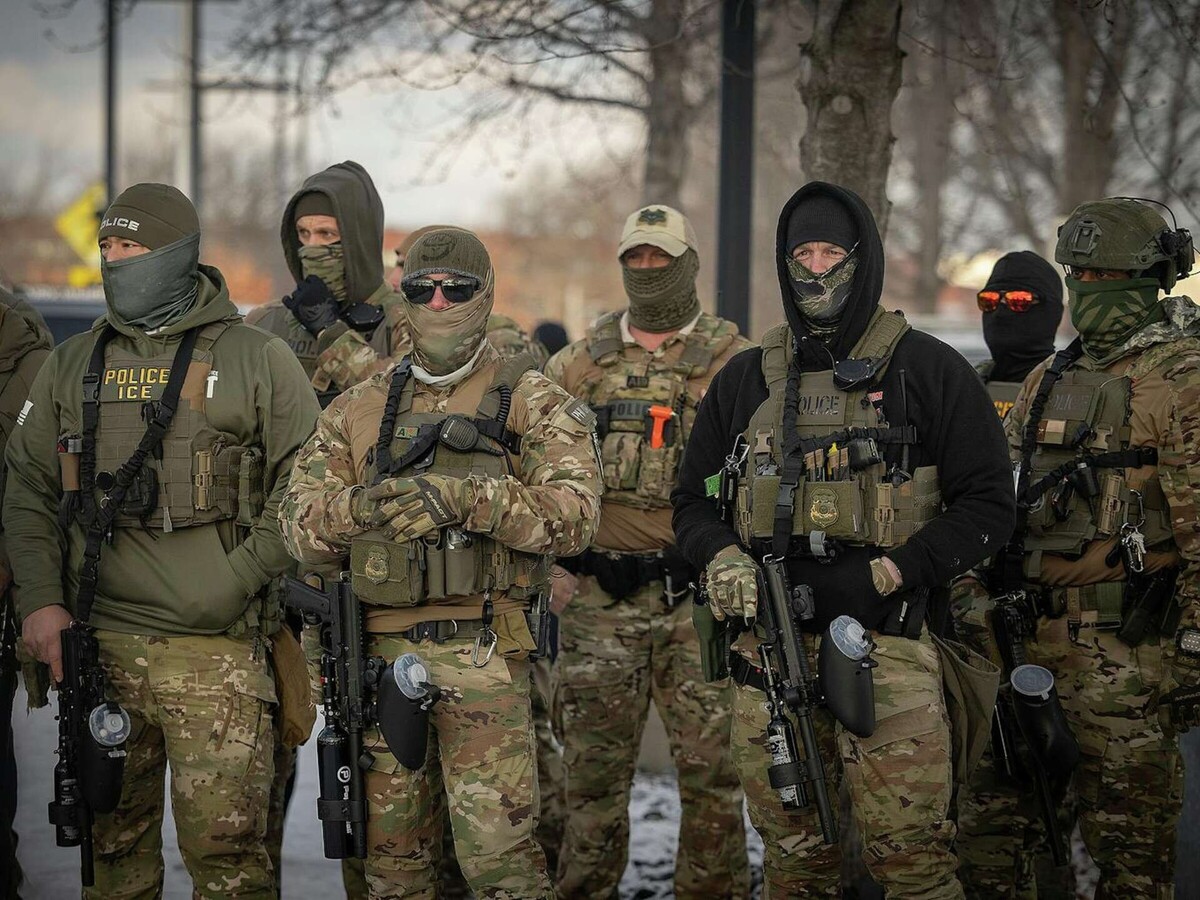
The report further documents allegations that federal agents routinely engaged in aggressive tactical practices, including smashing vehicle windows during stops, deploying flash-bang devices and chemical irritants at close range, pointing firearms at unarmed civilians, and conducting detentions without adequate legal justification.
Researchers contend that many of those subjected to enforcement actions were never accused of violent crimes and, in some cases, possessed lawful immigration status or United States citizenship.
According to Human Rights Watch, approximately 4,000 individuals were detained during Operation Metro Surge.
The report cites available detention data indicating that more than three-quarters of those detained had no prior criminal convictions.
The organization argues that these figures undermine federal claims that the operation primarily targeted dangerous offenders.
Equally troubling, according to researchers, was what they describe as a pattern of racial profiling.
Citing analysis from immigration policy researchers, the report alleges that people of color in Minneapolis were significantly more likely than white residents to be stopped, questioned, or detained by federal agents during the operation.
Human Rights Watch argues that ethnicity, language, appearance, and perceived immigration status frequently became the basis for enforcement encounters.
The report's authors contend that the consequences extended far beyond those directly arrested.
Entire communities altered daily routines in response to the federal presence.
Healthcare providers interviewed by researchers reported dramatic declines in patient visits as residents avoided medical appointments for fear of encountering federal agents. Some clinics experienced reductions in patient volume approaching 50 percent during portions of the operation, according to the report.
Educators described significant school absenteeism as parents kept children home rather than risk public transportation routes or possible encounters with enforcement personnel.
Businesses reported labor shortages and missed shifts as workers chose not to travel to job sites.
Community organizations documented increased demand for emergency food assistance, temporary housing support, transportation services, legal aid, and mental health counseling.
The report argues that these secondary effects created a broader humanitarian and economic crisis throughout portions of the Twin Cities metropolitan area.
Yet the report also chronicles a substantial community response.
Faith organizations opened their doors to families seeking assistance. Volunteer networks organized transportation and food distribution efforts. Legal advocacy groups established emergency response systems to monitor enforcement activity and assist detainees.
Researchers highlight the role played by community members who documented agent activity and provided support for individuals released from federal facilities, including the Bishop Henry Whipple Federal Building in Fort Snelling.
Human Rights Watch states that it provided detailed findings and questions to the Department of Homeland Security on April 30 as part of its investigative process but had not received a substantive response prior to publication.
Federal officials have consistently defended Operation Metro Surge as a lawful immigration enforcement initiative focused on individuals subject to removal orders and those accused of violating federal immigration laws.
Throughout the operation, Department of Homeland Security officials maintained that enforcement actions were necessary to uphold federal law and protect public safety.
The Human Rights Watch report sharply rejects that characterization.
Instead, the organization concludes that the operation demonstrated profound failures in accountability, oversight, and constitutional protections.
The report calls for independent investigations into alleged abuses, enhanced congressional oversight, increased transparency requirements for federal enforcement operations, stronger protections against racial profiling, and accountability measures for officials responsible for planning and executing the operation.
The publication arrives as multiple legal challenges involving Operation Metro Surge continue moving through the federal court system and as policymakers debate the future of immigration enforcement practices nationwide.
For Minnesota, however, the report is about more than policy.
It is about the lasting legacy of an operation that transformed ordinary neighborhoods into enforcement zones, altered daily life for thousands of residents, and ignited an ongoing debate about the balance between public safety, civil liberties, federal authority, and human rights.
Whether the report ultimately changes policy remains uncertain.
What is certain is that Human Rights Watch has delivered the most detailed public accounting yet of a federal operation whose consequences continue to reverberate across Minnesota months after the last federal convoy departed.
Editor's Note: The allegations contained in the Human Rights Watch report reflect the organization's findings and conclusions. Federal agencies named in the report have previously defended Operation Metro Surge as a lawful immigration enforcement initiative. Several matters referenced in the report remain the subject of ongoing litigation, investigations, or public dispute.
MinneapoliMedia | Community. Culture. Civic Life.



Sunny, with a high of 95 and low of 70 degrees. Sunny during the morning, partly cloudy during the afternoon and evening, clear overnight.