Image
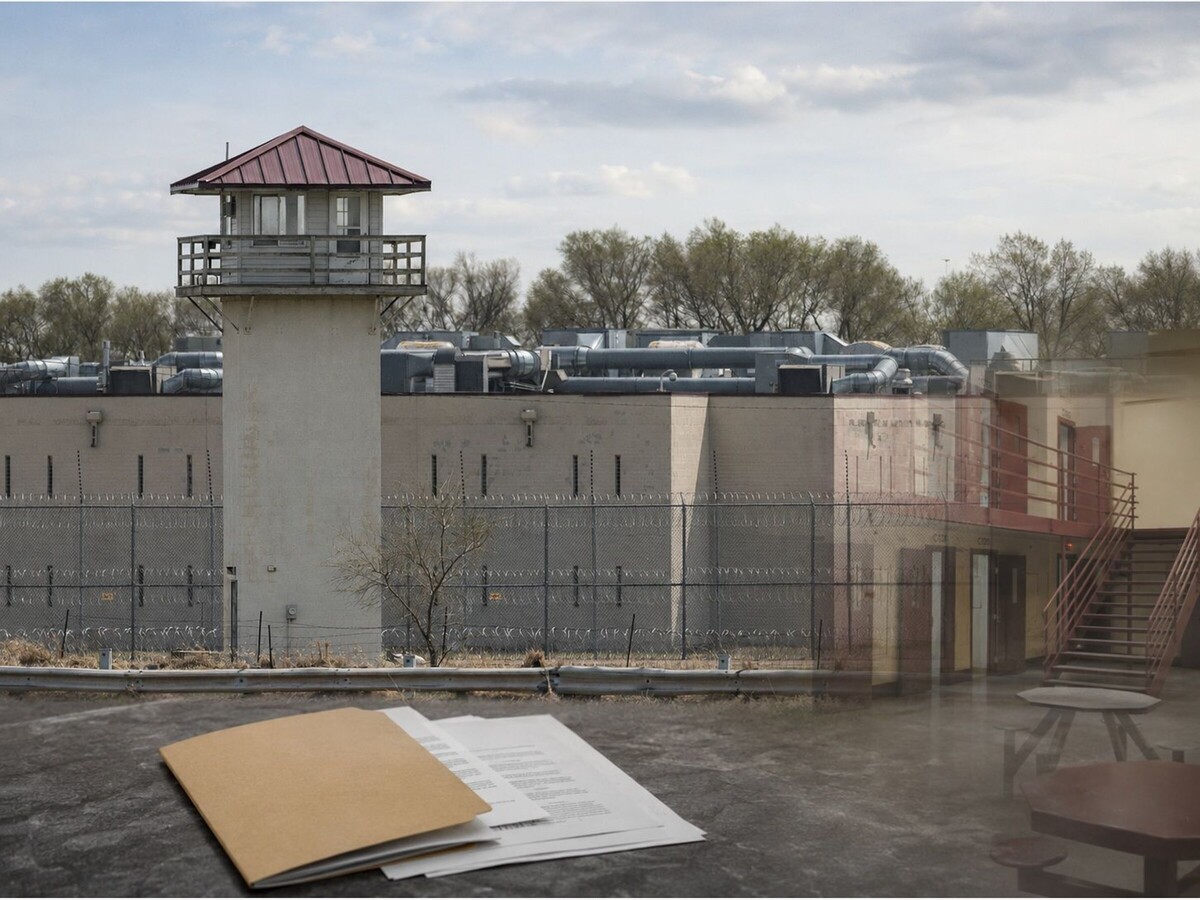



APPLETON, MN (August 5, 2026)
A privately owned prison that has stood dormant in western Minnesota since 2010 is expected to reopen as a federal immigration detention facility under a five-year agreement between CoreCivic and U.S. Immigration and Customs Enforcement.
The Prairie Correctional Facility in Appleton has capacity for approximately 1,600 people. Its reactivation would substantially expand federal immigration detention capacity in Minnesota and the Upper Midwest.
CoreCivic confirmed the agreement and expects the facility to generate approximately $75 million in annual revenue after operations reach a stable level, according to Axios Twin Cities.
A precise opening date has not been publicly established. Additional information is also needed regarding hiring, facility preparation, transportation arrangements, medical services and the number of people ICE initially expects to detain there.
Facility Has Been Closed Since 2010
Prairie Correctional Facility previously housed people from Minnesota and other jurisdictions. It closed in 2010 after losing contracts and has remained unused, although CoreCivic continued maintaining the property.
Before its closure, the prison was an important employer in Appleton and the surrounding Swift County area. At its peak, it reportedly employed more than 400 people. Approximately 120 employees remained when operations ended.
Reopening the prison could produce significant employment and economic activity in a rural community. It would also place Appleton at the center of an expanding and deeply contested federal immigration detention system.
Civil Detention, Not a Criminal Sentence
ICE facilities hold people in civil immigration custody while deportation proceedings, asylum cases, bond requests and other legal matters are resolved.
Immigration detention is not itself a criminal sentence, although some detainees may have separate criminal convictions or pending charges.
People held in ICE custody can include asylum seekers, long-term residents and individuals contesting whether the federal government has lawful grounds to remove them from the United States.
That distinction will be essential when public officials and CoreCivic explain who will be held at the facility and under what authority.
Long-Term Immigration Infrastructure
The Appleton agreement follows months of intensive federal immigration enforcement across Minnesota.
Operation Metro Surge brought thousands of federal agents into Minneapolis, Saint Paul and surrounding communities before the large-scale deployment officially ended in February. Federal immigration enforcement has continued in Minnesota since the surge ended.
A five-year detention agreement indicates that the federal government is establishing immigration infrastructure with a considerably longer time horizon than the temporary enforcement operation.
Oversight Questions Remain
The facility’s reopening is likely to renew questions about detainee access to attorneys and relatives, medical treatment, transportation, grievance procedures, inspections and the financial incentives created when detention services are operated by a private corporation.
CoreCivic will be responsible for explaining how the facility will be staffed and managed. ICE must also identify the detention standards, inspection requirements and procedures governing complaints and allegations of mistreatment.
State and local officials will have limited authority over federal detention decisions. Minnesota regulators may nevertheless retain responsibility for environmental, employment, emergency-response and public-health matters connected to the facility’s operation.
Local leaders will also need to evaluate potential demands on roads, hospitals, emergency services and other community infrastructure.
The contract represents more than the reopening of an unused building. It establishes a major federal immigration detention center in Minnesota under an agreement expected to remain in place for five years.
STAY CONNECTED TO MINNEAPOLIMEDIA
Local stories matter. Subscribe free to MinneapoliMedia and receive independent news, community reporting and important updates from Minneapolis, the North Metro and communities across Minnesota.
SUBSCRIBE FREE: https://minneapolimedia.town.news/subscribe
MinneapoliMedia | Community. Culture. Civic Life.



Sunny, with a high of 74 and low of 49 degrees. Sunny for the morning, clear in the afternoon and evening, smoky haze overnight.