75° and Clear
Image
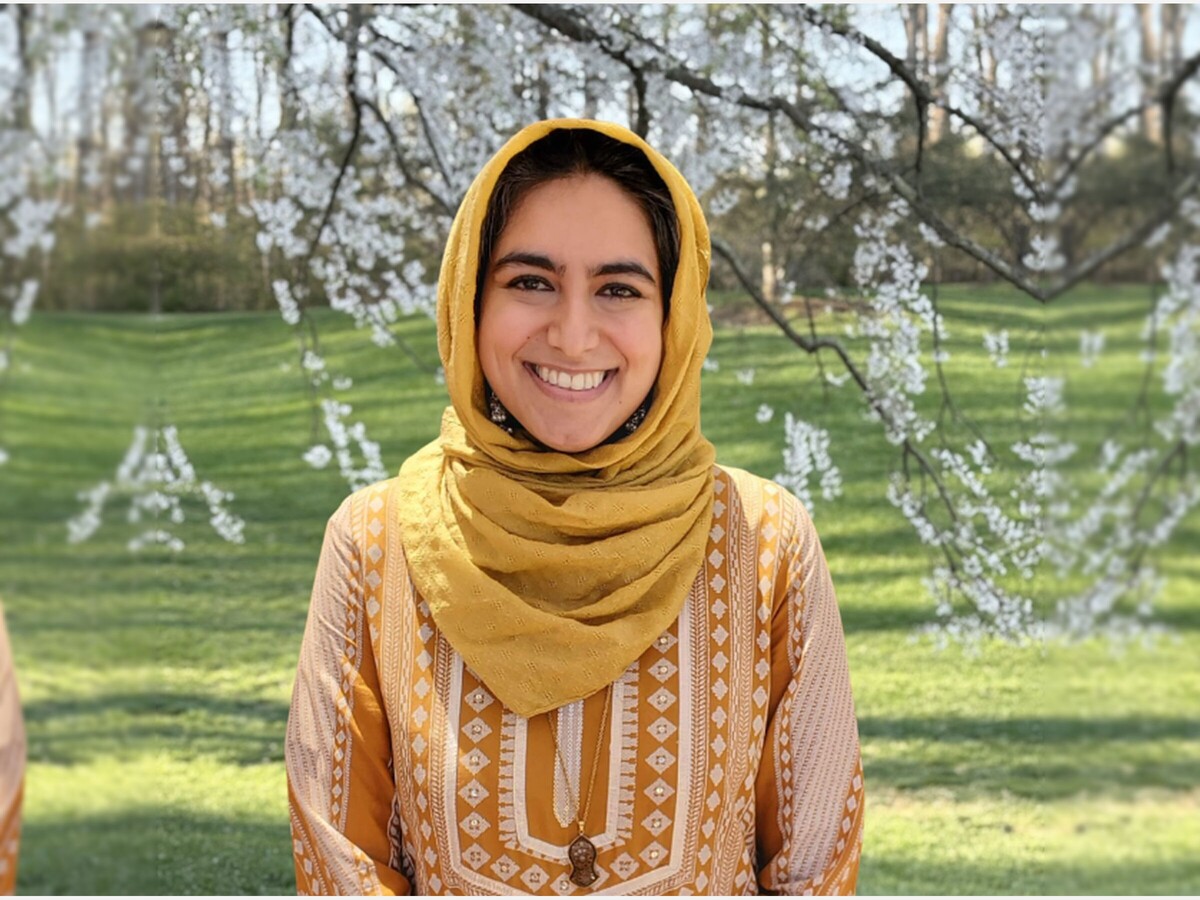



Some forms of leadership are easy to recognize. They come with titles, public visibility, and measurable accomplishments. Others are quieter. They unfold in conversations during moments of grief, uncertainty, healing, and hope. They are measured not by recognition, but by the lives they help transform.
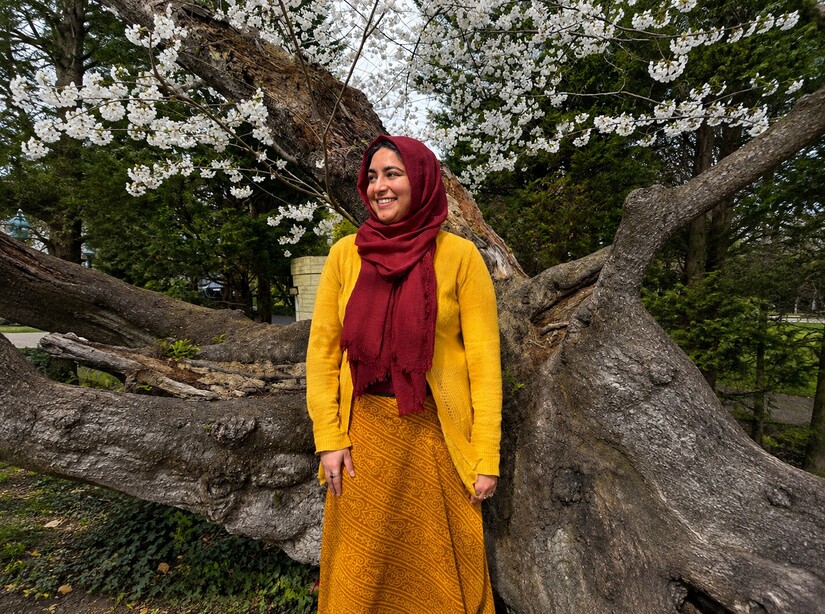
Chaplain Ailya Vajid embodies that quieter form of leadership. As a Muslim chaplain, educator, pastoral caregiver, and founder of Radiyah Wellness, her work has spanned Swarthmore College, Harvard Divinity School, Syria, Yemen, Pakistan, and Minnesota. Along the way, she has accompanied students, families, and communities through life's defining transitions while building spaces rooted in faith, compassion, and holistic spiritual care.
What quickly becomes clear in speaking with Ailya is that she understands leadership differently. For her, leadership is less about visibility than presence, less about recognition than service, and less about influence than helping others draw closer to the Divine. What began as a brief exchange following the launch of Radiyah Wellness developed into a deep exploration of faith, healing, and community. Throughout our dialogue, every accomplishment was framed not as a personal triumph, but as an opportunity to serve. Every insight returned naturally to mercy and human dignity.
This conversation is part of The Power of Her, MinneapoliMedia's series spotlighting women across Minnesota whose lives build legacy, leadership, and stronger communities. It explores the quiet art of accompanying another human being, cultivating presence in a world distracted by noise, and remembering that before we can build stronger communities, we must first learn to see one another with compassion.
Knowledge is Something That Transforms Us
Tom Akaolisa: When you look back over your life, was there a specific moment when you first sensed that your life would be devoted to spiritual care and service, or was it a path discovered one step at a time?
Ailya Vajid: That is a wonderful question. When I was younger, I actually thought I was going to become a fiction writer, and my parents were supportive of that dream when I first went to college.
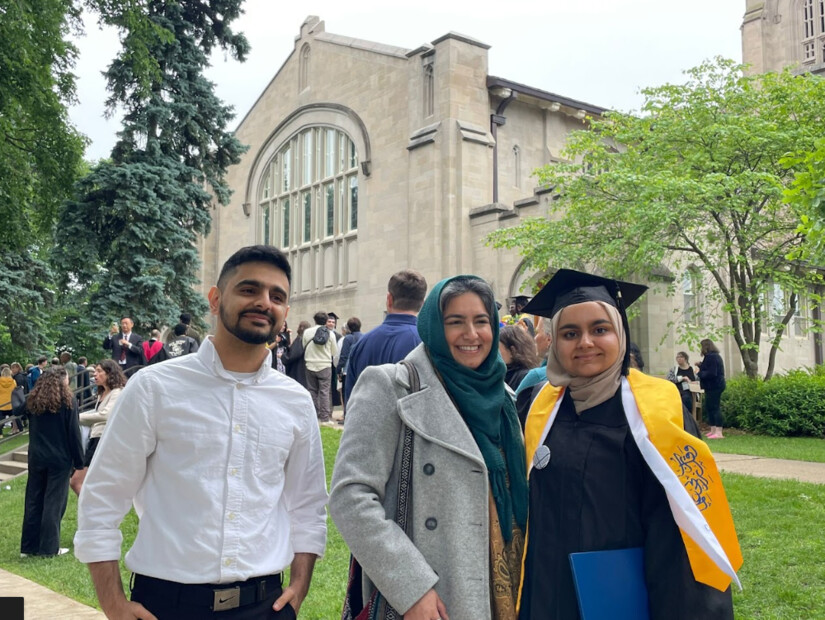
I attended Swarthmore College, and during my second year an Islamic Studies professor, Tariq al-Jamil, joined the faculty. Around that same time, I was studying Arabic with Professor Yamina Bougenaya, who has since become a remarkable spiritual teacher. Both of them profoundly shaped my life. Professor al-Jamil became a religious mentor and spiritual guide, centering the study of Islam and opening my path to Allah in new ways. Professor Bougenaya taught me to see Allah’s signs not only within the Qur’an, but throughout creation: in nature, in the world around me, and within myself.
Those experiences taught me that knowledge is not simply something we accumulate. Knowledge is something that transforms us. And when knowledge transforms us, it naturally changes how we want to serve others.
During high school and after college, I also spent time in Pakistan with my family. One of my aunts had devoted many years to serving under-resourced communities, particularly young girls. During my summer visits, I joined her in that work. I remember speaking with a group of young girls who were excited about studying science and biology. When I asked what they hoped to do afterward, some answered that they wanted to be wives and homemakers. I was initially surprised, but then I realized I was bringing my own assumptions into their world. That moment taught me that there are many different ways to live a meaningful life and fulfill the purpose Allah has given us.
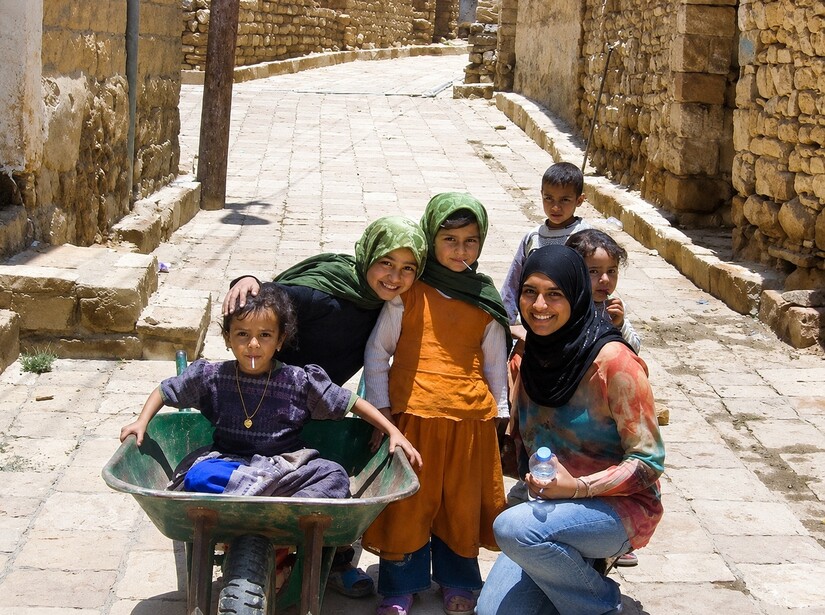
Living and studying abroad continued expanding my understanding. I spent time studying in Yemen and Syria, which were experiences that profoundly shaped both my faith and my understanding of community. In Yemen, what I remember most was the hospitality. I remember buying scarves in the Old City, drinking tea with the shopkeeper, and becoming friends with two young girls whose mother welcomed me into their home and invited me to family gatherings and weddings. Complete strangers welcomed me as though I had always belonged. That generosity was not performative. It reflected something deeply beautiful about the Islamic tradition and reinforced how much we learn when we step outside our own assumptions with humility and openness.
The Mercy at the Heart of Faith
Tom Akaolisa: Your educational journey crossed continents, traveling from Swarthmore and Harvard Divinity School to Syria, Yemen, and Pakistan. How did those diverse cultural environments broaden your understanding of human connection and spiritual seeking?
Ailya Vajid: Growing up in California, I naturally saw the world through the environment I knew. But traveling, studying, and living in other countries taught me the richness of different cultures alongside our deep interconnectedness as human beings. On the deepest level, we share a rootedness in fitrah, which is our innate human disposition and heart's recognition of the Divine.
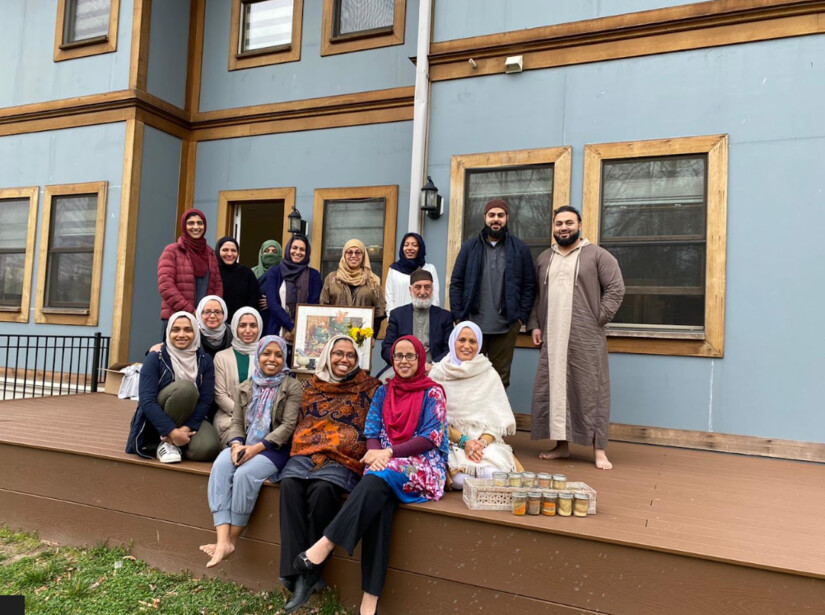
In Pakistan, I witnessed extraordinary generosity from people who often had very little materially, yet possessed an incredible richness in relationships. In Syria, praying where generations of Muslims had worshipped before me created a profound sense of continuity. You realize you are part of a tradition that has carried people through joy, sorrow, certainty, and doubt for centuries.
All of those experiences reminded me that people everywhere are asking the same core questions: Who am I? Why am I here? How do I find meaning? How do I belong? How do I draw closer to God? Those questions transcend culture. The answers may look different, but the longing is deeply human. It taught me to approach people with curiosity instead of assumptions, listening before speaking and knowing every person carries a story that can teach us something about ourselves.
We Begin Life Surrounded by Mercy
Tom Akaolisa: In your years in higher education chaplaincy, you walked alongside young adults navigating identity, loneliness, and purpose. What did those intimate conversations reveal about what people are ultimately searching for?
Ailya Vajid: People are searching for connection, purpose, meaning, and belonging. We live in a time when technology connects us in remarkable ways, yet leaves people feeling profoundly alone. Working with students, I encountered tremendous loneliness, anxiety, and the quiet question of whether they mattered or whether Allah loved them.
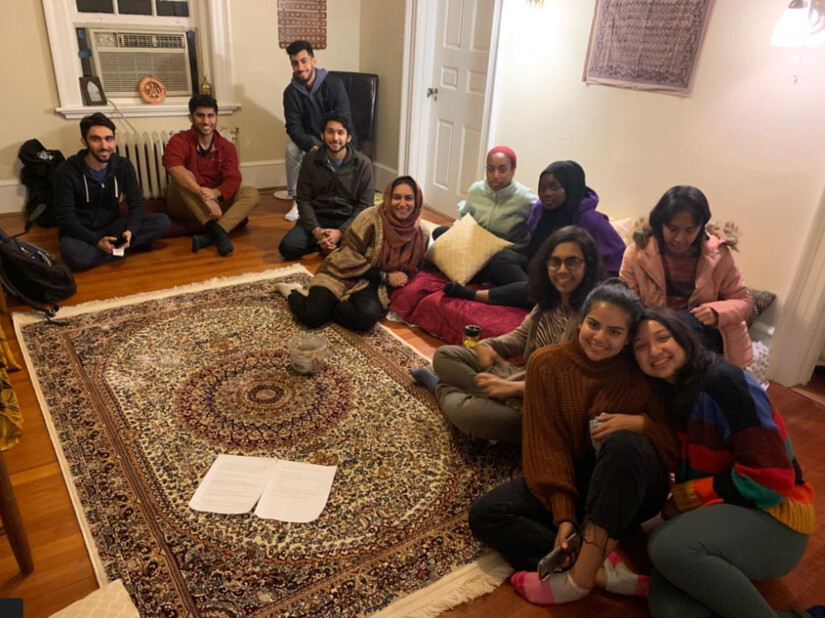
People need spaces where they can honestly wrestle with those questions without feeling judged. One of the things I became increasingly aware of was the need to bring people back to what has always been central within our tradition: Mercy.
Before nearly every chapter of the Qur'an, we begin by remembering God as Ar-Rahman and Ar-Rahim, The Most Compassionate and The Most Merciful. Even the Arabic word for the womb, rahim, shares that same root. We are created from and begin life surrounded by mercy, we continue living through mercy, and we return to Allah through His mercy. There is a sacred tradition, Hadith Qudsi, where Allah says, "My mercy prevails over My wrath," and another stating, "I am as My servant thinks of Me."
Many young people grew up with an understanding of faith dominated almost entirely by fear, feeling that God was immediately ready to punish every mistake, and that religion was merely a list of rules to escape punishment. It is difficult to sustain a loving relationship with the Divine if you believe He is only waiting to punish you. I wanted students to rediscover that when someone genuinely loves Allah, worship begins flowing from love instead of fear. Prayer becomes something you long for rather than something you force yourself to do.
The Body is the Dense Manifestation of the Soul
Tom Akaolisa: Your practice integrates Islamic spirituality with trauma-informed, holistic care. How do you approach emotional wounds that are invisible yet shape every part of a person's life?
Ailya Vajid: Healing begins with remembering that the human being is whole. We are body, mind, heart, soul, and spirit. When we experience grief, trauma, or loss, those experiences do not remain in one place. They often become embodied. One of my teachers, Dr. Abdallah Rothman, shares a teaching attributed to Mulla Sadra: "The body is the dense manifestation of the soul."
Sometimes someone comes struggling with anxiety or procrastination, but beneath those struggles is unacknowledged shame or grief. Healing begins by becoming present to the body, to the heart, and to what has long been asking to be seen.
I remember working with a woman who found prayer extraordinarily difficult. As we explored her story, we realized that as a young girl, she had developed deep feelings of shame around prayer, and every time she stood to pray as an adult, those same emotions resurfaced. Our work was not simply telling her to pray more, but helping her gently heal the shame attached to the act of prayer.
That reinforced something vital: I cannot heal another person. Only Allah heals; He is Ash-Shafi, The Healer. My responsibility is to become present, to accompany, to witness, and to trust God to bring healing in His perfect time.
The Natural Convergence of a Journey
Tom Akaolisa: The launch of Radiyah Wellness feels less like a pivot and more like the convergence of your life's work. What inspired this new venture?
Ailya Vajid: Looking back, I can see how Allah brought together seemingly unrelated experiences to prepare me for this work. I began studying Unani Tibb, the traditional Greco-Islamic system of medicine, because I was drawn to its understanding that the body, heart, mind, and soul affect one another continuously.
While campus chaplaincy will always remain deeply meaningful to me, I began feeling called toward more dedicated time in one-on-one accompaniment, walking with people beyond the college years through different stages of life. Radiyah Wellness became the space where Islamic spirituality, trauma-informed care, holistic healing, and compassionate presence finally came together under one roof.
An Invitation to Return
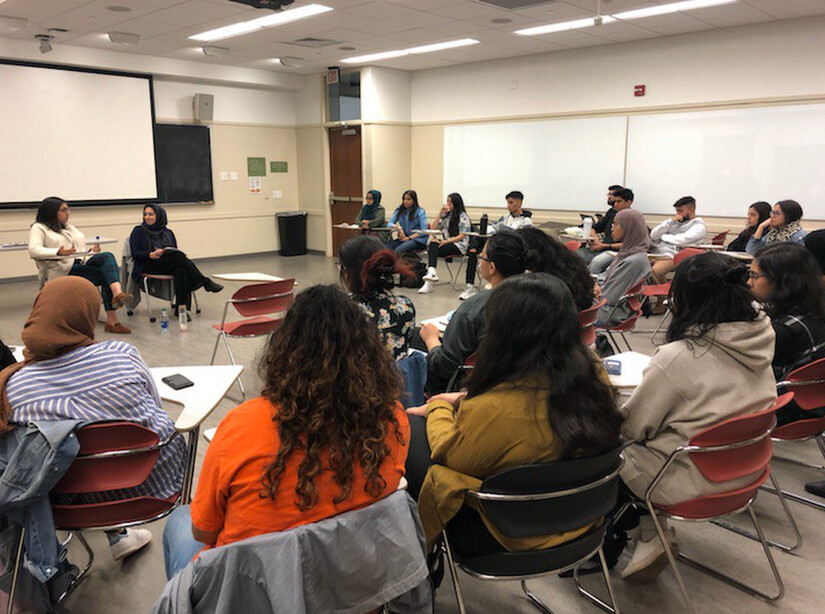
Tom Akaolisa: Being present is a phrase that recurs constantly in your work. What does true presence mean in a world dominated by distraction?
Ailya Vajid: Presence is one of the greatest gifts we can offer to another human being and to ourselves. We live in a world that constantly pulls us away. We are rushed, hurried, and multitasking. Presence means offering someone our full attention, allowing them to feel seen, heard, and safe, just as the Prophet Muhammad did.
So many people are exhausted today because they are rarely invited into spaces where they can simply be, where they do not have to perform, prove themselves, or pretend everything is fine. Healing often begins the moment someone realizes they no longer have to carry everything alone.
The Islamic tradition offers practices specifically designed to invite us into that space: salat (prayer), dhikr (remembrance), muraqabah (contemplative reflection), and muhasabah (self-examination). These are not merely rituals; they are invitations to return to ourselves and to Allah.
Allah's Mercy is Expansive
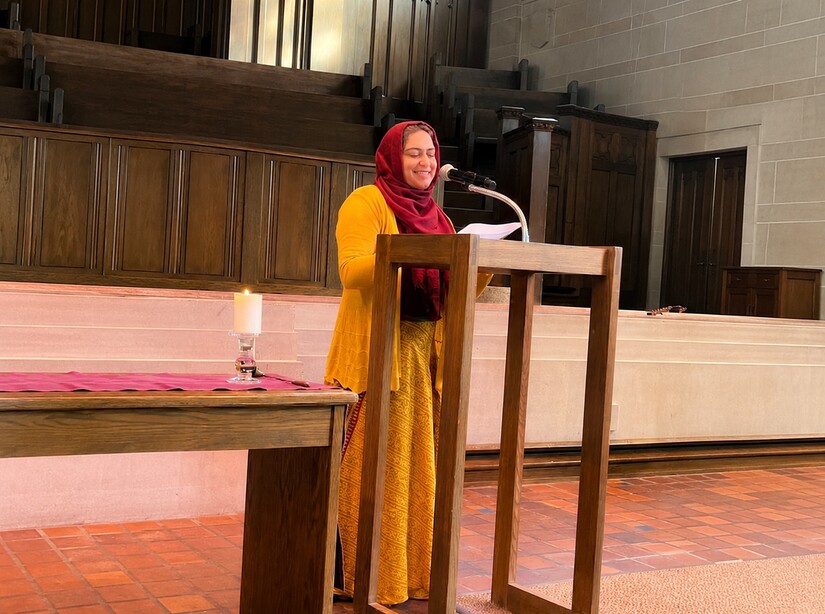
Tom Akaolisa: Radiyah Wellness was initially envisioned to serve Muslim women, but your scope has since expanded. How did that evolution occur?
Ailya Vajid: Initially, I focused on Muslim women because I knew that community intimately and recognized immense unmet needs. Many women carry enormous responsibilities across family, career, and community service while quietly carrying wounds that few see. They deserve spiritually grounded, holistic care that aligns with their values.
However, as I began this work, people started referring men, as well as individuals from other faith traditions. Turning them away did not align with my values. As I prayed and reflected, I realized that the longing for peace, wholeness, and connection with the Divine is a universal human experience.
My foundation remains firmly rooted in the Islamic tradition, but Allah’s mercy is expansive. Anyone seeking healing and presence deserves compassionate care. My hope is simply to be a vessel through which mercy and healing can reach another person. If someone leaves feeling more peaceful and connected to their Creator, that is enough.
Leadership Sits Beside Someone
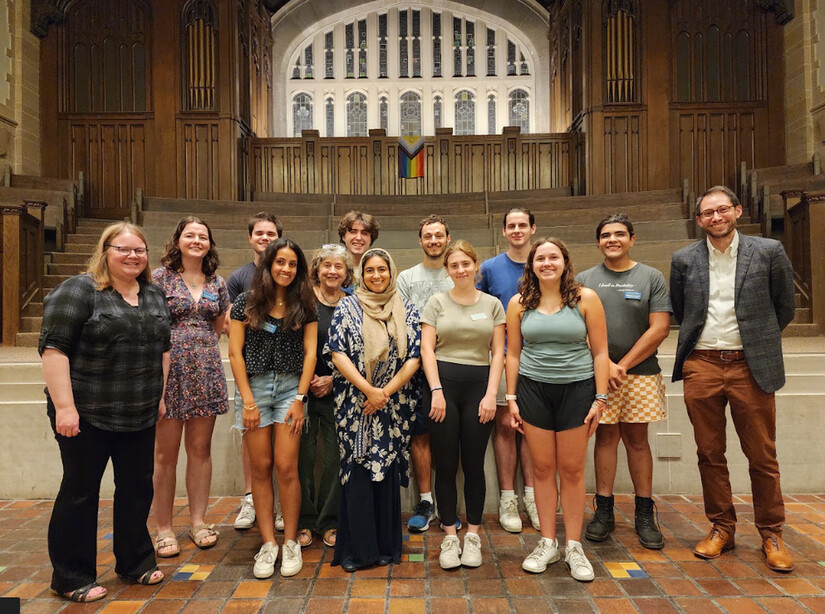
Tom Akaolisa: We often define leadership through visibility and authority, yet your model seems fundamentally different. How do you conceptualize your role?
Ailya Vajid: I do not often think of myself using the word "leader." Our culture associates leadership with visibility, titles, and influence. But there is another kind of leadership that is quieter. It happens through relationships, through listening, through accompanying people, and through helping someone discover hope again.
Leadership does not always have to stand at the front of the room. Sometimes leadership sits beside someone. Sometimes leadership listens. Sometimes leadership simply refuses to leave another person alone in their suffering.
The Connection of Hearts
Tom Akaolisa: In an era marked by deep societal division and isolation, what does true belonging look like, and how do we cultivate it?
Ailya Vajid: Belonging begins with the connection of hearts, with feeling accepted and welcomed exactly as we are. It grows when we genuinely see one another and become curious about each other’s experiences instead of making assumptions.
Our diversity is not a problem to solve; as the Qur'an teaches, it is an invitation to know one another. At the same time, God blew His Ruh, His sacred spirit, into each of us. Recognizing that inherent sanctity in every human being completely changes how we treat one another.
The Prophet Muhammad was so fully present with every person he encountered that each individual felt they were the most beloved to him. Following in those footsteps means offering people the gift of presence and helping them feel supported, connected to one another, and ultimately connected to Allah.
To Accompany for Whatever Part of the Journey
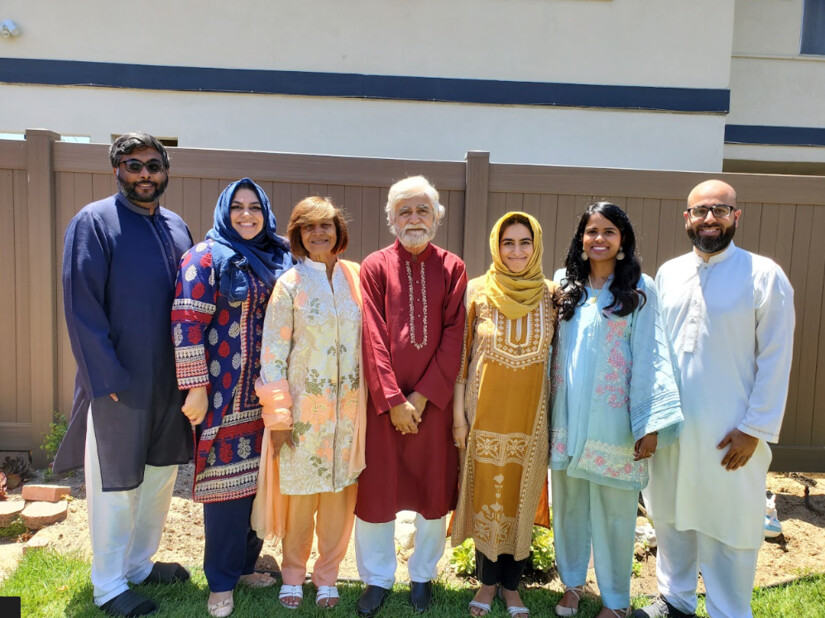
Tom Akaolisa: When people look back on your work, whether through chaplaincy, Radiyah Wellness, or personal encounters, what do you hope endures?
Ailya Vajid: Honestly, I hope what remains is not me, but that people feel closer to Allah, experience His mercy more deeply, and know they are not alone.
We are not meant to become the center of other people's stories. We are simply meant to accompany people for whatever part of the journey Allah has entrusted to us. If someone discovers healing, self-compassion, or a renewed relationship with God through that accompaniment, then all praise belongs to Him.
Women Building Women
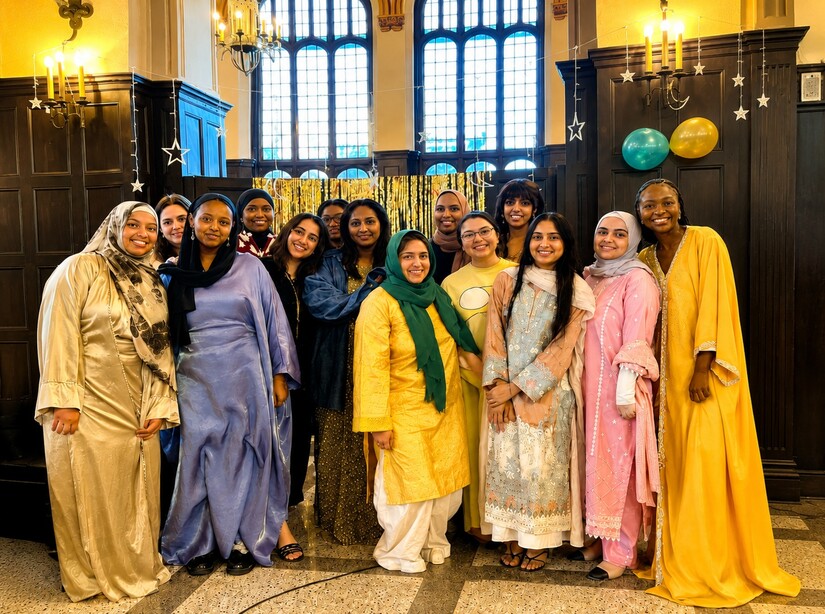
Tom Akaolisa: As part of our tradition at The Power of Her, we ask every guest to spotlight other women in Minnesota doing transformative work. Who comes to mind for you?
Ailya Vajid: The first who comes to mind is Anse Tamara Gray and the leadership at Rabata. They have built an incredible international platform based in Minnesota that fosters women's Islamic scholarship and creates spaces where women can access deep learning and authentic community.
I also think of leaders I've met through the RISE Business Incubator, such as Nataya, who is creating a holistic healing space focused on women's health, particularly addressing how middle-aged women of color are often overlooked in traditional healthcare. There are also gifted chaplains, therapists, and caregivers quietly serving across our state whose stories deserve to be celebrated.
Tom Akaolisa: Ailya, thank you for your generosity, your sincerity, and for sharing your journey with MinneapoliMedia. May your work continue to be a source of healing, mercy, and hope for countless communities.
Ailya Vajid: Ameen. Thank you so much, Tom. It has truly been an honor.
The Power of Her is MinneapoliMedia’s continuing series spotlighting women across Minnesota who are building legacy, leadership, and stronger communities through service, innovation, advocacy, and public life.

Local stories matter. Subscribe free to MinneapoliMedia and receive independent news, community reporting and important updates from Minneapolis, the North Metro and communities across Minnesota.
SUBSCRIBE FREE: https://minneapolimedia.town.news/subscribe
MinneapoliMedia | Community. Culture. Civic Life



Overcast, with a high of 84 and low of 64 degrees. Sunny in the morning, overcast in the afternoon, partly cloudy overnight.