52° and Clear
Image
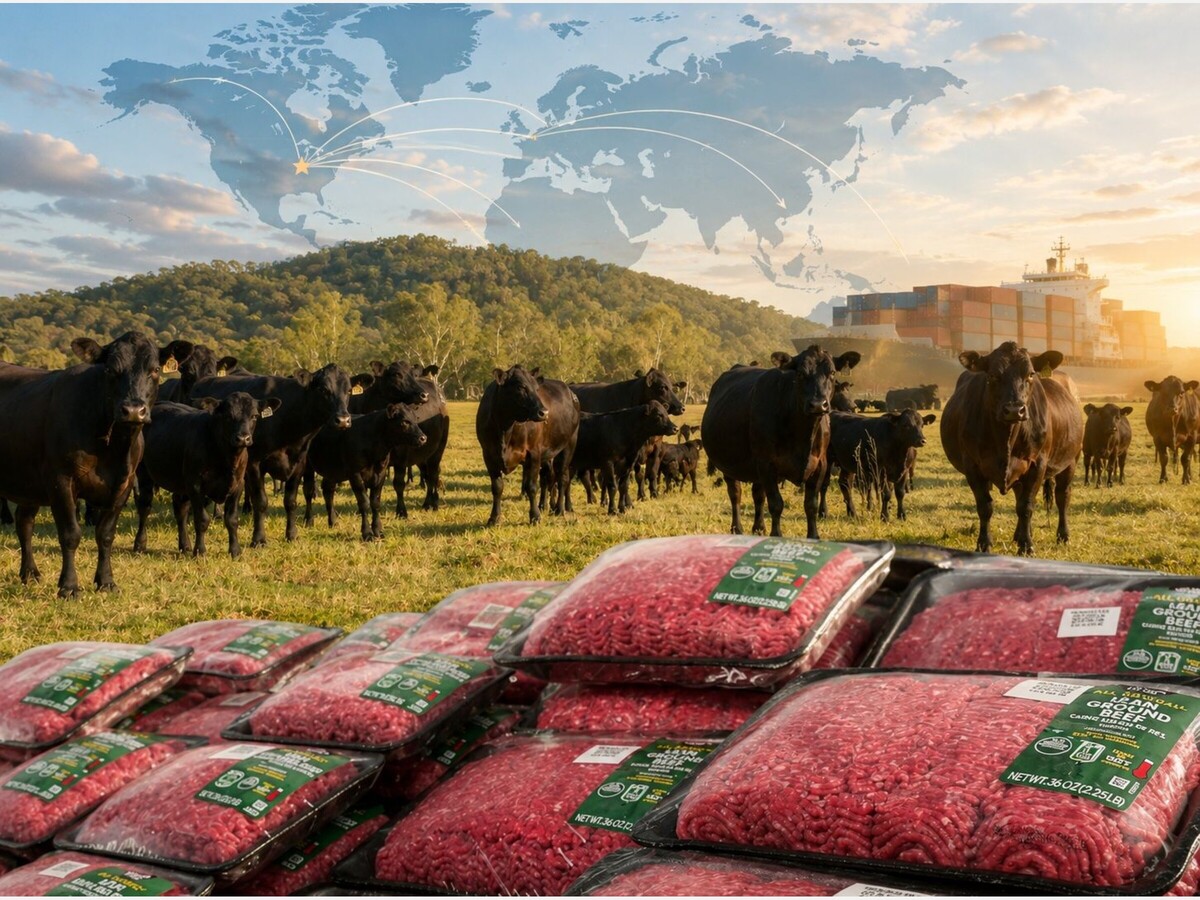



President Donald Trump announced plans Friday to temporarily allow up to 300,000 metric tons of imported beef, approximately 660 million pounds, to enter the United States without the out-of-quota tariff normally applied under the tariff-rate quota system.
The proposed 90-day change is intended to increase the supply of beef used primarily for ground-beef products and provide relief to consumers facing elevated grocery prices.
The announcement does not mean the additional imports have already entered the country. Final implementation details, including timing, eligible suppliers and administrative procedures, must come through the appropriate federal agencies.
Minnesota producers interviewed about the plan said lower-priced imports could weaken cattle prices received by domestic operations at a time when ranchers continue facing high costs for feed, land, equipment, labor and financing.
Supporters of the proposal contend that temporary imports could ease consumer prices while allowing American producers more time to rebuild the nation’s cattle herd.
The United States entered 2026 with an estimated 86.2 million cattle and calves, a historically low inventory. Federal officials have attributed the decline to drought, high production costs and years of herd liquidation.
A smaller domestic herd has contributed to reduced beef supplies and higher prices. According to federal figures released earlier this year, the average retail price of ground beef reached approximately $6.69 per pound in December 2025.
Imports already play an important role in the U.S. ground-beef market. Lean imported beef is commonly blended with fattier domestic trimmings to produce hamburger at preferred fat levels. USDA data show that American beef imports reached a record 4.635 billion pounds in 2024.
Minnesota ranchers argue that any consumer-price strategy should also protect long-term domestic production. They warn that policies depressing cattle prices could discourage herd rebuilding and weaken smaller, independent operations.
The eventual effect on grocery prices will depend on how much beef is imported, when it reaches processors and retailers, and whether wholesale savings are passed to consumers.
MinneapoliMedia will continue monitoring formal federal implementation, participating countries and the proposal’s effect on Minnesota cattle markets.

Local stories matter. Subscribe free to MinneapoliMedia and receive independent news, community reporting and important updates from Minneapolis, the North Metro and communities across Minnesota.
SUBSCRIBE FREE: https://minneapolimedia.town.news/subscribe
MinneapoliMedia | Community. Culture. Civic Life



Sunny, with a high of 66 and low of 51 degrees. Overcast in the morning, light rain in the afternoon, patchy rain nearby in the evening, clear overnight.