50° and Overcast
Image
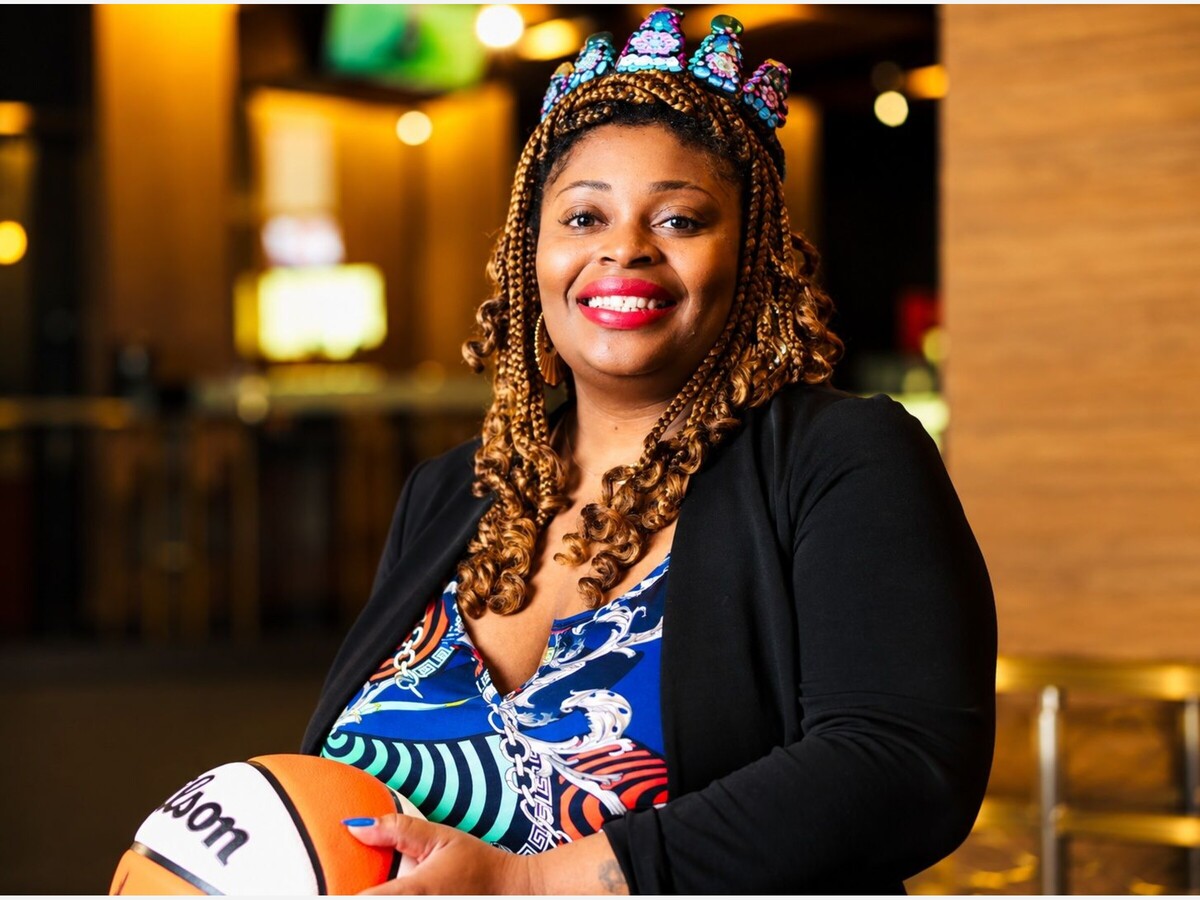



MINNEAPOLIS, MN (September 14, 2026). Long before Bianca Dawkins had a professional title that included the words diversity, equity and inclusion, she was trying to understand what it meant to belong. She was trying to understand it as a girl growing up around domestic violence, when her family became homeless, and while watching her mother carry burdens a child could see but could not yet fully name. She searched for that meaning in rooms where adults held authority, in community programs where mentors made space for young people, and eventually in corporate workplaces where she learned the crucial difference between being allowed into a room and being genuinely valued once she arrived.
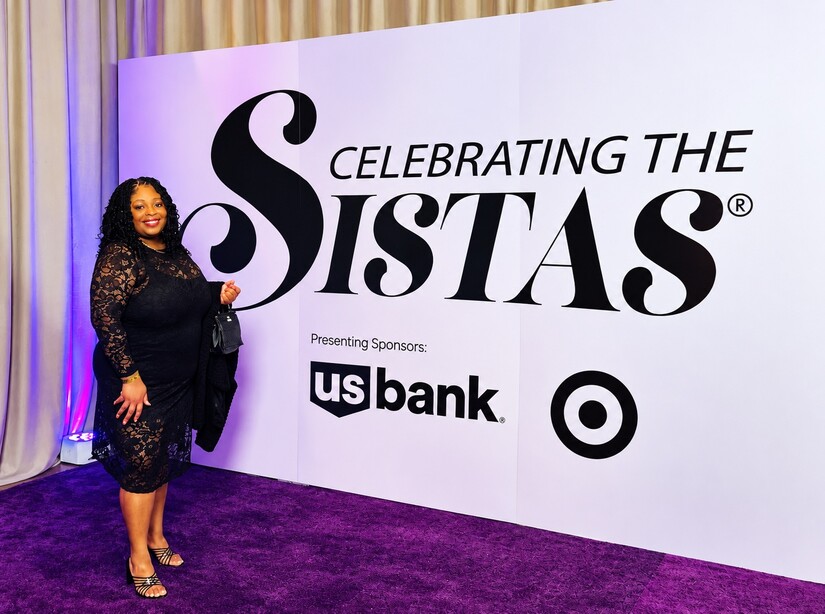
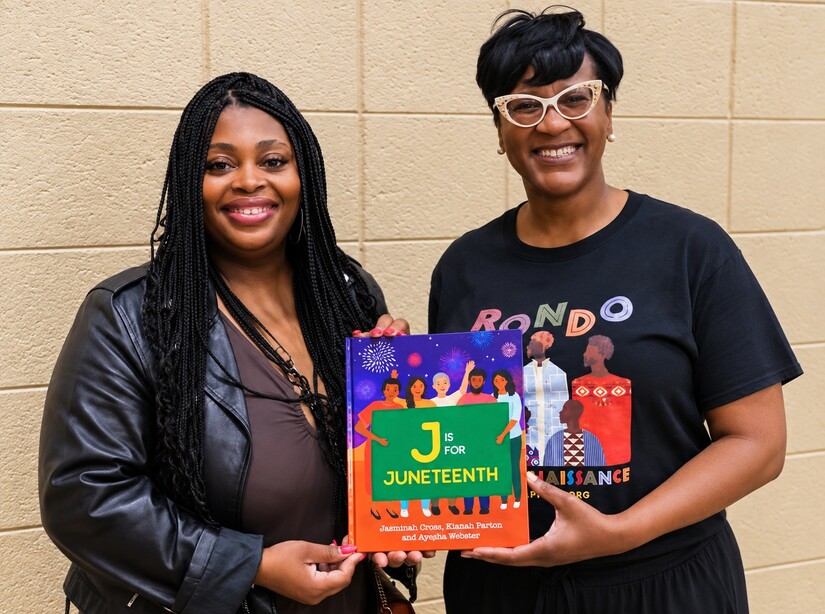
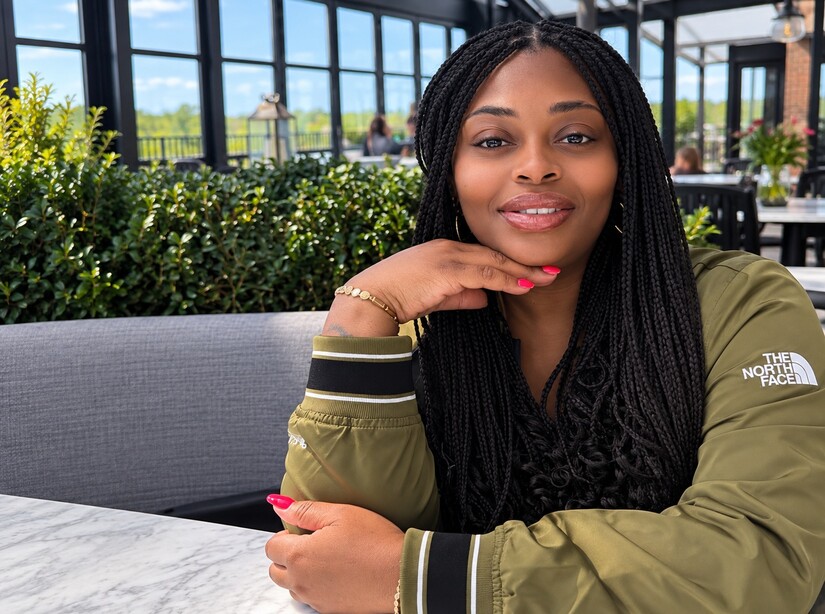
MinneapoliMedia first encountered Dawkins at a local Leaders Are Readers event hosted by Dr. Artika Tyner, where a brief glimpse of her journey invited a deeper conversation. Today, Dawkins serves as the Diversity, Equity and Inclusion Senior Manager for the Minnesota Timberwolves and Minnesota Lynx, working inside one of the state's most visible professional sports franchises. Public listings in 2026 identify her in that role, where her daily work centers on inclusion, organizational culture, and building meaningful connections across diverse communities. Yet when Dawkins sat down with MinneapoliMedia for The Power of Her, she did not begin with basketball, corporate strategy, or a job description. She began with the human foundation underneath all of it.
“I think we get so caught up in titles,” Dawkins said, “and we forget the connective tissue of where we are today.” That connective tissue is the story itself. It stretches from a young girl who learned responsibility early to a mother raising three children, moving from a family seeking safety to a teenager engaging Minneapolis officials on youth violence prevention. It extends from youth philanthropy and mentorship into the front offices of professional sports, tracing a path from needing adults who could see something in her to becoming one of those supportive adults for someone else. Somewhere along that journey, Dawkins arrived at an extraordinary way of describing her life's purpose: “I get to give people a sense of belonging for a living,” she said, pausing briefly before reflecting on the full arc of her path. “I was chasing belonging. Now I get to do it for a living.”
“I was chasing belonging. Now I get to do it for a living.”
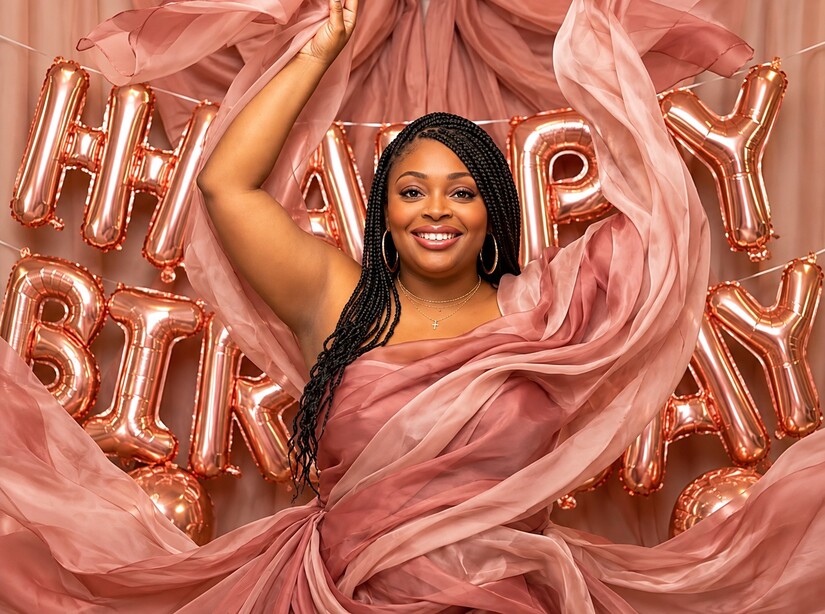
Ask Dawkins who she is without the résumé and she does not hesitate long. Driven. Purposeful. A connector. She is the person who instinctively introduces people, seeks out community partnerships, serves on local boards, and looks for those who have been overlooked to create new openings for them. “I consistently have found myself looking for ways to help other people succeed,” she explained.
Some of that core instinct, she believes, started in her childhood home. Dawkins credits her mother with holding her to high standards even through severe financial and personal hardships. Material wealth was never the measure she absorbed. “I always just felt rich, even when I wasn't rich,” she said. “I just knew that there was something bigger in this world that I was going to contribute to.” She was never satisfied with simply performing a job well; she wanted to lead, influence systemic decisions, and leave every environment better than she found it. That driving principle now follows her from the front office to her home, alongside a second core value that defines her self-understanding: “What defines me,” she said, “is being able to turn my pain into purpose.” The phrase risks sounding like something polished for an executive seminar until Dawkins begins explaining what that pain actually entailed.
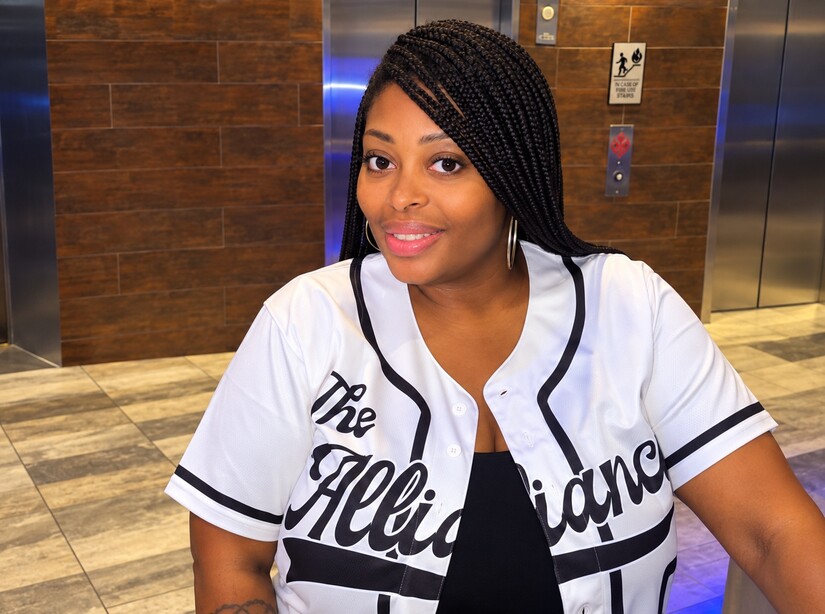
As a young girl, Dawkins remembers being curious, empathetic, and unusually observant. “I saw everybody,” she said, noting how she paid attention to both the popular children and those on the margins, moving fluidly between different groups. As the oldest girl in her family, heavy responsibility arrived early. She recalls her mother praising her as “very mature” for a specific act she can no longer recall, though the impact of the praise remained. “It stuck with me because I wanted to just consistently make her proud,” she said. But maturity in children often stems from complex sources. Looking backward, Dawkins recognizes that the girl who appeared remarkably capable was also learning to function within circumstances heavier than any child should carry. “I think that young girl just was in survival mode,” she reflected.
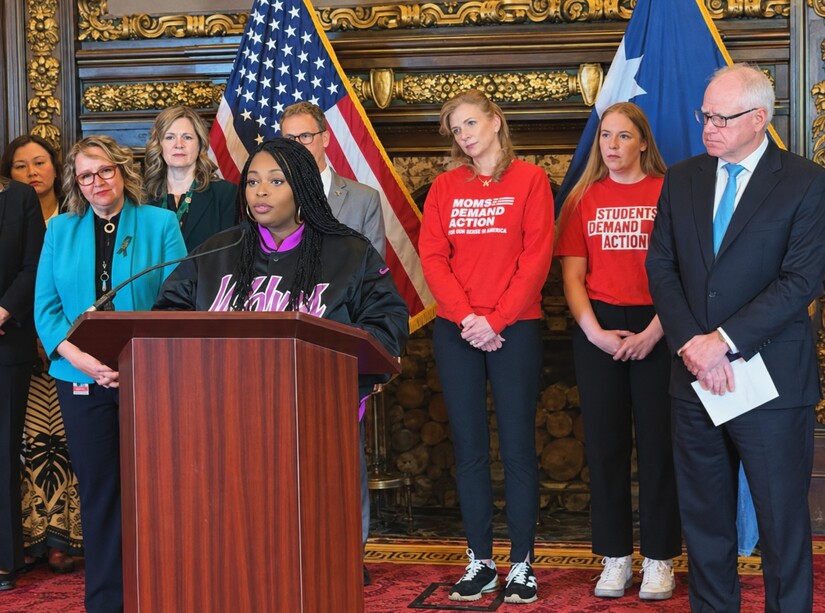
Her public record allows that personal history to be traced back with clarity. In an essay published in 2011 by what is now the Loppet Foundation, a young Dawkins wrote openly about growing up in a family affected by domestic abuse and entering a battered women's shelter with her family in June 2010 after choosing to leave the violence. While living in the shelter, she reached out to Minneapolis civic leaders regarding youth violence, developed concrete recommendations for city engagement, and was subsequently appointed to a city youth violence prevention committee working alongside then-Mayor R.T. Rybak and municipal officials.
Even then, the defining pattern of her career was visible: acute personal hardship on one side, paired with an immediate impulse to improve conditions for others on the other. Yet Dawkins refuses to romanticize survival. She understands what those early years cost, describing how she absorbed intense family emotions long before she possessed the tools to process them. With adulthood came a deeper awareness of how childhood trauma lingers, shifting her focus to a fundamental question: “How does Bianca take that young girl from surviving to thriving?”
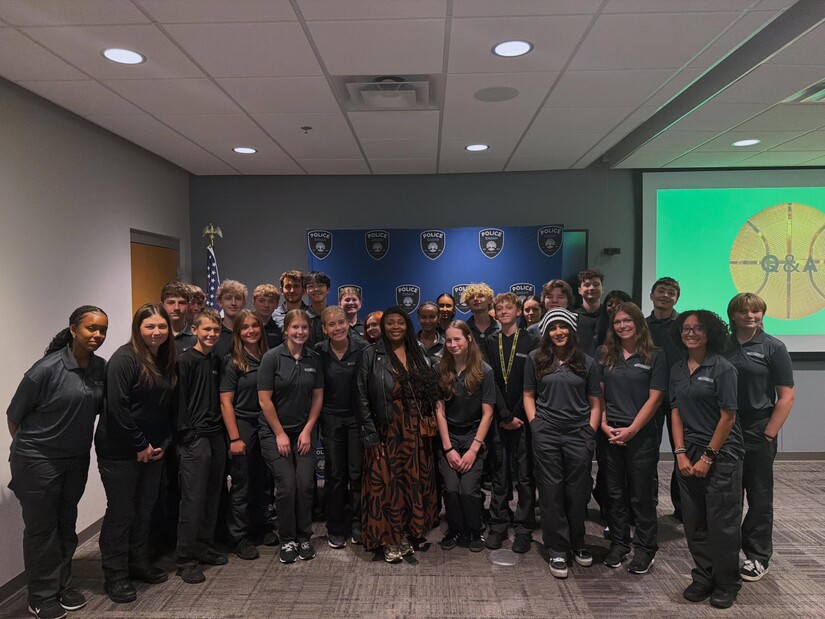
For a time during her youth, Dawkins envisioned becoming a pediatrician because she loved children and wanted to heal people, though she quickly discovered hospital environments were not her calling. She briefly considered celebrity choreography to channel her passion for dance and expression. By age 18, however, a clearer motivation emerged. Dawkins stopped defining her future solely by job titles and began focusing on what she wanted to create in the world: she wanted to uplift people and build dedicated spaces where women could heal from loss and painful life lessons.
Having watched her mother struggle and observed women of color carry extraordinary burdens, her central question became how to help people overcome adversity. “You didn't need to have a title,” Dawkins said. “You didn't need to chase a title. You need to focus on what was actually fulfilling you and your mission in life.”
Archival records demonstrate she was already putting that philosophy into practice. Youthprise's 2014 annual report lists Dawkins among its 2013–2014 Change Fellows, a program designed to invest in young leaders ages 16 to 25 who were driving civic change across Minnesota. Youthprise operated on a distinct philanthropic premise: young people should not merely receive programs devised by adults, but should actively participate in shaping the systems, policies, and investments affecting their lives. Founding president Wokie Weah made youth leadership and racial equity central to that institutional mission. For Dawkins, those experiences offered an early model of what it meant for institutions to take young people's ideas seriously. Years later, sitting with MinneapoliMedia, she named Weah as one of the pivotal figures who created the conditions for her voice to matter.
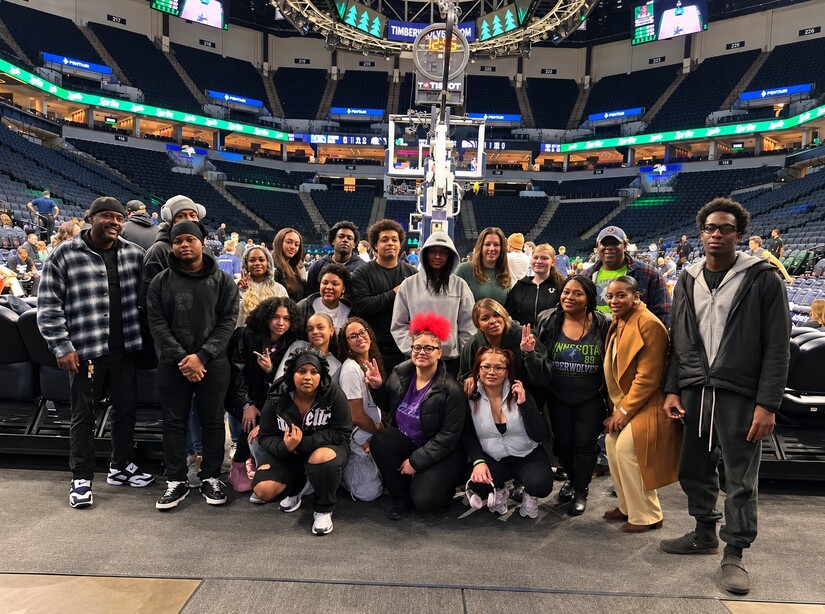
When Dawkins addresses domestic violence, she speaks not only from personal family memory, but about systemic misunderstandings surrounding trauma. Abuse, she emphasizes, extends far beyond physical violence to encompass verbal, financial, and emotional strain that leaves individuals utterly drained. “I sit back and think about my mom, and I watched her carry emotionally a relationship that drained her,” she said. Reflecting on her own upbringing, Dawkins noted how dealing with domestic violence as a Black woman conditioned her early on to give until her cup was empty. As a mother today, Dawkins focuses on teaching her own children lessons she wishes she had grasped earlier in life, such as the vital differences between love and unhealthy attachment, attraction and true alignment, and the necessity of choosing self-worth.
She frequently uses an analogy when mentoring young people, asking whether they are presenting the tap-water version of themselves or the filtered version. The core point is not perfection, but recognizing how allowing toxicity and unmanaged demands to enter one's life contaminates what one has available to give. That lesson connects to another principle Dawkins has learned: she cannot continue pouring into others from an empty cup. She wants to operate from an overflow rather than exhaust herself in the process of caring for everyone else.
Dawkins worries that too many children are still expected to carry household crises in silence, leading to visible consequences in classrooms where students arrive deprived of sleep, nourishment, and emotional security. Communities, she argues, often compound the harm by treating family struggles as strictly private matters. “We gotta get out of our mindset that, ‘Don't talk about what's going on in your home,’” she said, noting that silence converts suffering into isolation when “there are people that can walk your journey with you.”
When asked what sustained her belief in a better future during difficult times, Dawkins points first to her faith. Raised in the church, she held tightly to the belief that she would not be given more than she could endure. Her second answer centers on community, specifically the individuals who “wanted more for me than from me.” Dawkins distinguishes between people who enter a life primarily to extract value and those who recognize potential in others and actively cultivate it. A mentor once shared a phrase that remains her anchor: “Darkness cannot eclipse light.” During challenging periods, she repeats the lesson to herself: “I am the light. Be the light.”
While her mother served as her original champion, telling her she could achieve any goal she set, Dawkins intentionally expanded her support network. She credits mentors including Wokie Weah, Tru Pettigrew, James Burroughs, and Elijah Darius with offering crucial guidance. At age 20, following a mentor's advice, she established a "personal board of directors", a small group of trusted advisors she could call for honest counsel, accountability, and perspective.
Over time, those guidance relationships became reciprocal. Her mentors were not merely advising her; they were opening doors and extending opportunity. Dawkins describes their approach as sending the elevator back down rather than holding the button at the top floor. Pettigrew's role became especially significant when he joined the Timberwolves organization in 2020 to oversee diversity and inclusion efforts across the Timberwolves, Lynx, Iowa Wolves, and T-Wolves Gaming. Dawkins said that while working under Pettigrew, he gave her the autonomy to help build out DEI work, an opportunity she would come to see as a pivotal moment in her professional journey.
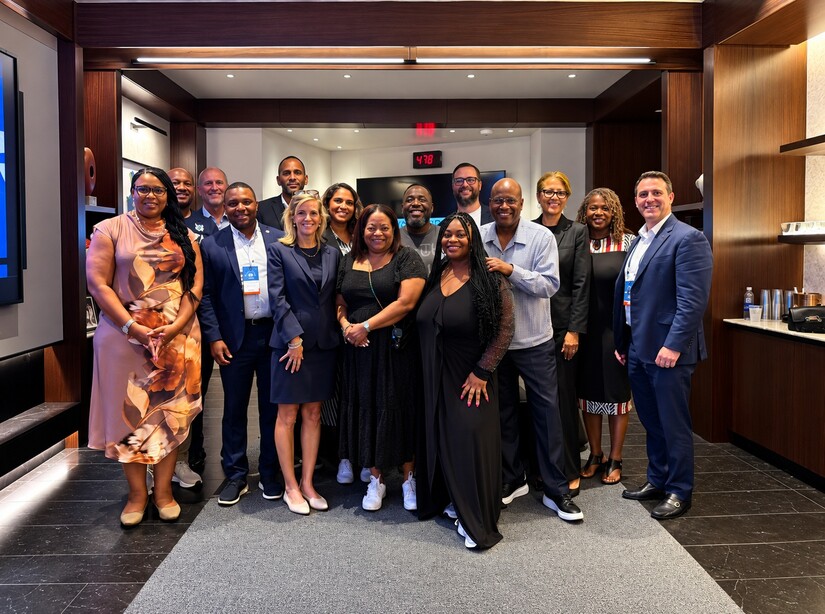
Learning to distinguish between spaces where she was merely allowed and spaces where she was genuinely valued marked a major turning point in Dawkins' life. “I go where I'm celebrated, not tolerated,” she stated, offering what stands as one of her core operational guidelines. In her view, celebration is not public applause, but authentic recognition, being in professional environments where ambition is treated as an asset, where a Black woman's presence is not reduced to fulfilling an organizational requirement, and where leadership actively invests in her contributions.
“They're looking at my ambition as an asset,” she said of her mentors. “They're looking at who I am as an asset. They're not just tolerating me and trying to check a box.” She regularly passes this insight to interns and young professionals, advising them to seek out places where they are celebrated. While young leaders often tell her such environments are difficult to find, Dawkins assures them that the internal difference is unmistakable once experienced.
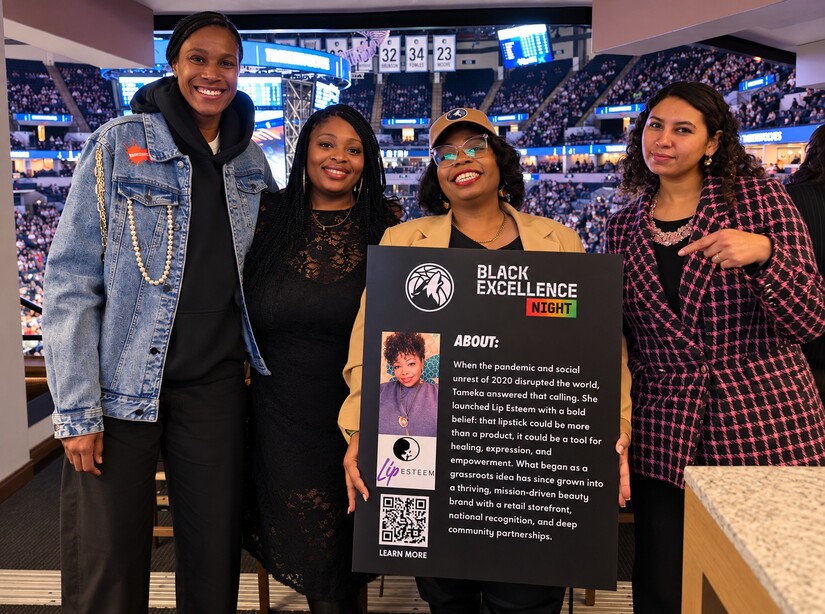
Dawkins points to her arrival at the Timberwolves and Lynx as the moment where her lived experiences and professional goals fully converged. Working under Pettigrew within diversity, equity, and inclusion initiatives, her personal history and career trajectory came into unified focus. “My life experiences are all coming full circle because I get to give people a sense of belonging for a living,” she said, arriving at the core realization underneath her career: “I was chasing belonging. Now I get to do it for a living.”
Her progression within the franchise has spanned social responsibility and DEI roles. By 2022, she served as Social Responsibility Senior Coordinator and co-chair of the organization's Black employee resource group, advancing to DEI Senior Manager by 2026. Dawkins views professional sports as deeply intertwined with community organizing, noting that sports provide a universal language that bridges differences. Wearing team apparel in public frequently prompts complete strangers to initiate warm conversations about the team, demonstrating how athletic platforms generate immediate connection across diverse backgrounds.
That broad reach carries significant public responsibility. In describing the organization's inclusion work, Dawkins pointed to efforts to diversify the fan base, celebrate people and communities on the court, and strengthen supplier diversity. For her, those efforts illustrate the different ways a professional sports platform can bring people together while creating community impact.
She is also aware of the changing national climate surrounding DEI work. Dawkins said she is grateful that the Timberwolves and Lynx continue doing diversity, equity, and inclusion work. Her own understanding of inclusion ultimately comes back to something more elemental than corporate terminology: whether people actually feel that they belong.
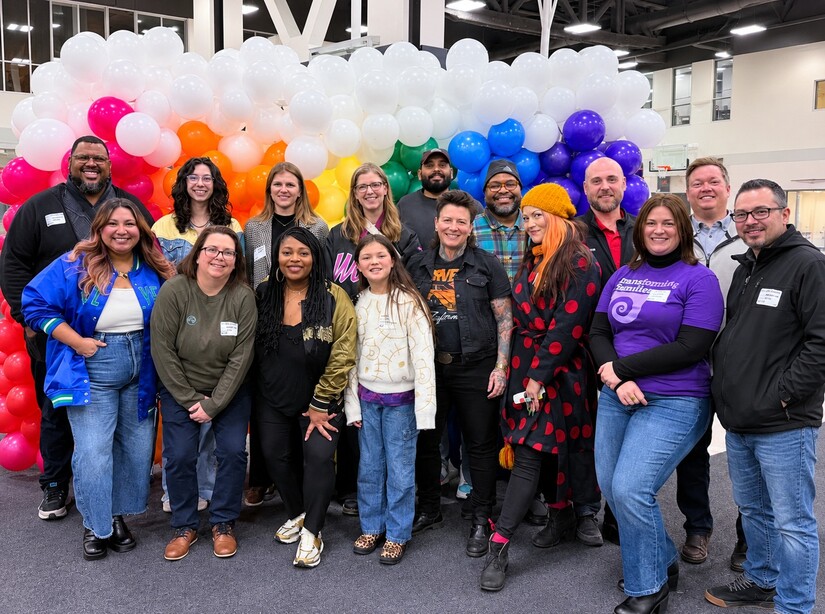
Stripped of corporate jargon, Dawkins' practical definition of belonging relies on intentional human gestures: remembering someone, placing a phone call when a person crosses your mind, asking how a colleague is doing, or paying for a stranger's coffee. These small actions matter because belonging is built through consistent, repeated evidence that a person is valued. Representation forms another essential pillar. “I want to see other people that look like me around,” she said, “because then you're showing me that you're creating space for me and those that look like me.” Her baseline test for any environment remains straightforward: Do I see belonging? Do I feel belonging? Am I doing the work of belonging?
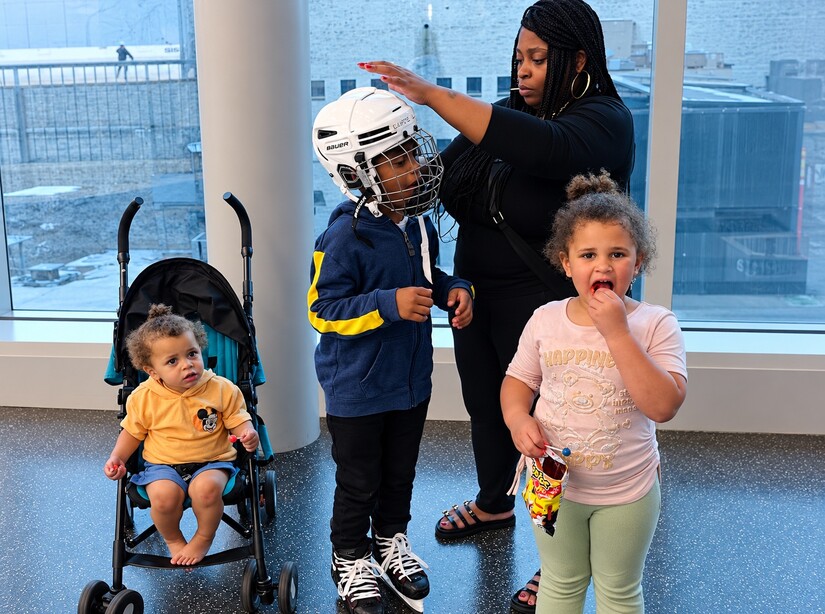
Her core philosophy carries its highest stakes at home with her three children, ages 8, 6, and 2 at the time of the interview. Motherhood has required Dawkins to re-examine her own childhood, passing down crucial life lessons to her children early. “Don't let nobody trick you out your spot,” she tells them, knowing her second-grade son will fully grasp the advice as he grows older. She also grounds their relationship in foundational ancestral expressions, telling her son, “You are because I am.”
She teaches her children to observe how people treat themselves as key data for understanding how they will treat others, while emphasizing emotional intelligence, self-reflection, and open expression. She is determined to maintain a home where affection is standard and where her children internalize their worth before entering outside spaces that might challenge it. Recalling her mother's advice that children reflect their parents, Dawkins views personal healing as an essential duty of parenting. “I have to continue to heal in order to show them how to navigate as great humans,” she said. While acknowledging she cannot shield her children from life's adversities, she focuses on equipping them with the emotional tools she had to acquire later in life.

Looking toward the future, Dawkins focuses less on specific job titles than on expanding her community impact and encouraging others to examine their own stories. She explicitly rejects the “oppression Olympics,” emphasizing that all personal struggles carry legitimacy. While she champions turning pain into purpose, she stresses that true transformation is rarely a solo achievement, urging people to unlearn the self-defeating idea that isolated self-reliance equals strength.
Unlearning hyper-independence was a deliberate process for Dawkins, who cautions that unexamined independence can become a mask for isolation. For years, survival had required relying heavily on her own resilience. Transitioning into environments where she could rely on her "personal board of directors" meant stepping past the fear of vulnerability and realizing that accepting support is an act of leadership rather than weakness. “I can't be who I am today without the village that I have,” she said, honoring her parents, extended family, and mentors. Accepting that support required unlearning the belief that she had to carry every burden alone, establishing a collaborative model she hopes her children inherit: do fulfilling work, contribute meaningfully, live truthfully, and always send the elevator back down when you reach new heights.
“Send the elevator back down.”
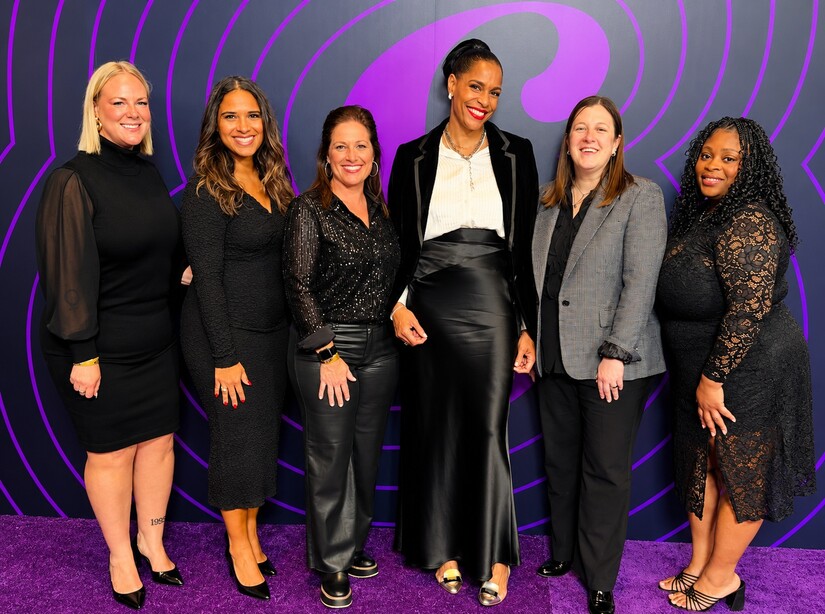
Every Power of Her interview concludes with a standing tradition: the guest is asked to name Minnesota women doing vital work who deserve greater public recognition. While Dawkins noted that Minnesota possesses an abundance of exceptional women across education, caregiving, and non-profit sectors who simply lack access to visibility, she put forward two specific leaders.
The first was Chanda Smith Baker, whom Dawkins praised for her strategic, community-focused leadership and her practice of creating room for emerging leaders at executive tables. “She's always like, who's next? Who can I bring along with me?” Dawkins said.
The second was Wokie Weah, founding president of Youthprise and a formative figure in Dawkins' own development. Beyond Weah's institutional leadership, Dawkins remembered her commitment to sitting directly with young people rather than remaining in boardrooms, ensuring their ideas were heard and valued.
“She didn't want to be in the boardroom,” Dawkins recalled. “She wanted to be at the table around the youth.”
Weah, she said, never minimized young people's voices.
“She saw us.”
For Dawkins, that approach represents belonging in perhaps its purest form: being heard and knowing that what you have to say matters.
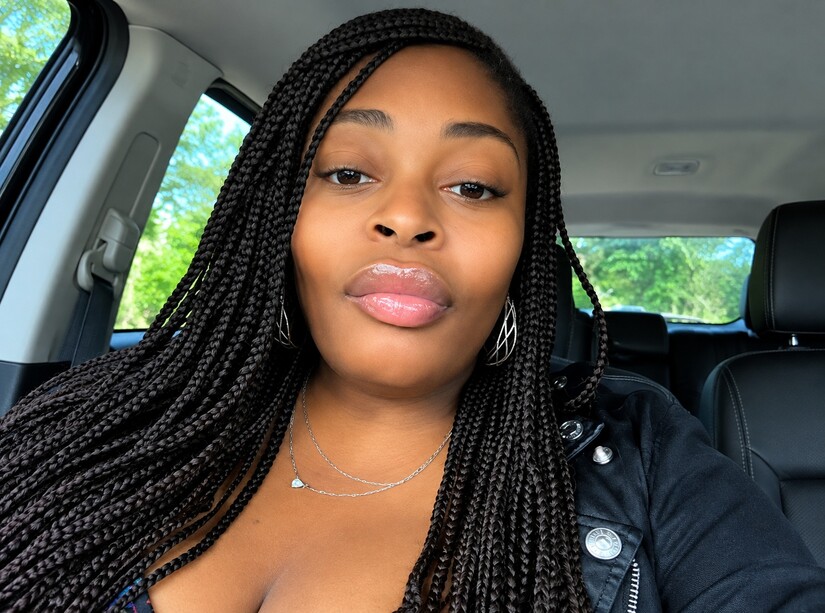
Near the beginning of her interview, Dawkins highlighted the concept of "connective tissue", the underlying thread that links a person's history to their present work. Where a standard résumé lists isolated job titles, Dawkins sees a continuous human narrative: a young girl who learned to observe everyone around her, a teenager addressing city leaders on youth safety while living in a shelter, a young fellow learning that her voice held weight, a daughter watching her mother's resilience, a mentee building a trusted personal network, an executive creating belonging for others, and a mother raising children to know their inherent worth.
Dawkins candidly acknowledges that her personal growth and healing remain ongoing. Growth, she has learned, involves grieving earlier versions of oneself and letting go of relationships that no longer fit the present. “The bridge between who you are and who you're becoming is a scary road,” she observed, describing how people often attempt to carry old baggage across that transition. When past burdens naturally fall away, Dawkins has learned not to run back for them, focusing instead on carrying only what serves her current purpose.
At the Minnesota Timberwolves and Lynx, Dawkins continues to shape institutional culture around representation and opportunity. At home, she is raising three children to stand firm in their self-worth. Across the broader Twin Cities community, she remains an active connector, living out the narrative arc she has defined for herself. “I hope that everybody that I come across,” Dawkins reflected, “I've shown them their light.” For someone who once had to discover her own light through hardship, that ongoing commitment stands as the true measure of her life's work.

Local stories matter. Subscribe free to MinneapoliMedia and receive independent news, community reporting and important updates from Minneapolis, the North Metro and communities across Minnesota.
SUBSCRIBE FREE: https://minneapolimedia.town.news/subscribe
MinneapoliMedia | Community. Culture. Civic Life


Sunny, with a high of 66 and low of 45 degrees. Sunny in the morning, clear for the afternoon and evening,