50° and Cloudy
Image
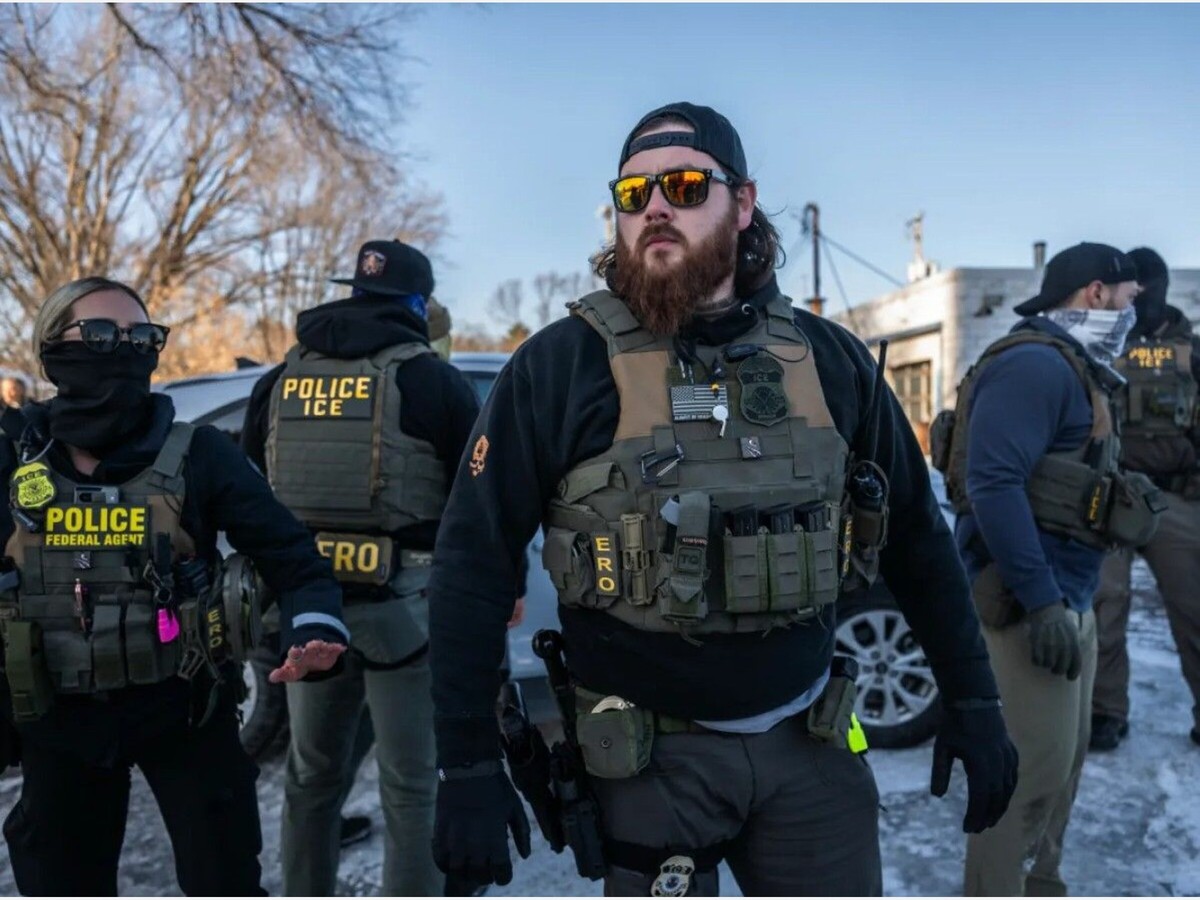



MINNEAPOLIS, MN (September 13, 2026). More than six months after the largest phase of Operation Metro Surge ended, Minnesota churches remain caught in legal battles over where immigration enforcement ends and constitutional protections for religious worship, political protest and government surveillance begin.
At the center of one dispute is University Baptist Church in Minneapolis, where federal records show Homeland Security agents conducted surveillance as part of an investigation into activists opposing federal immigration enforcement.
The church was not simply another location used by activists.
University Baptist belongs to the American Baptist Churches USA and Alliance of Baptists, religious organizations that had already obtained a federal court injunction restricting immigration-enforcement activity at their member churches.
Now those organizations are asking the federal judge who issued the injunction to find that the Department of Homeland Security violated it.
The government says it did not.
The resulting dispute could help define how far federal agents may go when investigating suspected criminal activity at a religious institution that is simultaneously protected from immigration enforcement.
Court records disclosed this summer show that federal agents conducted surveillance at University Baptist Church in Minneapolis' Dinkytown neighborhood four times.
On May 28, an undercover federal agent entered the church and attended a training session conducted by a martial arts group whose activities had attracted investigators' attention.
The surveillance became public through the federal prosecution of 15 people accused of conspiring to impede or injure federal immigration officers during Operation Metro Surge.
The defendants have pleaded not guilty.
University Baptist leaders have said they did not know federal agents had conducted surveillance inside the building until the information emerged in court filings.
The significance of the location comes from an injunction issued in February by U.S. District Judge F. Dennis Saylor IV in Massachusetts.
The injunction protects churches affiliated with several religious organizations, including denominations to which University Baptist belongs, from most immigration-enforcement activity on church property. It expressly covers activities including searches, questioning, investigations and other enforcement actions.
The religious organizations now argue that sending an undercover federal agent into University Baptist violated that protection.
Federal attorneys have drawn a different line.
During a September 4 hearing, Justice Department attorney Richard C. Giles argued that Homeland Security agents were investigating potential threats against federal officers, not conducting immigration enforcement.
The person agents were focused on, Cam Kennedy, is not an immigrant subject to removal proceedings, the government said.
Federal officials contend that investigators believed Kennedy was planning activity at University Baptist related to possible violence against federal personnel.
The government therefore argues that the surveillance did not fall within the immigration-enforcement activity prohibited by the injunction.
Attorneys representing the religious organizations reject that distinction.
They argue that immigration agents were investigating people suspected of interfering with the ability of immigration officers to enforce immigration laws during a massive immigration operation, making the investigation inseparable from immigration enforcement.
Judge Saylor has not announced when he will rule on the request to hold the government in contempt.
University Baptist was not the only religious institution touched by the federal operation.
Court records and subsequent reporting indicate federal agents monitored meetings at several churches and other locations around the Twin Cities, including Prince of Peace Lutheran Church in Roseville.
Agents also monitored meetings at libraries, schools, restaurants and breweries, infiltrated group chats, recorded license plates and sought financial information connected to organizations and unions.
Federal prosecutors have defended the investigation as legitimate law enforcement directed at people suspected of conduct that went beyond constitutionally protected protest.
Civil-liberties advocates have raised a different concern: surveillance aimed at suspected wrongdoing can also collect information about people engaged in lawful political, religious and community activity.
That is one reason the University Baptist dispute extends beyond the question of whether a particular undercover operation was justified.
The court must confront where protected religious space fits when federal agents say they are investigating possible crimes rather than enforcing immigration law.
Across the Twin Cities, another federal case raises the issue from almost the opposite direction.
More than 30 people face federal charges arising from the January disruption of a worship service at Cities Church in Saint Paul.
Demonstrators entered the church while services were underway to protest immigration enforcement. One of the church's pastors was also associated with U.S. Immigration and Customs Enforcement.
Those charged include protesters and journalists, including former CNN anchor Don Lemon, who maintains that he was covering the demonstration as a journalist.
Defendants have sought dismissal of charges, raising constitutional and other challenges to the government's prosecution.
The two disputes are not legally identical.
But together they expose an unusual tension left behind by Operation Metro Surge.
At University Baptist, religious organizations argue the federal government crossed a protected boundary by conducting surveillance on church property.
At Cities Church, the federal government argues protesters crossed a protected boundary by disrupting religious worship.
In both cases, courts are being asked to determine where constitutional protections begin and where they end.
Operation Metro Surge may have receded from Minnesota's streets.
Its legal consequences have not.

Local stories matter. Subscribe free to MinneapoliMedia and receive independent news, community reporting and important updates from Minneapolis, the North Metro and communities across Minnesota.
SUBSCRIBE FREE: https://minneapolimedia.town.news/subscribe
MinneapoliMedia | Community. Culture. Civic Life



Overcast, with a high of 66 and low of 50 degrees. Partly Cloudy in the morning, overcast for the afternoon, patchy rain nearby for the evening, overcast overnight.