60° and Overcast
Image
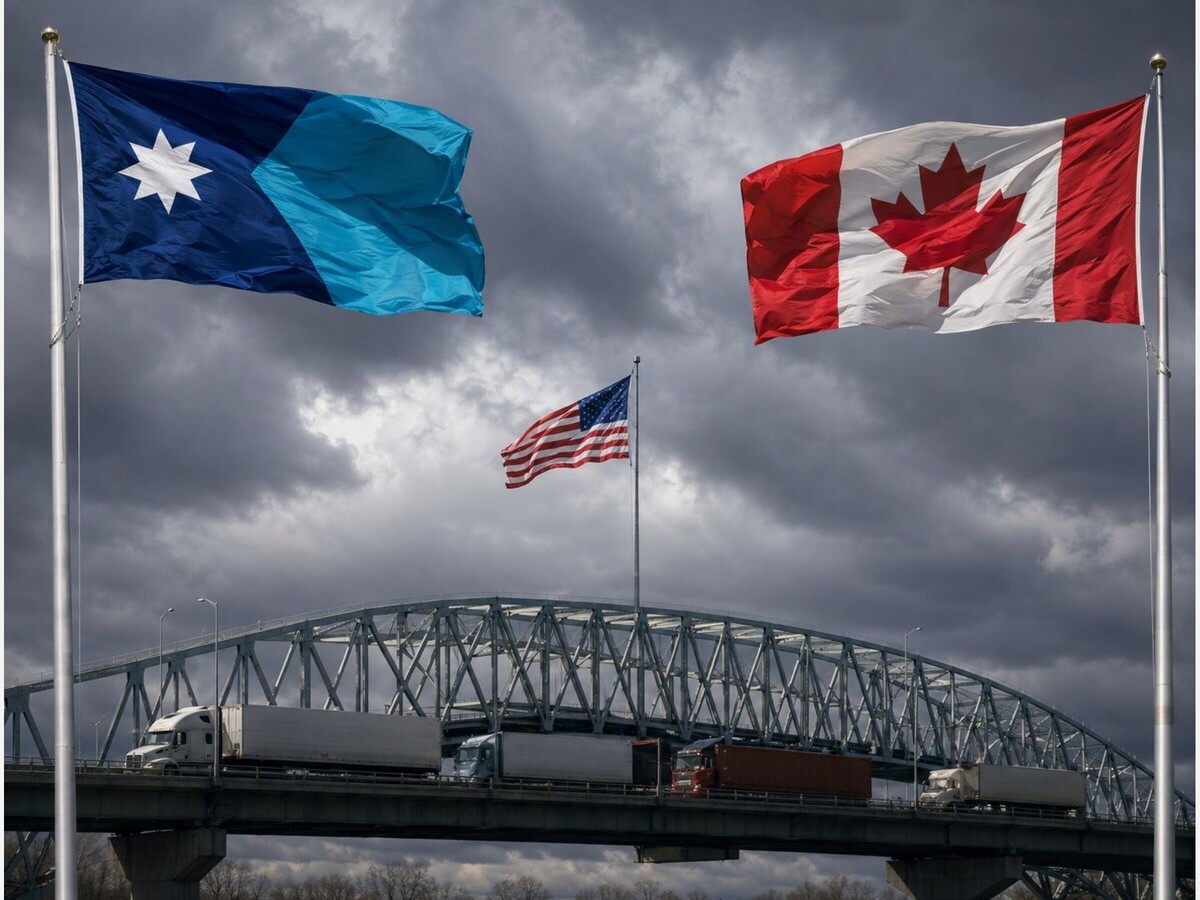



Tariffs on hundreds of Canadian products are rising, with some increases reaching 50 percent, according to reporting on the dispute.
For Minnesota companies, the consequences may extend well beyond the border. Businesses that import Canadian materials, components or finished products could face higher expenses even if they conduct most of their sales inside Minnesota.
Exporters may encounter a separate problem if Canadian tariffs or consumer responses make Minnesota products more expensive or less competitive in Canada.
A tariff is a tax imposed on imported goods.
Although governments establish the tariff, the immediate payment is generally made by the importer bringing the product into the country.
Businesses can respond in several ways:
None of those choices is without cost.
Absorbing the tariff can become unsustainable for businesses operating with narrow profit margins. Raising prices can reduce customer demand. Changing suppliers can take time and may require new transportation arrangements, product testing or contractual negotiations.
The effects can therefore move through the economy in stages rather than appearing immediately.
Minnesota’s economic relationship with Canada is shaped by geography as much as policy.
The state shares a long northern border with Ontario and Manitoba. Agricultural products, timber, energy, machinery, metals, construction materials and manufactured components move in both directions.
Some Minnesota businesses have treated the border as an ordinary part of their regional market rather than as the edge of a distant international trading system.
A product may cross the border more than once during manufacturing. Raw material can enter Minnesota from Canada, be incorporated into another product and then return to Canada for sale or additional processing.
When tariffs apply at multiple stages, costs can compound.
Large corporations may be able to shift production, negotiate bulk prices or spread higher costs across multiple markets.
Small and midsized businesses often have less flexibility.
A Minnesota company that relies on one Canadian supplier may not be able to identify an American replacement quickly. Domestic alternatives may cost more, lack sufficient inventory or produce materials with different specifications.
Longstanding supplier relationships also involve reliability and technical knowledge that cannot always be replaced by selecting a new vendor from a list.
For those businesses, uncertainty can be nearly as damaging as the tariff itself.
Owners must decide whether to order inventory, accept new contracts, hire employees or invest in equipment without knowing how long the trade measures will remain in effect.
Not every Minnesota business will experience the tariffs in the same way.
Companies importing directly from Canada will see the clearest effect. Others may be affected indirectly when their suppliers increase prices.
Businesses that compete with Canadian imports could receive short-term benefits if tariffs make foreign products more expensive. Those benefits may be offset if the same companies rely on Canadian inputs or face retaliatory measures when selling abroad.
Consumers may eventually notice higher prices in construction, manufacturing, food production and other sectors. The timing will depend on existing inventory, contracts and how much of the increased expense businesses pass along.
Minnesota companies are monitoring whether the two governments negotiate exemptions, delay implementation or expand the tariff lists further.
Clear information will be essential for businesses making purchasing and pricing decisions.
The longer the dispute continues, the more likely companies are to restructure supply chains rather than treating the tariffs as a temporary cost.
That restructuring can outlast the political dispute itself. Once a business changes suppliers, routes or markets, the former trading relationship may not automatically return.
For Minnesota, the central issue is not an abstract disagreement between national governments. It is whether businesses can continue moving goods across a border that has supported jobs, investment and commercial relationships for generations.
170-CHARACTER SUMMARY: Minnesota businesses trading with Canada face higher costs, supply uncertainty and pressure on customer prices as the tariff dispute escalates.

Local stories matter. Subscribe free to MinneapoliMedia and receive independent news, community reporting and important updates from Minneapolis, the North Metro and communities across Minnesota.
SUBSCRIBE FREE: https://minneapolimedia.town.news/subscribe
MinneapoliMedia | Community. Culture. Civic Life



Light drizzle, with a high of 63 and low of 52 degrees. Light drizzle in the morning, light rain in the afternoon and evening, overcast overnight.