62° and Cloudy
Image
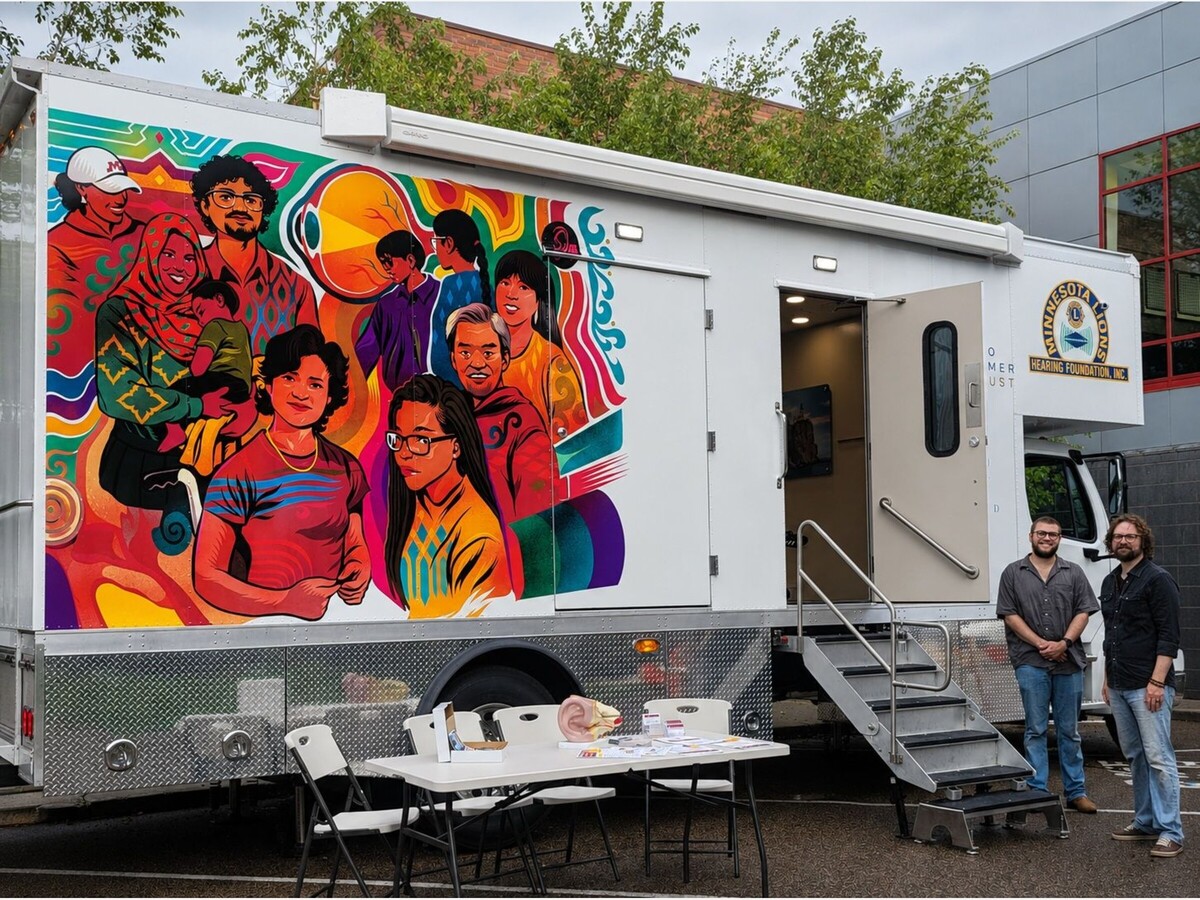



The See, Hear, MN mobile sensory-health unit was developed by the University’s Center for Applied and Translational Sensory Science, known as CATSS.
The custom mobile facility is intended to reduce geographic, financial and accessibility barriers that prevent Minnesotans from receiving early sensory-health evaluations.
No out-of-pocket payment is required for the screenings.
Multiple Specialties in One Program
The initiative brings together qualified specialists, faculty members and students from several University of Minnesota health disciplines.
Participating areas include Speech-Language-Hearing Sciences, Ophthalmology and Otolaryngology.
Visitors may receive screenings addressing:
Vision and eye-health concerns
Hearing loss
Balance and fall risks
Speech and language development
Communication concerns
The screenings can identify signs that a person should seek a complete medical, audiological, vision or communication evaluation.
A screening is not a diagnosis and does not replace a comprehensive clinical examination. Participants whose results indicate a possible concern may receive information about follow-up services.
Addressing Unequal Access to Care
University researchers estimate that nearly 100,000 Minnesotans experience low vision.
Untreated hearing loss affects a substantial proportion of older adults and has been identified as an important modifiable risk factor associated with dementia.
People living in rural communities may have to travel long distances to reach specialists. Cost, insurance status, transportation, language and shortages of clinicians can create additional barriers.
Racial and economic disparities can also affect whether sensory conditions are detected early and treated consistently.
The mobile initiative is intended to meet residents where they are, including schools, senior residences, community organizations and public events.
University officials expect See, Hear, MN to serve approximately 900 to 1,500 new patients annually.
State Fair Offers Public Introduction
The State Fair provides the program with an opportunity to introduce sensory-health services to visitors from across Minnesota.
Health organizations are presenting information and screenings through the fair’s “Your Health, Your Fair” programming in the Education Building.
The building is scheduled to operate from 9 a.m. to 9 p.m. through September 6 and from 9 a.m. to 8 p.m. on Labor Day. Visitors should consult the official daily schedule to confirm the availability of individual screenings.
The setting also allows health professionals to explain symptoms that people sometimes dismiss as normal aging, including difficulty understanding speech, changes in vision, dizziness and recurrent balance problems.
Early identification can help patients seek treatment, rehabilitation, assistive devices or other support before a condition causes greater disruption.
Philanthropic Support Launches Mobile Unit
The project received support from the Otto Bremer Trust, Manitou Fund, Nora McNeely Hurley Foundation and Minnesota Lions Hearing Foundation.
In addition to screenings, the mobile unit will support community education and research intended to improve understanding of sensory conditions across different populations.
The initiative’s long-term value will depend on its ability to connect screening participants with affordable follow-up care. Identification alone does not resolve barriers involving transportation, insurance, specialist availability or treatment costs.
Still, bringing multiple services into one accessible mobile setting can create an important first point of contact for Minnesotans who have not recently received hearing, vision or communication care.

Local stories matter. Subscribe free to MinneapoliMedia and receive independent news, community reporting and important updates from Minneapolis, the North Metro and communities across Minnesota.
SUBSCRIBE FREE: https://minneapolimedia.town.news/subscribe
MinneapoliMedia | Community. Culture. Civic Life


Patchy rain nearby, with a high of 55 and low of 53 degrees. Don't forget your umbrella! Light rain shower during the morning, patchy rain nearby in the afternoon, light rain shower overnight.