Image
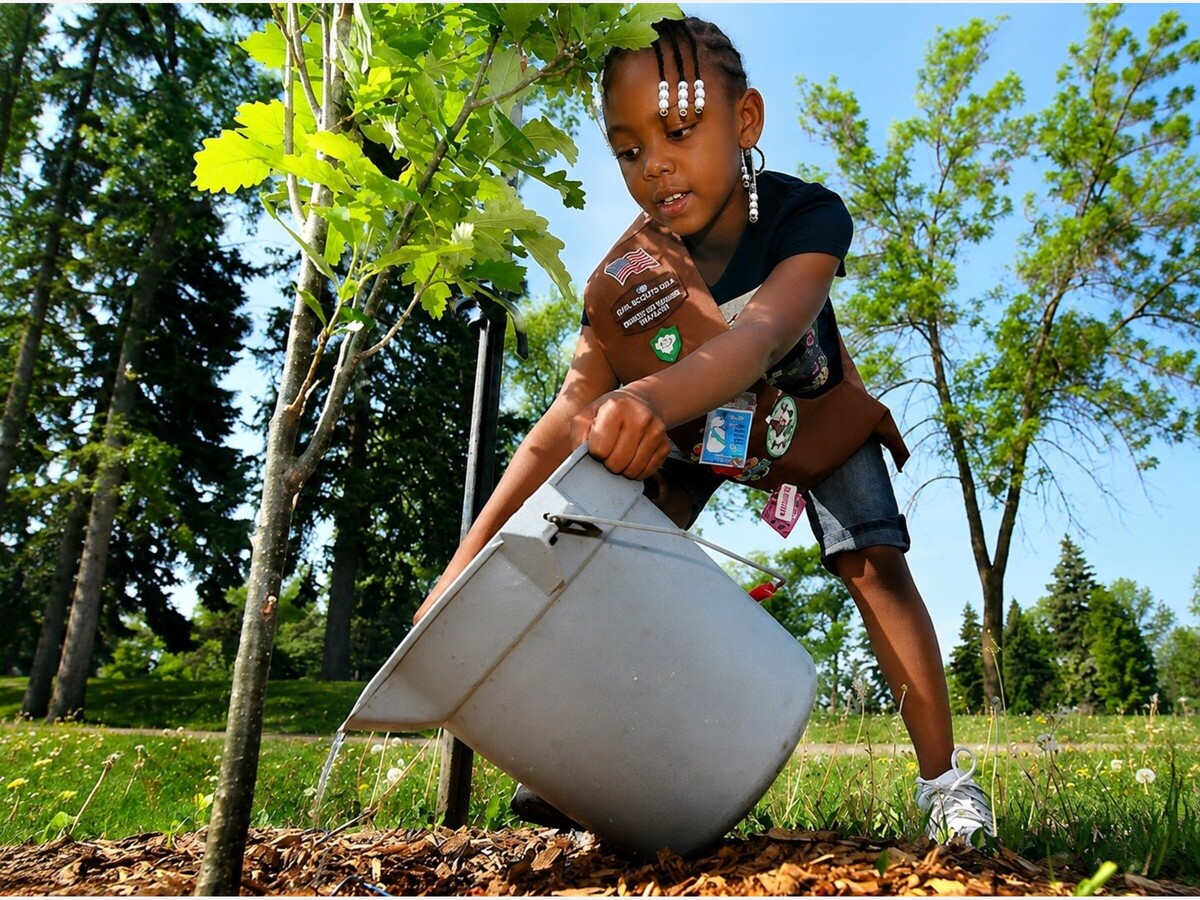



SAINT PAUL, MN (September 1, 2026) Minnesota forestry officials are urging residents to give trees additional water as prolonged summer heat and uneven rainfall create drought stress across portions of the state.
The Minnesota Department of Natural Resources issued the advisory August 27, warning that both recently planted and established residential trees can suffer during extended dry periods.
Unlike trees growing in forests, urban and suburban trees frequently contend with additional environmental pressures.
Their roots may be confined by streets, sidewalks and buildings. Soil around homes and commercial areas can be compacted. Pavement and structures radiate additional heat, while lawns and surrounding vegetation compete for available water.
Those conditions can make neighborhood trees particularly vulnerable when rainfall becomes inconsistent.
Drought stress can weaken trees and increase their susceptibility to insects, diseases and other environmental damage.
"Watering trees during extended dry periods is one of the simplest and most effective ways people can support the health of their landscapes and communities," DNR community forestry project specialist Rachael Dvoracek said in announcing the recommendation.
The agency says supplemental watering is particularly important for newly planted trees whose root systems have not yet expanded far enough to draw moisture from a large area.
Established trees can also need assistance when dry conditions persist.
Deep, slower watering is generally more useful than briefly wetting the soil surface because water must reach the tree's active root zone.
Residents should also consider local watering restrictions and avoid repeatedly saturating soil to the point where roots remain waterlogged.
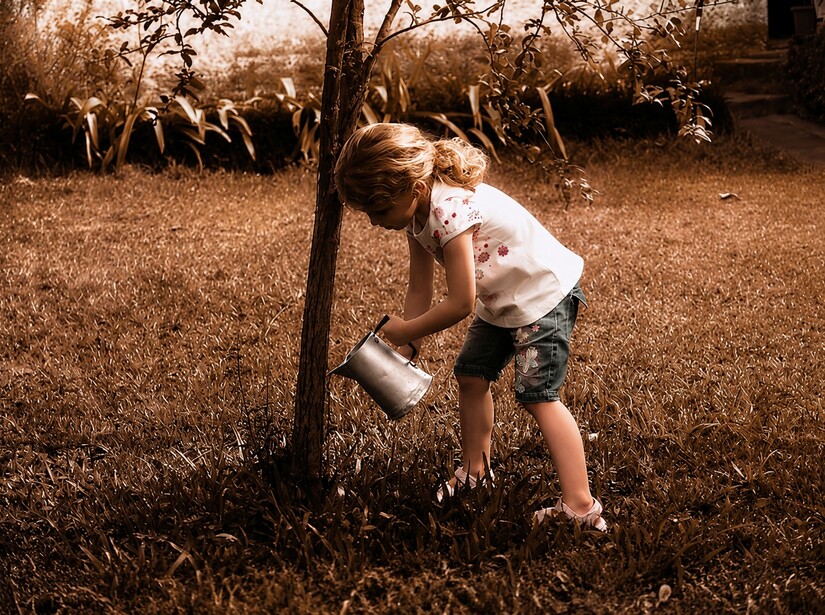
Trees provide substantial public benefits in Minnesota communities.
They shade homes and streets, reduce surface temperatures during periods of extreme heat, intercept stormwater, provide wildlife habitat and can reduce energy use around buildings.
The loss of mature trees can therefore have effects well beyond an individual property.
Those losses can also take decades to reverse because replacement trees require years to provide equivalent canopy.
The DNR's warning comes after a summer marked by periods of high temperatures and irregular rainfall.
Residents may see signs of stress including wilted or curling leaves, early color changes, premature leaf drop and unusually dry soil around trees.
Not all leaf loss indicates that a tree is dying, but prolonged drought can have lasting consequences, particularly when trees have already been weakened by disease, insects, construction damage or previous dry years.
The DNR recommends that residents continue monitoring trees rather than assuming the end of peak summer heat eliminates the need for water.
Trees entering Minnesota's fall and winter seasons under severe moisture stress can remain vulnerable long after temperatures begin to fall.

Local stories matter. Subscribe free to MinneapoliMedia and receive independent news, community reporting and important updates from Minneapolis, the North Metro and communities across Minnesota.
SUBSCRIBE FREE: https://minneapolimedia.town.news/subscribe
MinneapoliMedia | Community. Culture. Civic Life



Overcast, with a high of 59 and low of 49 degrees. Overcast during the morning,