74° and Clear
Image
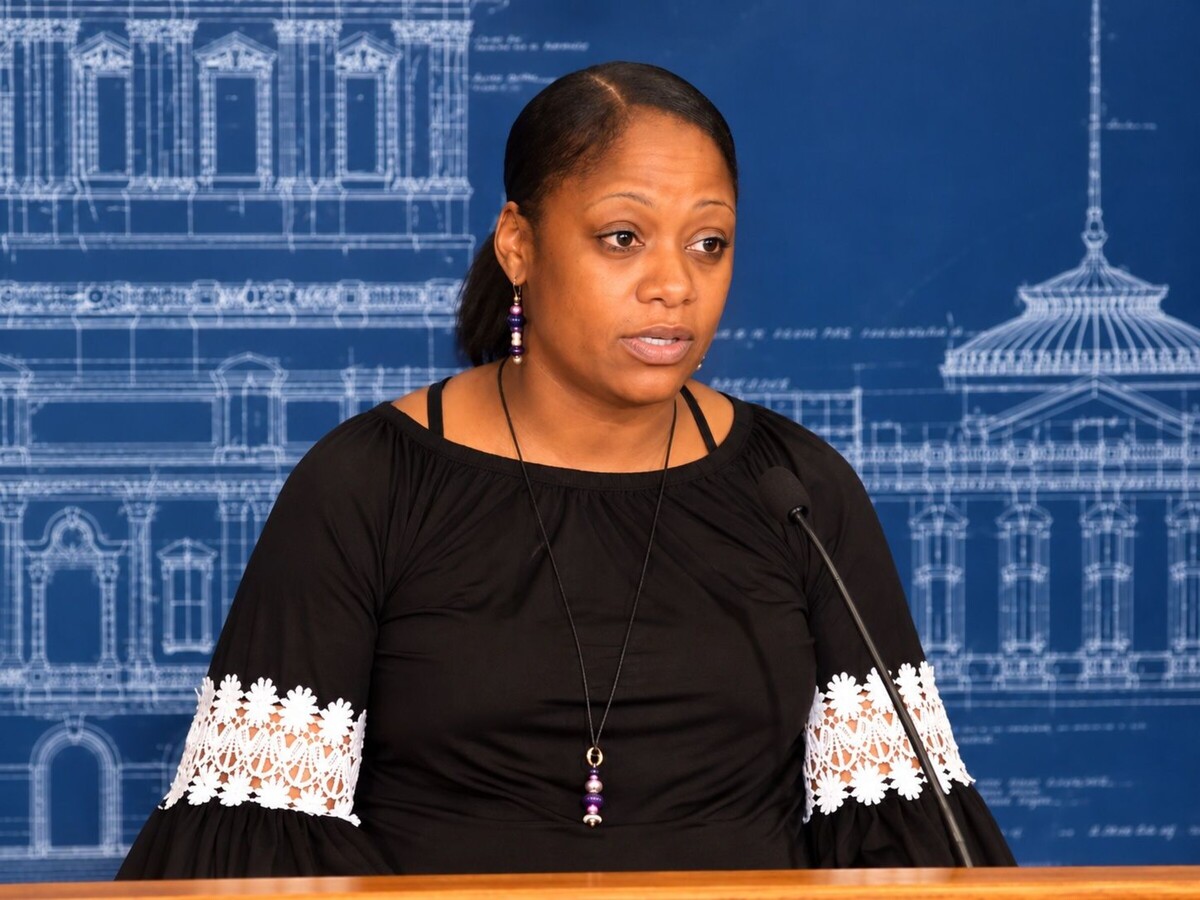



Her son, Zhakari, was eight months old when she lifted him from a nursing pillow and felt his body go limp in her arms.
She turned on the light. His stomach was not rising. His mouth hung open.
Tripp placed him on the floor, told her sister to call 911, rubbed his chest, and breathed into his mouth until paramedics arrived.
At the hospital, doctors found bleeding around his brain. What began as a medical emergency quickly became a child abuse investigation. Zhakari was removed from his mother’s care, separated from his siblings, and placed in foster care.
It would take four years for him to return home.
By then, Tripp had learned to read medical records, study Minnesota statutes, follow courtroom procedure, and question the assumptions of professionals whose decisions determined whether she would ever raise her son again. She had also endured a catastrophic medical crisis, survived months of hospitalization and rehabilitation, and watched as the effort to terminate her parental rights continued while she fought to walk, speak, and eat again.
She emerged from that experience unwilling to leave other parents alone inside the system that had nearly consumed her family.
“My story is not just my story,” Tripp told MinneapoliMedia. “My story is her story. My story is his story. It all comes together.”
That conviction now guides her work with Village Arms, where she helps families understand child protection proceedings, identify their own goals, obtain services, and preserve the support networks around their children. It also informs her involvement with the Minnesota Child Welfare Training Academy and her service on state bodies connected to child protection and appellate representation.
Yet her public work cannot be understood without returning to the frightened mother holding a baby who was not breathing.
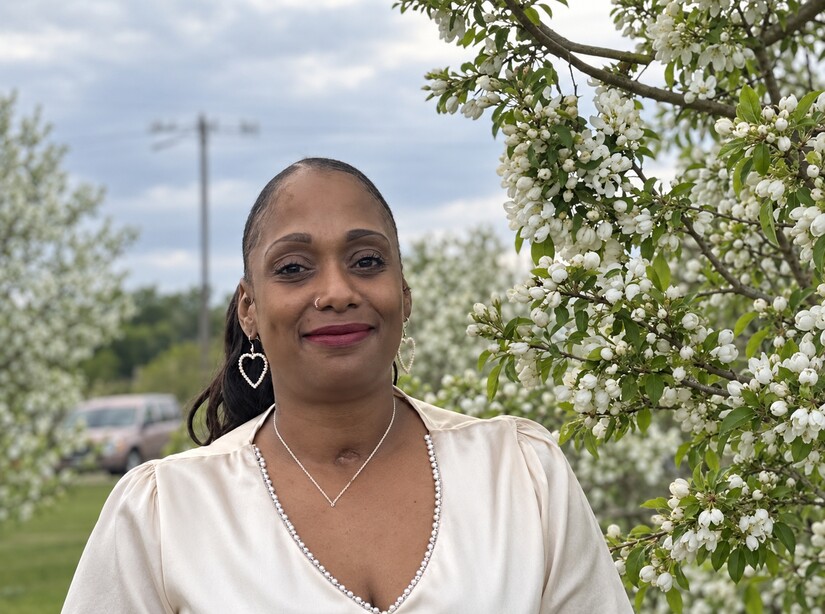
Tripp was born in Ohio and raised in Minnesota. Before child protection entered her life, she was a single mother raising three children while living with a disability and supporting her family on Social Security.
She studied toward a nursing career and later pursued business management. Both efforts were interrupted by what happened to her family.
She remembers those years through the ordinary work of motherhood: school involvement, visits to the library, afternoons at the park, and occasional trips to the movies when money allowed.
Her family had experienced homelessness, but Tripp worked so deliberately to preserve normalcy that her children did not understand what they were living through.
“If you talk to my children today, they will say, ‘Mom, I didn’t know that we were homeless,’” she said. “They thought that was just a place that we were going to until we moved into our next spot.”
She wanted her children to believe that circumstances did not determine their worth. Faith came first, she said, followed by an understanding of who they were and an unwillingness to give up on themselves.
“You don’t do as you’re told. You do as you’re shown,” she said.
Tripp allowed her children room to explore, develop friendships, and become distinct individuals. She described one son as her strength because he is capable with his hands, her daughter as an expression of her creativity and beauty, and her oldest son as the intellectual of the family, curious about religion and ideas.
They argued as siblings do, but outside the home they protected one another.
At the center of that family structure was Tripp, the mother her children expected to solve what went wrong.
“They always looked at me as the protector, or as the one who would figure things out,” she said.
When Zhakari was removed, the separation injured more than her relationship with one child. It struck at the identity on which her entire family depended.

Zhakari’s medical history began long before the night he stopped breathing.
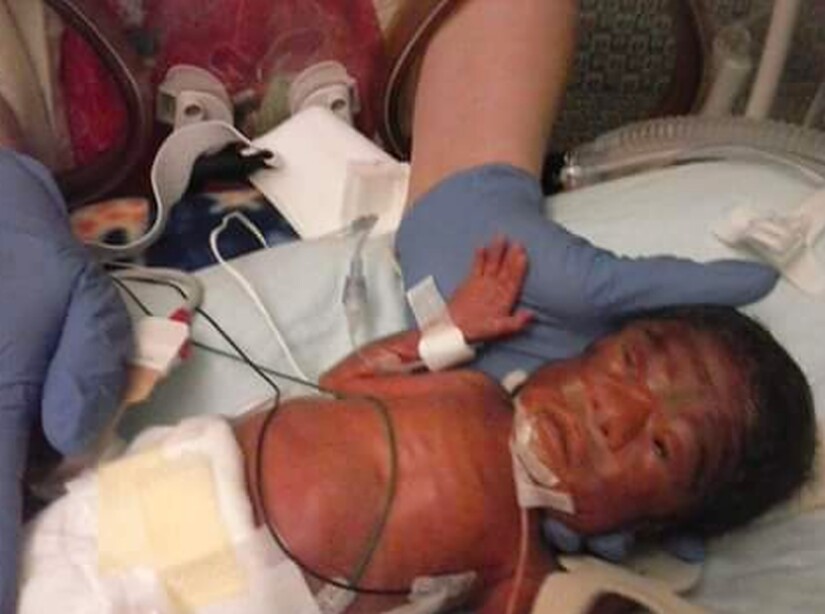
He was born at 28 weeks after a placental abruption, a dangerous complication in which the placenta separates from the uterine wall. According to Tripp, he was limp at birth, required intubation, and remained in the neonatal intensive care unit for months.
She stayed close, breastfed him, and asked questions about his progress. She also worried about episodes in which his oxygen saturation levels or other vital signs appeared to decline.
When he was finally released, she treated the home almost as an extension of the neonatal unit. Relatives entering the house were expected to change clothes and sanitize themselves. A humidifier ran in the room. She attended his medical appointments and reported anything that appeared unusual.
There were several things she did not understand.
At times, Zhakari stared into the distance and did not immediately respond. He developed an unusual rash on his abdomen that Tripp believed looked different from the eczema she had seen in her other children. His body sometimes arched backward while he rested on his nursing pillow. Tripp said she repeatedly raised those concerns with medical professionals but left without a clear explanation.
She later came to believe that some of those behaviors may have been associated with seizures.
Then came the night when she picked him up and felt him go limp.
At the hospital, Tripp said, a physician showed her images of the bleeding around Zhakari’s brain and explained that such an injury could be associated with severe trauma, including violent shaking. According to Tripp’s recollection, the physician also discussed his prematurity as a possible factor.
Tripp denied that anyone had shaken or struck her son.
While doctors operated, her family prayed with a hospital chaplain. Tripp withdrew to pray alone.
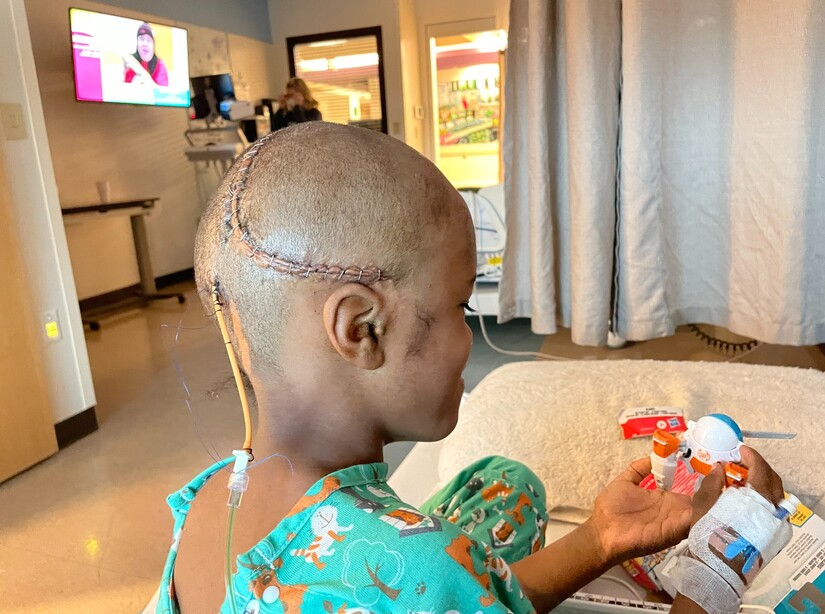
“God, I know that Zhakari is yours,” she remembered praying. “I know that he belongs to you and he was a gift to me, but I haven’t been able to love on him, experience him. Please, if you could just allow me to be with my son. If it is your will, then let your will be done.”
When she left the room, she felt something lift from her.
The investigation, however, was only beginning.
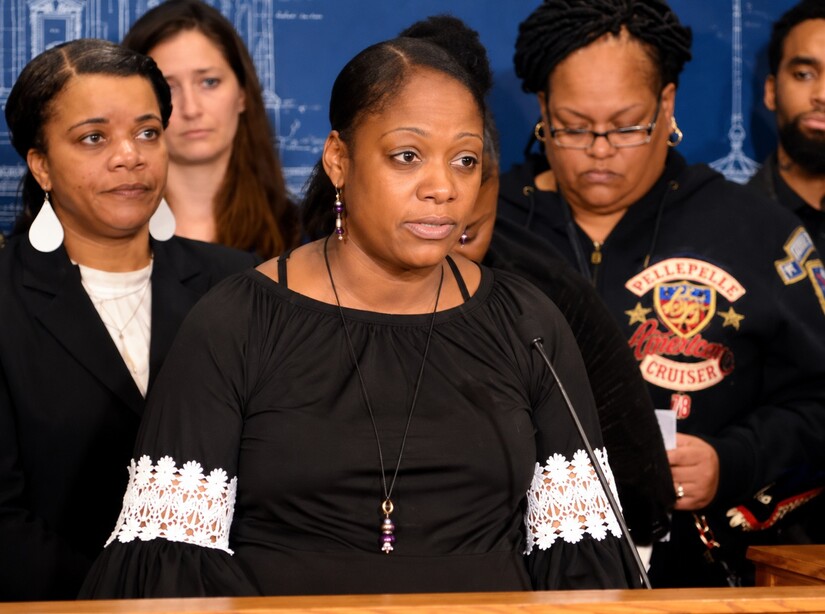
A child abuse specialist informed Tripp that the combination of medical findings required an investigation. A detective visited her home, photographed the rooms, and examined whether any surface there could have caused Zhakari’s injury.
Tripp cooperated. She wanted an explanation as urgently as anyone.
“As a mom, I’m thinking, how did this happen?” she said.
What she did not initially understand was that child protection was no longer simply gathering information. Its representatives were determining whether she could be trusted with her son.
Tripp said a woman accompanied the detective during a subsequent visit and was introduced only as his co-worker. She later learned that the woman was a child protection worker. Tripp said she would have approached the conversation differently had she understood the woman’s role from the beginning.
When Zhakari was ready to leave the hospital, the family asked whether he could stay with an aunt while authorities continued investigating. According to Tripp, that request was refused because the worker believed the aunt might return him to the person officials already viewed as his abuser.
Zhakari entered foster care. Tripp’s other children remained at home with her.
That contradiction stayed with her throughout the case. If she represented an immediate danger to one child, she wondered, why was she permitted to continue caring for her other three children?
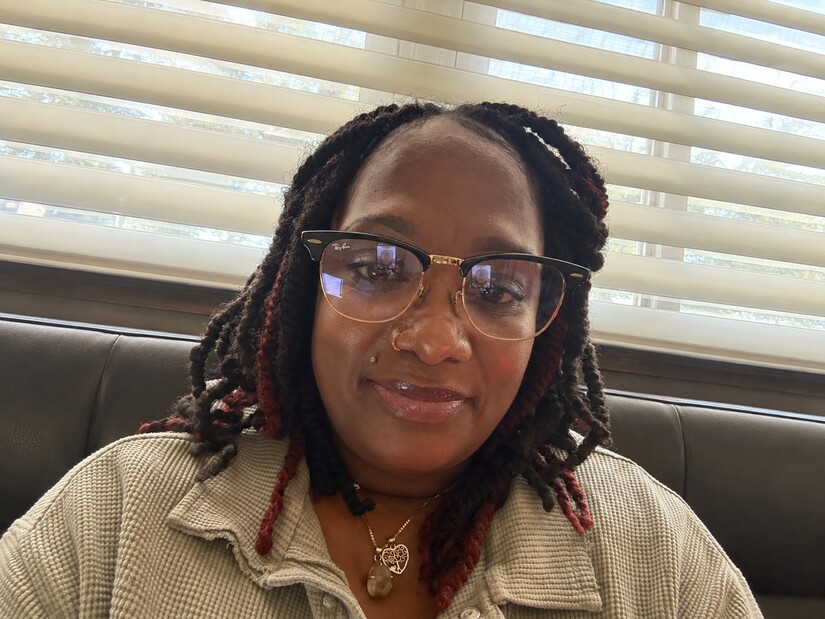
Determined to find answers, Tripp began searching for medical explanations.
She requested prenatal and medical records and said she discovered that, although she had been tested and treated for iron and vitamin deficiencies during earlier pregnancies, she had not received the same testing during her pregnancy with Zhakari.
While searching on her phone, Tripp found medical literature that led her to question whether Zhakari’s premature birth, the trauma surrounding his delivery, and possible nutritional deficiencies had been sufficiently considered alongside the abuse theory.
She began comparing what she read with the records she had obtained.
When she presented those concerns to medical and child protection professionals, she said, they were rejected. Tripp became convinced that important aspects of Zhakari’s birth and medical history had not been given sufficient weight.
She later sought a second opinion at the University of Minnesota after Zhakari’s head continued to swell. According to Tripp, a physician there identified hydrocephalus, a condition in which cerebrospinal fluid accumulates within the brain’s cavities.
Tripp said physicians discussed placing a shunt to drain the fluid. She questioned whether the procedure was immediately necessary and asked that his nutritional needs and development be considered. According to her account, the proposed operation did not take place and the fluid later subsided.
The complete medical record and juvenile court file were not available to MinneapoliMedia. Her descriptions of medical diagnoses, treatment decisions and the conclusions reached by individual clinicians are therefore presented as her recollections rather than independent medical findings by this publication.
Publicly available records establish that Tripp’s infant son suffered a grave medical emergency, authorities removed him from her care, the family disputed the abuse theory, and she fought for his return for four years.
Tripp said her refusal to accept the official explanation was interpreted as evidence that she lacked insight into her son’s condition. She was told to follow a case plan, which she said she completed repeatedly. Yet the demand beneath the plan remained unchanged: acknowledge an explanation she believed was medically false.
Her response was to teach herself the system.
She studied child protection law and Minnesota statutes. She learned how evidence entered the record, observed examinations of witnesses, and worked with her attorney on specific lines of questioning. At times, she represented herself directly.
“When you’re an effective mother and you go to a doctor’s office, you ask questions,” she said. “You learn what the doctor tells you, and you take that home.”
A mother, she came to understand, was never only a mother.
“She is a protector. She’s a provider. She is the therapist. She is the doctor. She is a lawyer when it comes time for her to be that.”
Tripp said her persistence was met with condescension and racial bias. She recalled a judge sarcastically calling her “Einstein” when discussing her attempts to introduce medical information. When she asked what specific parenting deficiencies she needed to address in therapy, she said the judge told her to look in the mirror and examine who she was and where she came from.
Those statements could not be independently confirmed without access to the complete court record.
For Tripp, however, the case was no longer simply a disagreement over a medical diagnosis. She believed she was confronting a system in which poverty, race, and professional authority influenced whose knowledge mattered.
“I was dealing with white supremacy,” she said.
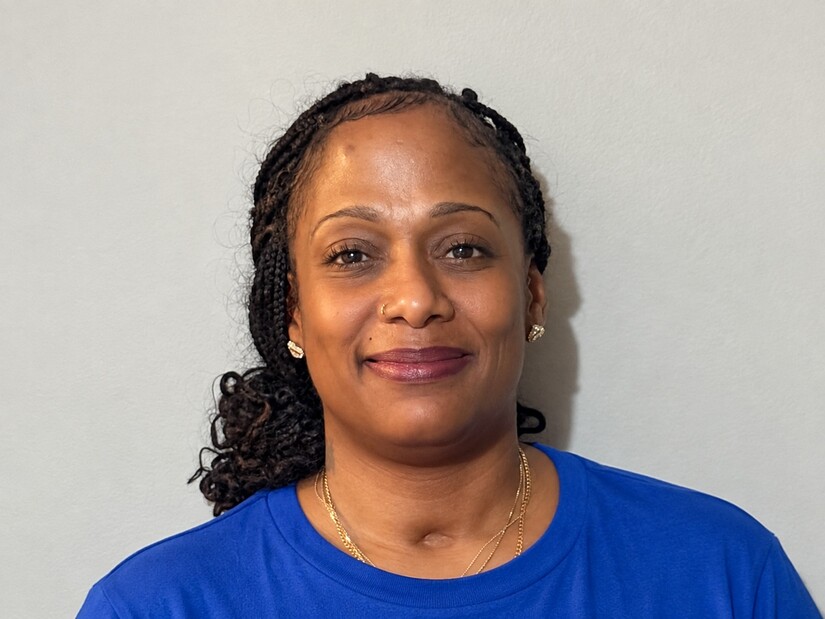
The strain did not remain confined to the courtroom.
While the child protection case continued, Tripp became pregnant with twins. She transferred her medical care to a new clinic that, she said, treated iron and other nutritional deficiencies. Her twins were born healthy.
Then her own body collapsed.
Following an emotional court appearance in June, Tripp suffered a catastrophic cardiovascular emergency that caused severe internal bleeding and required emergency surgery. She described being told that a major blood vessel connected to her heart had ruptured and that she had a 10 percent chance of survival.
Tripp explained that the diagnosis is an aortic dissection, essentially a tear in the main heart artery that required emergency surgery.
Tripp remained hospitalized for months, much of that time unconscious.
She lost the ability to walk, speak, and eat independently. A tracheostomy helped her breathe. Circulatory complications threatened her feet. Her heart stopped at one point, she said, and she underwent multiple operations involving her chest and abdomen.
As she slowly emerged from unconsciousness, Tripp said, clinicians could not promise that she would recover.
She began repeating the word “God” over her body.
“As I was chanting, it was like I was coming back,” she said.
The child protection case did not pause.
According to Tripp, county officials returned to court arguing that her children should be removed because she was unlikely to recover sufficiently to parent them. Proceedings to terminate her parental rights moved forward again.
This was the period when her sister Marvalyne’s role became decisive.
Marvalyne came to the hospital, prayed over her sister, and recited Psalms 27 and 36. Having watched DeClara study the case and advocate for Zhakari, Marvalyne carried that knowledge into the months when her sister could not act for herself.
“My sister gave me the strength to be able to keep going,” Tripp said.
During that period, Tripp remembered seeing an image of an ordinary future: Zhakari standing in the driveway with a bucket of soapy water, preparing to wash a car with her.
She prayed for a simple outcome.
“I just want to be able to hold my son’s hand and walk down the street with him,” she recalled.
When she regained consciousness, she faced a nearly complete physical rebuilding. She had to relearn how to speak, eat, think, and walk. She eventually returned to court in a wheelchair.
The judge who heard her voice expressed surprise that she had survived, she said.
For Tripp, survival changed the nature of the fight. Before her medical collapse, she had confronted officials directly, sometimes arguing out of desperation. Afterward, she became strategic.
“You have to fight with your mind, your brain, the way that you talk, the way that you present yourself to these people,” she said.
Zhakari was removed in 2015 and returned to his mother in 2019.
According to Tripp, she was not presented with new evidence explaining the decision. She remembers being told only that she was now in a better place.
Bringing him home repaired the family’s physical unity, but it did not erase the years apart.
Tripp said Zhakari’s hair was cut during foster care, another name was used for him, and he was encouraged to call a foster caregiver “Mom.” Because he saw his biological mother only during limited visits, she said, he came to understand her as a friend of the foster family.
After returning home, he asked Tripp a question that exposed the depth of his confusion.
“Why did you take me away from my family?”
She had to explain that she had not removed him and had spent years trying to bring him home.
“The trauma didn’t end when he was returned back to me,” she said. “The trauma still exists today.”

Zhakari also returned from a foster placement with greater financial resources to a mother still living in poverty. His foster caregivers could provide trips and experiences Tripp could not initially afford. She understood how those contrasts might shape a young child’s sense of where he belonged.
Reunification required more than opening the front door. It required rebuilding attachment, restoring family roles, and helping a child understand why the adults around him had changed.
Today, Tripp describes Zhakari as intelligent, loving, funny, independent, and strong. Although he experienced seizures for a period, she said he has exceeded the developmental expectations once placed upon him and become one of the strongest students in his class.
He has also reestablished a close relationship with his father. Tripp said his father’s parental rights were terminated during the case, but he is now actively involved in Zhakari’s life.
Once, when Tripp teased Zhakari about how much time he liked spending with his father, he answered with the directness of a child who had already experienced enough divided loyalties.
“Mom, I love you and my dad the same way,” he told her. “I don’t love my dad more. I don’t love you more. You guys got the same love.”
For Tripp, such moments are evidence that her son retained something the system could not permanently assign or rename: his own understanding of family.
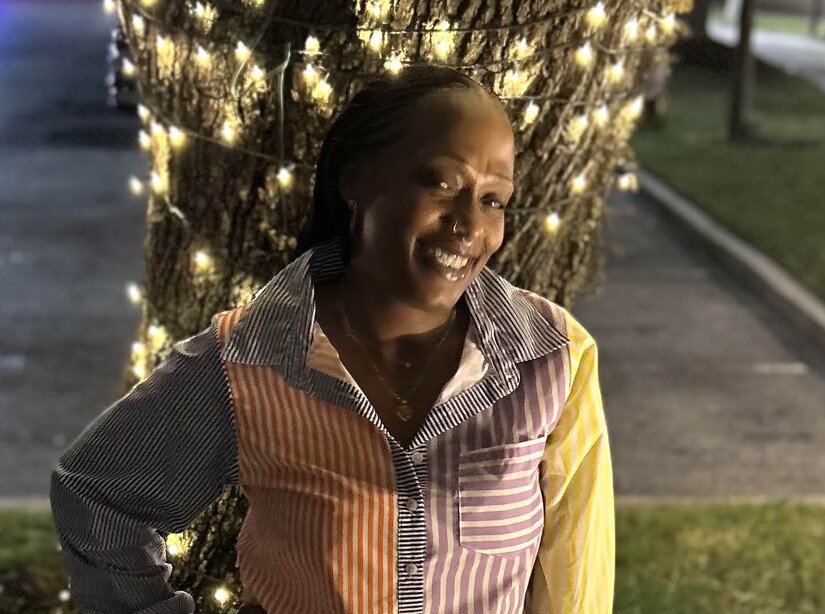
MinneapoliMedia first encountered DeClara’s story through Marvalyne Tripp, whose Power of Her profile documented the ordeal from the perspective of a sister and aunt trying to protect a family under extraordinary pressure.
The two accounts overlap because they must. They describe the same child, the same separation, and the same years of resistance.
But they are not interchangeable.
Marvalyne’s account reveals what it means to witness a sister being broken by a system and then assume responsibilities she can no longer carry. DeClara’s account reveals what it means to be the mother at the center of the allegation, expected to prove her fitness while simultaneously depending on the institutions she distrusted for access to her child.
Their accounts also clarify how responsibilities were shared. DeClara gathered and studied the medical information during the early stages of the case. Once her health failed, Marvalyne helped keep the children connected, the family organized, and the effort to protect DeClara’s parental rights moving forward.
“She learned from what she saw me doing,” DeClara said. “We learned together because there were other steps that we had to take together.”
The larger truth is not that one sister carried the family while the other did nothing. It is that the weight shifted between them according to who could stand.
When DeClara could no longer speak, Marvalyne became her voice.
When DeClara recovered, she carried both of their experiences into public advocacy.
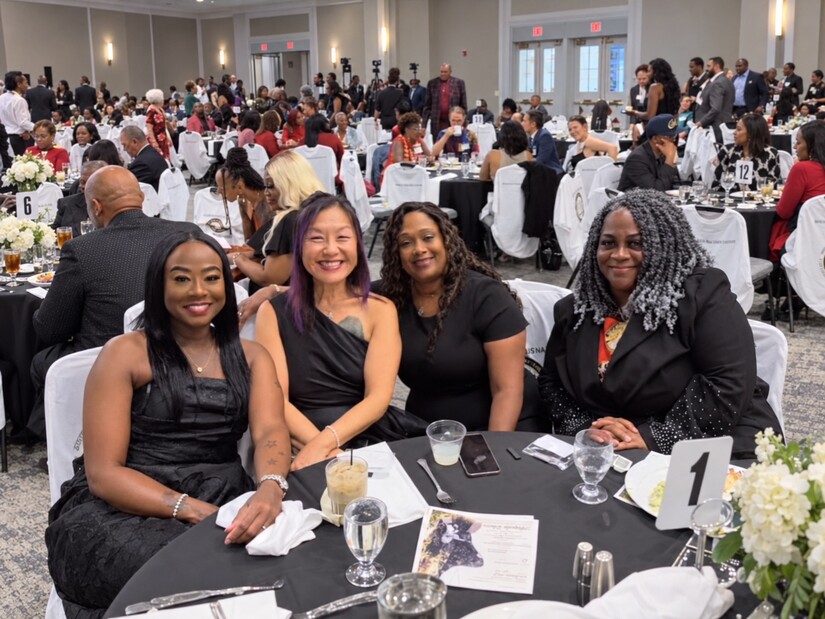
Many people who survive a child welfare case want nothing more to do with the system. Tripp chose to return to it.
She began speaking with legislators while Zhakari was still outside her care. Her experience connected her with other parents whose stories revealed that what had happened to her family was not isolated.
Black families in Minnesota have long faced disproportionate contact with child protection, including higher rates of reporting, investigation, and removal. Those disparities helped drive the multiyear campaign for the Minnesota African American Family Preservation and Child Welfare Disproportionality Act.
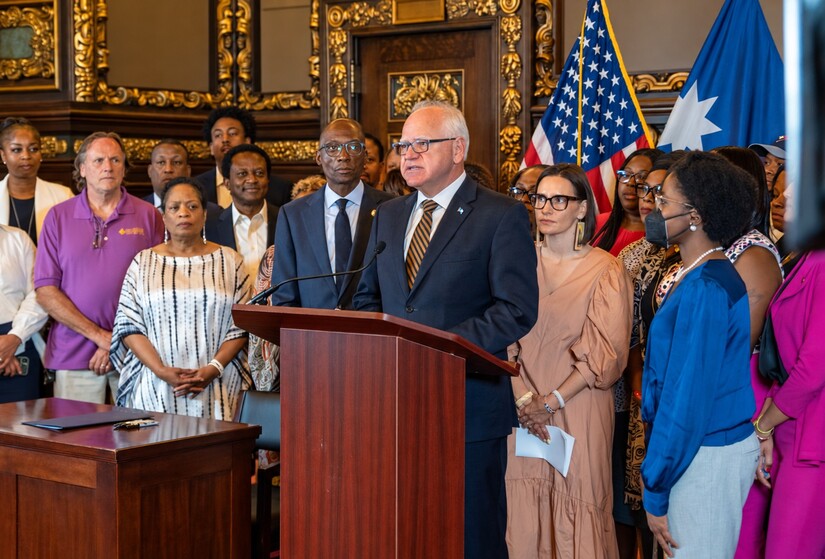
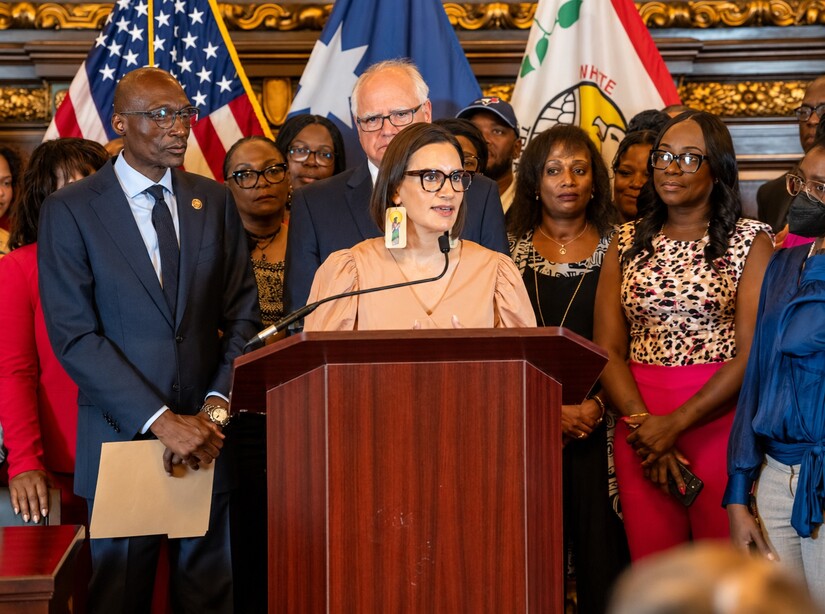
Tripp was one of the affected parents and advocates who gave the campaign its human urgency. The effort also involved Village Arms founder Kelis Houston, other affected families, community organizations, attorneys, and legislators including former state Rep. Rena Moran and Rep. Esther Agbaje.
Gov. Tim Walz signed the legislation on May 21, 2024.
The law establishes “active efforts” as a higher standard than reasonable efforts. It requires child welfare agencies to involve families continuously in case planning and the selection of services, consider their cultural and social values, make meaningful services available according to each family’s specific needs, prevent unnecessary removals, prioritize relatives, and pursue reunification when children enter foster care.
For Tripp, those protections address many of the failures her family says it experienced: relatives excluded from decision-making, a parent treated as an object of investigation rather than a participant, and services framed as demands rather than genuine assistance.
Her role has since moved from legislative testimony into implementation. The Minnesota Child Welfare Training Academy lists Tripp as a community trainer connected to the preservation law. She said she has helped professionals understand active efforts and is now involved in education addressing racial disparities and disproportionality in child welfare.
In 2024, the American Bar Association named her one of its national Reunification Month Heroes.
In 2025, Walz and Lt. Gov. Peggy Flanagan appointed her as a public member of Minnesota’s State Board of Appellate Counsel and Training. The board supports the state system that provides appellate representation and related training in child protection matters. Tripp has also participated in Minnesota’s Children’s Justice Act Task Force.
The mother once made to feel that she lacked the education to challenge the system now helps educate people inside it.
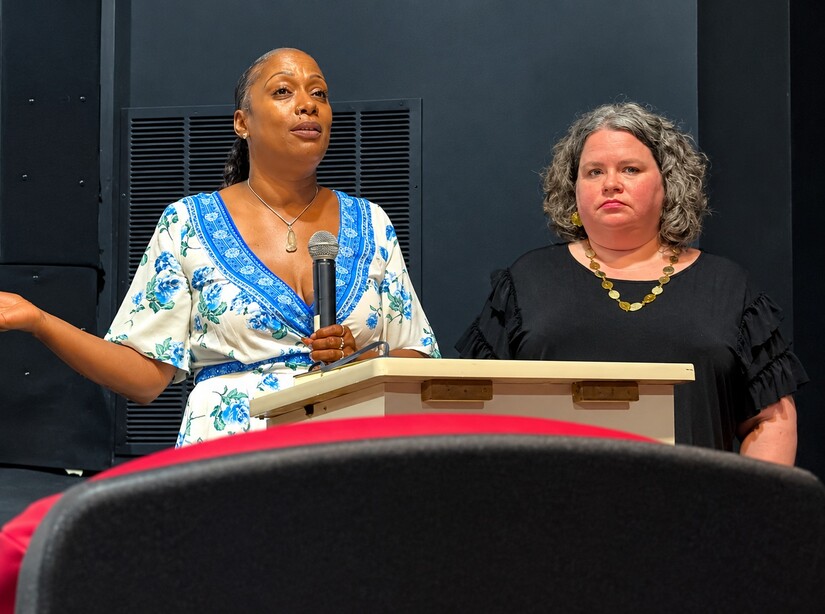
At Village Arms, Tripp works as a family liaison.
Some families are referred after a child protection report does not meet the threshold for formal agency involvement. Tripp meets with parents, identifies what they need, and helps create an independent service plan based on goals the family chooses.
The needs may include housing, therapy, household supplies, hygiene products, or help understanding what circumstances can trigger child protection involvement.
“If you know better, you do better,” she said.
Other families come to Village Arms and later become involved with child protection. Tripp stays beside them through that process, helping parents understand court proceedings, communicate with caseworkers, and respond without allowing fear or frustration to derail their progress.
Her purpose is not to turn every parent into an attorney. It is to make sure no parent must enter the room entirely dependent on people who already hold power over the case.
She also helps families identify relatives, friends, and community members who can remain after the agencies leave.
When Tripp enters meetings with social workers, attorneys, and government officials today, she does not begin by asserting that she knows more than everyone else.
She begins with the family.
“I focus on the law,” she said. “I focus on the steps that are taken to accomplish the goals within that family.”
If bias appears, she names it. If a professional loses sight of the family’s needs, she redirects the discussion. She is also willing to tell parents when their own conduct may undermine the work of reunification.
“I just be real,” she said. “I don’t let my position, or what I went through, present me as a person that knows more than anyone in the room. I humble myself and stick to the purpose of what I am there for.”
That balance may be the clearest measure of what her ordeal produced.
Tripp did not return to the system pretending it had never harmed her. She returned without allowing that harm to become the only thing she brings into a room.
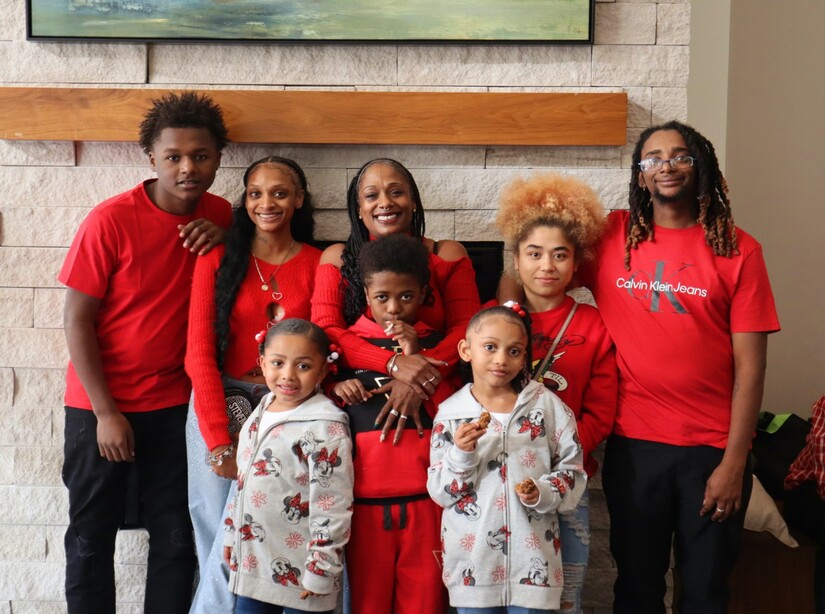
When asked how she hopes her children will describe her years from now, Tripp did not mention legislation, appointments, or awards.
“I want them to do what’s right,” she said.
She wants them to become people who stand up, persist through difficulty, and refuse to surrender themselves or their lives when circumstances turn against them.
She also wants them to retain their humanity when someone hurts them.
“Still be able to be a decent person,” she said. “No matter how someone treats you, you don’t stoop down to their level and let that tear you apart. Don’t let it break you.”
Tripp believes Minnesota can reduce the separation and trauma experienced by families if institutions follow the law, listen to parents, and place children rather than professional power at the center of every decision.
“As we continue to heal, educate, and love on our community, I believe there will be change,” she said. “Put our babies first. The first, number one thing is the protection of our children.”
Her story does not offer an uncomplicated triumph.
Zhakari came home, but the separation followed him. DeClara survived, but her body still carries the effects of her cardiovascular crisis. Minnesota enacted a landmark law, but a statute cannot protect a family unless the people entrusted with enforcing it change what happens in hospitals, homes, agency meetings, and courtrooms.
What DeClara Tripp offers is not proof that persistence always defeats institutional power.
It is the testimony of a mother who refused to let an institution write the final meaning of her life.
She was once forced to learn medicine and law to defend her place in her child’s life. Today, she stands beside other parents so they do not have to learn everything alone.
And after everything that was taken, challenged, and nearly broken, she can hold her son’s hand and walk down the street with him.
That was the future she prayed for.
Now she is working to make it possible for somebody else.
Editor’s note: This profile is based on MinneapoliMedia’s August 20, 2026, interview with DeClara Tripp and a review of publicly available organizational, legislative, and government records. Statements concerning her family’s confidential child protection proceeding, medical treatment, foster care placements, and courtroom interactions are attributed to Tripp because MinneapoliMedia did not have access to the complete medical and juvenile court files. The article distinguishes her firsthand account from facts independently established through public records.

Local stories matter. Subscribe free to MinneapoliMedia and receive independent news, community reporting and important updates from Minneapolis, the North Metro and communities across Minnesota.
SUBSCRIBE FREE: https://minneapolimedia.town.news/subscribe
MinneapoliMedia | Community. Culture. Civic Life



Sunny, with a high of 85 and low of 69 degrees. Sunny during the morning, overcast in the afternoon, clear overnight.