39° and Clear
Image
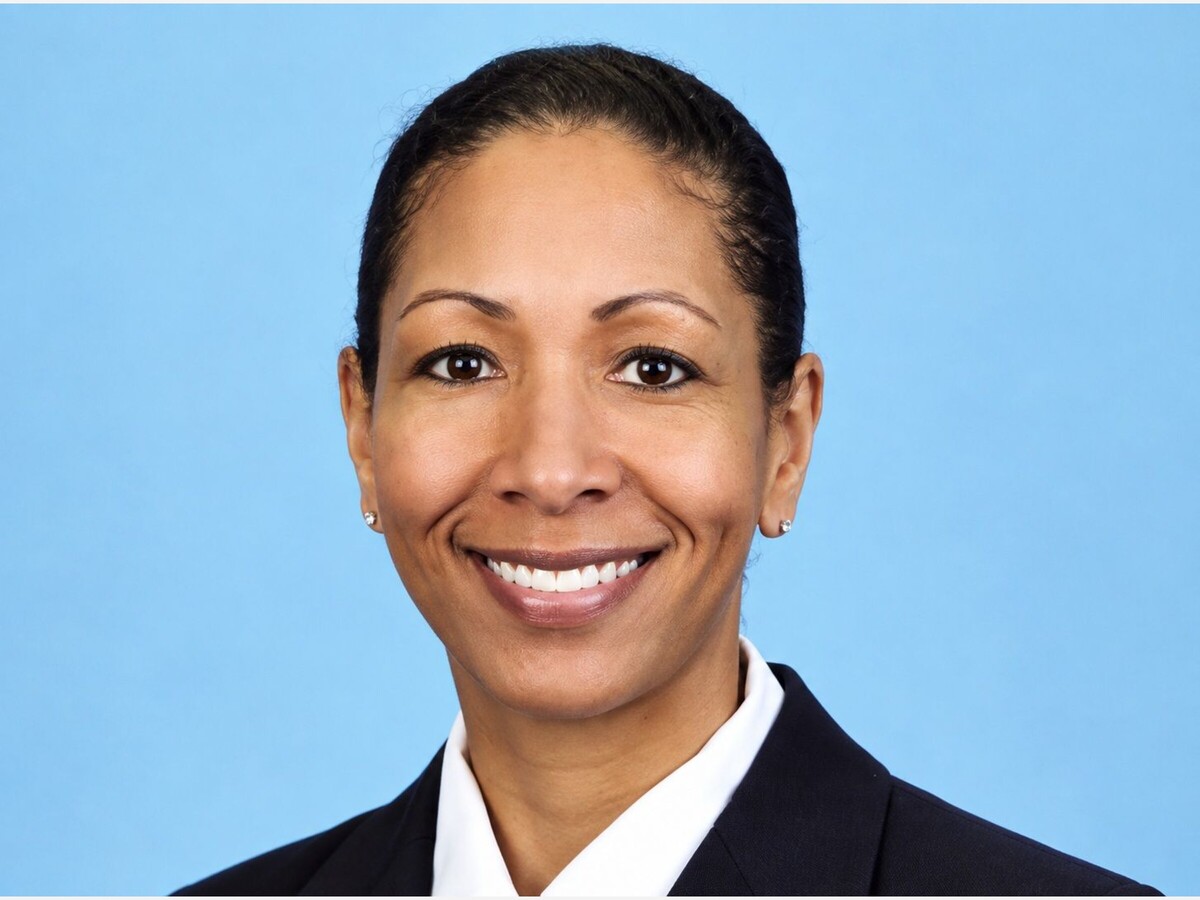



From a Bloomington childhood to courtrooms, military service, public defense, prosecution, and police accountability, Ayodele "Dele" Famodu has spent much of her adult life moving toward difficult work. In an unusually candid conversation with MinneapoliMedia, she reflected on the people who shaped her, the institutions she has challenged, the personal cost of public service, motherhood, faith, and what it means to keep going when the outcome is uncertain.
MINNEAPOLIS, MN (September 7, 2026).

Long before Ayodele "Dele" Famodu became an attorney, Army Reserve judge advocate, prosecutor, public defender, assistant attorney general, or the first civilian to lead the Minneapolis Police Department’s Internal Affairs Bureau, she was the second-oldest child in a large Minnesota family learning early what responsibility required.
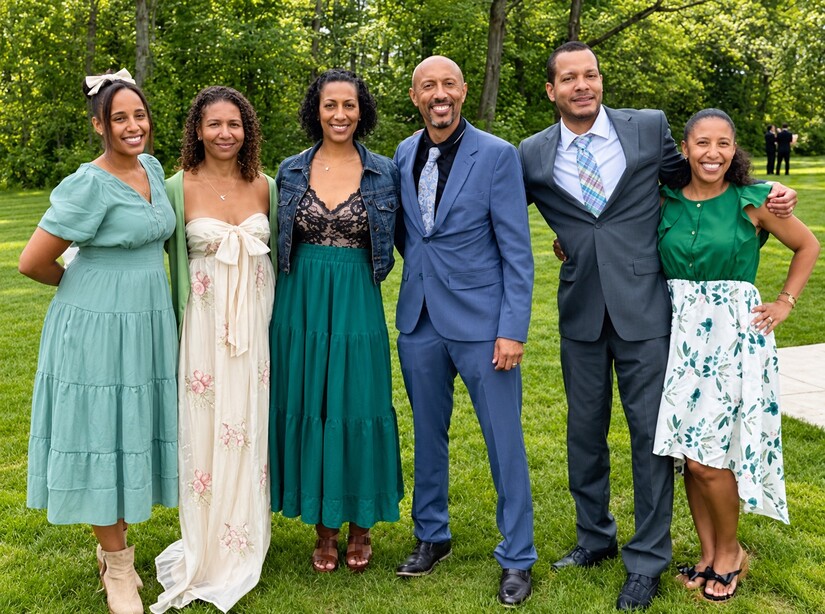
Famodu grew up in Bloomington, the second of seven children on her father’s side and six on her mother’s. Her mother grew up on a farm in Luverne in southwestern Minnesota, the youngest of eight children. Her father came to Minnesota from Nigeria and attended St. Cloud State University, where her parents met.
Responsibility arrived early. Famodu recalled helping care for younger siblings while also understanding that education could determine the range of choices available to her. Her family was not wealthy, she said, and she knew scholarships might be necessary if she wanted to attend college.

Her parents emphasized education, but athletics also occupied an important place in the household. Famodu participated in gymnastics, track, and tennis. The combination of academic expectations, competition, and family responsibility helped develop the discipline that would later become visible across a career spent repeatedly entering demanding institutions.
She remembers deciding remarkably early that she wanted to become a lawyer. She was about seven or eight when adults visited her school to talk about their professions. One parent was an attorney.
The particular field of law did not matter to her. What she remembered was the passion with which the lawyer described the work.
From then on, law became the destination.
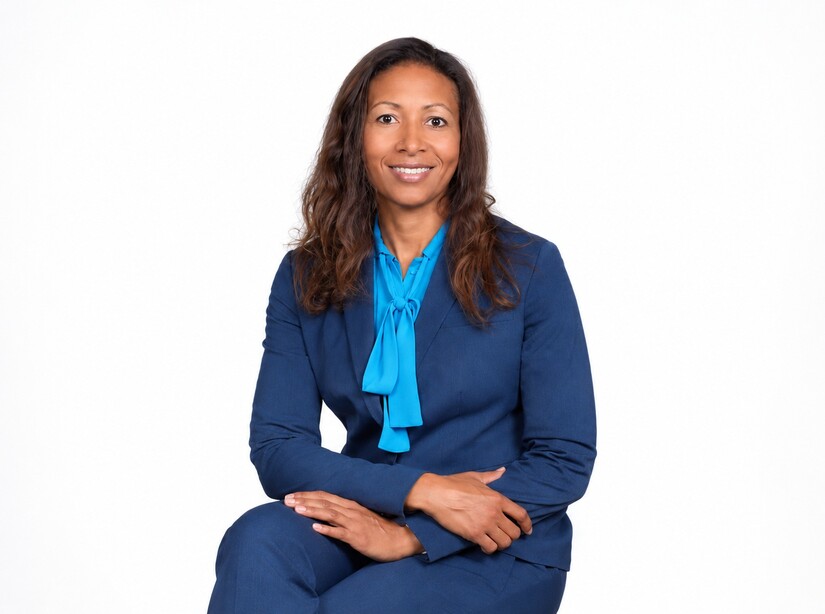
Famodu did not grow up knowing exactly what kind of attorney she would become, and the career that followed bears little resemblance to a carefully constructed professional ladder. She would eventually work on different sides of the justice system and in markedly different institutions, experiences that taught her to resist simple conclusions about people, power, and accountability.
One lesson, however, appeared before much of that professional life began: people need people.
Famodu spoke at length about mentorship and the importance of an adult who takes the time to notice a young person, listen without immediately issuing instructions, and provide guidance based on who that child actually is.
One of those people in her own life was Scott Etzel, a coach and teacher she remembered years later not simply because he coached her, but because he made room for her at a moment when she needed it.
After deciding she had little use for honors calculus because she did not plan to become an engineer or mathematics teacher, Famodu left the course and approached Edsel, who taught wood shop, asking whether she could serve as his teacher’s assistant.
He allowed her into the class, with conditions, and eventually taught her more than wood shop. Their relationship endured into adulthood, and they later coached together. His death, Famodu said, left her thinking about how many other people could tell stories about the difference he had made in their lives.
Not every child gets a Scott Etzel.
That fact has stayed with her.

Service initially entered Famodu’s life in ways that were less dramatic than the positions she would later occupy. She volunteered, including with Big Brothers Big Sisters, and sought opportunities through churches to help with food programs and donation drives. What she repeatedly encountered was the scale of need. One volunteer could help, but families struggling with poverty, education, housing, or other pressures often needed far more than one well-intentioned person could provide.
Famodu began thinking that becoming an attorney might give her greater capacity to help.
Her early professional experiences reinforced that instinct.
After clerking for a judge in Maryland, she moved to Chicago and worked for the city. In municipal cases, she encountered people whose low-level violations could lead to cascading financial consequences. A ticket could lead to towing. Towing could produce fees a person could not afford. The loss of a vehicle could make it harder to reach work, which in turn made paying those costs even more difficult.

Famodu said she worked on approaches that considered individual circumstances rather than treating every case as a mechanical progression toward harsher penalties.
The work connected her closely to people dealing with systems that could become overwhelming quickly.
A later move into medical malpractice defense produced a very different experience.
"I almost lost my soul, my passion, everything in that job," Famodu recalled.
She came close, she said, to leaving law altogether.
Instead, she joined the military.
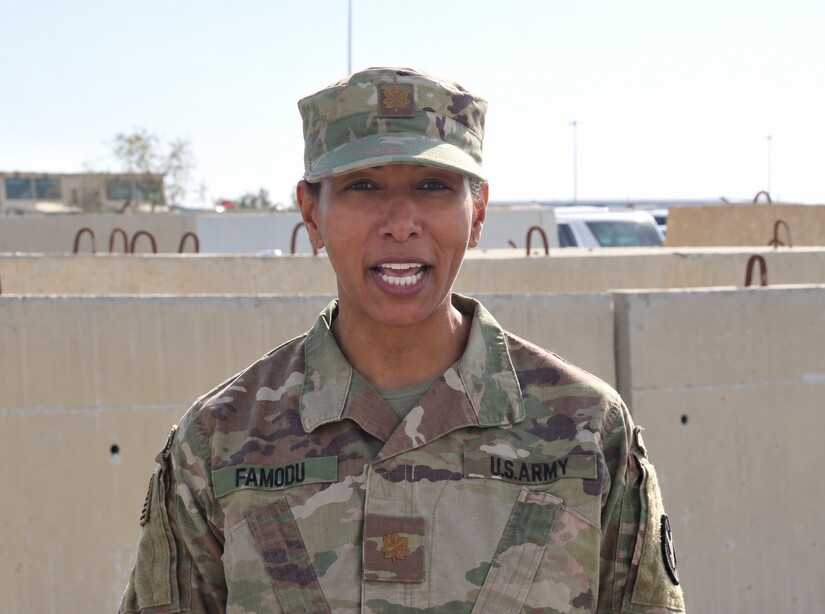
Famodu served in the U.S. Army Reserve Judge Advocate General’s Corps, eventually retiring in 2023. She emphasized that she did not join because of a signing bonus, student-loan repayment, or another financial incentive. She joined because she believed her legal training could be useful to people serving the country.
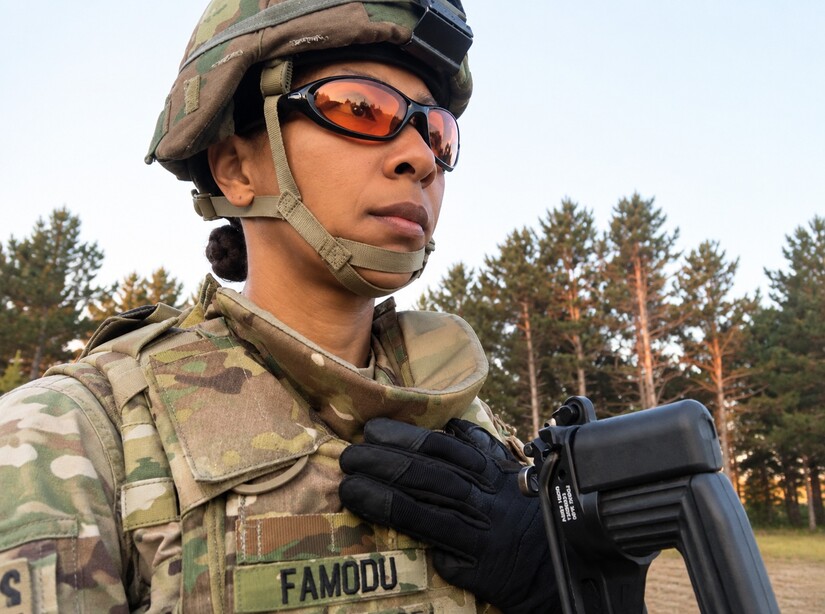
Military service became one of the most consequential chapters of her professional life. Famodu described providing legal assistance to service members and working on complex legal matters involving sexual assault, sexual harassment, domestic violence, and administrative discipline. She also described confronting institutional practices she believed required reform.
That work brought accomplishment, but also personal consequences.
Famodu said a later deployment left her with physical and psychological injuries. She described herself during the interview as a disabled veteran and spoke openly about post-traumatic stress and chronic health problems that emerged after years of forcing her body and mind to continue performing under pressure.
For someone accustomed to endurance, accepting those limitations has not been easy.
The military also gave Famodu mentors. Among the most important, she said, was a senior officer who recognized that her habit of continuing to work long after others had stopped was not necessarily evidence that she should simply be given more to carry. During one operation, he ordered her to stop, telling her that if she never stepped aside, other people would never get the opportunity to learn.
Years later, he continued checking on her.
The lesson was significant for a woman whose instinct had long been to keep moving.
That instinct also shaped Famodu’s understanding of justice.
Few attorneys spend meaningful portions of their careers as both public defender and prosecutor. Famodu did.
As a public defender in Hennepin County, she represented people at some of the worst moments of their lives. The experience challenged assumptions about defendants and forced her to separate a person from the worst allegation attached to that person’s name.
A serious crime, she said, did not eliminate someone’s humanity.
"Just because somebody has a horrible moment or a lapse in judgment does not make them a bad person," Famodu said.
She viewed rehabilitation and redemption as essential purposes of a criminal justice system that claims to be more than a mechanism for punishment.
That experience followed her when she became a prosecutor.
Public defense had taught her what it felt like to stand beside someone with comparatively little institutional power. Prosecution showed her what happened when the power shifted.
As a prosecutor, she said, she became acutely aware of the authority carried by someone empowered to make charging recommendations and represent the government. She rejected the idea that a prosecutor’s responsibility was simply to accumulate convictions.
Power, in her view, had to be handled carefully.

She recalled occasions when judges questioned why she had not pursued more severe charges or why she was recommending leniency. Her response was to explain the facts and circumstances that she believed justified the position she had taken.
The public defender had not disappeared when the prosecutor entered the courtroom.
Neither had the prosecutor disappeared when Famodu later moved into other government roles.
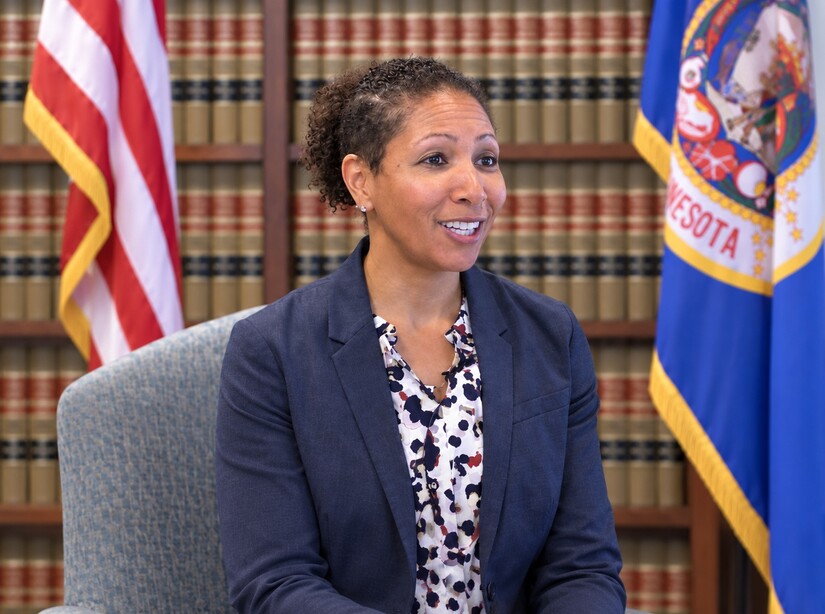
Her career eventually included work as consent decree counsel with the Minnesota Department of Human Rights and as an assistant attorney general under Minnesota Attorney General Keith Ellison. She also represented Ellison on the Minnesota Cannabis Expungement Board.
By the time the Minneapolis Police Department recruited her, Famodu had spent years seeing legal institutions from different sides.
In May 2025, Minneapolis announced Famodu as Chief of the Internal Affairs Bureau and Ganesha Martin as Chief of the Constitutional Policing Bureau, making them the first civilians to hold such high-ranking positions within MPD.
Famodu was assigned oversight of internal investigations at a department facing extensive reform obligations and longstanding questions about accountability, public trust, and institutional culture.
Her tenure would prove to be a complex and demanding professional experience.
During the interview, Famodu reflected on the transition into municipal public safety oversight, noting that civilian leadership within police accountability carries unique expectations and significant administrative challenges.
The core work itself was familiar terrain.

Famodu believed her background made accountability work a logical fit. She had defended people accused of wrongdoing, prosecuted cases, represented government institutions, investigated misconduct in military environments, and worked on civil rights and consent decree matters.
What she noted, however, was the magnitude of structural change required when implementing broad oversight standards within established institutions.
Famodu described the institutional friction that can accompany structural reform, including disagreements over discipline processes, personnel procedures, and administrative transparency. Some of these internal administrative dynamics are governed by employment privacy regulations, and MinneapoliMedia presents them as part of Famodu’s reflections on the complexities of civilian oversight.
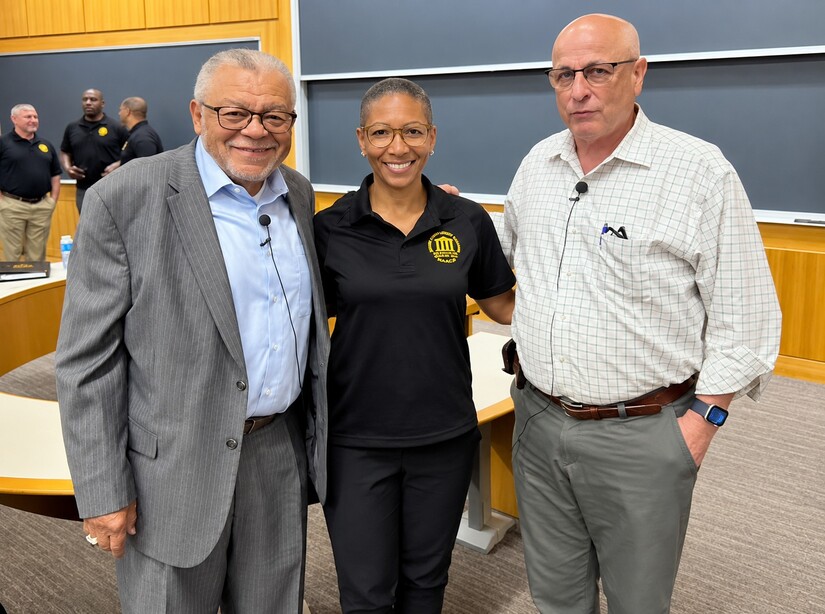
She noted that managing accountability inside a major law enforcement agency required navigating deep-seated institutional norms while maintaining strict adherence to procedural fairness.
She also reflected on periods during her tenure when administrative shifts occurred within department leadership, creating broader institutional uncertainty.
Throughout those challenges, she emphasized her commitment to due process for all parties involved in disciplinary reviews.
At the time of the MinneapoliMedia interview, Famodu remained focused on the responsibilities of her bureau while reflecting deeply on the long-term path of public safety reform.
She repeatedly brought her reflections back to faith.
For Famodu, Christianity is not an accessory to her professional identity. She speaks openly about prayer because she regards it as part of how she makes decisions, survives difficulty, and determines when to move and when to stay.
That is the origin of the six words that became the clearest description of her life during our conversation:
"Nevertheless, I pray and persist."
Famodu does not use the phrase to suggest that prayer guarantees a favorable outcome.
Quite the opposite.
She described faith as necessary precisely because she often cannot see how events will end. Prayer, in that understanding, does not remove uncertainty. It gives her a way to continue through it.
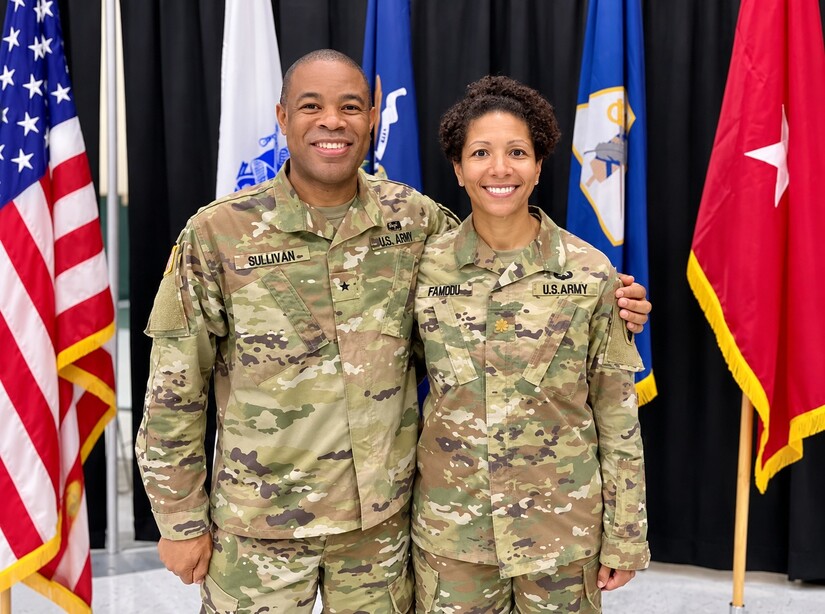
During a difficult military deployment, she said, prayer became less an abstract spiritual practice than a means of getting through each day. She spoke of physical danger abroad and personal pressures at home. At night, familiar prayers became part of the routine by which she managed fear and uncertainty.
Years later, faith continued to guide major decisions, including managing personal transitions, establishing a stable home for her daughters, and navigating demanding professional environments.
Yet if faith explains part of Famodu’s persistence, motherhood explains much of what she believes the persistence is for.

Famodu did not always expect to become a mother.
Growing up in a large family had made her value independence, and for years she imagined adulthood without children. That changed.
She now describes motherhood as one of the defining gifts of her life.
"If that was the only thing I had to offer this world, it would be enough," she said.
Her two daughters see a version of Famodu that job titles do not capture. They see the mother who jokes with them, takes them traveling, asks about their days, goes biking and camping with them, disciplines them, advocates for them when necessary, and maintains high standards for their education and personal growth.
They also see her come home.
That matters because the public cost of leadership is easier to document than the private one.
Famodu described years of military service, professional pressure, health challenges, and the strain of raising two children while carrying responsibilities that followed her long after the workday ended.
She is unapologetic about placing her daughters at the center of her priorities.
"I don’t care because that’s my legacy," she said.
One story she told about one of her daughters now carries particular resonance.
After a successful track season, her daughter expected ribbons recognizing her performance. Famodu suspected beforehand that the ribbons might not come and prepared her for the possibility.
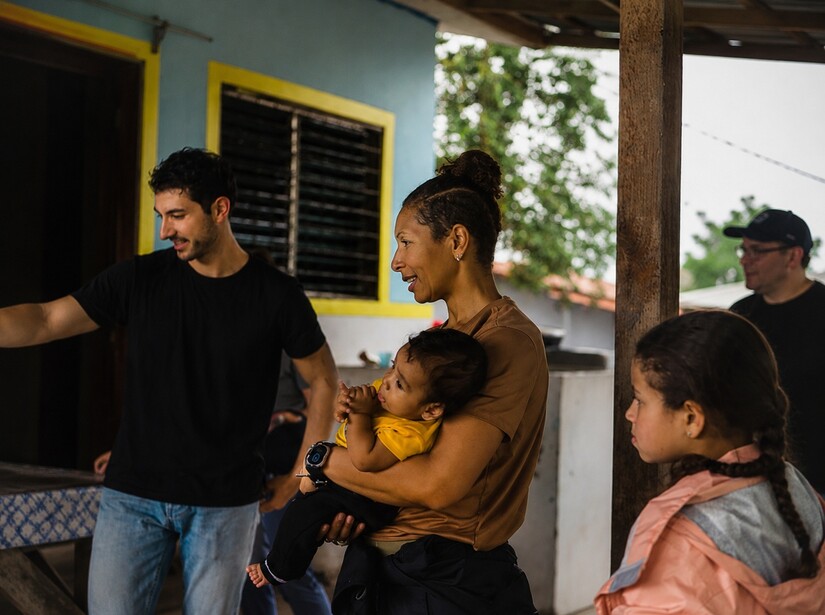
Her daughter had improved. She had competed well. She had enjoyed the season.
If no ribbon arrived, Famodu asked, would any of those things become less true?
The ribbons did not come.
Her daughter was disappointed.
Famodu reminded her of what they had discussed.
"It does not change what you did to get there."
After this interview was recorded, Famodu’s own circumstances changed.
In June, the Minneapolis Police Department terminated her contract. Famodu told the Minnesota Star Tribune that she had not been given a reason for her removal and that she had obtained legal representation. The City of Minneapolis confirmed the end of her employment but, citing data privacy law, did not publicly explain the circumstances.
MinneapoliMedia later asked Famodu whether she still wanted this interview published.
Her answer was yes.
She said she knew she had done her best under difficult circumstances and remained proud of the work she performed and the person she had been while doing it.
That subsequent development is part of the historical record. It is not, however, the measure of the life examined in this conversation.
Famodu’s story began decades before MPD and continues beyond it.
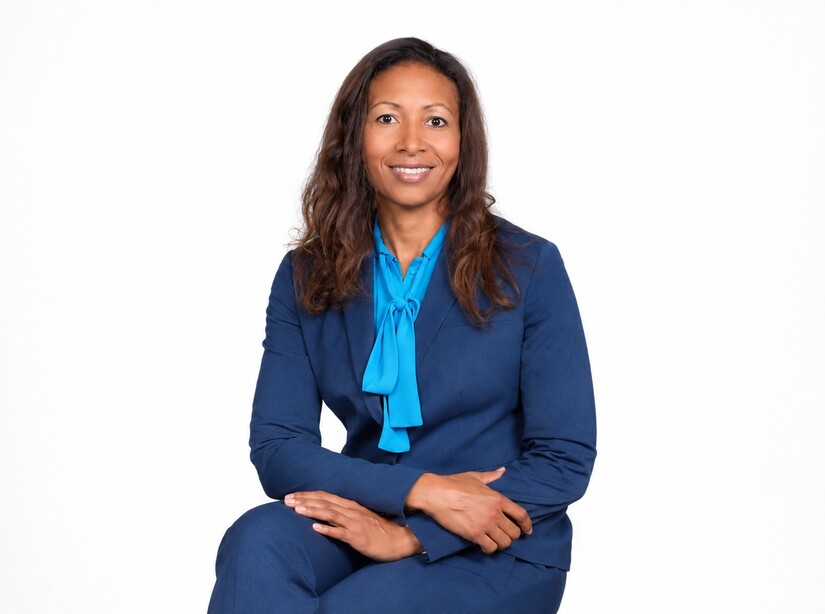
She has been a daughter helping raise younger siblings, a student determined to reach law school, a municipal attorney, a defense lawyer who nearly left the profession, a soldier, public defender, prosecutor, government attorney, mother, and woman of faith. She has worked inside systems she respected, systems she challenged, and systems she believed needed to change.
Asked what she wanted her daughters to learn from watching her navigate those experiences, Famodu returned to perseverance and resilience.
She told another version of the lesson she had given her daughter after track season: life will not always be fair. Promises will not always be kept. Recognition will not always arrive. None of those things can be allowed to determine the value of the work a person knows she has done.
Famodu also spoke directly to young Black women wondering whether they belong in leadership.
Her answer was not to minimize what they might encounter. She wants more Black women occupying positions of authority so that their presence ceases to be treated as exceptional or rare.
She wants young girls to see Black women leading everywhere, not only in traditionally prestigious professions but in classrooms, athletic programs, government, institutions, and communities.
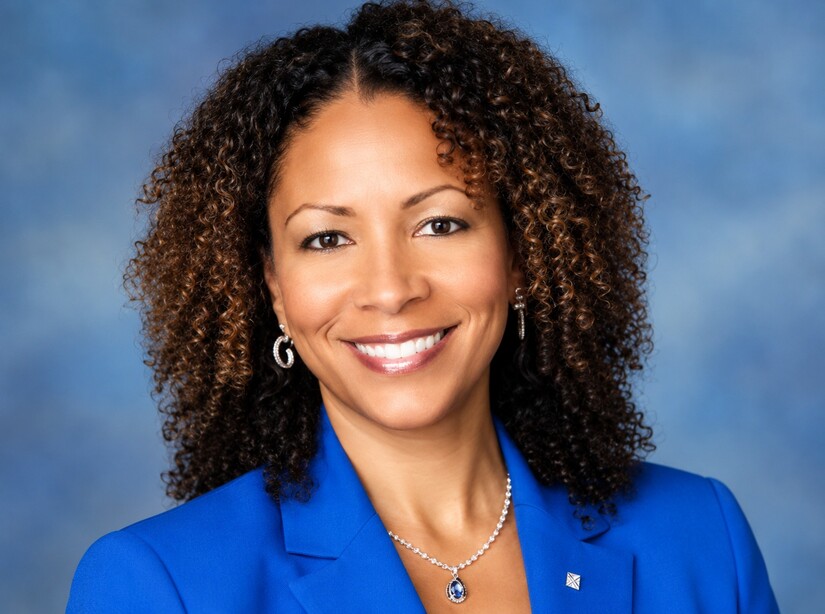
Her question for them is simple:
"Why not me?"
Famodu does not know where the next chapter of her professional life will lead.
But during two hours of conversation, she repeatedly defined success in ways that had little to do with titles.
She spoke about being able to end a day knowing that she had tried to be a good person. She spoke about service. She spoke about raising daughters who understand that setbacks do not erase effort. She spoke about institutions becoming better even if the people who did the early work are no longer around to receive credit for it.
When asked what she hoped might remain 20 years from now because she had been part of reform efforts, Famodu did not describe a building bearing her name or a future generation remembering her title.
She imagined something more practical.
She hoped future generations might encounter historical records of systemic reform and find it difficult to imagine that public safety institutions had once operated without current accountability structures. In her vision, the institution would have evolved so thoroughly that former challenges would appear distant to the people inheriting the system.
Whether that vision will be realized is not hers alone to determine.
That may be one of the clearest lessons of a career spent inside institutions: one person can make decisions, challenge practices, represent clients, prosecute cases, defend defendants, investigate misconduct, mentor colleagues, and insist that something be done differently. One person cannot control what an institution ultimately chooses to become.
Famodu understands that distinction.
It has not stopped her from trying.
At the end of our conversation, I returned to the words with which we had begun.
Nevertheless, I pray and persist.
What, I asked, should future generations understand about the life behind those words?
Famodu answered that meaningful work is rarely easy and rarely accomplished alone. For her, faith provides the partnership through which she continues when she cannot see what comes next. For someone else, that sustaining force may come through family, colleagues, or community.
The point, she said, is that work worth doing will test the person doing it.
And no one should expect to carry it entirely alone.
For Ayodele Famodu, that understanding has survived changes in profession, institutions, relationships, health, and circumstance.
The job changed.
The title changed.
The work continues.
Nevertheless, she prays and persists.

Local stories matter. Subscribe free to MinneapoliMedia and receive independent news, community reporting and important updates from Minneapolis, the North Metro and communities across Minnesota.
SUBSCRIBE FREE: https://minneapolimedia.town.news/subscribe
MinneapoliMedia | Community. Culture. Civic Life



Sunny, with a high of 67 and low of 48 degrees. Partly Cloudy in the morning, sunny for the afternoon, clear during the evening,