72° and Overcast
Image
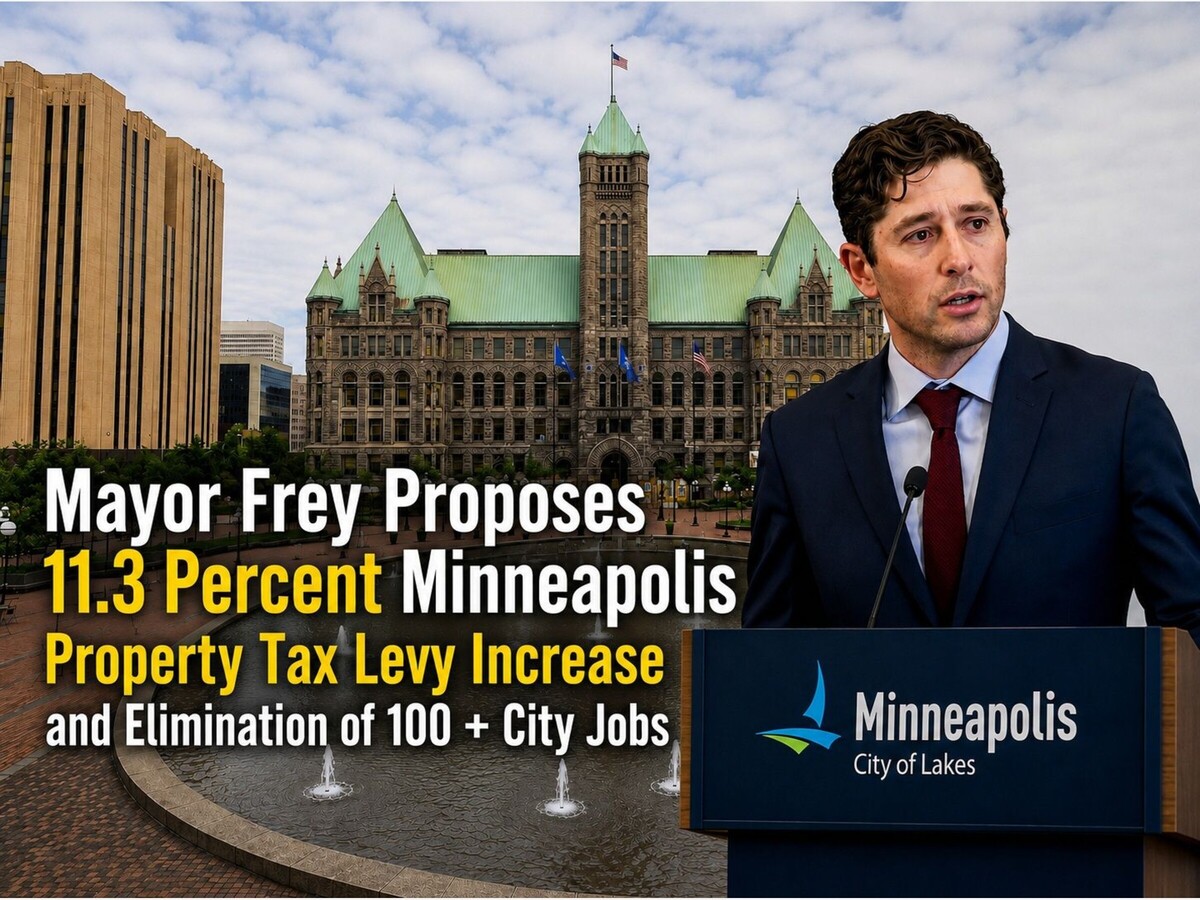



MINNEAPOLIS, MN (September 11, 2026). Minneapolis residents are entering the most consequential stage of the city's 2027 budget debate as officials consider a proposed 11.3 percent property-tax levy increase designed to help close a substantial financial gap while maintaining core city services.
Mayor Jacob Frey's recommended 2027 budget totals approximately $2.6 billion.
The proposal would increase the city's property-tax levy by 11.3 percent, a double-digit increase that has become one of the central issues in this fall's budget process.
For a median-value Minneapolis homeowner, the city's estimate presented with the mayor's budget put the impact at approximately $409 more per year, or about $34 per month.
That figure is an estimate, not a universal increase for every homeowner.
Individual property-tax bills depend on assessed property value, changes in the value of other properties, levies imposed by other taxing jurisdictions and other factors affecting how the overall tax burden is distributed.
The 11.3 percent figure is also not yet Minneapolis' final 2027 levy.
It is part of the mayor's recommended budget, which now moves through a lengthy public and legislative process before the City Council adopts a final budget and property-tax levy later this year.
That distinction matters for residents following the debate.
The mayor proposes the budget. The City Council reviews it, holds hearings, considers amendments and ultimately acts on the city's spending plan.
The Board of Estimate and Taxation also plays an important role by establishing the maximum proposed property-tax levy in September.
Once that maximum is established, the final levy can be reduced during the budget process but cannot simply be increased beyond the certified maximum without following applicable legal requirements.
The financial pressure behind the proposal extends beyond a single department.
The mayor presented the budget while Minneapolis faces a gap exceeding $60 million and the expiration of outside funding that had supported some city programs.
The proposed budget includes spending for police overtime and recruitment, firefighter hiring, affordable housing, a social worker in the city's 911 operation and work associated with Minneapolis' police-reform obligations.
At the same time, it proposes staffing and spending reductions elsewhere.
One significant reduction affects the city's violence-interruption program, which contracts with community organizations and workers to intervene in neighborhood violence outside traditional policing.
The proposed budget cuts approximately $2.6 million from that program, more than half of its previous funding.
Those competing decisions illustrate why the levy debate cannot be reduced to a single percentage.
Lowering the tax increase without replacing the revenue would require officials to find savings, use other revenue, alter spending priorities or reduce services somewhere within the budget.
Leaving the proposed levy intact would ask property owners to absorb a substantial increase at a time when housing costs, insurance, utilities and other household expenses remain significant concerns.
The city's budget calendar provides several opportunities for that debate to continue.
September begins the council's departmental review process, followed by additional public hearings and budget deliberations through the fall.
Under Minneapolis' established budget process, the City Council reviews individual departmental budgets, hears from residents, proposes amendments and eventually sends an amended spending plan toward final adoption.
Property owners will also receive Truth in Taxation information showing proposed tax impacts based on preliminary levies.
Final budget adoption comes later in the year.
Until then, the 11.3 percent levy increase should be understood for what it currently is: a major proposal carrying potentially significant consequences for Minneapolis taxpayers, but not yet the city's final 2027 property-tax decision.
The next several months will determine whether that number survives intact, is reduced, or is accompanied by changes in city spending.
For residents, the budget process is now moving from the mayor's recommendation into the stage where public testimony and City Council decisions can change the final result.

Local stories matter. Subscribe free to MinneapoliMedia and receive independent news, community reporting and important updates from Minneapolis, the North Metro and communities across Minnesota.
SUBSCRIBE FREE: https://minneapolimedia.town.news/subscribe
MinneapoliMedia | Community. Culture. Civic Life

Overcast, with a high of 68 and low of 54 degrees. Overcast in the morning, clear during the afternoon and evening, overcast overnight.