39° and Clear
Image
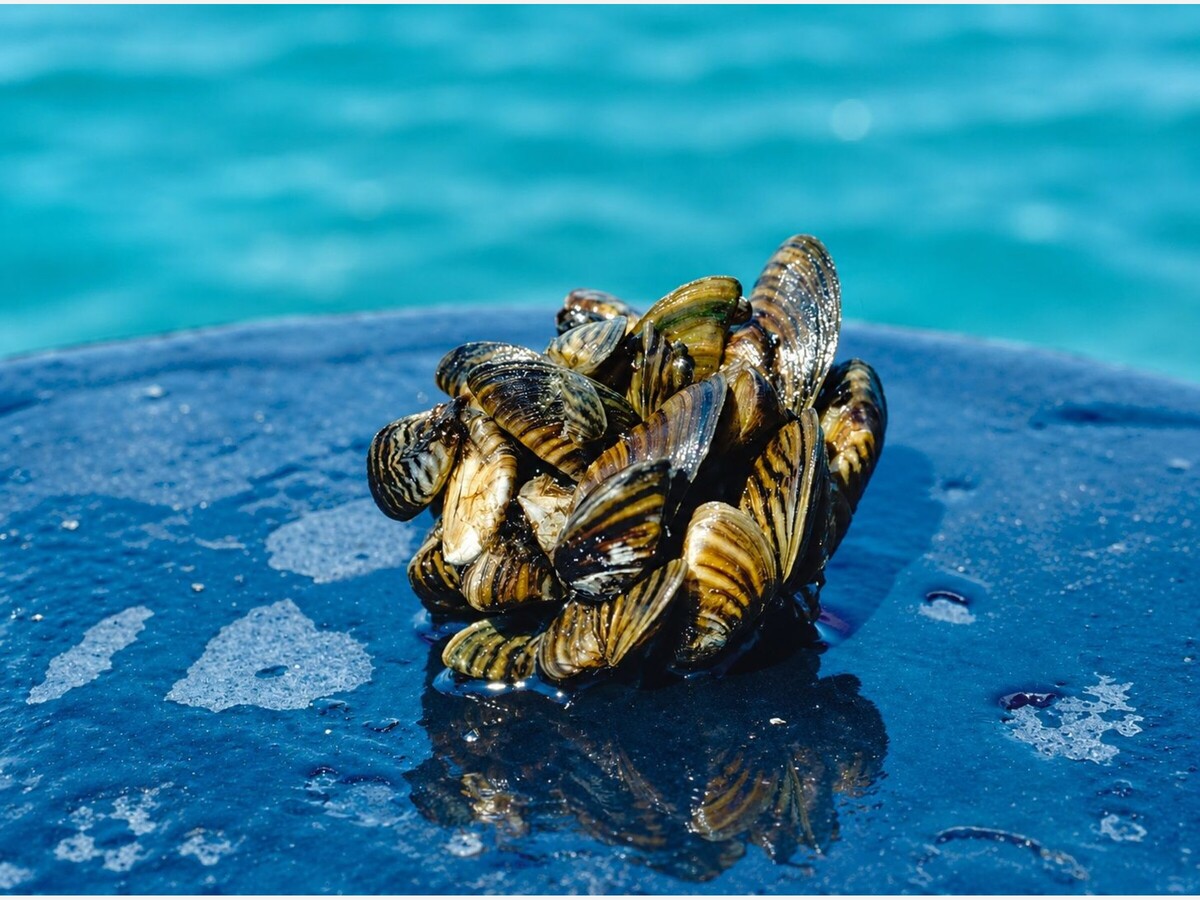



Volunteers collected environmental DNA samples from 52 Minnesota lakes during the summer using kits developed by the University’s Minnesota Aquatic Invasive Species Research Center.
Environmental DNA, commonly called eDNA, consists of genetic material that animals and plants leave in their surroundings through skin cells, waste and other biological residue. Researchers can filter lake water and test the collected material for the molecular signature of a particular species.
The approach could reveal zebra mussels before residents or lake managers find adult mussels attached to docks, boats or underwater equipment. By the time visible colonies are discovered, an infestation may already be widespread.
Each volunteer kit contains gloves, a collection bottle, filter, siphon and instructions. Samples are mailed to a University of Minnesota laboratory in Saint Paul for analysis.
Researchers expect to begin processing this summer’s samples in October and release results within two to three months. The current test can confirm whether zebra-mussel DNA is present but cannot determine the number of mussels in a lake.
Volunteers sampled waterways including Big Sandy, Como, Leech, Ossawinnamakee, Ten Mile and Vermillion lakes. The group included lakes with known zebra-mussel populations and others where the invasive species has not been documented.
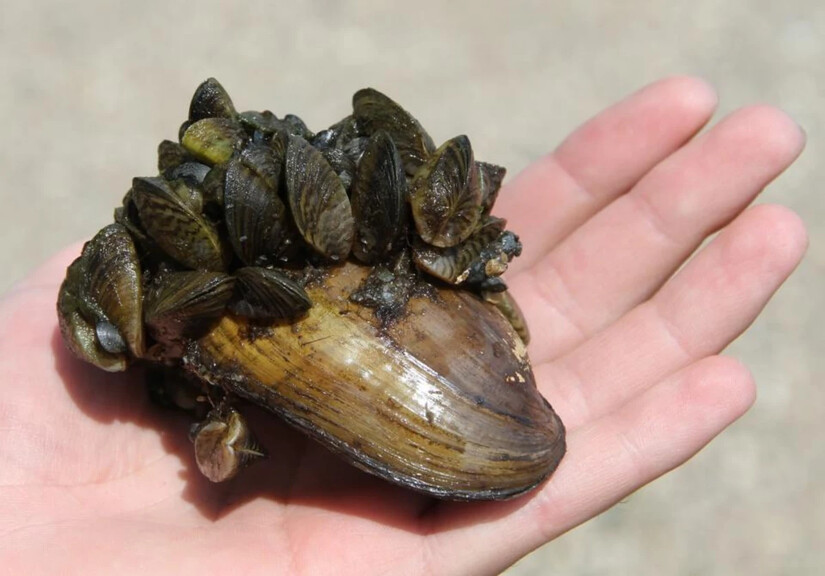
Zebra mussels have been found in approximately five percent of Minnesota lakes. They can disrupt food chains by removing plankton, promote nuisance vegetation by making water clearer, clog water-intake equipment and create sharp shells that injure swimmers.
The research center expects to offer additional kits next summer and eventually adapt the method to detect invasive carp, aquatic plants and other organisms. Testing could also be offered to lake associations and local governments for a fee.

Local stories matter. Subscribe free to MinneapoliMedia and receive independent news, community reporting and important updates from Minneapolis, the North Metro and communities across Minnesota.
SUBSCRIBE FREE: https://minneapolimedia.town.news/subscribe
MinneapoliMedia | Community. Culture. Civic Life



Sunny, with a high of 65 and low of 46 degrees. Overcast in the morning, sunny during the afternoon, clear in the evening, cloudy overnight.