44° and Overcast
Image
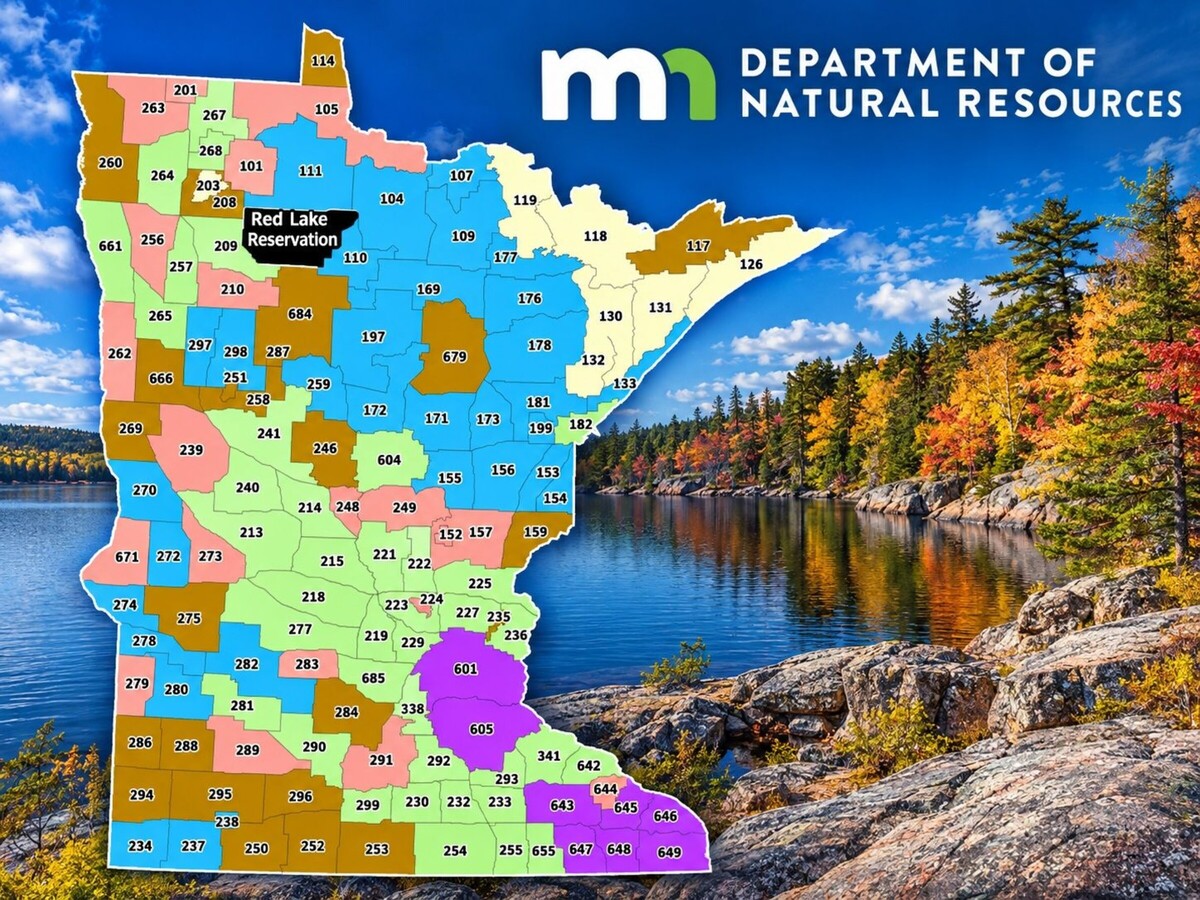



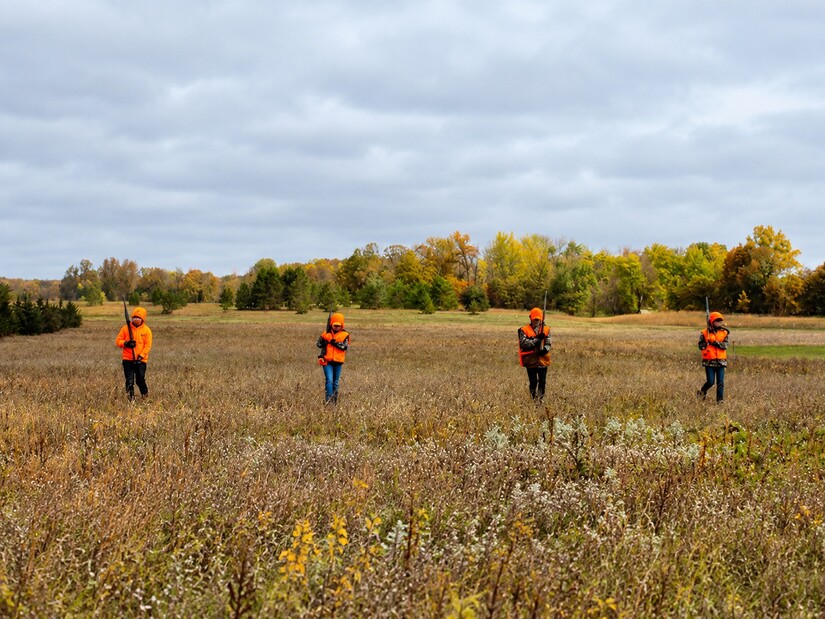
Hunters in the designated 2026 surveillance block must submit samples from deer age one year or older harvested November 7 or 8.
The requirement applies according to where the deer is harvested, not where the hunter lives. Twin Cities and North Metro residents traveling to hunt should therefore check their deer permit area before leaving home.
The DNR has divided Minnesota into four surveillance blocks. Mandatory opening-weekend sampling begins in the southwest this year, moves to the northwest in 2027, the northeast in 2028 and the southeast in 2029.
The agency says the approach is intended to provide a more complete picture of where CWD occurs. Its previous surveillance concentrated on known risk areas, while nearly two-thirds of Minnesota had not received a targeted surveillance effort in more than 20 years.
The change does not mean the DNR considers the disease widespread throughout Minnesota. It broadens where the agency systematically looks for it.
Hunters outside the mandatory block can still use voluntary testing options. Voluntary sampling also remains available for deer taken outside the November 7–8 mandatory period.
Options include staffed or self-service stations, free mail-in kits and participating taxidermists or processors in the CWD Partner Sampling Program.
Hunters using a mail-in kit should obtain it before opening weekend and request a shipping label after harvesting a deer. The DNR says requesting a current label reduces the risk of a sample being lost because an older label has expired.
The agency is also collecting additional samples in deer permit area 236, north of Stillwater, following a recent detection in a wild deer. Hunters there have access to additional self-service sampling options.
Minnesota has replaced movement restrictions for deer harvested within CWD management zones with disposal requirements.
A carcass can leave a management zone immediately if the hunter follows the applicable disposal rules. Approved methods include a sanitary landfill, an appropriate refuse-hauler arrangement, a licensed meat processor or specified taxidermist arrangements.
A carcass may also remain on the private property where the deer was harvested with the landowner’s permission.
Hunters may not dump carcasses on public land, roadsides or in water. Rules restricting the importation of whole deer and other cervid carcasses from outside Minnesota remain separate from these in-state changes.
Before hunting, residents should review the DNR’s CWD information and maps, identify their permit area and choose a sampling method. Doing that work in advance will help hunters meet the new requirements when the November season opens.

Local stories matter. Subscribe free to MinneapoliMedia and receive independent news, community reporting and important updates from Minneapolis, the North Metro and communities across Minnesota.
SUBSCRIBE FREE: https://minneapolimedia.town.news/subscribe
MinneapoliMedia | Community. Culture. Civic Life

Sunny, with a high of 54 and low of 41 degrees. Sunny in the morning, clear for the afternoon and evening,