Image



ST. PAUL, MN (October 9, 2026).
Minnesota's race for secretary of state has become a contest over more than election administration. It now places voter privacy, federal authority, public confidence and the independence of the state's election system at the center of a statewide campaign.
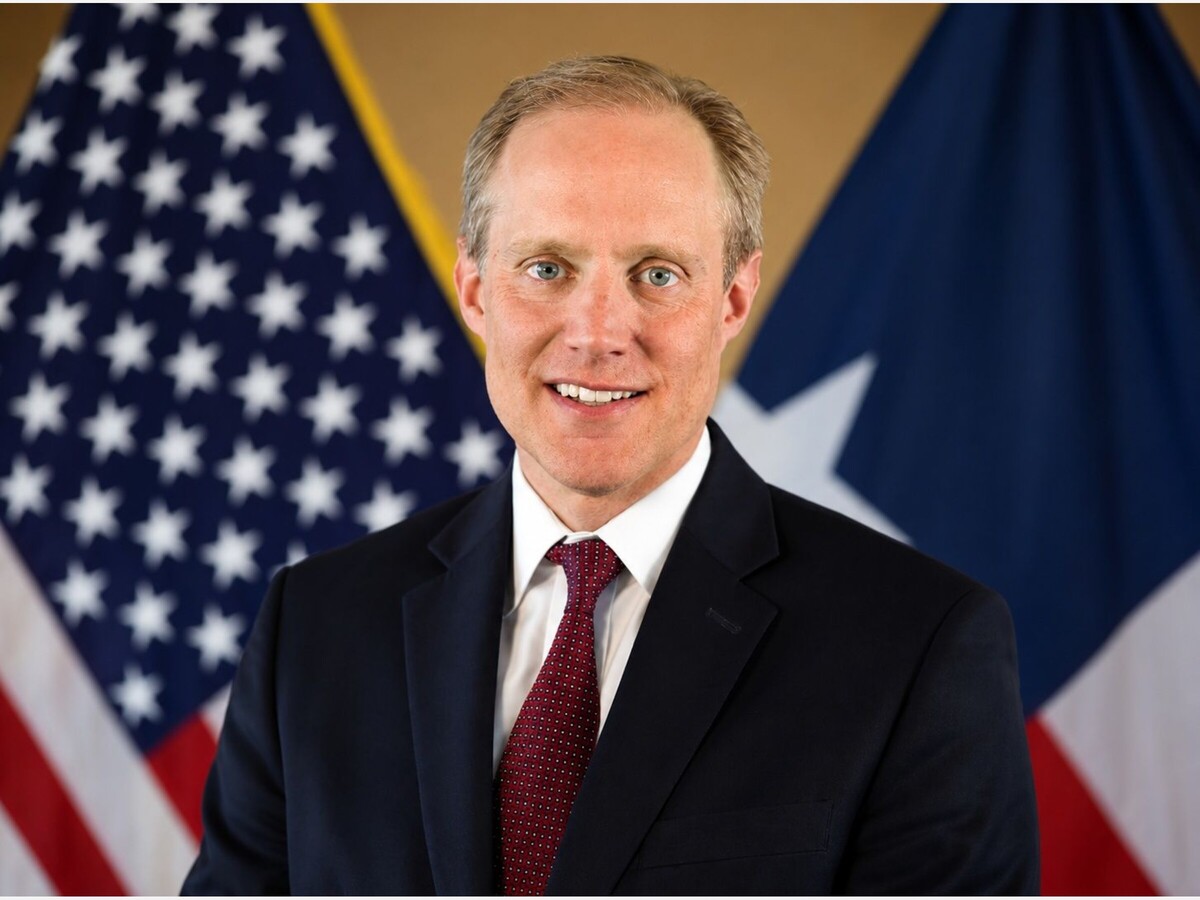
DFL Secretary of State Steve Simon, seeking a fourth term, faces Republican Tad Jude, Libertarian Chip Tangen and Green Party candidate Seth Kuhl-Stennes in the November 3 general election.
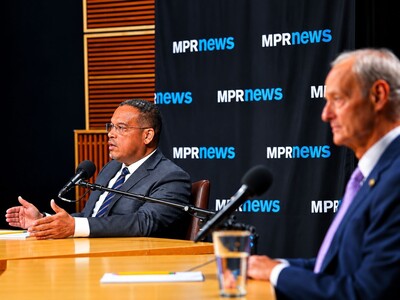
New reporting published Friday by Minnesota Public Radio examines how the Trump administration's attempts to obtain confidential voter information have changed the political significance of the office.
Simon has defended Minnesota's refusal to provide private voter-roll information sought by the federal government, while Jude has argued that the state should establish a more cooperative relationship with the U.S. Department of Justice.
Their disagreement reflects competing judgments about how Minnesota should balance election security, voter privacy and federal involvement.
The Justice Department previously sought private information from Minnesota voter rolls, arguing that the data was necessary to determine whether ineligible people remained registered.
Simon resisted the request, characterizing the effort as an unjustified attempt to obtain confidential voter information.
The federal government subsequently sued Minnesota. A federal judge dismissed that lawsuit, according to MPR's October 9 report.
The dispute has placed Simon among election officials confronting demands from Washington for information that states have historically administered under their own election systems.
Jude has taken a different approach. He told MPR that he would seek a working relationship with the Justice Department while also protecting Minnesotans' privacy. He indicated that he would challenge federal authorities if that relationship broke down.
The disagreement is not simply about whether election rolls should be accurate. Both candidates say election integrity matters. Their differences concern the legal boundaries, institutional relationships and methods used to achieve it.
Jude supports requiring voters to present photo identification at the polls, arguing that the measure would help ensure only eligible citizens vote.
Simon opposes requirements he believes could prevent eligible residents from participating, particularly when the number of improper votes is small compared with the number of lawful ballots cast.
Minnesota already requires proof of residence in specified circumstances when voters register. The candidates disagree about whether an additional photo identification requirement would strengthen public confidence or create unnecessary barriers.
The debate presents voters with a familiar but consequential question: how to prevent unlawful voting while ensuring that eligible citizens can cast ballots without unreasonable obstacles.
The secretary of state's responsibilities extend beyond administering elections. The office also maintains business filings and other public records.
Jude has proposed a business integrity unit to examine registration information for potential signs of fraud and refer concerns to investigative agencies.
Simon has responded that his office already shares relevant business-filing information with the Bureau of Criminal Apprehension and that criminal investigations belong to agencies equipped to conduct them.
The disagreement reflects differing views about how aggressively the office should screen records for possible fraud before investigators become involved.
The race also includes candidates who question the dominance of Minnesota's two major political parties.
Libertarian Chip Tangen has emphasized concerns about the appearance of partisan bias when election administration is led by an elected party-affiliated official.
Green Party candidate Seth Kuhl-Stennes is also seeking the office.
Their presence broadens the field, even as the contest between Simon and Jude attracts the greatest attention.
The next secretary of state will help oversee Minnesota's election administration, maintain public records and respond to legal challenges involving the state's voting system.
The federal voter-data dispute has given voters a particularly clear contrast between the two leading candidates.
Simon emphasizes experience, state authority and resistance to federal demands he considers unlawful. Jude emphasizes cooperation, additional election safeguards and a more proactive approach to fraud concerns.
Minnesotans will decide on November 3 which approach they believe best protects both the security of elections and the right of eligible citizens to vote.

Local stories matter. Subscribe free to MinneapoliMedia and receive independent news, community reporting and important updates from Minneapolis, the North Metro and communities across Minnesota.
SUBSCRIBE FREE: https://minneapolimedia.town.news/subscribe
MinneapoliMedia | Community. Culture. Civic Life


Sunny, with a high of 71 and low of 48 degrees. Overcast during the morning, sunny during the afternoon, clear in the evening, overcast overnight.