59° and Partly Cloudy
Image
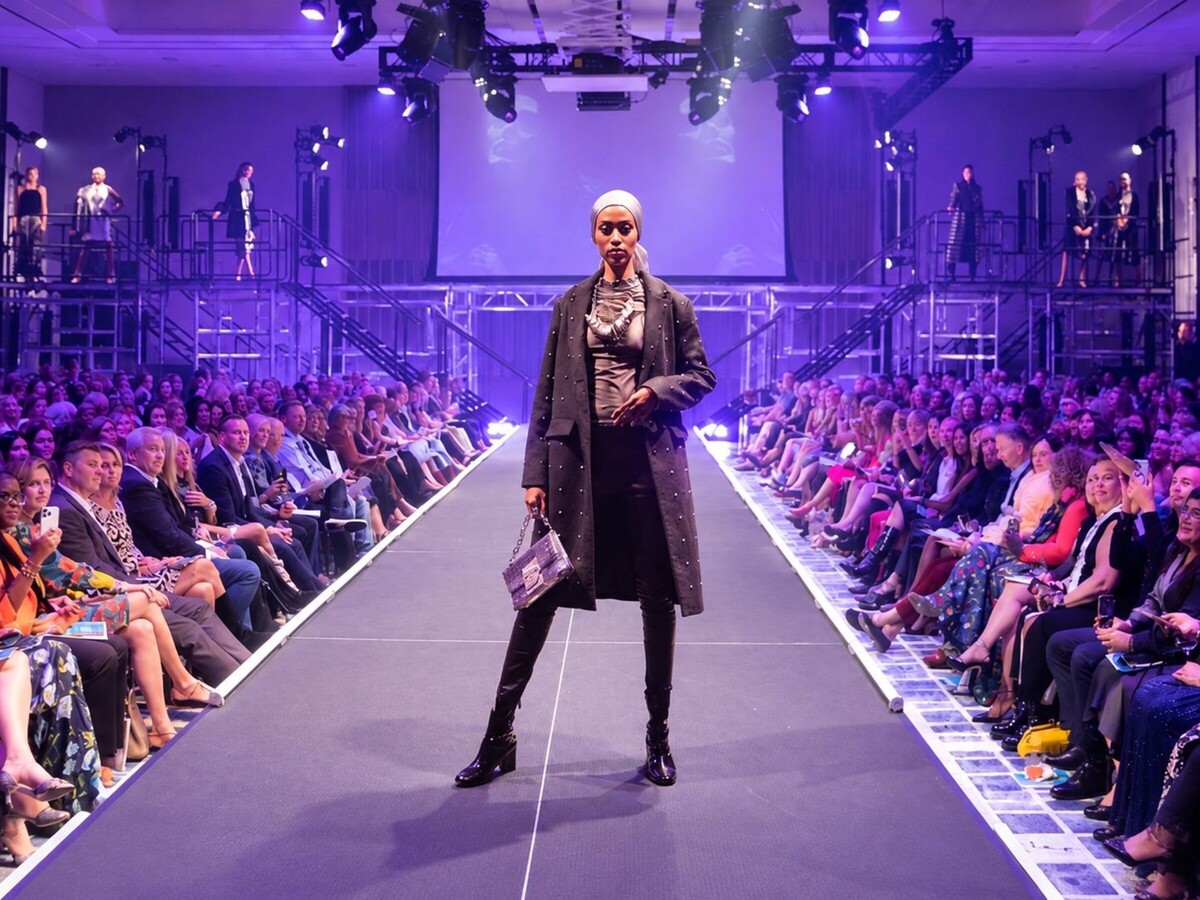



MINNEAPOLIS, MN, October 20, 2026. Thirteen years after Mpls.St.Paul Magazine introduced Fashionopolis as a new showcase for Twin Cities fashion, the annual event is preparing for a presentation that will place Minnesota designers and independent retailers inside one of the state's leading art museums. On Friday, October 23, the Minneapolis Institute of Art will host L’Étoile du Nord: A Fashionopolis Experience, an evening featuring a runway production, music, social activities, and access to an exhibition of historic Parisian haute couture.
The 2026 event will transform the museum's Jade Corridor into an intimate runway venue with seating limited to 300 guests. Grant Whittaker, a longtime producer and stylist associated with Fashionopolis, will co-direct the presentation with Mpls.St.Paul Magazine editor-in-chief Jayne Haugen Olson. The 45-minute show will feature established and emerging local designers, vintage clothing, and seasonal fashions selected from independent retailers.
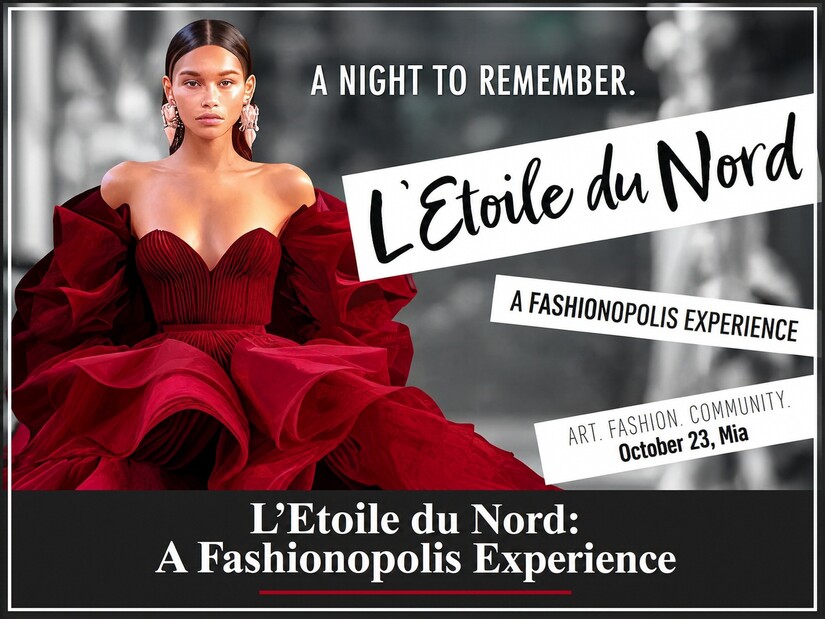
A second program, the Twilight Soiree, will bring guests together for music, cocktails, light refreshments, and an evening gathering at the museum. Both admission experiences include access to Paris Couture, an exhibition featuring more than 80 garments from the Palais Galliera, the Paris Fashion Museum. The exhibition opened October 4 and continues through January 17, 2027.
The museum presentation is the latest development in an event that began at Aria in Minneapolis' North Loop in 2013. Fashionopolis was created during a period when the city's traditional department-store fashion shows had disappeared, leaving fewer opportunities for large-scale runway productions connected to local retail. Mpls.St.Paul Magazine responded by organizing an event that brought together clothing from independent businesses and designers under a single professional production.
Over the following years, Fashionopolis developed a recognizable place in the Twin Cities fall fashion calendar. Its organizers introduced different themes, worked with local modeling agencies, expanded the guest experience, and moved into venues including the Four Seasons Hotel Minneapolis. During the COVID-19 pandemic, the event continued in a smaller outdoor format intended to support local fashion businesses at a particularly difficult time.
The 2026 production reflects that history while introducing a different setting. For one evening, a runway assembled from contemporary Minnesota fashion sources will operate within a museum presenting garments that document more than a century of international couture.
Minneapolis Fashion Before Fashionopolis
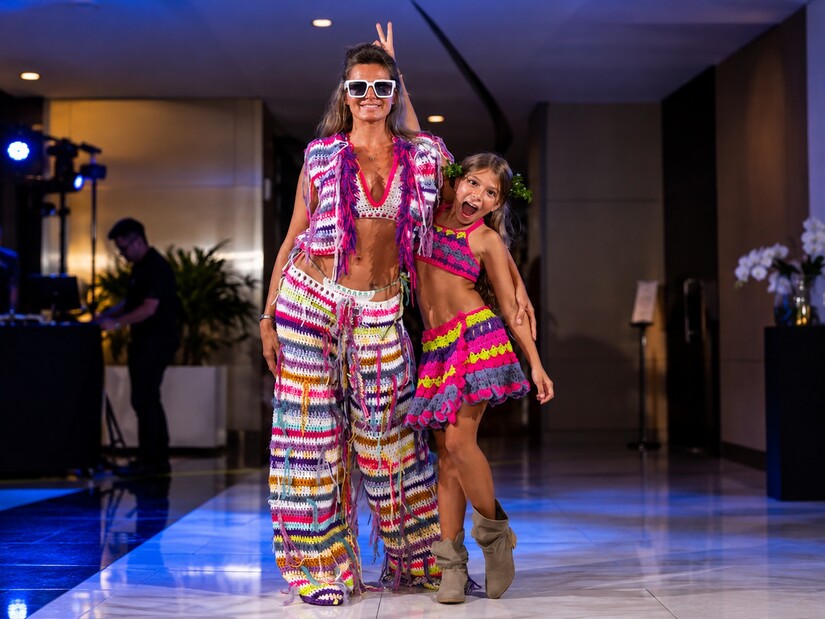
The history of Fashionopolis begins with an earlier generation of Minneapolis fashion events associated with the city's major department stores. Dayton's, Marshall Field's, and later Macy's supported elaborate runway productions that became part of downtown Minneapolis' entertainment calendar. The events carried names including A Cause for Applause, Fash Bash, and Glamorama, bringing together fashion, music, professional models, and large social gatherings.
These productions benefited from the financial resources of major retailers and their relationships with national clothing brands. Shows at the State Theatre were accompanied by parties at downtown department-store facilities, including the eighth-floor auditorium and nearby rooftop spaces. The events gave audiences an opportunity to see clothing presented in an entertainment setting rather than through conventional retail displays, while serving the commercial interests of the department stores by connecting fashion presentations with the businesses supplying the merchandise.
As department-store ownership and retail operations changed, Minneapolis lost much of the organizational infrastructure that had supported those productions. Mpls.St.Paul Magazine identified that disappearance as an important reason for establishing Fashionopolis.
In September 2024, the magazine published Making Fashionopolis, an account by trend and style editor Madeline Nachbar describing the origins and production of the annual event. Nachbar connected Fashionopolis directly to the earlier department-store shows and explained that the magazine wanted to recreate part of that experience while concentrating on local designers and retailers.
The original concept was not to establish another national-brand fashion spectacle. The magazine sought to organize a professionally produced runway event featuring clothing available through businesses operating in the Twin Cities. That distinction shaped Fashionopolis from its beginning. Large department stores had previously been able to support elaborate productions through their own merchandising operations and national commercial relationships. The magazine instead assembled clothing from multiple independent sources, using its editorial staff, outside creative professionals, event organizers, and sponsors to produce the show.
The result was a shared presentation in which local businesses could participate without individually assuming the expense of staging a major runway event.
The First Fashionopolis at Aria
Fashionopolis made its debut in 2013 at Aria, a former theater and event venue in Minneapolis' North Loop. The setting provided the space and atmosphere needed for a professional fashion presentation, including runway staging, audience seating, lighting, and activities surrounding the show.
An archived ticket announcement dated July 2, 2013, provides a useful record of the inaugural event's admission structure. Tickets ranged from $20 for standing-room admission to $100 for VIP front-row seating. Other categories included second-row, third-row, and general admission tickets. The range of ticket options demonstrates that Fashionopolis was organized from the beginning as a formal, ticketed public production rather than a private industry presentation.
The magazine's involvement also connected the event with its established fashion coverage. Editors regularly selected clothing and accessories from local retailers for publication, and Fashionopolis provided an opportunity to present similar merchandise before a live audience.
The connection was especially clear during the event's early years. A September 2014 announcement described Fashionopolis as a runway presentation linked to the magazine's September fashion issue. The event was scheduled at Aria, with a reception followed by the fashion show. Allison Kaplan, then the magazine's senior shopping and style editor, was identified as host, while Grant Whittaker was named as runway producer. The magazine reported that the 2014 event sold out.
The early productions established several practices that would continue through subsequent editions. Clothing came from different local retailers and designers. Editors and stylists assembled the selections into a coordinated presentation. Professional models displayed the garments, and attendees could identify the businesses supplying the looks.
The magazine also used its publishing platform to document the runway after the event, extending the presentation beyond the people who attended in person. This relationship between editorial coverage and live fashion production became an important part of the Fashionopolis format. A magazine photograph could introduce readers to a particular garment, retailer, or designer. The runway allowed attendees to see the clothing in motion, examine how garments were styled, and encounter selections from multiple businesses during one event.
The Publishing Organization Behind Fashionopolis
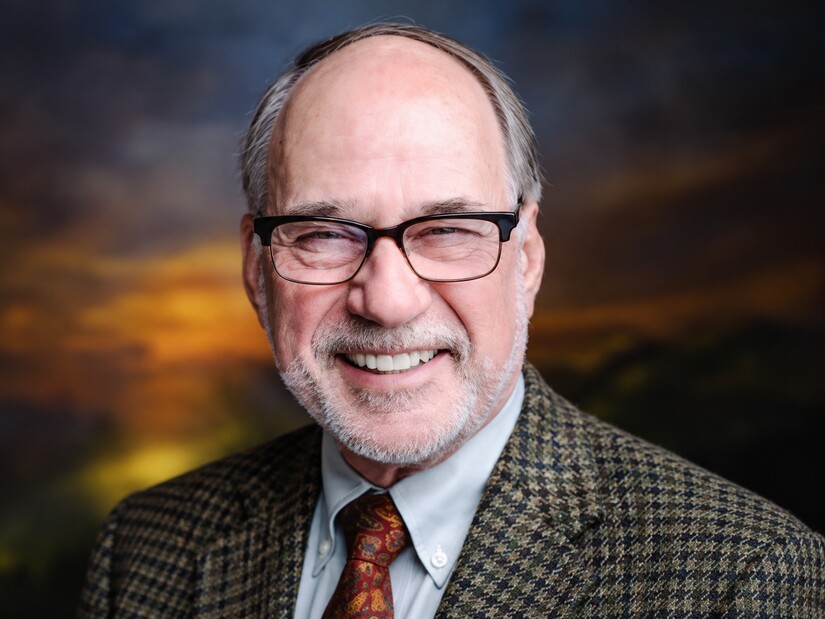
Fashionopolis was created and is organized by Mpls.St.Paul Magazine, a regional publication operating within MSP Communications. The magazine has a long history of covering Twin Cities culture, restaurants, shopping, entertainment, fashion, and local personalities. Its annual events extend that coverage into public programs developed for readers, advertisers, and participating businesses.
Historical business reporting has associated MSP Communications with the investment interests of Minnesota businessman and attorney Vance Opperman. A 2013 Star Tribune account identified the publishing business among holdings connected to Key Investment, the private investment company led by Opperman. That background helps identify the corporate organization behind the magazine, but it should not be confused with the founding of Fashionopolis itself.
The event's published history identifies Mpls.St.Paul Magazine as its creator. The available documentation does not establish that Opperman personally developed the runway concept or served as its founding producer. The people most directly associated with Fashionopolis' creative development include the magazine's editorial staff and outside fashion professionals.
Jayne Haugen Olson became editor-in-chief of Mpls.St.Paul Magazine in 2010, preceding the creation of Fashionopolis by three years. Her leadership has spanned the event's history from its early presentations at Aria through the planned museum production in 2026. Olson has worked closely with Grant Whittaker, whose role in the production dates to the event's early years. Whittaker's responsibilities have included runway styling and production, work that requires coordinating garments, accessories, models, music, presentation order, and the visual direction of the show.
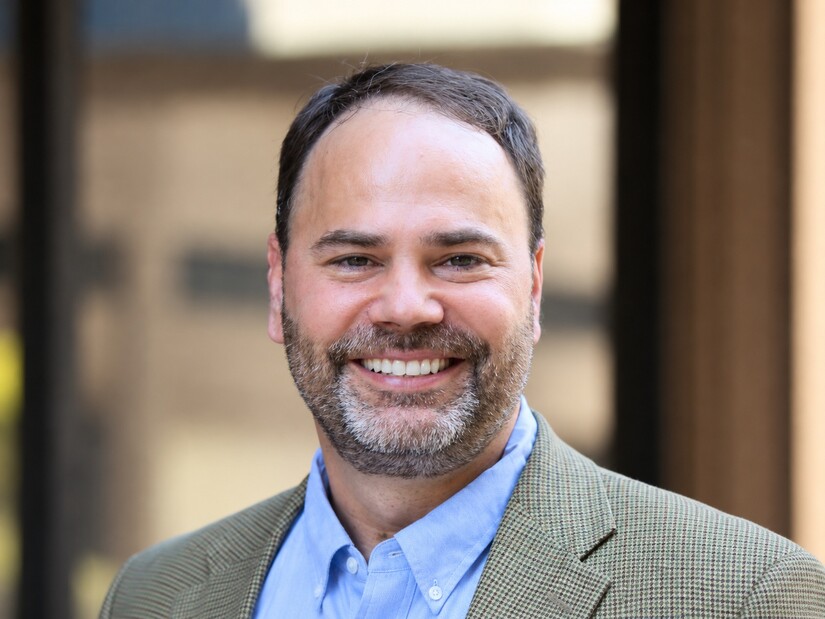
Madeline Nachbar has also played a central editorial role. Her 2024 account identified Olson, Whittaker, herself, events director Holly Dyson, and marketing manager Media Tafreshi as members of the team involved in producing Fashionopolis. The article described a collaborative process in which the magazine's editorial direction guides the selection of clothing and the presentation concept, while the events team manages the arrangements necessary to bring the production before an audience.
This division of responsibilities is significant because Fashionopolis requires expertise from several different fields. Fashion editors understand the retailers, designers, and merchandise available in the region. Stylists must combine garments into complete runway looks. Producers coordinate the movement of models and the timing of the presentation. Event personnel manage the venue, audience arrangements, sponsors, and guest activities.
The magazine's commercial leadership provides the broader organizational setting in which those activities take place. The public record supports identifying Fashionopolis as an institutional production developed through these professional relationships. It does not support assigning sole founding credit to one individual without additional evidence.
How the Runway Supports Independent Retailers
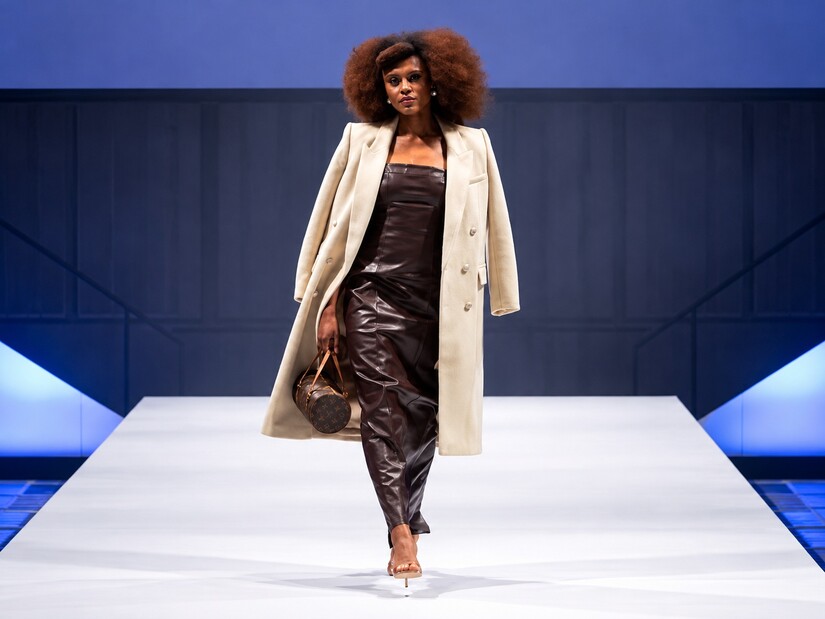
One of Fashionopolis' defining features is the arrangement under which local retailers, artisans, and designers participate. According to Mpls.St.Paul Magazine, businesses supplying clothing for the runway are not required to pay a participation fee. The organizer states that ticket revenue and sponsorships help cover the costs associated with local artists, talent, vendors, and event production.
This arrangement allows multiple businesses to participate in a professionally organized presentation without purchasing runway placement. The financial demands of producing an independent fashion show can be substantial. A business must secure an appropriate venue, hire models, coordinate clothing and accessories, manage lighting and sound, and promote the event to potential attendees. For smaller retailers and emerging designers, those responsibilities may exceed the resources available for a single promotional activity.
Fashionopolis brings many of those requirements into one shared production. The magazine's editors and stylists select clothing from participating businesses and assemble runway looks that may combine garments and accessories from several retailers.
Nachbar described this process in her 2024 article, explaining that the production team works with merchandise available in stores during the preparation period. The timing matters because independent retailers may have limited quantities of particular garments. Items selected during planning can sell before the runway presentation, while new inventory may arrive as the event approaches. The styling team must accommodate those changes while preparing a complete sequence of outfits.
Whittaker's work includes combining available pieces into looks suitable for the runway. A garment from one retailer may be paired with accessories or other clothing from different businesses. That approach gives the presentation a wider range of merchandise than a show organized around one store or designer. It also reflects the way consumers often shop, selecting clothing from multiple sources rather than relying exclusively on one label.
Following previous Fashionopolis events, the magazine has published runway photographs and product information identifying participating retailers. This additional coverage allows readers who did not attend the show to review the clothing and locate the businesses that supplied it.
The published material does not establish how much revenue individual retailers generate from participating in Fashionopolis. Those results would require sales records or direct accounts from the businesses involved. The documented benefit is the opportunity to present merchandise within a coordinated production supported by a regional publication. That arrangement has remained part of the event's identity since 2013.
Fashionopolis During the Pandemic
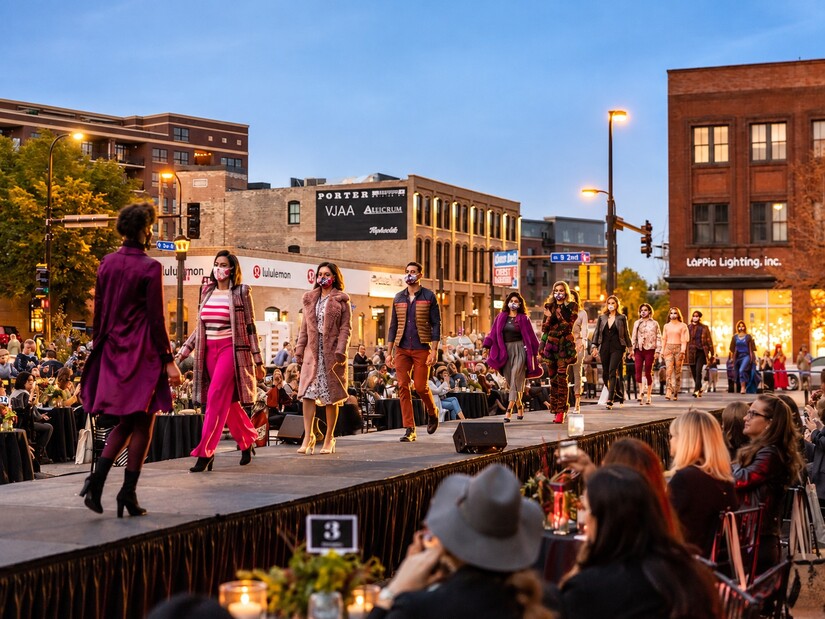
The year 2020 provides a particularly revealing example of how Fashionopolis adapted to changing circumstances. As COVID-19 disrupted public gatherings and placed additional pressure on local businesses, the magazine organized a smaller outdoor version of its annual runway show. The event took place in the North Loop and was designed around the health and safety restrictions then affecting public activities.
In an October 12, 2020, article titled Fashionopolis 2020 Highlights, Nachbar described the production as an intimate, outdoor event focused on supporting local retailers and designers. The presentation featured 16 local models hired through four Twin Cities modeling agencies. According to the magazine, half of the participating models identified as Black, Indigenous, or people of color.
The event continued the established practice of showcasing clothing from local fashion businesses, but its smaller format differed considerably from the indoor productions of previous years. The decision to proceed reflected the economic conditions facing the local retail industry at the time. Independent stores were dealing with interruptions to normal business operations, changing consumer behavior, and uncertainty about public gatherings.
The magazine's published account emphasized the need to support the region's creative industries during that period. The 2020 production did not reproduce the scale or atmosphere of earlier Fashionopolis events, but it demonstrated that the organizers could adjust the presentation while maintaining its central focus on local businesses and fashion professionals. The outdoor show also provides a documented point in the event's history that distinguishes it from a simple sequence of annual venue changes.
The Expansion Into Larger Guest Experiences
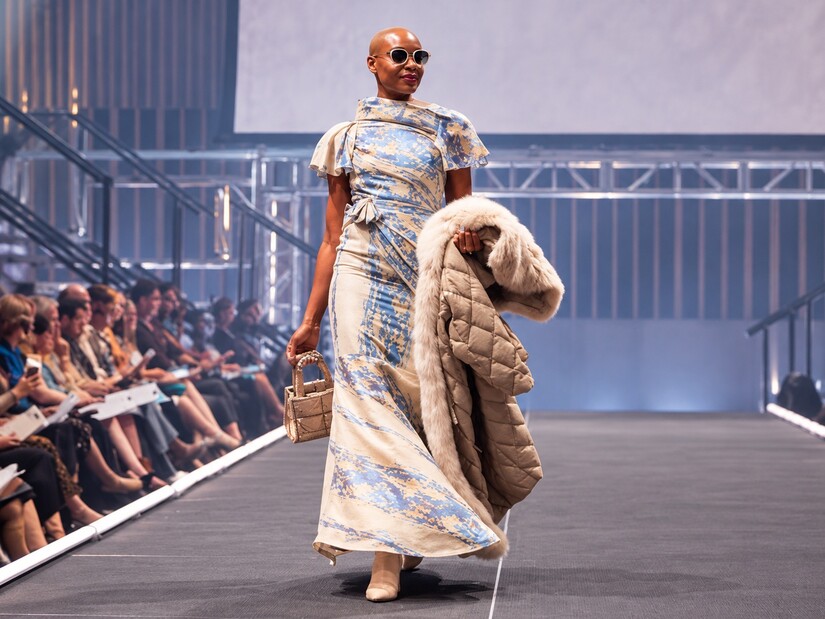
As Fashionopolis developed, the magazine introduced additional activities around the runway presentation. The Four Seasons Hotel Minneapolis became an important venue during this period. Nachbar's 2024 retrospective described the move to the hotel as an opportunity to expand the guest experience through activities developed with sponsors and commercial partners.
The hotel provided facilities for receptions and other programming before and after the fashion show. These additions extended the time guests spent at Fashionopolis and created more opportunities for interaction among attendees, participating businesses, and sponsors. The runway remained the principal fashion presentation, but the surrounding activities became a larger part of the evening.
The magazine also developed annual themes that influenced styling, music, and the appearance of the production. In 2023, Fashionopolis used Twin Cities telephone area codes as the basis for its runway concept. The presentation connected clothing selections with regional identity, using the area's familiar numerical designations as an organizing idea.
The following year, the magazine introduced Fashion in the Fast Lane, a production inspired by automobile culture. The 2024 event examined the relationship between cars, clothing, music, and popular entertainment. According to the magazine's October 2, 2024, retrospective, the editorial team collaborated with more than 30 local stores and fashion designers to dress 22 models in over 90 looks.
The production involved several local modeling agencies, including Caryn Model and Talent Management, Wehmann Models and Talent, Arquette Agency, Moore Creative Talent, and Titan Model Management. Caitlin Abrams photographed the event, while Whittaker was credited as producer and runway stylist.
The figures provide a detailed picture of the production's scale. Preparing more than 90 looks requires substantial coordination among retailers, stylists, models, and backstage personnel. Garments must be fitted, accessories selected, and appearance sequences organized so models can complete their runway assignments. The involvement of multiple modeling agencies also reflects the event's professional production structure.
The magazine's subsequent publication of runway photographs and clothing credits provided a record of the participating businesses and their merchandise. In 2025, Fashionopolis returned with The Black and White Experience, another themed presentation featuring local fashion. By the time organizers began preparing the 2026 edition, the event had developed a format combining a runway show with an evening of social and commercial activities.
A New Setting at the Minneapolis Institute of Art
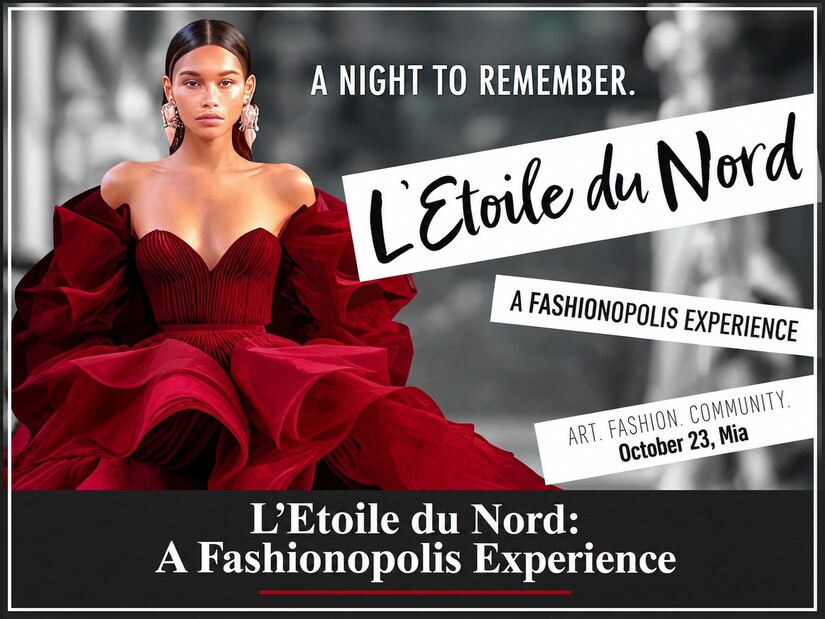
The 2026 edition will take place at the Minneapolis Institute of Art, located at 2400 Third Avenue South. The event is titled L’Étoile du Nord: A Fashionopolis Experience, a reference to Minnesota's North Star identity. Organizers describe the program as an expansion of Fashionopolis' relationship with the local arts and creative community.
The evening will feature two admission experiences, each organized around different activities. The Grand Salon includes the runway presentation and admission to the later Twilight Soiree. The official Humanitix ticketing page lists Grand Salon ticket-holder arrival at 5:45 p.m., with the Grand Salon experience beginning at 6 p.m. The runway presentation is scheduled for 7 p.m.
The show will take place in the museum's Jade Corridor. Seating will be limited to 300 guests, arranged no more than two rows deep. The intimate layout will give attendees a close view of the clothing as models move through the presentation space. Whittaker and Olson will co-direct the 45-minute production.
Organizers say the runway will feature established and emerging local designers, vintage clothing, and fall selections from independent retailers. The format continues Fashionopolis' established practice of combining clothing from multiple sources. The official event materials do not yet provide a complete final roster of participating designers and retailers.
The Twilight Soiree begins at 8:30 p.m. Guests attending that portion of the evening will have access to music, cocktails, light refreshments, and a museum gathering centered on fashion and the local creative community. Grand Salon admission includes the Twilight Soiree, while separate admission is available for guests attending the later program. Both categories include access to Paris Couture. The event is restricted to guests ages 21 and older and is scheduled to conclude at 11 p.m. Skin Rejuvenation Clinic is identified as the presenting sponsor. Organizers are encouraging guests to wear expressive clothing appropriate to the event's fashion-centered setting.
Paris Couture Brings Historic Garments to Minneapolis
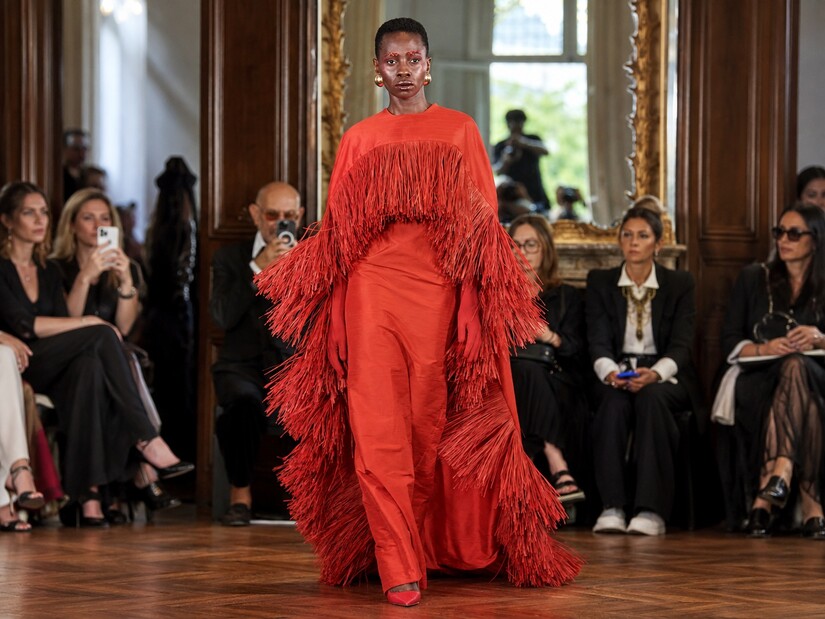
The international exhibition accompanying Fashionopolis is one of the principal attractions of the 2026 museum event. Paris Couture opened at Mia on October 4 and will remain on display through January 17, 2027. The exhibition presents more than 80 garments from the Palais Galliera, the Paris Fashion Museum, covering the late nineteenth century through contemporary couture. It was conceived by the Palais Galliera and Paris Musées in collaboration with the Minneapolis Institute of Art and the Saint Louis Art Museum.
The collection includes work associated with some of the most influential designers in the history of haute couture. Christian Dior, Cristóbal Balenciaga, Elsa Schiaparelli, Madeleine Vionnet, and other major figures are represented. The exhibition examines how couture developed through changes in design, materials, garment construction, and the specialized skills of fashion workshops.
Among the featured works is a 1938 evening cape by Elsa Schiaparelli, made in the designer's distinctive shocking pink. The garment features elaborate embroidery and demonstrates the relationship between couture design and specialized decorative craftsmanship. Another important work is Christian Dior's Palmyre dress from 1952, commissioned and worn by Wallis Simpson. Its decoration includes sequins, pearls, and crystals, illustrating the detailed surface work associated with high-fashion dressmaking during the period.
The exhibition also includes garments by Balenciaga, whose experiments with silhouette and construction influenced twentieth-century fashion. A 1967 ensemble made with gazar demonstrates his interest in sculptural forms and the possibilities of fabric structure. The collection extends into the present with contemporary couture, including a Chanel look from Spring 2026.
These garments allow visitors to examine changes in fashion design over an extended period while observing the craftsmanship involved in producing clothing intended for specialized clients and occasions. The museum's presentation also includes historical material connecting fashion to the circumstances in which garments were made.
A recent Mpls.St.Paul Magazine article about the exhibition included comments from Max Bryant, Mia's James Ford Bell associate curator of European decorative arts and sculpture. Bryant emphasized the importance of viewing couture garments in person, particularly to understand their embroidery, seams, and construction.
The exhibition includes clothing from periods of significant political and economic change, including garments produced during the German occupation of Paris in World War II. One example is a Lanvin dress titled Marché Noir, referring to the black market that developed under wartime restrictions. The garment provides an example of how fashion can preserve evidence of the social conditions surrounding its creation.
Other works document the development of Parisian couture during the postwar period and the changes that followed the expansion of ready-to-wear fashion. The exhibition's chronological scope allows visitors to see how couture houses responded to changing markets while continuing to emphasize specialized design and craftsmanship. Following its Minneapolis presentation, Paris Couture is scheduled to travel to the Saint Louis Art Museum, where it will be displayed from March 6 through June 13, 2027.
What the Museum Partnership Adds
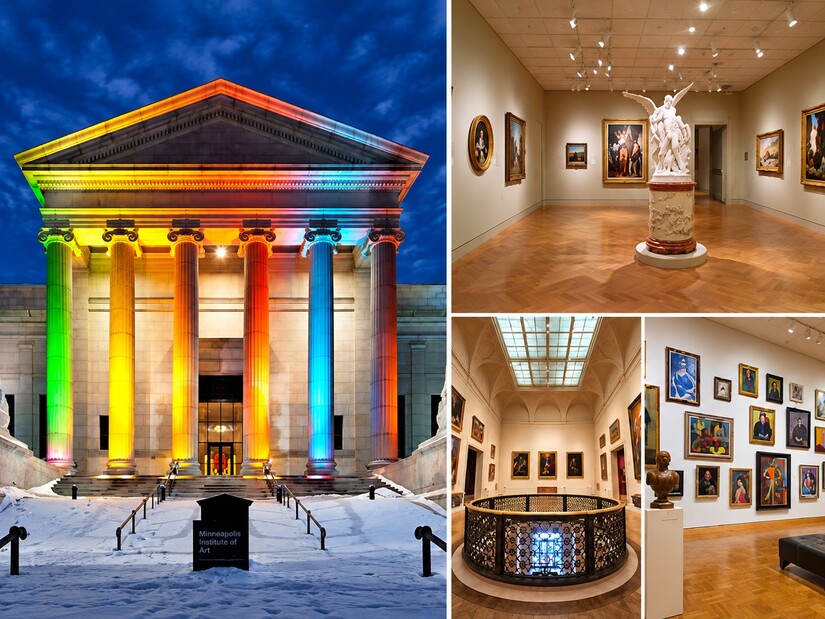
The Minneapolis Institute of Art provides a different setting from the hotels and event venues previously associated with Fashionopolis. Mia is an established museum with collections spanning thousands of years of artistic production. Its galleries are organized around the preservation, exhibition, and interpretation of objects from different cultures and historical periods.
Fashionopolis will use part of that setting for a contemporary runway production while the museum presents Paris Couture in its Target Galleries. The two programs remain separate. The runway is organized by Mpls.St.Paul Magazine and features clothing from local fashion sources. Paris Couture is a museum exhibition developed through an international institutional collaboration.
The garments presented on the Fashionopolis runway are not being identified as part of the museum's historical couture collection. Guests will nevertheless be able to experience both programs during the same evening.
The arrangement offers a useful comparison between contemporary regional fashion and garments preserved for their historical and artistic significance. The runway will present clothing connected to current designers, retailers, and consumer interests. The exhibition will provide examples of couture made under different commercial and social conditions, including garments produced for individual clients by specialized fashion houses.
The museum's admission structure also makes the exhibition a significant component of the Fashionopolis ticket. Mia lists general admission to Paris Couture at $20. Contributor-level members and above receive free admission, while additional tickets for eligible contributor members are listed at $16. Visitors ages 17 and younger are admitted free.
Fashionopolis admission includes exhibition access during the event. For guests attending primarily for the runway, the arrangement provides an opportunity to visit a major museum exhibition. Visitors attracted by historic couture can also encounter the contemporary local fashion community through the evening's other activities.
The museum partnership is consistent with the organizer's stated intention to broaden the event's focus beyond a conventional runway presentation. There has been no confirmed announcement that Fashionopolis will permanently adopt a museum format in future years. The October 23 production should therefore be understood as a new edition within the event's continuing development.
The Local Fashion Community Behind the Production
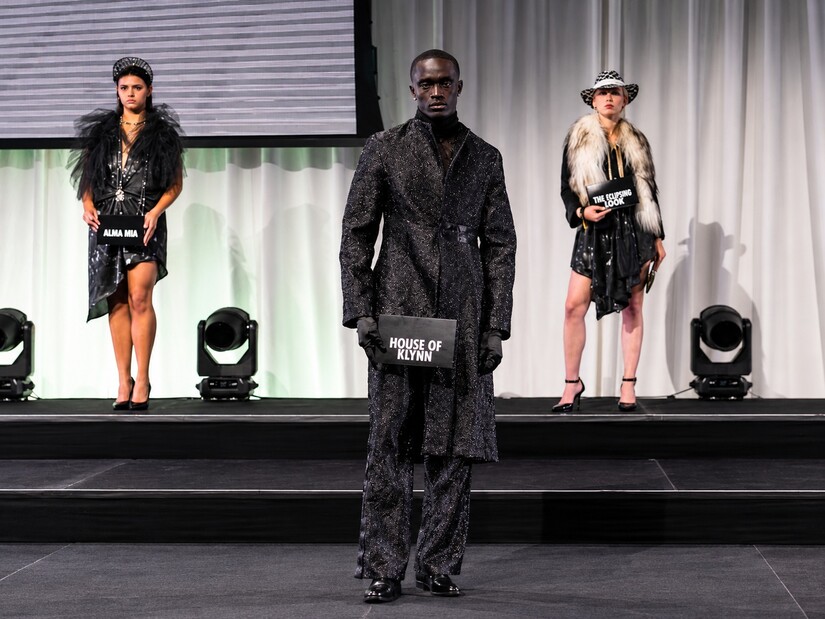
Fashionopolis has remained connected to independent retailers, designers, models, stylists, photographers, and other creative professionals working in the Twin Cities. The magazine's production model brings many of those participants together through one event. Retailers provide clothing and accessories. Editors and stylists develop the runway selections. Models present the garments. Photographers document the show, while event personnel and technical specialists manage the production.
The involvement of local modeling agencies in previous editions demonstrates the professional relationships required to stage a runway of this scale. The magazine's published records also show that participating businesses have included a mixture of established retailers and smaller fashion operations.
The event's value to those businesses depends on several factors, including audience interest, editorial exposure, and the ability to connect with potential customers. The organizer's policy of not charging designers and retailers for runway participation reduces one financial barrier. The production still requires time and resources from the participating businesses, and the available public record does not establish the full cost of their involvement. Nor does it provide sufficient information to calculate the economic return received by individual retailers.
A documented assessment of those outcomes would require interviews with participating businesses and access to relevant financial information. What the existing record demonstrates is that Fashionopolis has maintained a professional platform for regional fashion participation over more than a decade.
The 2020 outdoor production, the larger 2024 runway, and the planned 2026 museum event provide examples of how that platform has operated under different circumstances. The production has also created recurring opportunities for creative professionals to work together. Models, stylists, producers, photographers, and event personnel contribute specialized skills that are necessary to present clothing before a public audience. Those professional relationships form part of the infrastructure supporting Minnesota's fashion community.
Thirteen Years of Fashionopolis
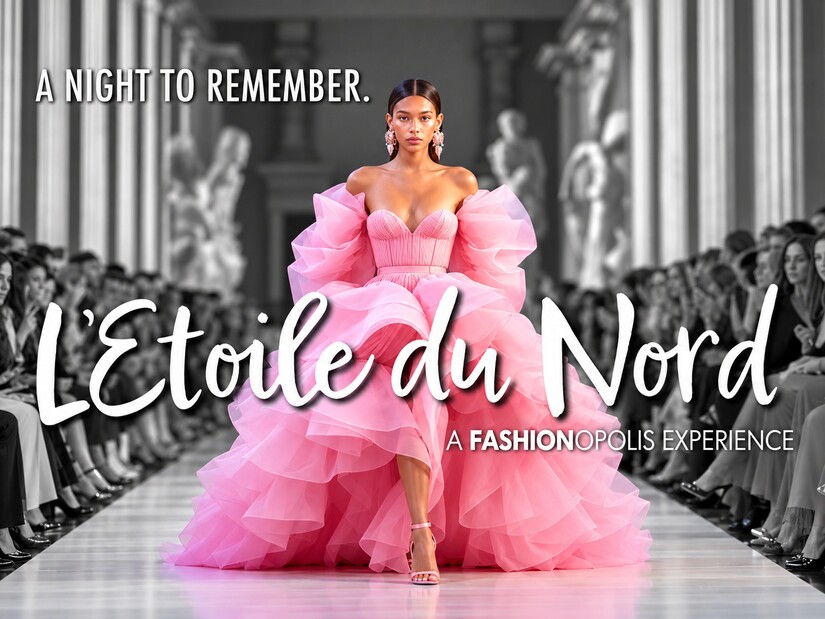
The history of Fashionopolis documents the development of a regional fashion event through changing retail conditions, venues, and production formats. Its first edition at Aria in 2013 established a new annual presentation organized by Mpls.St.Paul Magazine. The event drew inspiration from the department-store fashion productions that had previously occupied an important place in Minneapolis entertainment.
Its organizers adapted that tradition to a different business environment, emphasizing clothing supplied by local designers and independent retailers. Early productions connected the magazine's fashion coverage with live runway presentations. Later editions introduced more elaborate themes and expanded the surrounding guest experience.
During the pandemic, the magazine continued the event in a smaller outdoor format, featuring local models and businesses at a time when normal retail operations and public gatherings were disrupted. The 2024 production demonstrated the scale the event could achieve, with more than 30 stores and designers supplying clothing for over 90 runway looks.
The 2026 edition brings the runway into the Minneapolis Institute of Art and includes access to an exhibition of historic Parisian couture. The event's documented history is substantial enough to support its place within the Twin Cities fashion calendar without relying on exaggerated claims about its economic influence or cultural standing.
It has provided a recurring public presentation for local fashion businesses, supported by a regional magazine and the creative professionals responsible for producing the runway. Its format has developed over time, but the organizer continues to identify local retail and design as the central purpose of Fashionopolis.
That history will be represented on October 23 when the Grand Salon begins inside Mia's Jade Corridor. The runway will feature contemporary fashion from Minnesota sources, while visitors elsewhere in the museum can examine garments preserved from the history of Parisian couture.
For Fashionopolis, the evening brings a familiar local production into a new setting. It also marks another year in an event that Mpls.St.Paul Magazine established in 2013 to give the Twin Cities fashion community a shared runway.
Event Details and Admission
L’Étoile du Nord: A Fashionopolis Experience takes place Friday, October 23, 2026, at the Minneapolis Institute of Art, 2400 Third Avenue South, Minneapolis. The event runs from 6 p.m. to 11 p.m. and is restricted to guests ages 21 and older.
Grand Salon ticket holders are scheduled to arrive beginning at 5:45 p.m. The Grand Salon experience begins at 6 p.m., and the runway presentation is scheduled for 7 p.m. Seating is limited to 300 guests.
The Twilight Soiree begins at 8:30 p.m. and includes music, cocktails, light refreshments, and a museum gathering. Both admission experiences include access to Paris Couture, which remains on display through January 17, 2027.
Tickets and additional event information are available through the official organizer and ticketing pages: Official event website: https://more.mspmag.com/fashionopolis Tickets: https://events.humanitix.com/l-etoile-du-nord-a-fashionopolis-experience Paris Couture exhibition: https://new.artsmia.org/exhibition/paris-couture

Local stories matter. Subscribe free to MinneapoliMedia and receive independent news, community reporting and important updates from Minneapolis, the North Metro and communities across Minnesota.
SUBSCRIBE FREE: https://minneapolimedia.town.news/subscribe
MinneapoliMedia | Community. Culture. Civic Life

Sunny, with a high of 67 and low of 46 degrees. Sunny in the morning, clear during the afternoon and evening,