53° and Overcast
Image



SAINT PAUL, MN (November 4, 2026).
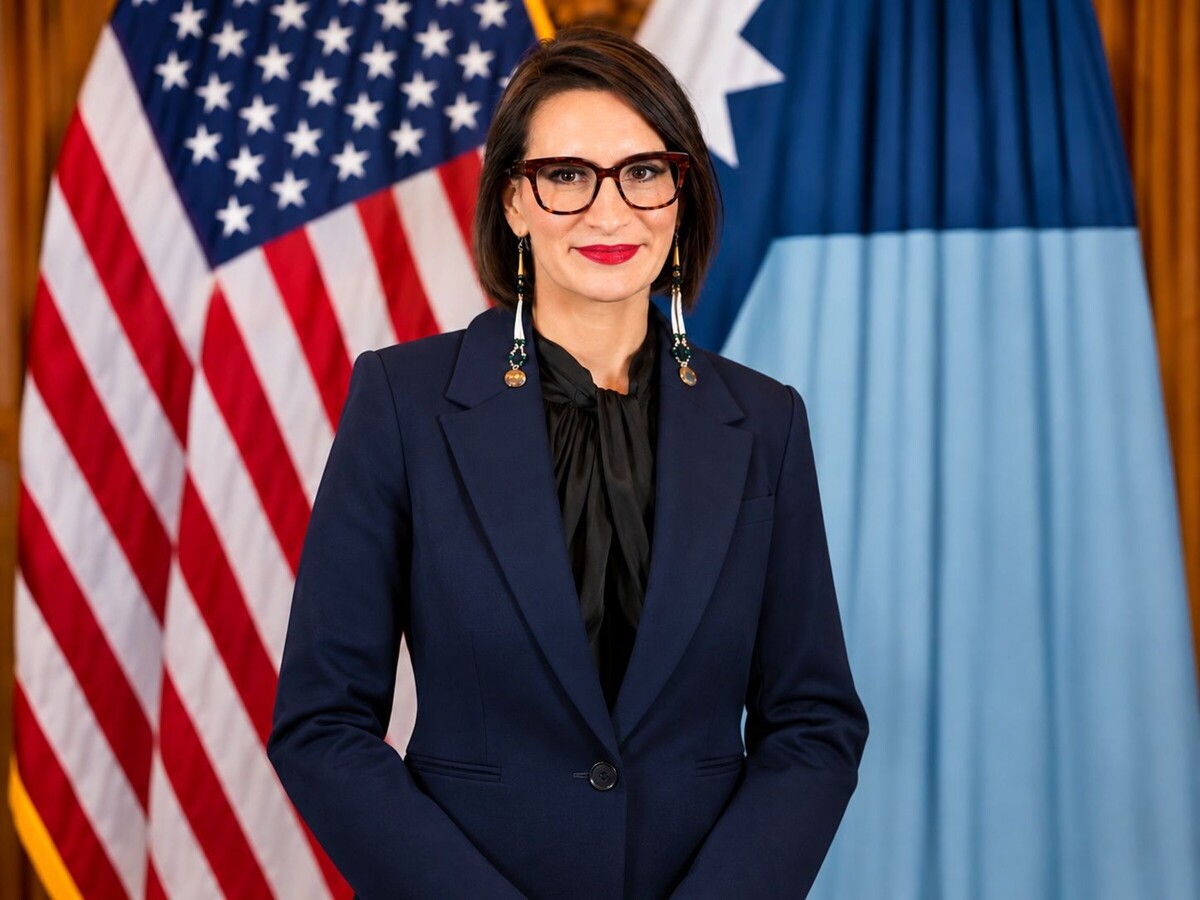
Minnesota Lt. Gov. Peggy Flanagan has won the state's open U.S. Senate election, defeating Republican Michele Tafoya in Tuesday's general election and positioning herself to become one of Minnesota's two representatives in the United States Senate.
The victory represents a significant development in Minnesota politics and establishes another important transition in the state's elected leadership.
Flanagan, a Democrat who has served as lieutenant governor under Gov. Tim Walz, campaigned for the Senate seat as Minnesota prepared for changes in both its federal representation and state executive leadership.
Her election comes alongside Amy Klobuchar's victory in the governor's race.
The simultaneous outcomes will reshape Minnesota's leadership in Saint Paul and Washington.
Flanagan's political career includes service in the Minnesota House of Representatives and the lieutenant governor's office.
Her work in state government has included attention to children, families, education, economic opportunity and public services.
As a U.S. senator, her responsibilities will expand to federal legislation, national budget decisions, oversight of federal agencies and confirmation votes involving senior government officials and federal judges.
The Senate also plays an important role in national security, foreign policy and federal appropriations.
Minnesota's senators represent the entire state rather than individual congressional districts.
That statewide responsibility includes urban, suburban, rural and Tribal communities with different economic and policy priorities.
Flanagan is a member of the White Earth Nation, and her election marks an important milestone for Native American representation in federal government.
Her victory also highlights the growing prominence of Indigenous leadership in Minnesota politics.
Representation alone does not determine policy outcomes, but the presence of leaders with different experiences can influence which concerns receive attention and how public decisions are debated.
For Minnesota's Native communities, issues involving Tribal sovereignty, federal treaty obligations, healthcare, education, natural resources and economic development remain especially important.
Those matters also intersect with broader statewide debates about government responsibility and public investment.
Flanagan defeated Michele Tafoya, the Republican candidate and former national sports broadcaster.
The contest unfolded during an election year in which voters considered economic conditions, immigration, government accountability and the direction of federal policy.
With the election concluded, Flanagan will face the challenge of representing constituents who supported her as well as those who voted for her opponent.
That responsibility is particularly important in a closely divided national political environment.
Flanagan's victory and Klobuchar's election as governor create significant changes in Minnesota's political leadership.
Both will move into different offices, and their transitions will affect the composition of the state's executive branch and congressional delegation.
The election results are subject to the normal canvassing and certification process.
As Minnesota prepares for the next congressional term, Flanagan's victory will be evaluated not only as an electoral milestone but also through her legislative priorities, constituent services and ability to represent the state's diverse communities.
For Minnesotans, the central question now becomes how the incoming senator will translate her state-level experience into federal policy and practical results.

Local stories matter. Subscribe free to MinneapoliMedia and receive independent news, community reporting and important updates from Minneapolis, the North Metro and communities across Minnesota.
SUBSCRIBE FREE: https://minneapolimedia.town.news/subscribe
MinneapoliMedia | Community. Culture. Civic Life


Light drizzle, with a high of 54 and low of 50 degrees. Mist during the morning, light drizzle for the afternoon,