26° and Clear
MINNEAPOLIMEDIA NEWS | Incoming Winona Legislator Dan Wilson Places Housing Affordability, Childcare and Rural Economic Stability at Center of Legislative Agenda



After defeating a Republican incumbent in House District 26A, the farmer and volunteer firefighter is preparing to pursue housing development, manufactured-home resident protections and expanded childcare access during Minnesota's upcoming legislative session.
WINONA, MN (November 24, 2026).
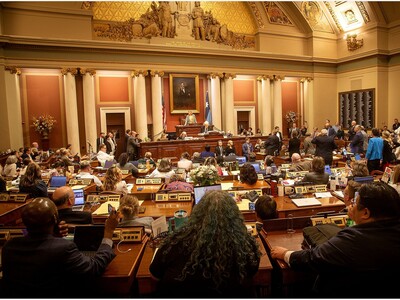
Minnesota Representative-elect Dan Wilson is preparing to enter the state Legislature with an agenda centered on housing affordability, childcare accessibility and the economic pressures confronting communities across Greater Minnesota. The Democrat's victory over Republican incumbent Aaron Repinski in House District 26A returns the district, which encompasses much of Winona County, to Democratic representation following the November election.
Wilson, a 38-year-old farmer and volunteer firefighter, outlined his legislative priorities during an interview published November 23 by the Minnesota Reformer. His proposals include developing deeply affordable senior housing, strengthening protections for manufactured-home residents and addressing shortages in local childcare services.
Housing as an Economic Development Priority
Housing affordability occupies a central position in Wilson's legislative plans. He argues that inadequate housing availability restricts the ability of smaller Minnesota communities to attract residents, retain workers and accommodate changing household needs.
Although housing shortages are frequently associated with the Twin Cities metropolitan area, smaller communities face their own development constraints. Limited rental inventories, construction expenses, aging housing stock and difficulties financing affordable developments can restrict residential options.
These pressures have implications beyond individual households. Employers attempting to recruit workers may encounter difficulties when prospective employees cannot find suitable housing within reasonable commuting distance. Older residents who want to move into smaller, more accessible properties may also find few alternatives within their communities.
Wilson has identified the construction of 100 deeply affordable senior housing units as a potential bonding initiative. He also intends to work on legislation addressing barriers to starter-home construction and protections for residents of manufactured-home communities.
Neither proposal has received legislative approval. Their implementation would depend on bill development, legislative negotiations and the availability of public funding.
Manufactured-Home Communities and Resident Protections
Wilson's interest in manufactured housing reflects concerns about the relationship between property ownership and housing security.
Residents of manufactured-home communities may own their homes while renting the land underneath them. That arrangement can create financial vulnerability when landowners increase rents or change operating conditions. Moving a manufactured home can be expensive and, in some circumstances, impractical.
For residents on fixed incomes, increases in lot rent may create substantial financial pressure even when they have already paid for their homes.
Wilson has expressed interest in legislation strengthening protections for those residents. His November 23 interview identified corporate acquisition of manufactured-home communities as an issue he intends to examine.
The legislative challenge will involve determining which protections can improve housing stability while maintaining viable options for operating and investing in manufactured-home communities.
Childcare and Workforce Participation
Wilson has also identified childcare availability as an economic development issue affecting Winona County families.
He told the Minnesota Reformer that the area faces a shortage of approximately 500 childcare places, and he expressed interest in working with state and local education leaders to develop childcare services within the public school system.
That estimated shortage was provided by Wilson and has not been independently established in the reporting available for this article.
Limited childcare access can affect parents' ability to accept employment, return to work following the birth of a child or pursue additional education. Employers can also experience difficulties retaining workers whose childcare arrangements are unreliable or unaffordable.
Using existing educational facilities could offer opportunities to expand services, although such proposals would require consideration of licensing, staffing, operating expenses and the availability of suitable space.
Agriculture and Administrative Accessibility
Wilson's agricultural background also informs his interest in soil conservation, environmental policy and the administration of state assistance programs.
He has described difficulties accessing agricultural grants and wants to examine ways government agencies can simplify application procedures.
For farmers operating businesses with demanding seasonal schedules, administrative requirements can create practical barriers to participation. Improving access may involve clearer eligibility standards, more efficient processing and application systems that accommodate the realities of agricultural work.
Such reforms would require agencies to balance administrative efficiency with appropriate oversight of public expenditures.
From Campaign Commitments to Legislative Decisions
Wilson's legislative agenda reflects several issues that intersect throughout Greater Minnesota. Housing shortages affect workforce recruitment. Childcare shortages affect household employment decisions. Agricultural policy influences rural businesses, environmental conditions and the economic stability of communities dependent on farming.
The upcoming legislative session will test whether those priorities can attract sufficient support to produce concrete policy changes.
Housing development proposals requiring state financing will compete with other infrastructure and budget priorities. Childcare expansion will require sustainable operating arrangements, while regulatory reforms will need consideration of their effects on residents, businesses and local governments.
For residents of Winona County, Wilson's interview offers an early indication of the policy commitments against which his legislative work can eventually be evaluated.
The next meaningful developments will come when those commitments become specific bills, funding requests and negotiations at the Capitol. Until then, they remain the stated objectives of an incoming legislator preparing to represent a district confronting economic challenges shared by communities throughout Greater Minnesota.

STAY CONNECTED TO MINNEAPOLIMEDIA
Local stories matter. Subscribe free to MinneapoliMedia and receive independent news, community reporting and important updates from Minneapolis, the North Metro and communities across Minnesota.
SUBSCRIBE FREE: https://minneapolimedia.town.news/subscribe
MinneapoliMedia | Community. Culture. Civic Life