27° and Partly Cloudy
Image
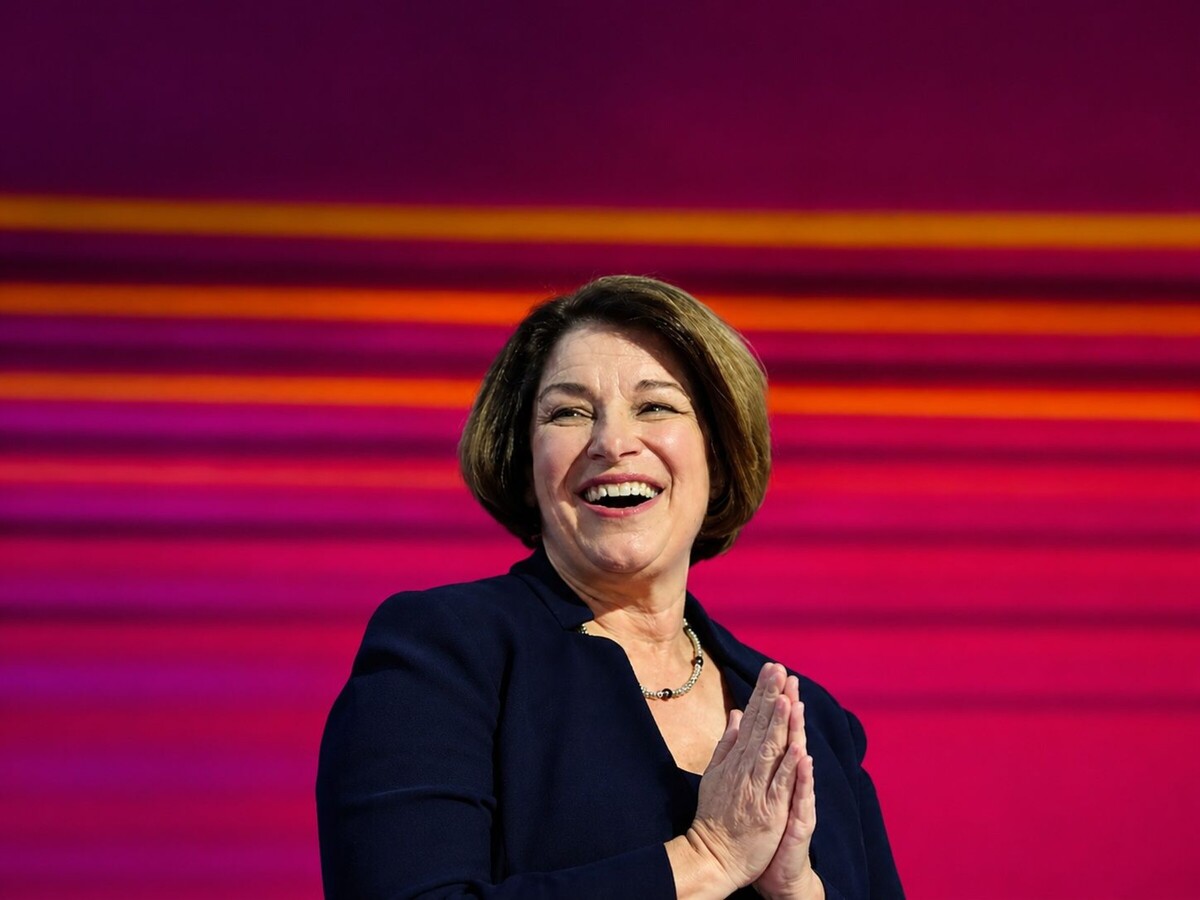



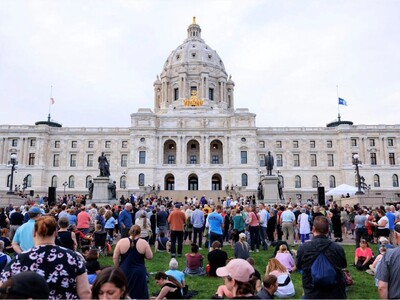
ST. PAUL, MN (November 23, 2026).
Minnesota voters will return to the polls next year for an unusual statewide election that could draw national political attention, even though the state's most recent election concluded less than three weeks ago. Governor-elect Amy Klobuchar's impending departure from the United States Senate will create a vacancy requiring both a temporary gubernatorial appointment and a special election in November 2027, placing Minnesota at the center of what could be the country's only Senate contest that year.
The special election is scheduled for November 2, 2027, with a primary set for August 10. Whoever wins will serve the remainder of Klobuchar's Senate term, which runs through January 2031. The election follows Klobuchar's victory over Republican Lisa Demuth in Minnesota's gubernatorial race and introduces another significant political decision during a period when the state is already preparing for a new administration.
Before that election, Minnesota must determine who will fill the Senate seat temporarily. State law authorizes the governor to appoint a replacement when a vacancy occurs, meaning the timing of Klobuchar's resignation will determine whether outgoing Gov. Tim Walz or Klobuchar herself makes the appointment. Klobuchar is scheduled to take office January 4, 2027, and has indicated that she expects to participate directly in choosing her successor. No appointment had been announced as of Monday.
The decision carries consequences beyond the immediate vacancy. An appointed senator would enter the 2027 election with the visibility and institutional advantages of incumbency, although the appointee would have only months to establish a legislative record before facing voters. The appointment could also influence the Democratic-Farmer-Labor Party's candidate selection process, particularly if other prominent Democrats decide to compete for the nomination.
Minnesota's political parties are already considering how to organize campaigns without the normal election-year calendar. According to MPR News, neither major party had a declared candidate as of Monday. DFL Party Chair Richard Carlbom said party leaders would need to determine how to approach endorsement procedures without the usual even-year caucus and convention schedule. Republican Party Chair Alex Plechash indicated that Republicans are likely to hold an endorsing convention, although the party is also preparing to select new leadership.
The decision between endorsing a candidate early and allowing a contested primary to determine the nominee could prove important. An early endorsement may give a candidate access to organizational resources and more time to prepare for the general election, but it can also create divisions if competing candidates and their supporters believe the process was settled prematurely. A competitive primary could encourage broader participation while leaving the eventual nominee with a shorter campaign period.
Political analysts disagree about how competitive the general election is likely to become. University of Minnesota political scientist Larry Jacobs told MPR News that the race could attract substantial national attention and spending because it would occur one year before the 2028 presidential election. Washington State University political scientist Travis Ridout offered a more cautious assessment, suggesting that national donors might consider Minnesota a less promising Republican opportunity following the DFL's performance in the 2026 election.
The disagreement reflects the uncertainty surrounding an election with no declared candidates and an unusual political calendar. Minnesota voters elected DFL candidate Peggy Flanagan to the state's other U.S. Senate seat earlier this month, while Klobuchar won the governorship. Those results demonstrate the party's recent statewide strength, but they do not establish what voter participation or political conditions will look like in November 2027.
The special election could also become a testing ground for national political messages ahead of the presidential election. Both parties may view the contest as an opportunity to measure voter enthusiasm, assess campaign strategies and demonstrate organizational strength. At the same time, the unusual election date could complicate turnout efforts because voters will not have the familiar presidential or midterm ballot to draw them to polling places.
Minnesota has experienced consequential Senate appointments before. In 2017, Gov. Mark Dayton appointed Tina Smith following Al Franken's resignation, and Smith subsequently won a special election in 2018. An earlier appointment in the 1970s became part of one of the state's most memorable political controversies when Gov. Wendell Anderson resigned and was appointed to the Senate after Walter Mondale became vice president.
The circumstances surrounding Klobuchar's departure differ from those earlier transitions, but the underlying questions remain important. The appointment will determine who represents Minnesota in the Senate before voters have an opportunity to make their own selection, while the special election will determine who holds the seat for the following three years.
For Minnesotans, the immediate priorities are clarity about the appointment process, transparency in candidate selection and access to accurate election information. The August primary and November general election will give voters another opportunity to shape the state's representation in Washington, but the decisions made during the coming weeks may significantly influence the choices available to them.
Local stories matter. Subscribe free to MinneapoliMedia and receive independent news, community reporting and important updates from Minneapolis, the North Metro and communities across Minnesota.
SUBSCRIBE FREE: https://minneapolimedia.town.news/subscribe
MinneapoliMedia | Community. Culture. Civic Life

Sunny, with a high of 31 and low of 25 degrees. Sunny during the morning, clear for the afternoon and evening, partly cloudy overnight.