24° and Overcast
MINNEAPOLIMEDIA NEWS | Minnesota Tribal Leaders Raise Sovereignty Concerns as Federal Energy Permitting Legislation Advances Through Congress



The Senate-approved legislation seeks to accelerate energy infrastructure development, but Prairie Island Indian Community leaders warn that changes to federal permitting could weaken tribal participation in decisions affecting culturally significant lands and resources.
ST. PAUL, MN (November 24, 2026).
Minnesota tribal leaders are raising concerns about federal legislation intended to accelerate energy infrastructure development, warning that changes to the permitting process could undermine the ability of Native nations to protect culturally significant places and participate in governmental decisions affecting their communities.
The Bipartisan American Affordability and Jobs Act of 2026 passed the United States Senate on November 19 by a vote of 62 to 33. The measure has advanced to the House of Representatives, where further congressional action is required.
Prairie Island Indian Community Tribal Council President Grant Johnson and tribal historic preservation compliance officer Franky Jackson discussed their objections during a November 23 appearance on MPR News. Their concerns reflect opposition from tribal leaders who believe the legislation could weaken meaningful consultation during infrastructure development.
Infrastructure Development and Governmental Responsibility
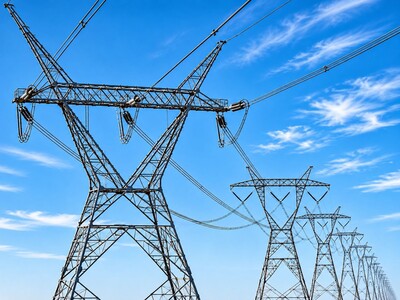
The federal legislation seeks to reduce permitting delays associated with energy projects, including renewable energy facilities and conventional energy infrastructure.
Permitting reform has become an important national policy issue as utilities and developers attempt to meet increasing electricity demand. Proponents of accelerated permitting argue that lengthy regulatory proceedings can delay necessary construction, increase development costs and complicate efforts to modernize the electrical grid.
Tribal leaders, however, are concerned that shortening or restructuring those proceedings could reduce opportunities to identify cultural resources, examine environmental consequences and address objections before construction decisions become irreversible.
Tribal sovereignty distinguishes Native nations from ordinary interest groups participating in public regulatory proceedings. Federally recognized tribes possess governmental status, and federal agencies have responsibilities arising from statutes, treaties and government-to-government relationships.
Whether a revised permitting framework adequately preserves those responsibilities is central to the concerns raised by Prairie Island's leadership.
Senator Tina Smith Opposes the Measure
Minnesota Democratic Senator Tina Smith voted against the legislation. In a statement issued by her office on November 19, Smith acknowledged the need to improve energy permitting but objected to provisions she believes would threaten tribal sovereignty and weaken environmental protections.
Smith also warned that the legislation could facilitate development of a proposed copper-sulfide mine within the Boundary Waters watershed.
Her opposition illustrates a division within the permitting debate. Lawmakers can support faster infrastructure development while disagreeing about the environmental and governmental safeguards that should accompany it.
The Senate's bipartisan approval demonstrates considerable congressional support for changing the permitting system. Nevertheless, the vote does not resolve the disagreements surrounding the legislation's potential consequences for Native nations.
What Congressional Action Could Mean for Minnesota
Minnesota has already experienced disputes involving infrastructure proposals near places of cultural and historical significance to Indigenous communities. Such proceedings demonstrate the difficulty of balancing infrastructure development with the protection of cultural landscapes, natural resources and tribal governmental interests.
Accelerating administrative decisions may improve efficiency, but the adequacy of consultation depends on more than the length of a regulatory proceeding. It also depends on whether tribal governments receive sufficient information, possess meaningful opportunities to participate and have their concerns seriously considered.
The legislation remains pending in Congress. Its ultimate provisions, implementation requirements and consequences cannot be established until the legislative process is complete.
For Prairie Island Indian Community and other Native nations, the immediate issue is ensuring that federal infrastructure reform does not diminish governmental rights that extend beyond the boundaries of individual development projects.

STAY CONNECTED TO MINNEAPOLIMEDIA
Local stories matter. Subscribe free to MinneapoliMedia and receive independent news, community reporting and important updates from Minneapolis, the North Metro and communities across Minnesota.
SUBSCRIBE FREE: https://minneapolimedia.town.news/subscribe
MinneapoliMedia | Community. Culture. Civic Life