Image
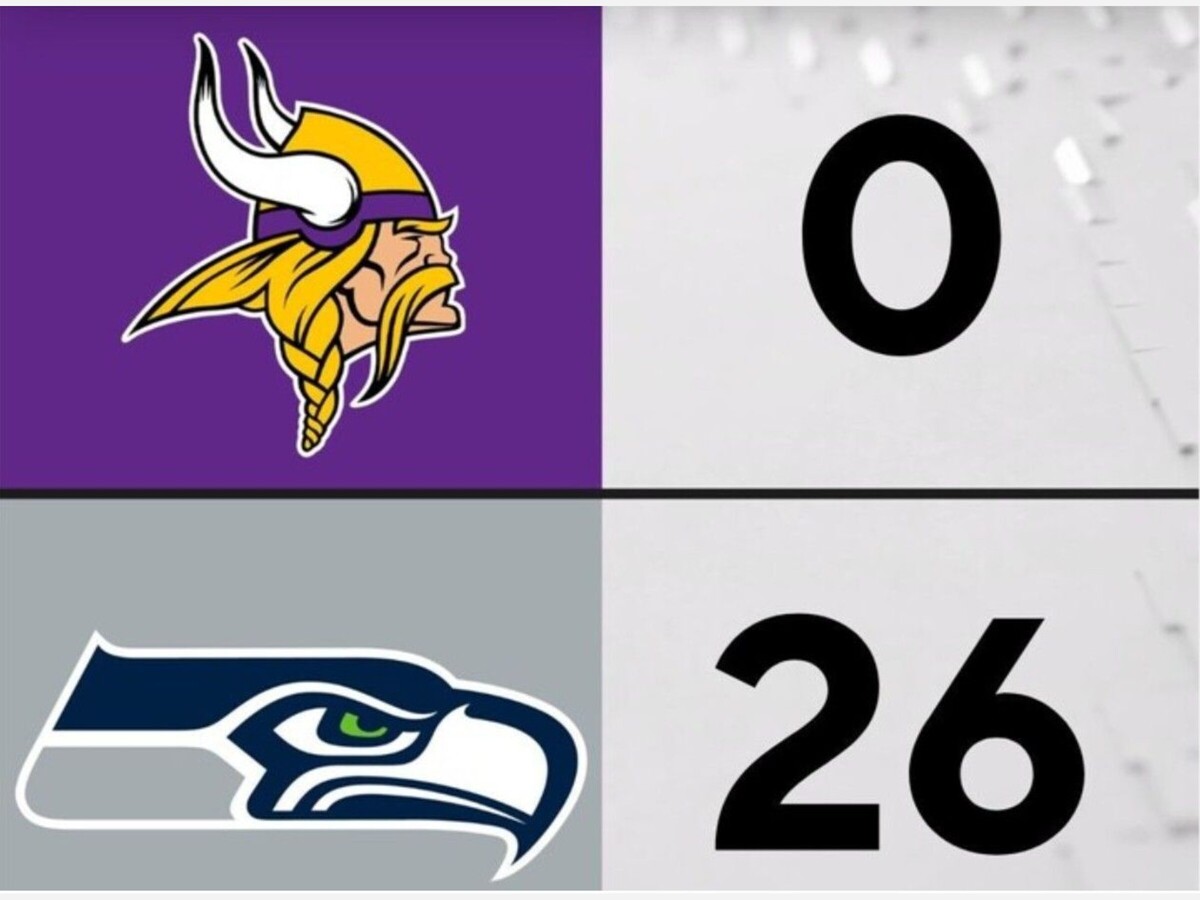



COON RAPIDS, Minn. — For Minnesota sports fans, hope has always been a fragile thing, like ice over the Mississippi in early spring: we step onto it with care, cautiously optimistic, only to hear it crack beneath us. And on Sunday, as the Minnesota Vikings fell 26‑0 to the Seattle Seahawks, that ice shattered once more.
This wasn’t just a loss. This was a humiliation. A reminder that the Vikings, a franchise burdened with decades of unrealized promise, remain trapped in a pattern of fleeting optimism followed by crushing defeat. After years of lavish investment in talent and coaching—hundreds of millions of dollars poured into free-agent signings, rookie contracts, and high-profile coaching hires—the scoreboard offered a simple, painful truth: the Vikings are still losing.
There is a cruel rhythm to it. The team may notch a win or two, stirring hope in the hearts of Minnesotans who yearn to believe in something bigger, something triumphant. And then the old habits return: misfires at quarterback, poor play-calling, a patchwork offensive line that cannot protect its rookies, turnovers at critical moments. Sunday’s shutout against Seattle was emblematic of that cycle—a rookie quarterback undone by inexperience, a talented offense rendered impotent, and a fan base once again left questioning why hope in Minnesota seems always to be provisional, always to be betrayed.
Minnesota sports have long been a lesson in the bittersweet. From the Timberwolves’ fleeting playoff dreams to Minnesota United’s recent MLS heartbreak against San Diego, our collective optimism is repeatedly tempered by disappointment. And now, as the Vikings retreat from yet another humiliating defeat, it feels as though we, as a state, are being trained to accept the same narrative: that in Minnesota, we cheer passionately, invest emotionally, and hope fervently—but win rarely comes.
The money has been spent, the talent assembled, the coaching staff revamped. Yet results have remained stubbornly elusive. Free agents arrive with fanfare, promising to shore up weak positions; rookies are drafted with meticulous care, heralded as the future. And yet, a few games in, injuries expose thin depth charts, rookie mistakes compound, and coaching decisions falter. The scoreboard never lies: a 26‑0 blanking, a fourth straight loss, a season slipping quietly into mediocrity.
Perhaps what stings most is the cruel juxtaposition of hope and futility. Fans live for the moments when a comeback seems possible, when a Justin Jefferson catch sparks belief that maybe—just maybe—this season could be different. And then, like clockwork, those moments are extinguished. One game shows promise, the next reminds us that Minnesota football, despite investment and loyalty, seems forever destined to hover below the heights it teases.
Sunday’s game was more than a loss; it was a metaphor. It showed the limitations of money and strategy against structural instability and chronic underperformance. It reflected the fragility of expectation in a league where talent, cohesion, and execution are everything. And it forced fans to confront a harsh reality: our patience and investment, both emotional and financial, may never yield the kind of triumph we crave.
Minnesota fans deserve more than this cyclical despair. We deserve a team that can take the money, the talent, and the strategic planning and convert it into consistency on the field. We deserve to be more than spectators of disappointment, cheerleaders for a franchise that occasionally dazzles but never sustains. The Vikings’ latest failure, in the shadow of other Minnesota sports heartbreaks, is a clarion call: something has to give.
The question now is not just how the Vikings will salvage this season, but how the franchise can break the habits that have defined it for decades. Will there be a bold commitment to structure, talent development, and strategic cohesion? Or will we, Minnesotans, be relegated to our role as perennial spectators of near-success, our hopes rising only to be dashed with cruel regularity?
Hope is a fragile thing, yes—but Minnesotans are resilient. And maybe, just maybe, it’s time for the Vikings to match that resilience with results. Until then, Sunday’s 26‑0 shutout remains a painful reminder: in Minnesota, winning feels like a fleeting guest, always arriving late, leaving quickly, and never staying long enough to satisfy the longing of a loyal fan base.


Sunny, with a high of 62 and low of 40 degrees. Sunny during the morning, clear overnight.