40° and Clear
Image
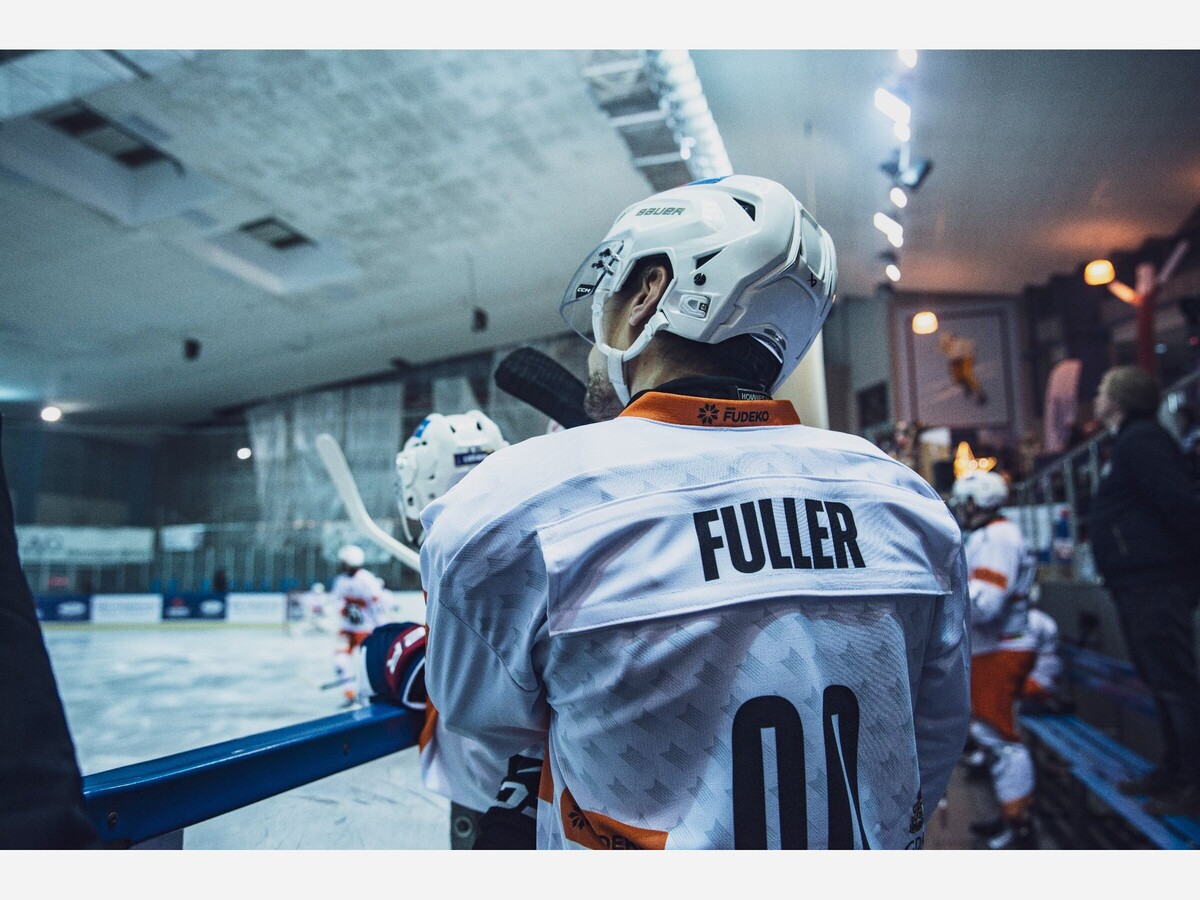



Opening
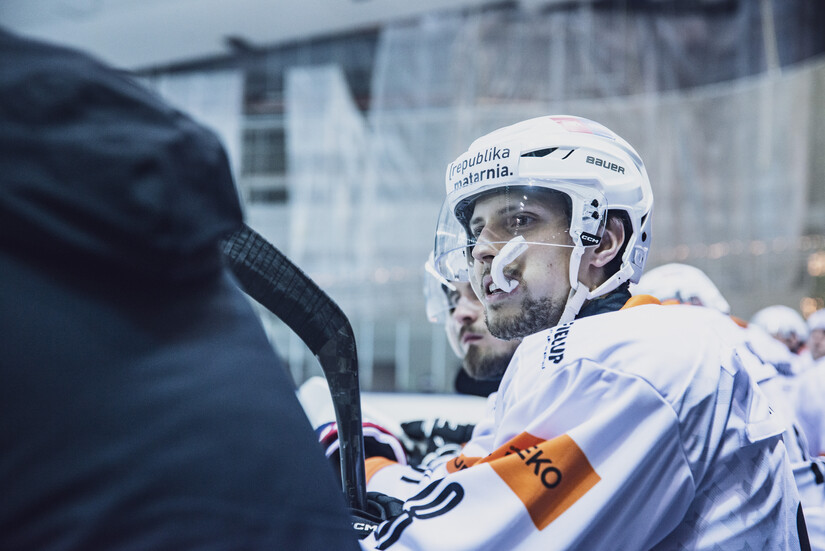
When MinneapoliMedia last caught up with Jackson Fuller, the Minnesota native had only just begun to settle into life in Gdańsk, Poland. Fresh off his arrival overseas, Fuller was navigating a new language, a new culture, and a new style of hockey, learning on the fly what it meant to leave home and test himself in unfamiliar territory. That first conversation was marked by curiosity, humility, and cautious optimism, as Fuller spoke openly about the challenges of adaptation and the excitement of chasing his professional hockey dream abroad.
Weeks later, we checked back in, not just to ask about box scores or standings, but to understand how the experience itself was shaping him. Since our last interview, Fuller has become more deeply embedded within Fudeko GAS Gdańsk, earning trust from teammates and coaches, finding his rhythm within a demanding system, and helping power a team that now sits among the league’s strongest contenders. What follows is a candid, wide-ranging conversation conducted after a physically and emotionally charged rivalry weekend, a window into how Fuller is growing, competing, and thriving far from home.
Tom Akaolisa:
Jackson, you just came off a big weekend of games. How are you holding up physically?
Jackson Fuller:
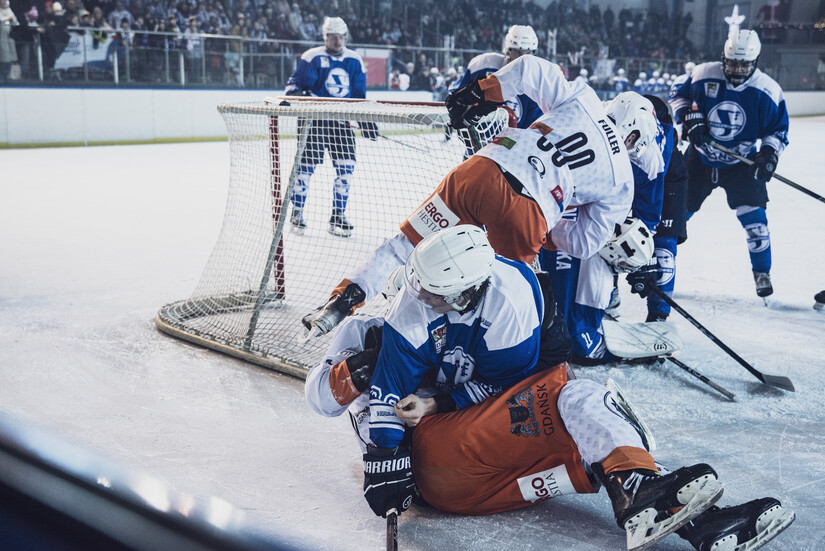
It was definitely a rivalry weekend. We played Stoczniowiec Gdańsk, the other Gdańsk team. They’ve been around for decades, while we, as Fudeko GAS Gdańsk, have only been around for about five years. Both teams are trying to get promoted to the Ekstraliga, the highest level in Poland, so there’s a lot of history and emotion there.
We’ve beaten them all four times this year, so they don’t really like us. It’s very physical hockey. I took some hits, but physically I’m okay. I’m definitely looking forward to the winter break, though.
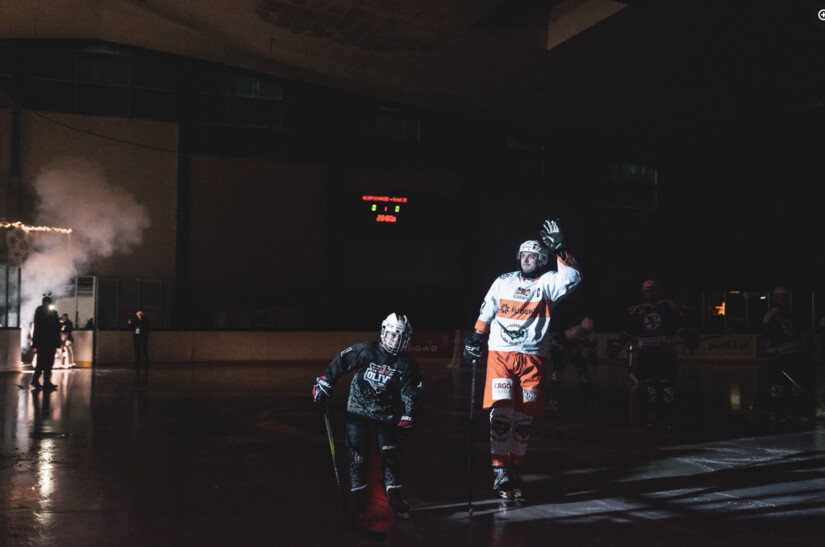
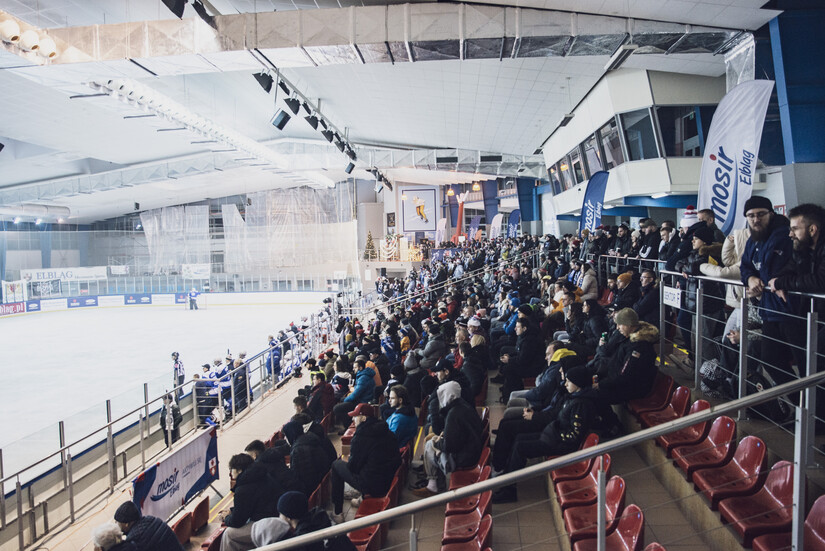
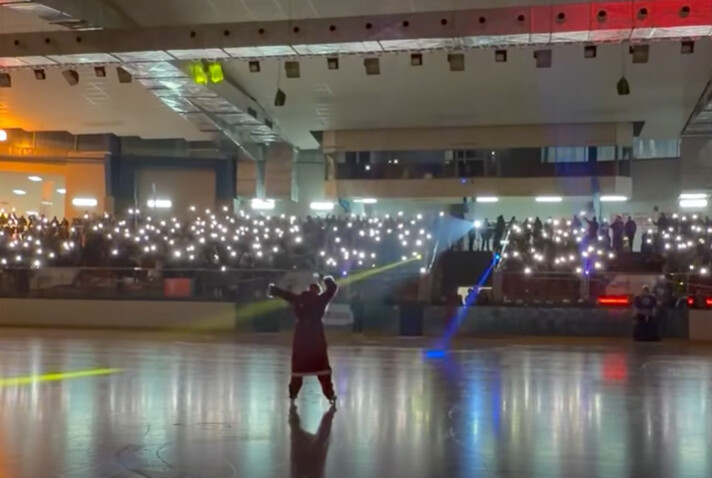
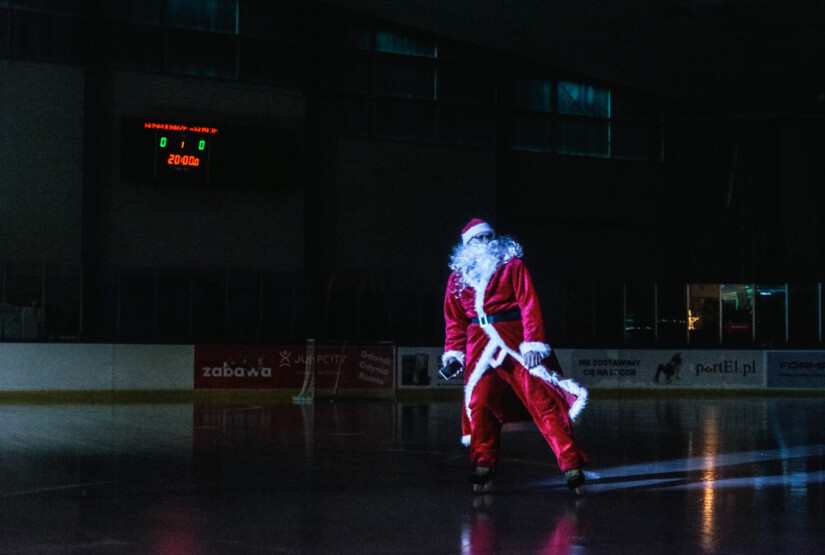
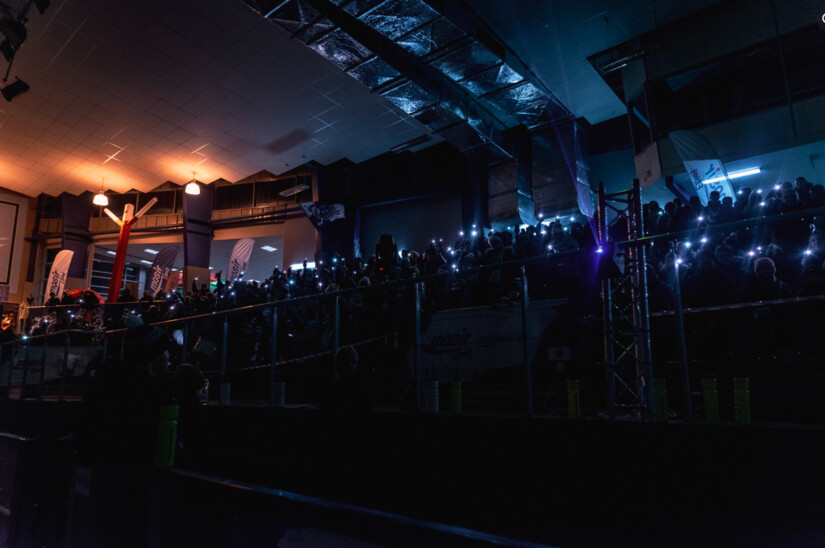
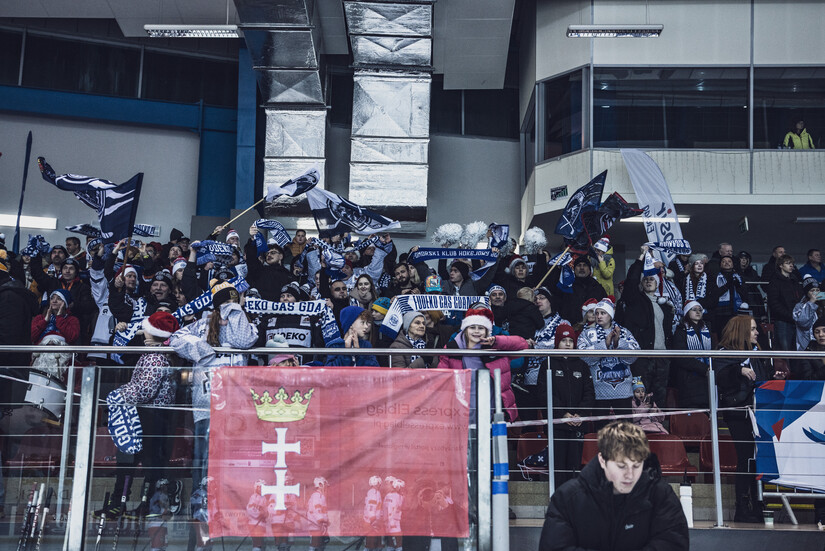
Saturday night’s game was really special. It was the biggest crowd we’ve had all year. They did a Christmas show beforehand, brought one of the youth teams out, and we each paired up with a kid, waved to the fans, and skated around with them. It was an emotional weekend, for sure, but also some really good, hard-fought wins.
Tom:
Can you walk us through the atmosphere inside the rink, the energy, the intensity, and what stood out most to you?
Jackson:
You could feel it starting earlier in the week. The team’s social media pages were posting ticket links, saying there were only 200 tickets left, almost sold out, anticipating a sellout crowd. There were promotions, interviews with players, mostly local guys since I don’t speak Polish.
When we got to the rink, they didn’t let fans in until a certain time, so it was eerie at first. We were warming up in complete silence, but you knew there were hundreds of people waiting outside.
Once the game started, Stoczniowiec scored right away and went up 1–0. That quieted the crowd for a moment because most of the fans were for us, it was technically our home game, even though we were playing about an hour away from Gdańsk.
Even after that goal, I felt confident. We had more offensive-zone time in the first period. My line was clicking. We had a player come down from our Ekstraliga affiliate in Toruń, his name was Kacper, and he’s a really good player. My other linemate, Tomáš Fiala from Slovakia, and I had great chemistry with him right away.
We spent most of the period in the offensive zone. We were down 1–0 after the first, but in the locker room I told the guys, “Don’t worry. Just keep playing like this, the goals will come.”
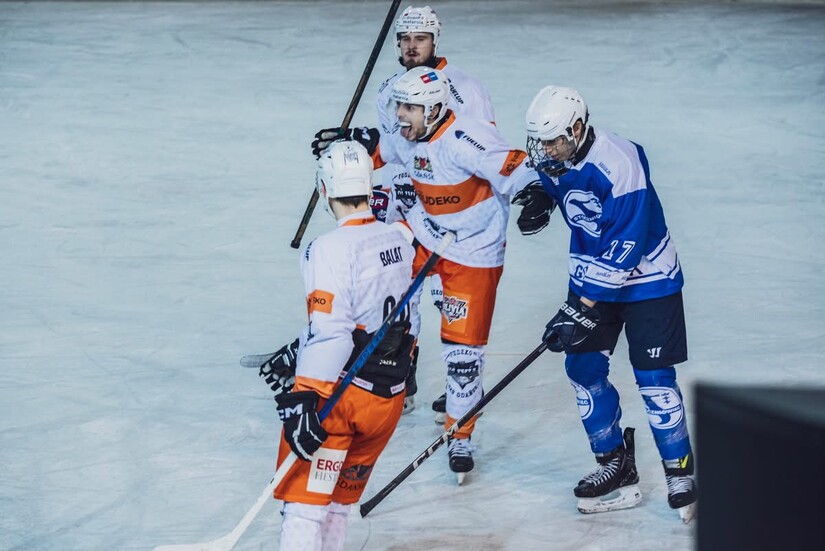
And they did. In the second period we scored a handful, I think three or four, maybe even five. By the end, we won 8–2.
The crowd was incredible. They have a drummer who leads chants, and everyone follows along. I don’t understand what they’re saying, but it’s amazing for the energy.
Tom:
From your perspective, what were the biggest adjustments the team made during the game?
Jackson:
The biggest adjustment was settling into the atmosphere. The coaches told us to block out everything that wasn’t our job, don’t think about the rivalry, the crowd, the noise. Just play hockey.
Some guys were gripping their sticks early, making nervous mistakes. Once we calmed down and played simple hockey, pucks deep, winning wall battles, wearing them down, things turned quickly. That was the difference.
Tom:
You’ve been integrating more into the system. How do you feel your chemistry with your linemates is developing?
Jackson:
I feel a lot better than when we last talked. Back then, I was still adjusting to the systems. Now, after almost two months, it feels more automatic.
Today, my defenseman Miroslav took a shot from the blue line, and I tipped it in right in front. They run a play called the “double swing,” where two players swing low, and it’s almost like an American football route, one guy goes middle, one up the wall, one cuts across.
We’ve spent a lot of time learning the systems, late nights, chalkboard sessions, talking through power-play setups. Trust has grown a lot, and that makes a huge difference.
Tom:
What did this matchup reveal about the league’s competitiveness and physicality?
Jackson:
It showed how tight the league really is. Even though the scores ended up 8–2 and 7–1, for a period the other team had us on our heels.
We’re the top team in the league, and they’re near the bottom. But if we hadn’t responded after that first period, we could’ve lost. Anybody can beat anybody here.
They also had some injuries, which didn’t help them, but it’s still a testament to how competitive the league is. It’s good hockey. I’m really happy to be part of it.
Tom:
On a personal level, what moments from the games are you most proud of?
Jackson:
I’m proud of how our line clicked right away, especially with Kacper, who we’d never played with before. In warmups I skated up to him, introduced myself, asked if he spoke English, he did, and we communicated right away.
He scored two goals. I had an assist one night, then a goal and an assist the next day. We were producing offensively even though it was our first time playing together.
I’m also proud of staying disciplined. When you’re up big, it’s easy to try to do too much. I didn’t. I kept playing the right way, short shifts, pucks deep, boxing out on the wall, whether we were winning or losing.
Tom:
After several games now, where do you feel you’ve grown the most since arriving in Poland?
Jackson:
I’d say experience. Seeing a different style of hockey has opened my eyes. It’s the same game, but it’s played differently than I expected.
The best players here don’t always look like what North American hockey would expect. They run plays that might be frowned upon in the U.S., but they work here, maybe because of the bigger ice or the defensive style.
I’ve grown a lot from experiencing all those little differences.
Tom:
Are there areas you’re intentionally working on?
Jackson:
Yes. I had wrist surgery about a year ago, a scapholunate dissociation. I snapped a ligament in my wrist. It was serious.
I came back about three months earlier than expected to finish my last college season, but I’m still rebuilding strength. I’m working on my shot, my hands, faceoffs, I didn’t take many last year after the injury. I’m intentionally getting myself back to 100 percent.
Tom:
How is the team feeling collectively right now?
Jackson:
The team is feeling good, but we’re not complacent. There’s one team we haven’t played yet, the Sabres, and we’ll play them four times after the break.
We’ve beaten every other team at least once. Winning the derby games proved we’re the champions of Gdańsk this year, and that builds momentum.
We’ve got Secret Santa and a Christmas party coming up. The culture is strong. Guys are smiling, enjoying each other’s company, but we’re also pushing each other hard in practice.
Tom:
What does the next stretch of games look like, and what will be key to sustaining your strong start?
Jackson:
Right after the break, we play Opole United. They’re loaded with North Americans, mostly Canadians, which is funny since we’re in Poland.
They’re tough. We beat them twice earlier, but they were close, hard-fought games. They’re staying in Poland over the break and training hard, while some of our guys are going home for the holidays.
When we come back, we’ll need to lock in quickly and make sure nobody ate too many Christmas cookies.
Tom:
For family, friends, and fans back in Minnesota, what message would you like to share?
Jackson:
I couldn’t be here without their support. Every message means a lot. This is a new home, I don’t have 24 years of connections here like I do back home.
And honestly, don’t be afraid to come visit. I’ve told people to take me up on it. I’ve got tickets, a car, I’ll pick you up from the airport. It’s affordable, clean, and beautiful.
Tom:
Jackson, thank you again for your openness and insight. We’ll continue following your season closely.
Jackson:
Thank you, Tom. I really appreciate everything you’ve done. It’s crazy how this all started, and I’m grateful.
Post-Interview Exchange
Jackson:
How have you been doing with your injury?
Tom:
Last week I saw a doctor. I’m getting an MRI soon to see what’s really going on with my knee, and then we’ll go from there with treatment.
Jackson:
You’ll be back out there soon.
Tom:
Absolutely. I need to get out there kicking that soccer ball.
Closing
Tom:
Jackson, It's always a great delight catching up with you and learning the great achievements you're having over there. We look forward to checking back with you sometime soon. Thanks again, Jackson. Have a great rest of your day.
Jackson:
You too. Merry Christmas, Tom!
Closing
Jackson Fuller’s journey in Poland is about far more than goals, assists, or wins in the standings. It is the story of a young man who chose courage over comfort, who crossed an ocean to pursue a lifelong dream and embraced every challenge that came with it. Through discipline, humility, and hard work, Fuller is not only carving out his place in European hockey, but also serving as a proud ambassador for Minnesota and the United States, representing the values of resilience, teamwork, and respect on an international stage.
As he continues to compete, adapt, and lead in Gdańsk, one thing is clear. Fuller is doing more than playing the game he loves. He is building bridges across cultures, inspiring those back home, and proving that Minnesota’s hockey roots run deep, no matter how far from home the ice may be.



Sunny, with a high of 73 and low of 37 degrees. Sunny for the morning, partly cloudy in the afternoon and evening, clear overnight.