31° and Moderate snow
Image
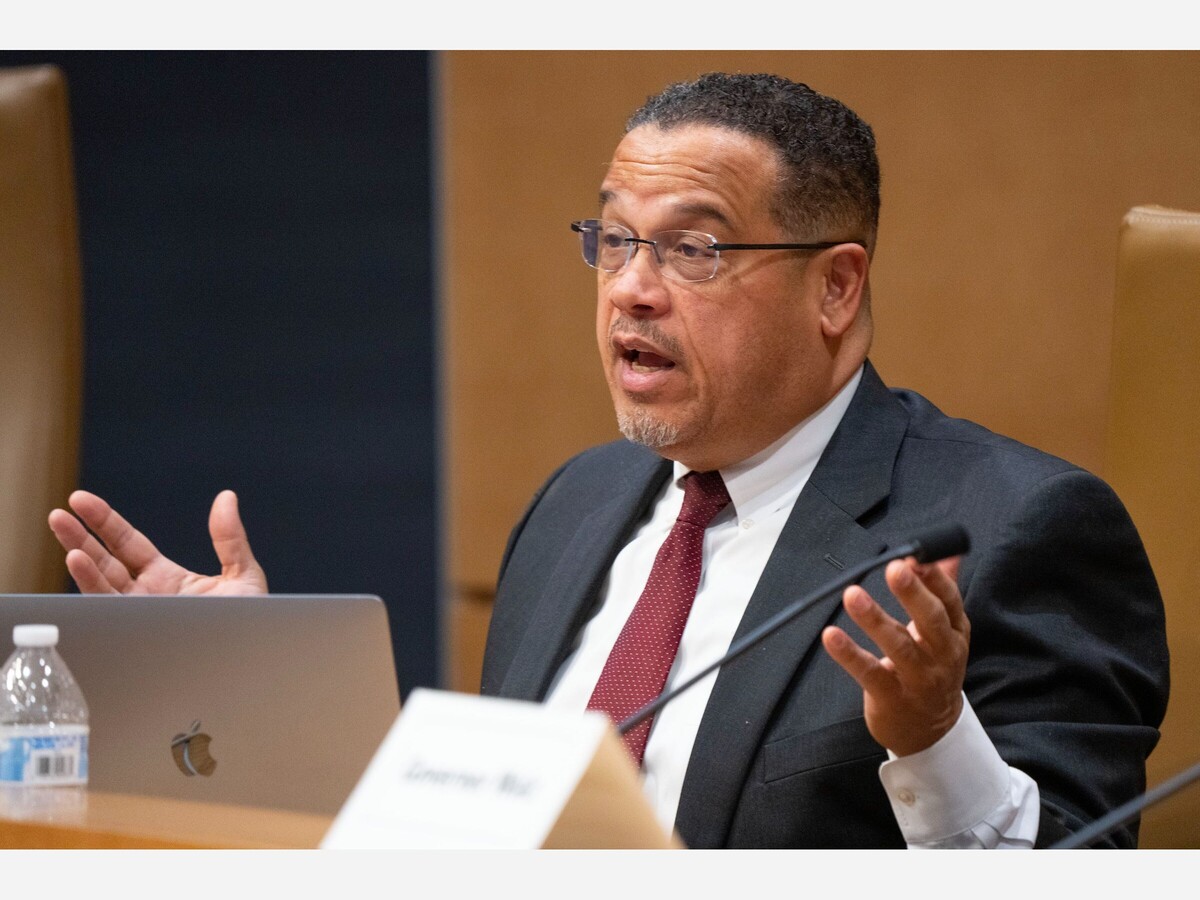



Minnesota Attorney General Keith Ellison has joined a sweeping multi-state lawsuit against Uber Technologies, LLC and Uber USA, LLC, alleging the company designed its Uber One subscription service to be easy to sign up for but intentionally difficult to cancel, in violation of federal and state consumer protection laws.
The lawsuit is part of a broader enforcement action originally filed by the Federal Trade Commission in April and later amended to include a bipartisan coalition of states. Minnesota is among 21 states and the District of Columbia now participating in the case, which is pending in the U.S. District Court for the Northern District of California.
At the center of the complaint is Uber One, the company’s monthly subscription, typically priced at $9.99, which promises reduced delivery fees and other perks. State and federal regulators allege that Uber employed what are known as “dark patterns,” design choices that steer consumers toward continued payments through confusion, delay, or frustration.

According to the amended complaint, Uber created what regulators describe as “zombie subscriptions,” memberships that are simple to start but difficult to end. The lawsuit alleges that canceling Uber One can require navigating as many as 23 screens and completing more than 30 separate actions, including repeated scrolling, confirmations, and prompts to pause rather than cancel the service.
The complaint further alleges that during the 48 hours before a subscription renewal, Uber at times removed the option to cancel directly within the app. Users were instead directed to contact customer service, a process that could delay cancellation long enough for another billing cycle to begin.
Ellison, in a public statement announcing Minnesota’s participation, said consumers should not need advanced technical knowledge to cancel a monthly subscription and accused Uber of intentionally erecting obstacles to keep users paying.
Beyond the cancellation process, the lawsuit outlines several additional allegations. Regulators say Uber misled consumers about how much money they would save through Uber One, at times advertising savings of up to $25 per month without clearly accounting for the cost of the subscription itself.
The complaint also focuses on negative option marketing practices tied to free trials. States allege that some consumers were charged before their trial periods ended, lost access to benefits immediately after attempting to cancel during a trial, or were enrolled and billed for Uber One without clear consent.
These practices, the lawsuit argues, violate the Restore Online Shoppers’ Confidence Act, a federal law enacted in 2010 to regulate auto renewing subscriptions. ROSCA requires companies to clearly disclose all material terms, obtain express informed consent before billing, and provide a simple mechanism to stop recurring charges. Regulators contend Uber failed to meet all three standards.
Minnesota’s claims also invoke the Minnesota Consumer Fraud Act and the Minnesota Deceptive Trade Practices Act.
The multi-state coalition and the FTC are seeking restitution for consumers who were improperly charged, civil penalties for alleged violations of federal and state law, and a court order requiring Uber to overhaul its subscription sign-up, billing, and cancellation processes.
Under federal law, civil penalties for ROSCA violations can exceed $50,000 per violation, though any penalties would ultimately be determined by the court.
Uber has pushed back strongly against the lawsuit. The company has described the action as misguided and maintains that its subscription practices comply with the law. Uber says its cancellation process is clear and accessible and that most users can cancel their Uber One memberships within the app in seconds.
The case adds to growing scrutiny of subscription based business models across the tech industry, as regulators increasingly focus on whether digital services make it too easy for consumers to sign up and too hard for them to leave.
For Minnesota consumers, Ellison’s office has encouraged anyone who believes they were improperly charged or had difficulty canceling Uber One to submit a complaint to the Attorney General’s Office as the case proceeds.



Moderate or heavy snow showers, with a high of 35 and low of 30 degrees. Light freezing rain in the morning, overcast during the afternoon, moderate snow overnight.