31° and Moderate snow
Image
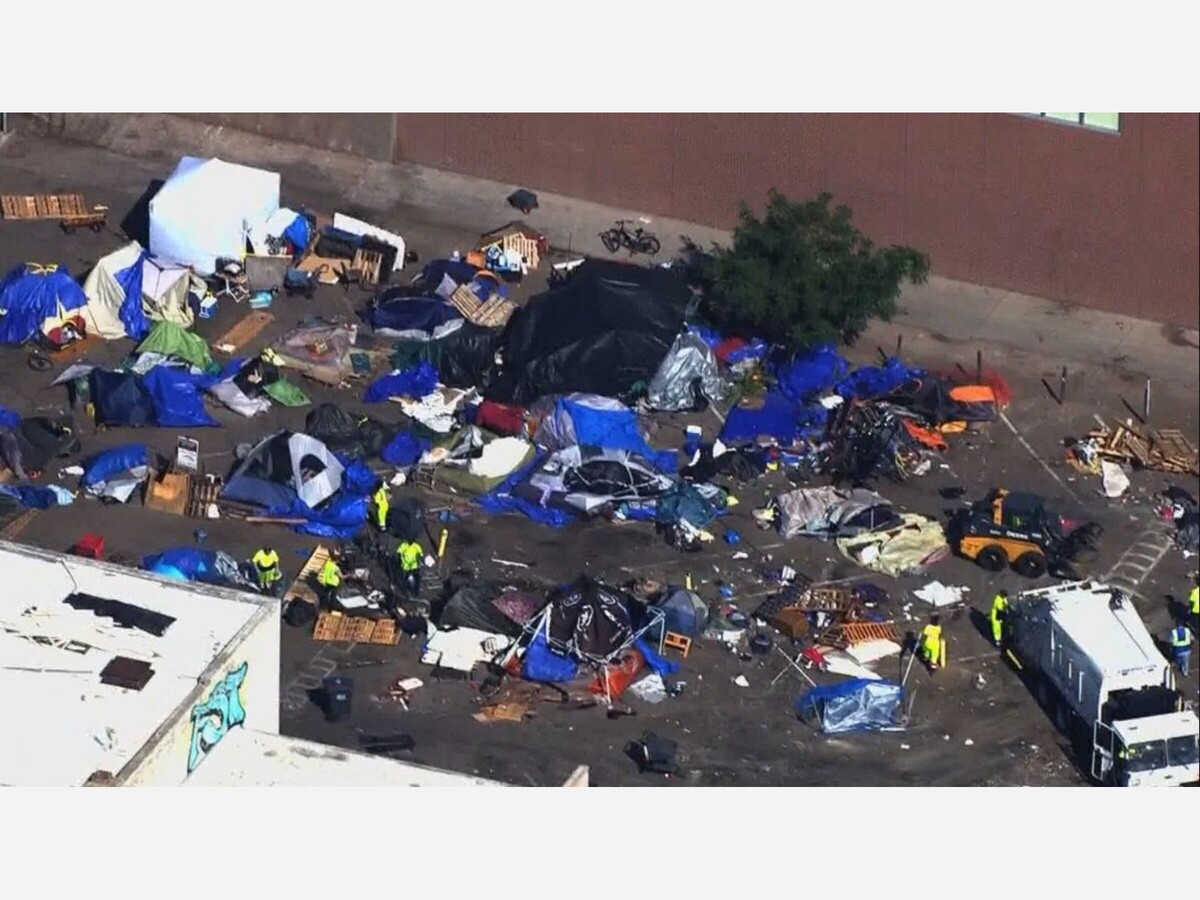



Hennepin County’s pledge to end chronic homelessness by the end of 2025 was never just a technical target. It was a moral statement and a political wager that a region with world class health systems, major corporate headquarters, and a robust tax base could stop allowing the same neighbors to live outside year after year.
Now county officials say the goal is “far from complete,” citing difficulties in data collection and the end of pandemic era funding, even as they report housing more than 700 people since October 2023.
The hard truth is this: the promise was not naïve. The promise was accurate. It described what should be possible in a community as resourced as ours. The failure was not in setting a deadline. The failure was in mistaking emergency era momentum for a permanent operating model.
There is also a second, uncomfortable truth that leaders across the region should not avoid. At a moment when public trust is thin and homelessness remains visibly unresolved, Minneapolis is debating significant pay increases for top elected officials. Under a 2026 compensation resolution, the mayor’s salary is set to rise by $46,000 to $187,000 starting in the next term, while council member pay is held flat for 2026 and 2027, then slated to increase beginning in 2028.
A city can argue, with some merit, that compensation should attract and retain talent. But optics are not a sideshow. They are part of legitimacy. If leaders want the public to accept the next wave of investments required to actually end chronic homelessness, they must demonstrate that urgency, sacrifice, and discipline begin at the top.
Hennepin County’s goal has been framed around “functional zero,” the point at which the system can consistently house people faster than new people become chronically homeless. The county’s own definition draws on federal guidelines: chronic homelessness typically involves long durations without stable housing and a disabling condition.
That definition matters because chronic homelessness is not most homelessness. It is the group most likely to die outside, cycle through emergency rooms, and generate repeated police and ambulance calls. It is also, paradoxically, the group that often costs the public the most money to leave unsheltered.
Ending chronic homelessness is not a slogan. It is a management problem with a moral center. It requires three things at the same time:
When county officials cite data collection difficulties as a key barrier, they are describing a central weakness in the American homelessness response: too many separate pipelines, insufficient shared accountability, and not enough real time visibility into who is still outside and why.
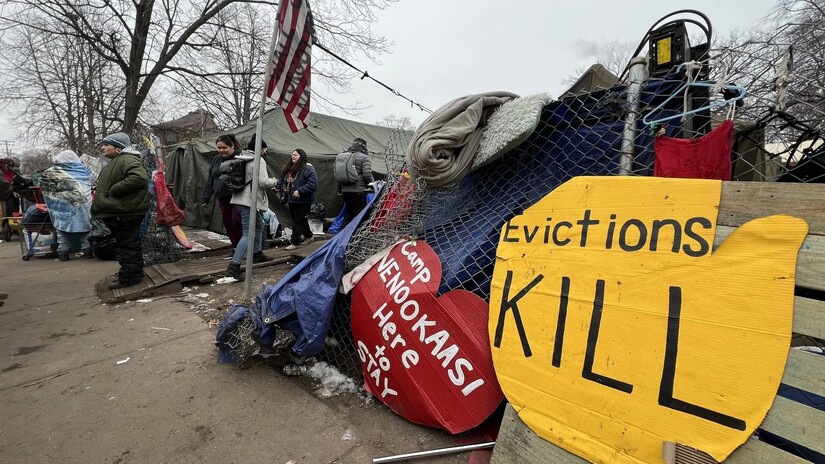
The region’s homelessness conversation often swings between two poles: not enough housing and not enough services. Both are true, but incomplete.
Housing costs and scarcity. A shortage of deeply affordable units means the bottom of the market functions like a trapdoor. A missed paycheck or an untreated health episode becomes an eviction. Once outside, re entry requires a vacancy that does not exist.
Behavioral health and disability. Chronic homelessness overlaps heavily with serious mental illness, brain injuries, substance use disorder, and chronic medical needs. If the service system is not designed for continuity and relapse, it is not designed for chronic homelessness.
Racial disparities and exclusion. The Twin Cities region carries deep racial inequities in housing access, income, and criminal legal outcomes. These disparities are not background noise. They shape who is most likely to become unstably housed and who is least likely to be believed when they ask for help.
System fragmentation. A person experiencing homelessness encounters a maze: shelters, outreach, detox, hospitals, courts, landlords, case managers, and disconnected eligibility rules. Each handoff is a failure point. Each failure point becomes another month outside.
Prevention gaps. We talk about encampments because they are visible. We do not talk enough about the upstream pipeline: eviction filings, domestic violence, youth aging out of systems, and people discharged from jail or hospitals with nowhere to go.
Hennepin County has made real progress. Housing more than 700 people since October 2023 is not a footnote. It represents hundreds of lives moved from danger to stability. The question is why that pace cannot be stabilized and scaled, and why the system appears perpetually one funding cycle away from sliding backward.
The county’s update points to two culprits: the loss of pandemic era funding and persistent difficulties in data collection. These are not excuses. They are an indictment of how public systems are built.
Pandemic era funding worked like adrenaline. It enabled emergency actions: rapid shelter expansion, more flexible dollars, faster housing placements. But adrenaline is not a long term treatment plan. When the funding ended, many communities discovered they had accelerated outcomes without converting emergency practices into permanent infrastructure.
The deeper failure is this: homelessness response is repeatedly funded as a temporary crisis rather than as a predictable outcome of an unaffordable housing market and an under resourced health system.
If chronic homelessness is predictable, then the response must be predictable as well. That means multi year funding, stable staffing, contracts that reward outcomes and retention, and a housing pipeline that does not depend on short term federal surges.
And yes, it also means political courage: the willingness to say that if a city can afford pay raises for top elected officials, it can afford the core operating costs of systems that keep people alive. The Minneapolis compensation resolution sets the mayor’s salary at $187,000 and anticipates later council increases. The public will reasonably ask what else could be funded with that same seriousness.
The county’s own public materials state its commitment plainly: end chronic homelessness by the end of 2025. Even if the date slips, the commitment should not. But commitments must become mechanisms.
Here are the actions and processes that can move Hennepin County from aspiration to elimination.
The county has highlighted the importance of comprehensive data. Now it must be made non negotiable.
A functional by name list, updated constantly, is not a report. It is a live operating system. It requires agreements across shelters, outreach teams, hospitals, jails, detox programs, and housing providers to share key information quickly and securely.
Success should be measured weekly, not annually:
This is not glamorous work. It is the work that ends homelessness.
If a bridge collapses, we do not debate whether infrastructure matters. We rebuild it.
Permanent supportive housing paired with case management and behavioral health supports is infrastructure for chronic homelessness. It is not optional. It is the only intervention repeatedly shown to stabilize the highest need populations. The county’s own materials already recognize supportive housing as central.
Leaders should pursue:
If the system houses 700 people but 800 people fall into chronic homelessness, the system fails.
Prevention must be treated as performance work:
Prevention is less visible than encampment response, but it is where elimination is won.
Housing someone is not the same as ending their homelessness if they cycle back out months later.
Contracts should pay for:
Placements matter. Retention is the true outcome.
A strategy centered on moving people along without offering stable exits does not end homelessness. It relocates it, inflames distrust, and wastes resources.
Public safety should mean fewer people dying outside, fewer overdoses, fewer assaults, and fewer mental health crises. That happens when housing and care become the first response, not the last resort.
Ending chronic homelessness costs money. Leaving it in place also costs money, often more, but in fragmented and hidden ways.
If federal funding wanes, local leaders face three choices:
Only one of these choices aligns with the promise that no one should have to live and die outside.
Elected officials can argue that salaries should reflect responsibility. That may be true. But leadership is not defined only by what is passed, but by what is signaled.
When the public sees a large mayoral raise moving forward while chronic homelessness remains unresolved and pandemic era resources dry up, it reads as misaligned urgency.
There is a way to correct that perception without performative austerity. It requires tying leadership compensation debates to leadership performance commitments.
If Minneapolis leaders want to raise pay, then pair it with measurable public outcomes that matter to residents, including housing stability metrics in partnership with county systems. If county leaders want renewed public support for the next phase of homelessness work, then show the public the operating dashboard, the bottlenecks, the weekly progress, and the plan for replacing lost funding.
Hennepin County has housed more than 700 people since October 2023. That is proof of capacity. The goal is not to admire that proof. The goal is to turn it into a permanent machine that can outpace inflow, month after month, until chronic homelessness is no longer a feature of our civic landscape, but a problem we once had and solved.
The deadline was a signal. Now the work must become a system.



Moderate or heavy snow showers, with a high of 35 and low of 30 degrees. Light freezing rain in the morning, overcast during the afternoon, moderate snow overnight.