82° and Sunny
Image



The Anoka-Hennepin School District, Minnesota’s largest, has reached a pivotal moment as thousands of teachers cast ballots this week on whether to authorize a strike amid stalled contract negotiations and mounting financial pressures.
As of Wednesday, December 17, 2025, more than 3,000 teachers and licensed staff began voting in a four-day strike authorization process that runs through noon on Saturday, December 20. Results are expected to be announced later Saturday afternoon.
Educators in the district have been working without a contract since June 30. Despite months of bargaining and a mediated negotiation session earlier this month, district leaders and the Anoka-Hennepin Education Minnesota union remain far apart on core issues, particularly compensation and health insurance costs.
Last week, teachers rallied outside a school board meeting to demand what they describe as a fair and sustainable agreement. Union leaders argue that the lack of wage increases, combined with sharply rising insurance premiums, is effectively cutting take-home pay for many educators.
At the center of the dispute is a 22 percent increase in health insurance premiums under the district’s plan. According to the union, without a contract to offset those increases, teachers are seeing reductions of roughly $95 to $400 per paycheck, depending on coverage levels.
“I think we’ve had really productive conversations on a lot of topics, but what we really need to do is come to an agreement that makes this a district that attracts the best educators for the long term for the students of this district,” said John Wolhaupter, president of the Anoka-Hennepin teachers union. “To do that, we really need competitive wages and affordable health insurance to make this a destination for the next generation of teachers.”
Teachers are seeking salary increases that they say would prevent the insurance hikes from functioning as a de facto pay cut. District officials, meanwhile, point to significant financial constraints. Anoka-Hennepin is managing a $22 million budget reduction and has cited rising operational costs and unfunded state mandates, including new paid leave requirements, as limiting its ability to offer higher compensation.
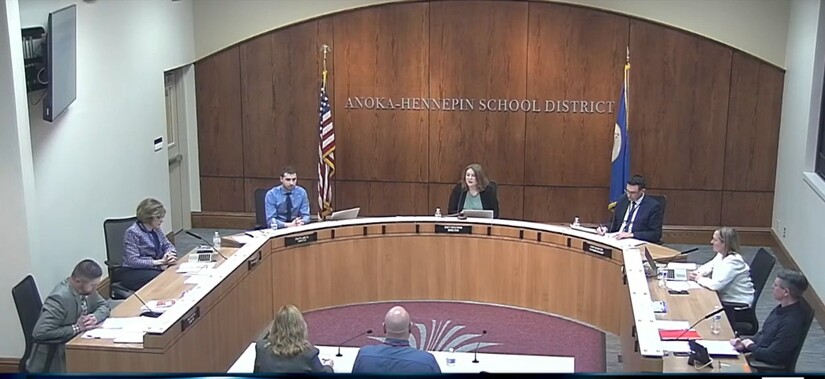
The most recent negotiation session involving an outside mediator took place on December 3. Talks have since stalled, though another mediation session is tentatively scheduled for January 2, 2026.
Even if teachers approve strike authorization this weekend, a walkout would not be immediate. Under Minnesota law, the union would first need to file a formal intent to strike, triggering a mandatory 10 day cooling-off period. That timeline means any strike would likely occur in early January, coinciding with students’ return from winter break.
The situation in Anoka-Hennepin reflects a broader pattern across Minnesota. As of mid December, only an estimated 39 to 50 percent of the state’s 327 school districts have settled their 2023 to 2025 teacher contracts, a slower pace than in recent bargaining cycles. In Minneapolis, educators narrowly avoided a strike after reaching a tentative agreement that included a 2 percent raise. St. Paul Public Schools continues to navigate similarly high-stakes negotiations.
A strike authorization vote does not guarantee a work stoppage, but it would give union leadership the authority to call one if negotiations fail to produce an agreement. For now, both sides face mounting pressure as the calendar turns toward January and the potential disruption of the school year looms.
The outcome of Saturday’s vote is expected to shape the next phase of talks, with significant implications for students, families, and educators across Minnesota’s largest school district.



Patchy rain nearby, with a high of 89 and low of 69 degrees. Cloudy during the morning, partly cloudy in the afternoon, sunny during the evening, patchy rain nearby overnight.