49° and Sunny
Image
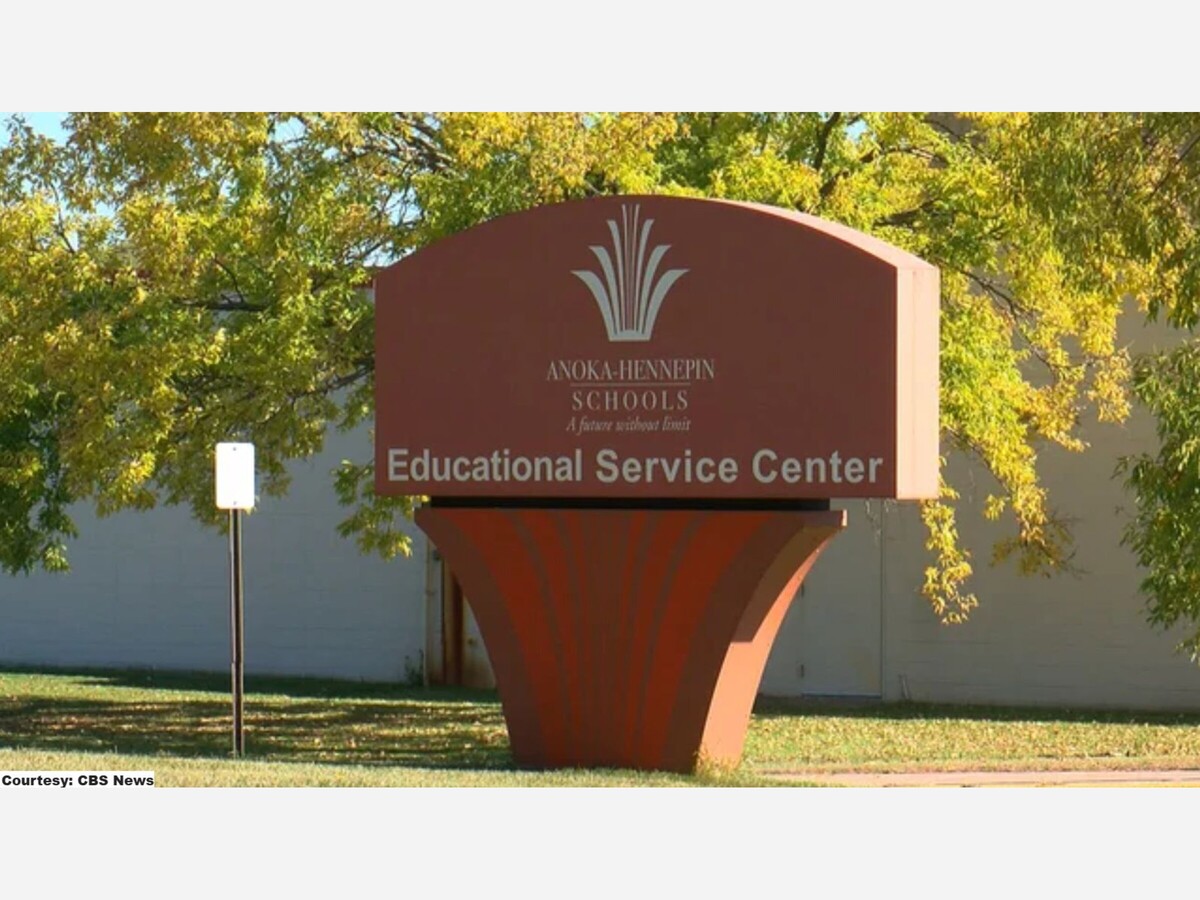



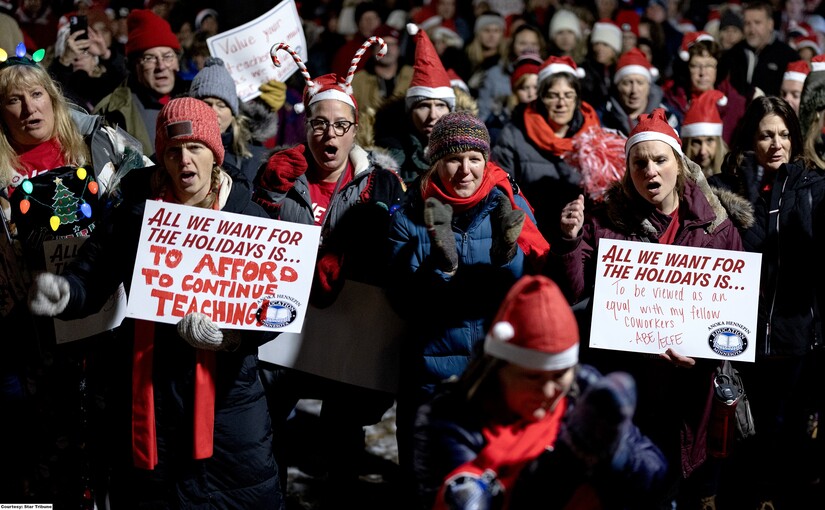
Teachers in Minnesota’s largest school district have taken a decisive step toward a possible strike, overwhelmingly authorizing their union to call a walkout if stalled contract negotiations do not produce an agreement in the coming weeks.
More than 98 percent of participating members of Anoka Hennepin Education Minnesota voted to approve strike authorization, according to union officials. The vote, which concluded Saturday, December 20, 2025, gives union leadership the legal authority to file a formal intent to strike against the Anoka-Hennepin School District.
If an intent to strike is filed as early as next week, Minnesota labor law would require a mandatory 10 day cooling off period. That timeline places the earliest possible strike in the first week of January 2026, just as roughly 38,000 students are scheduled to return from winter break on January 5.
Union leaders stressed that the vote does not guarantee a strike, but signals the seriousness of the dispute.
“This vote is about ensuring the district takes seriously the need to reach a fair contract that supports educators, stabilizes schools, and puts students first,” the union said in a statement.
At the heart of the standoff is what teachers describe as a de facto pay cut driven by sharply rising health insurance costs.
Under current proposals, educators face a 22 percent increase in annual health insurance premiums. Union President John Wolhaupter has said that without salary adjustments sufficient to offset those increases, teachers could lose between $95 and $400 per paycheck, depending on their plan and family coverage.
While teacher salary increases across Minnesota are averaging about 2.3 percent annually in this bargaining cycle, union leaders argue that the district’s offers fail to keep pace with inflation and benefit costs. During recent Anoka-Hennepin School District Board meetings, teachers warned that the district is losing its status as a destination employer.
Educators described Anoka-Hennepin as becoming a “farm team,” where experienced teachers gain skills only to leave for neighboring districts offering more competitive compensation and benefits.
District officials counter that they are negotiating under severe fiscal constraints. The school board has cited a budget gap that has grown to roughly $26 million over the past two years, driven by several converging pressures.
Among them are the expiration of federal pandemic relief funds known as ESSER, new unfunded or underfunded state mandates including Minnesota’s Paid Leave requirements, and rising costs tied to inflation in transportation, utilities, and daily operations.
In response, the district has carried out a three phase Budget Reduction and Realignment process. Since February 2024, more than 240 positions have been eliminated, largely in central administration and middle management. Phase three, approved this month, includes reduced elementary technology support and the elimination of 28 full time equivalent positions at the high school level, largely reflecting enrollment shifts tied to off campus programs such as Postsecondary Enrollment Options.
In a statement, the district said it remains committed to reaching a settlement but emphasized the limits imposed by its financial situation and long term sustainability concerns.
Despite the strike authorization, a work stoppage is not inevitable. Union leaders and district administrators continue to negotiate, and a high pressure mediation session is tentatively scheduled for January 2, 2026. Many observers view that meeting as the final opportunity to reach a tentative agreement before a strike becomes likely.
Recent history suggests a deal is still possible. In Minneapolis Public Schools, educators authorized a strike in November but reached an agreement with district leaders just days before a walkout would have begun.
If Anoka-Hennepin teachers do strike, it would be the district’s first since the 1980s and the first strike authorization vote of this scale in more than two decades.
For now, families across the northern Twin Cities suburbs are left watching closely, uncertain whether the start of the new year will bring students back to classrooms or usher in picket lines outside school buildings.



Patchy rain nearby, with a high of 64 and low of 46 degrees. Sunny for the morning, clear overnight.