32° and Heavy freezing drizzle
Image




COON RAPIDS, Minn. - On December 16, 2025, the Coon Rapids City Council formally approved the acceptance and allocation of $176,388.74 in settlement funds tied to nationwide litigation over per- and polyfluoroalkyl substances, commonly known as PFAS or “forever chemicals.” The funds originate from class action settlements involving chemical manufacturers 3M and DuPont and were approved unanimously without opposition.
The action represents a key step in the city’s long-running efforts to protect drinking water quality while navigating the financial realities of PFAS testing and regulatory compliance.
Under the approved settlement structure, Coon Rapids will receive:
The combined $176,388.74 will be deposited directly into the city’s Water Utility Fund, rather than the general fund, ensuring the money is reserved exclusively for water-related purposes.
City officials noted that the settlement is part of federal multi-district litigation brought by public water suppliers seeking compensation for costs associated with PFAS testing, monitoring, and treatment.
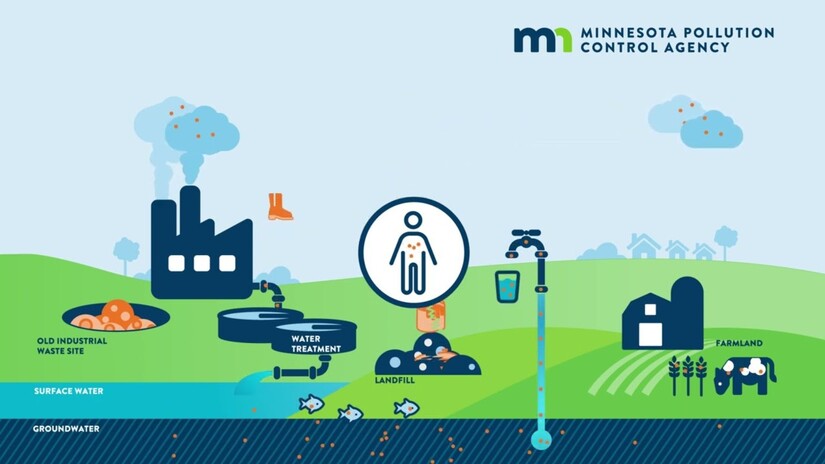
During the council discussion, staff emphasized that the settlement dollars will support ongoing technical and safety initiatives tied to the city’s drinking water system. Planned uses include expanded laboratory testing, continued compliance with evolving regulatory standards, and long-term evaluation of treatment technologies designed to address PFAS contamination.
Council members underscored that the funds are intended to offset costs already borne by the water utility rather than finance new capital projects. PFAS-related testing and monitoring remain a recurring expense for municipal systems across Minnesota, particularly in metropolitan areas with complex groundwater conditions.
City leaders characterized participation in the class action settlement as a deliberate and fiscally responsible decision. While the dollar amount represents only a fraction of the potential long-term costs associated with PFAS mitigation, the settlement provides guaranteed recovery without the uncertainty and expense of pursuing individual litigation against multinational corporations.
By joining the class action, the city avoided years of legal proceedings and preserved staff and financial resources, while maintaining eligibility for other funding programs. Council members also noted that the settlement is separate from Minnesota’s state-managed 3M PFAS settlement fund, which is focused primarily on the East Metro area.
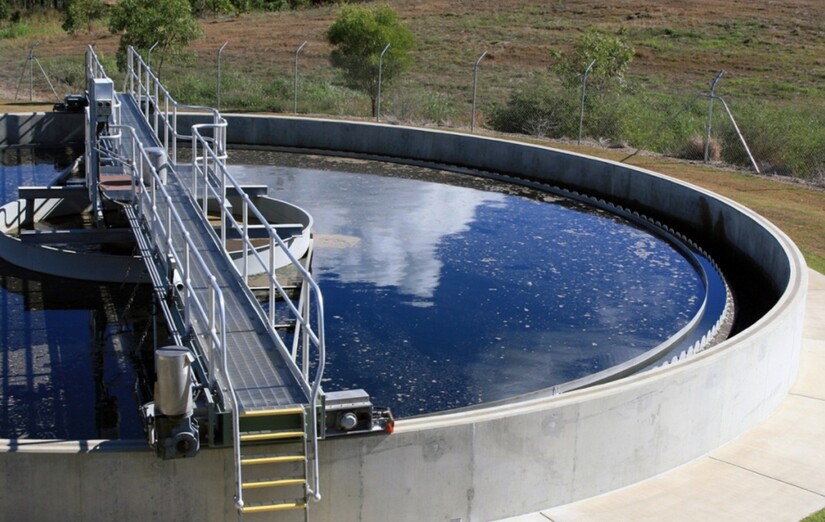
The council’s decision comes as PFAS regulation continues to tighten nationwide. The U.S. Environmental Protection Agency has finalized new, more stringent maximum contaminant levels for several PFAS compounds in drinking water, significantly lowering allowable exposure thresholds.
PFAS are synthetic chemicals historically used in products such as nonstick cookware, waterproof fabrics, and firefighting foams. Because they do not break down easily in the environment or the human body, they have accumulated in soil, water, and bloodstreams worldwide. Federal health agencies have linked long-term exposure to increased risks of certain cancers, liver damage, immune system impacts, and thyroid disease.

With the settlement funds secured, Coon Rapids plans to incorporate the revenue into its 2026 water utility planning and budgeting process. City officials reaffirmed that water quality protection remains a standing priority and that PFAS monitoring will continue as a core responsibility of the municipal utility.
The council’s unanimous vote reflects a broader municipal balancing act playing out across Minnesota, as cities seek to protect public health while managing the rising costs of environmental compliance in an era of heightened regulatory scrutiny.


Moderate snow, with a high of 36 and low of 30 degrees. Heavy freezing drizzle in the morning, moderate snow during the afternoon, overcast during the evening, patchy moderate snow overnight.