49° and Sunny
Image




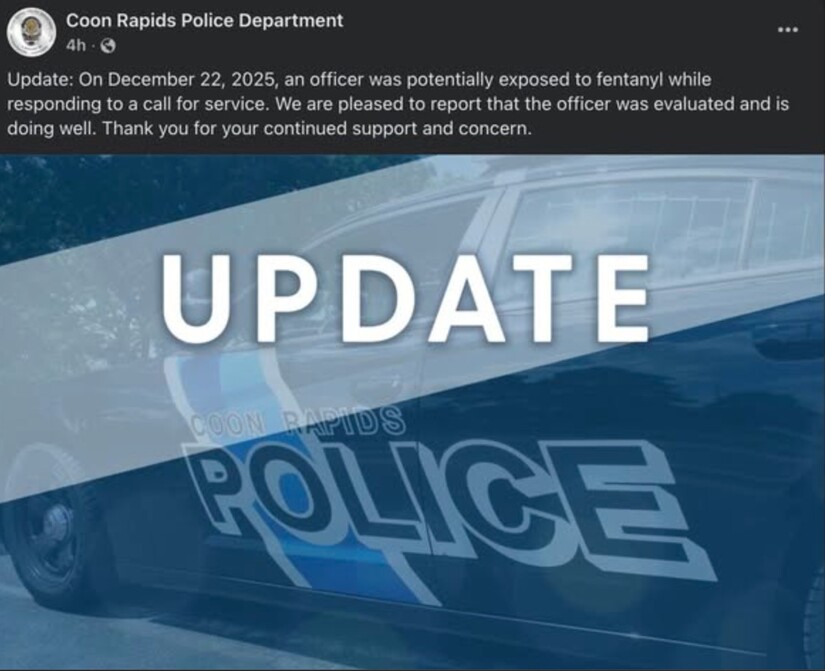
The Coon Rapids Police Department reported that a police officer was potentially exposed to fentanyl while responding to a call for service on Monday, December 22, 2025, prompting an immediate medical evaluation. In an official update released by the department, authorities said the officer was assessed by medical professionals and is doing well, with no reported long term injury.
According to the department, the exposure occurred during a routine response when the officer encountered a substance believed to be fentanyl. As required by departmental safety protocols, the officer was removed from the scene and evaluated as a precaution. The department did not release details about the nature of the call for service, such as whether it involved a traffic stop, welfare check, or investigation, citing standard privacy and investigative considerations.
The agency thanked community members for their concern and support, noting that officer safety remains a top priority during calls involving unknown or potentially hazardous substances.
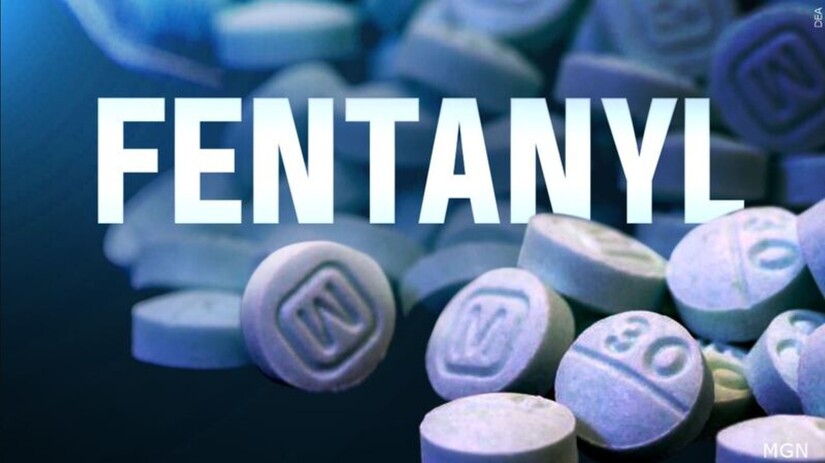
Fentanyl is a synthetic opioid that is significantly more potent than heroin and morphine. Medical literature estimates it to be 50 to 100 times stronger than morphine, making it a leading contributor to overdose deaths nationwide.
At the same time, major medical organizations including the American College of Medical Toxicology and the American Academy of Clinical Toxicology have consistently emphasized that the risk of life threatening overdose from incidental skin contact or brief environmental exposure is extremely low. These findings are widely cited in law enforcement training and public health guidance.
Despite the low medical risk of casual contact, police departments treat all suspected fentanyl encounters with caution. Officers are trained to assume unknown powders or pills may be hazardous and to follow strict handling procedures.
Like many departments across Minnesota, Coon Rapids officers receive ongoing training in drug recognition, evidence handling, and personal protective measures. Standard precautions typically include the use of nitrile gloves, masks when appropriate, and avoiding actions that could aerosolize unknown substances.
Officers also carry naloxone, commonly known as Narcan, a medication that can rapidly reverse the effects of an opioid overdose. Naloxone has become standard equipment for patrol officers throughout Anoka County and the broader Twin Cities region as fentanyl related incidents have increased.
Local law enforcement agencies have previously warned residents about counterfeit pills, often marked as “M30” oxycodone, that circulate in North Metro communities and are frequently laced with fentanyl at lethal concentrations.
When potential exposure incidents occur, departments typically conduct follow up reviews to determine the source and nature of the substance involved. This can include laboratory testing to confirm whether fentanyl or a related analog was present. If the substance is linked to a suspect, criminal charges may be considered depending on the circumstances and investigative findings.
For now, officials emphasized that the officer’s condition is stable and that no broader public safety risk has been identified in connection with the incident.
The update serves as a reminder of the evolving hazards faced by first responders and the importance of evidence-based safety practices as communities continue to grapple with the impact of synthetic opioids.



Patchy rain nearby, with a high of 64 and low of 46 degrees. Sunny for the morning, clear overnight.