Image
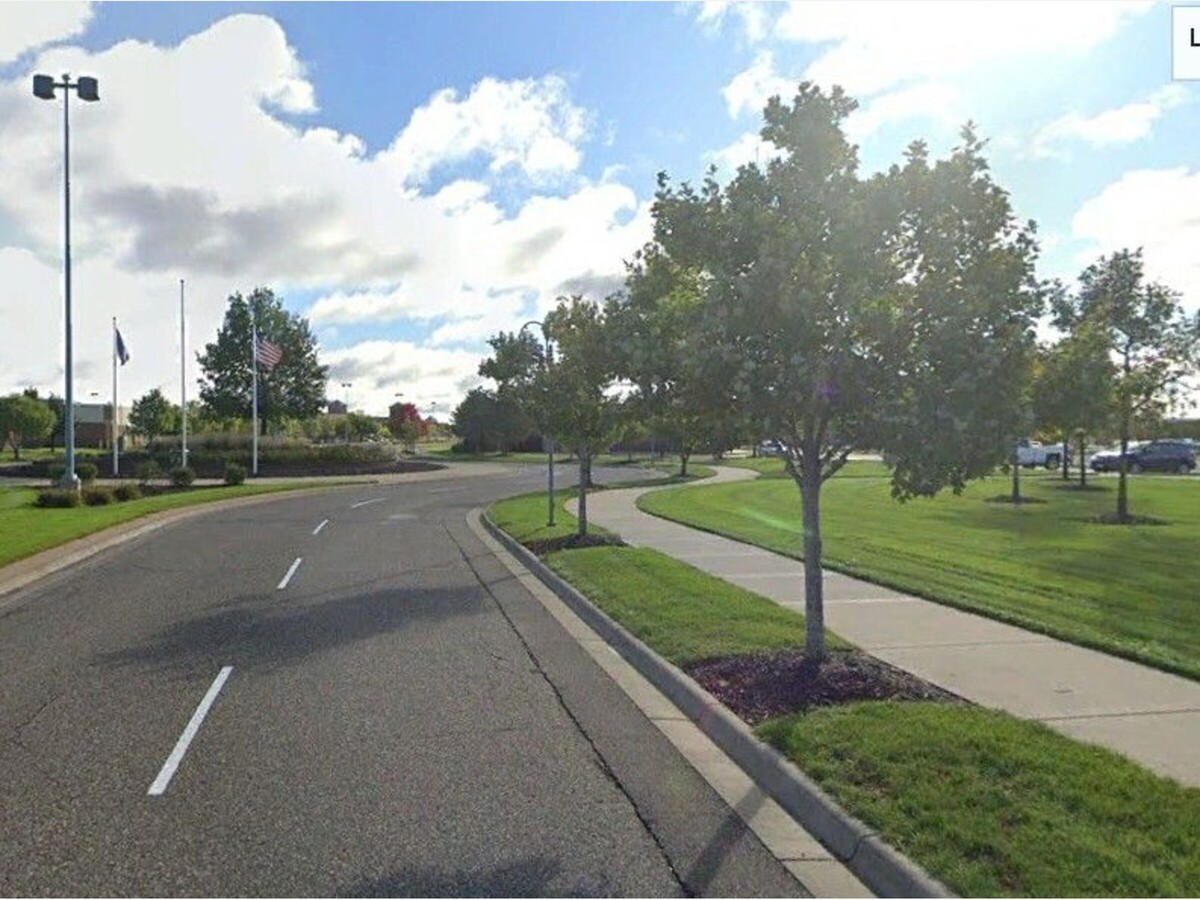



The long planned sidewalk connection along 110th Avenue resurfaced as a central point of discussion during the Coon Rapids City Council meeting on December 16, 2025, highlighting the tension between neighborhood impacts and the city’s long term infrastructure and safety goals.
The proposed sidewalk is part of the city’s broader 2026 Street Reconstruction Project, formally identified as Street Reconstruction Project 26-1. With an estimated total cost of approximately $13.7 million, the project targets several neighborhood streets in the Northdale Edition that have reached the end of their service life. Alongside pavement reconstruction, the work includes new curbs and gutters, water main replacements, storm sewer improvements, and targeted pedestrian upgrades.
At the center of the discussion is a new six foot wide concrete sidewalk proposed along the north side of 110th Avenue, designed to create a continuous pedestrian connection between Foley Boulevard and Moore Park. City staff described the segment as a critical missing link in the local sidewalk network, particularly for residents walking to the park, nearby neighborhoods, and busier corridors where foot traffic currently shares space with vehicles.
According to feasibility materials presented to the council, the 110th Avenue alignment was selected after evaluating alternative routes. At the council’s direction, staff studied the possibility of constructing a sidewalk along 111th Avenue. That option was ultimately ruled out due to the need for significant grading, greater impacts to mature trees and landscaping, and the fact that 111th Avenue is a lower traffic cul de sac. Staff concluded that 110th Avenue provides a more direct and practical pedestrian route toward Foley Boulevard.
While the sidewalk has appeared on city planning maps for years, its move toward construction has generated mixed reactions from residents who live along the corridor. Many of the concerns focus on property level impacts that come with retrofitting sidewalks into established neighborhoods.
Homes along 110th Avenue often have driveways that were not originally designed to accommodate sidewalk crossings. To meet ADA standards, sections of driveway aprons may need to be shaved down or reconstructed so sidewalks remain level. Residents have also raised concerns about the loss of front yard space within the city owned right of way, potential removal of mature trees, and possible disruption to irrigation systems and landscaping installed over the years.
Cost is another point of friction. While the city funds the majority of reconstruction through its capital improvement program, approximately $1.15 million of the total project cost is proposed to be covered through special assessments on benefiting properties. City documents note that rising construction costs following the pandemic have contributed to higher overall project estimates, amplifying resident concerns about affordability.
Council members acknowledged these challenges during the December meeting, but emphasized that pedestrian safety remains a priority. Several members pointed out that 110th Avenue functions as a feeder road for neighborhood traffic, leaving pedestrians with limited options other than walking in the street. From the council’s perspective, the sidewalk represents a necessary investment in safety, accessibility, and long term neighborhood livability.
Beyond sidewalks and pavement, the project also includes stormwater improvements intended to address chronic drainage and sewer issues in the Northdale Edition. Planned quality basins in Moore Park are designed to improve water filtration and reduce root intrusion and blockages that have affected local sewer lines in recent years.
The sidewalk project also aligns with the city’s Active Transportation Plan adopted in 2024 and funded in part through MnDOT. That plan prioritizes closing gaps in the pedestrian and bicycle network so residents can more easily reach parks, schools, retail areas, and transit options without relying exclusively on vehicles.
City staff outlined a clear timeline for continued public engagement. A public open house is scheduled for January 2026 to allow residents to review detailed construction plans and property specific impacts. A formal public improvement and assessment hearing is set for February 17, 2026, when the council will consider final project approval and assessment amounts. Construction is anticipated to begin in the spring or summer of 2026 if the project is approved.
As the city balances infrastructure needs with neighborhood concerns, the 110th Avenue sidewalk has become a case study in the complexities of modern street reconstruction. For supporters, it represents overdue progress toward safer, more connected neighborhoods. For affected homeowners, it underscores the very real tradeoffs that come with reshaping streets built for a different era.


Sunny, with a high of 67 and low of 42 degrees. Sunny in the morning, partly cloudy during the afternoon and evening, clear overnight.