Image
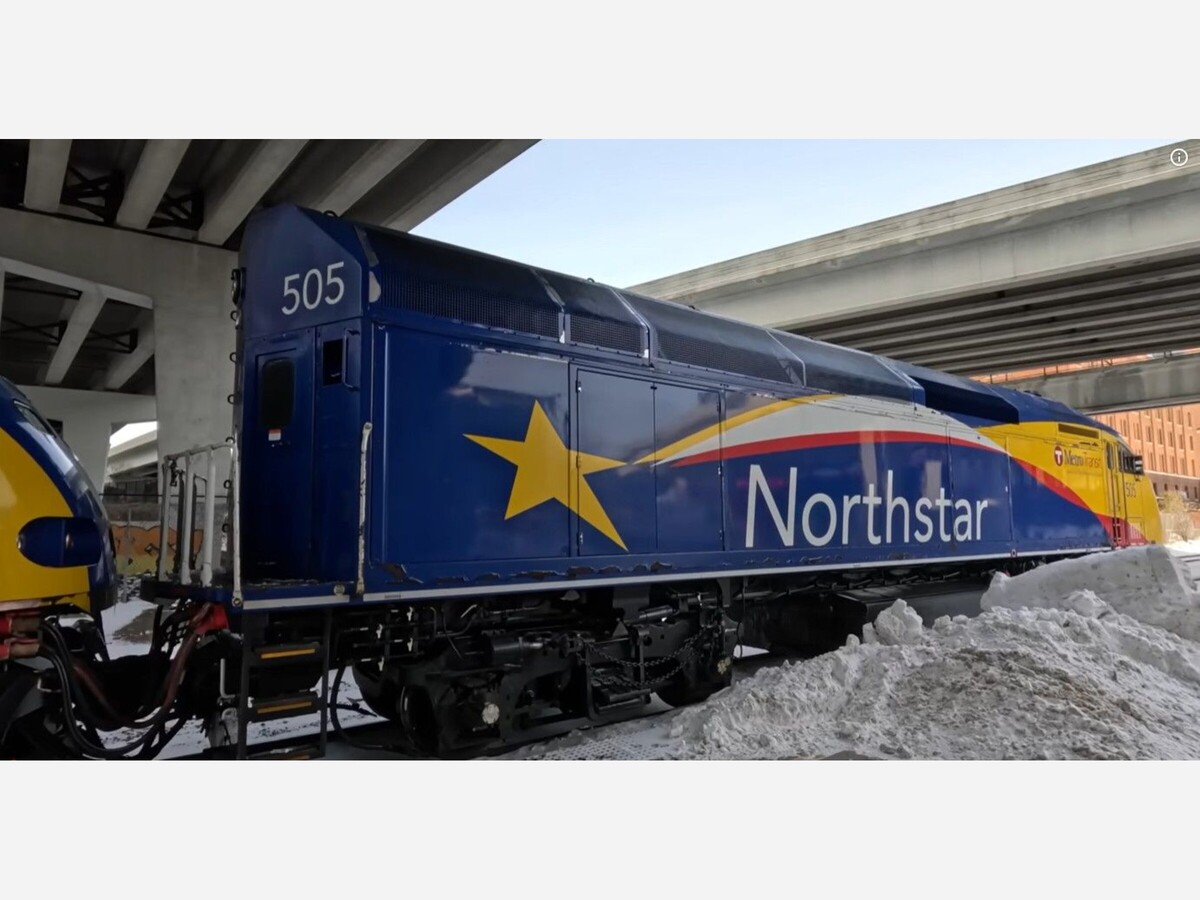



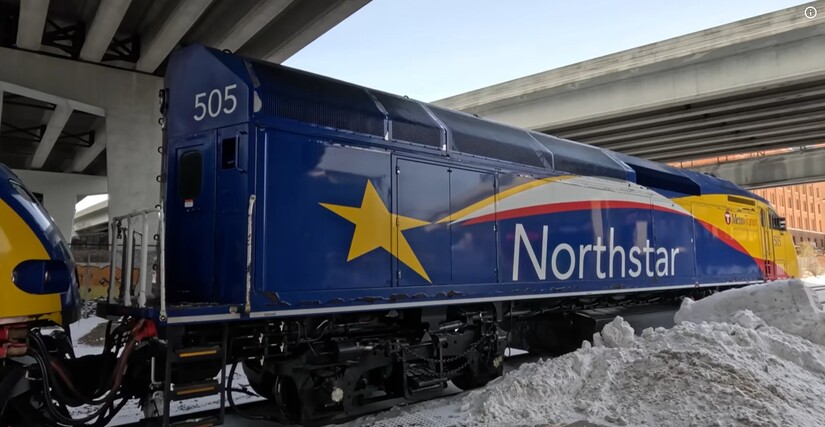
After 16 years of operation, Minnesota’s only commuter rail line is coming to an end.
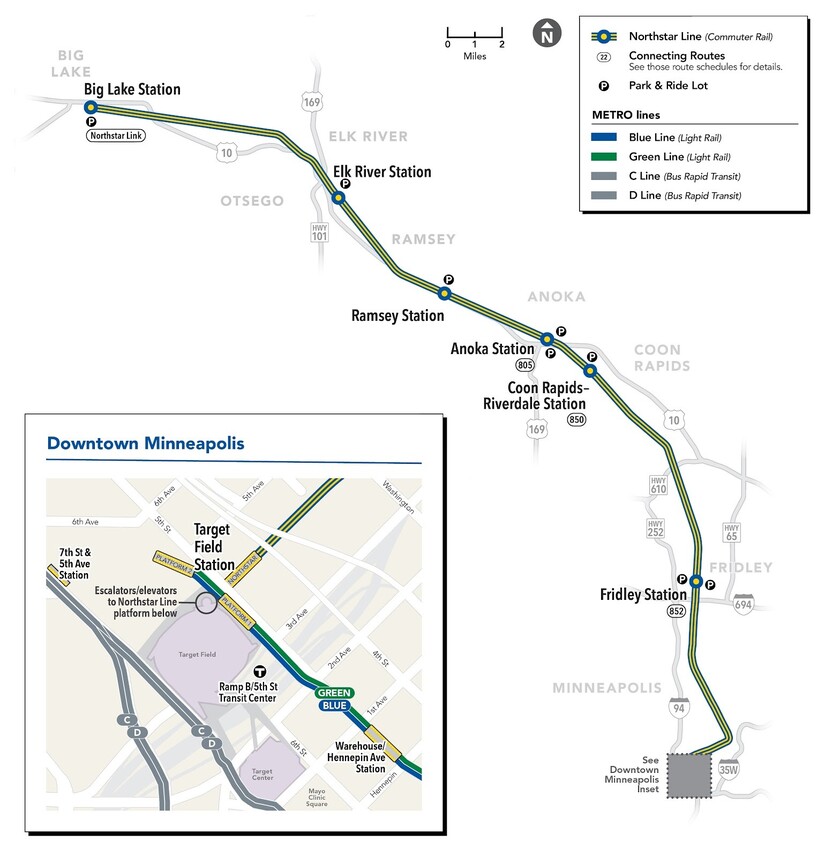
Officials with Metro Transit have confirmed that Northstar Commuter Rail will cease operations on Sunday, January 4, 2026, with the corridor transitioning to a significantly expanded bus network beginning Monday, January 5. The change affects riders throughout the northwest metro, including Ramsey, Anoka, Coon Rapids, and Fridley, and marks a decisive shift away from rail service toward a higher frequency, all day transit model.
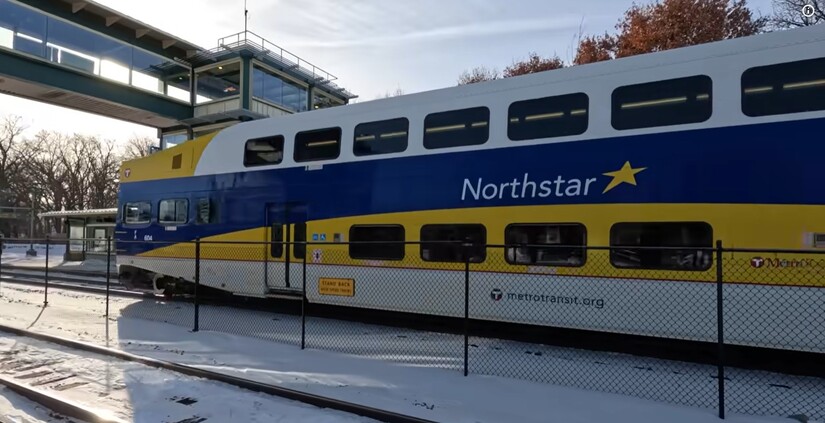
Launched in 2009, Northstar Line once symbolized a long term vision for regional rail commuting between Big Lake and downtown Minneapolis. That vision unraveled during the COVID 19 pandemic, when remote work dramatically reduced daily commuting patterns.
Ridership never recovered. Metro Transit data show average weekday boardings falling from roughly 2,600 to 2,700 riders before the pandemic to about 400 by late 2025. At the same time, operating costs remained high. In 2023, the line cost approximately $11.6 million to run while generating just over $320,000 in fare revenue, an imbalance transit officials described as unsustainable.
The replacement plan pivots away from limited peak hour rail service toward what transit planners describe as a “pulse” bus network. The goal is flexibility, frequency, and better alignment with current travel behavior.
Under the new system, the corridor will see nearly 400 weekly bus trips, compared with about 40 weekly train trips under Northstar. Weekday service will run every 30 minutes during rush hours and every 60 minutes during midday and evening periods. Regular weekend service will also be offered, a major departure from the rail line’s special event only schedule.
Annual operating costs for the bus network are projected at roughly $2 million, a fraction of the cost of maintaining rail service.
The redesigned network centers on three primary routes.
Route 888 becomes the backbone of the corridor beginning January 5. It replaces core rail service for Ramsey, Anoka, and Coon Rapids, using existing Northstar park and ride facilities. Buses will operate every 30 minutes during peak periods from 6:30 to 8:30 a.m. and 3:00 to 5:00 p.m., with hourly service outside those windows.
Route 827 provides service from Fridley to downtown Minneapolis. The route launched early on December 6, 2025, replacing the former Route 852. To improve speed and reliability, boarding has shifted from the Fridley rail station to East River Road.
Route 882 is a two year pilot designed to serve Big Lake and Elk River following the rail shutdown. The route will offer three southbound morning trips and three northbound afternoon trips on weekdays. The pilot is operated by Metro Transit under an agreement with the Minnesota Department of Transportation.
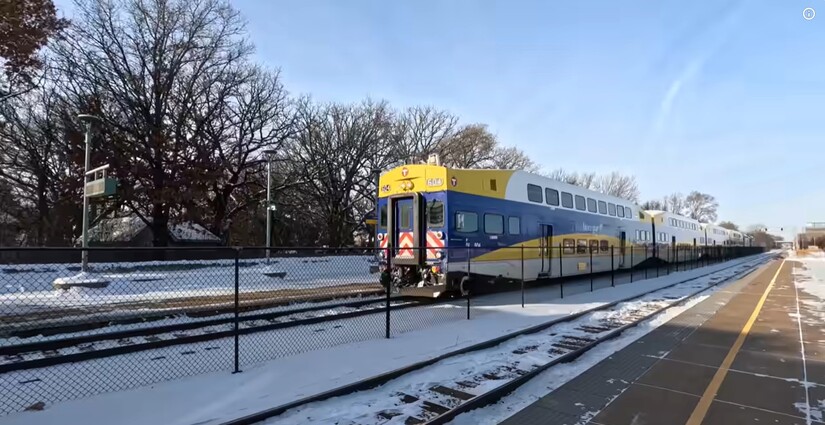
Metropolitan Council and Metro Transit officials cite three core reasons for ending Northstar service.
First is the collapse in ridership and the resulting cost imbalance. Second are operational constraints tied to the fact that Northstar ran on tracks owned by BNSF Railway, requiring costly access agreements and giving freight traffic priority. Those constraints made it nearly impossible to add midday or weekend trains.
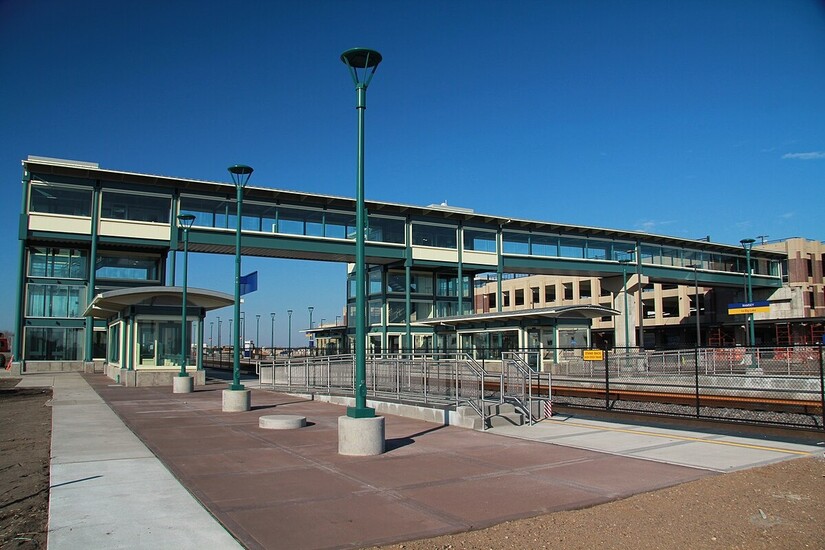
Third is access. While Northstar terminated at Target Field Station, the new buses will drop riders directly along Marquette Avenue and Second Avenue in downtown Minneapolis, placing passengers closer to offices and employment centers.
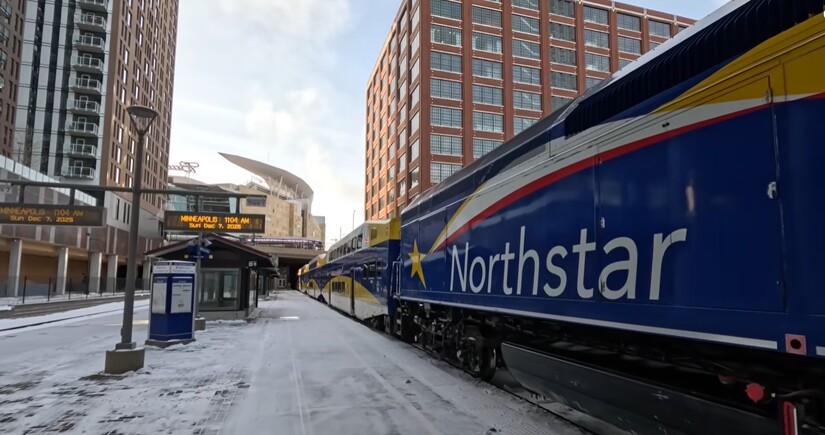
Rail service will continue through Sunday, January 4, including any scheduled special event trips. Beginning Monday, January 5, riders should plan to use Routes 888, 827, or 882 depending on their community.
Metro Transit has published updated schedules, maps, and rider guidance ahead of the transition and is urging current Northstar users to review the new bus options before the change takes effect.
For the northwest metro, the end of Northstar closes a chapter in Minnesota transit history. What replaces it is a fundamentally different model, one designed less around the nine to five commute and more around how residents actually move through the region today.



Sunny, with a high of 91 and low of 62 degrees. Sunny for the morning, mist overnight.